This guide covers everything you need to know about tankwater filtration systems: how they work, what to look for when choosing one, and how to maintain it for long-term reliability. Whether you collect rainwater for gardening, household use, or emergency storage, effective filtration protects your health, plumbing, and appliances. Read on for practical advice and clear explanations to help you build or maintain a reliable tankwater system.
Comprehensive Overview of Tankwater Filtration
Tankwater filtration systems are designed to remove physical debris, chemical contaminants, and microbiological hazards from stored water so it’s safe and suitable for its intended uses. At the simplest level they include screens and sediment filters that prevent leaves and grit from entering the tank, while more advanced setups add carbon filters, UV sterilizers, or reverse osmosis units to address taste, odors, bacteria, and dissolved solids. Understanding what you need the water for (irrigation, toilets, laundry, drinking) determines how complex the filtration train must be.
Key components of a typical system include first-flush diverters, inlet screens, coarse sediment traps, multi-stage cartridge filters, activated carbon, and disinfection devices like UV lamps or chlorination systems. Pre-filtration and settling reduce load on finer filters, extending their life and reducing maintenance. For point-of-use drinking water, many homeowners combine a sediment filter, carbon block, and UV disinfection to deliver safe potable water without overtaxing a single device.
When assessing options, consider flow rate, micron ratings, and the contaminants of concern. Some homeowners research local solutions and product suppliers to match equipment to rainfall, roof catchment characteristics, and seasonal demands — resources such as tankwater filtration systems can help you explore suitable equipment and sustainable configurations. Properly sized and staged filtration not only improves water quality but also protects pumps and appliances from premature wear.
Choosing and Maintaining Tankwater Filtration Systems
Choosing the right tankwater Water filtration system starts with a water quality test and a clear understanding of uses. Tests reveal sediment levels, turbidity, microbial presence, and chemical contaminants like nitrates or heavy metals. With those results you can select appropriate filtration stages: coarse filtration for particulate matter, activated carbon for organic chemicals and chlorine byproducts, and disinfection for pathogens. Budget, available space, and whether you need point-of-entry vs point-of-use treatment will also guide your decision.
Maintenance is as important as the initial purchase. Regular tasks include cleaning inlet screens and gutters, emptying first-flush devices, backwashing or replacing sediment cartridges when pressure drops, and replacing carbon cartridges on schedule. UV systems require lamp replacement and sleeve cleaning at recommended intervals; pumps and valves should be inspected for leaks and worn seals. Following a maintenance calendar, keeping a stock of common replacement parts, and logging service activities greatly reduce downtime and unexpected costs—many suppliers and installers offer maintenance plans or guides that simplify long-term care, and sites like rainwater harvesting resources can point you to local service options.
Finally, adopt best practices for seasonal care, troubleshooting, and compliance. Winterizing exposed components prevents freeze damage; chlorination can be used periodically for tank disinfection if permitted by local guidelines; and regular bacteriological testing ensures continued potability if the system supplies drinking water. If problems arise—persistent turbidity, unpleasant tastes or odors, or recurring microbial detections—trace the issue stepwise from roof catchment to outlet and involve a qualified technician when necessary. With the right equipment selection, proactive maintenance, and periodic testing, a tankwater filtration system will be a durable, cost-effective part of a resilient water supply.
A well-designed and maintained tankwater filtration system converts collected water into a reliable resource for many household and garden needs. Start with testing and clear goals, choose staged treatment appropriate to contaminants and uses, and commit to routine maintenance and monitoring. These steps protect health, reduce waste, and maximize the lifespan of your equipment so your tank system serves you effectively for years.
-
-
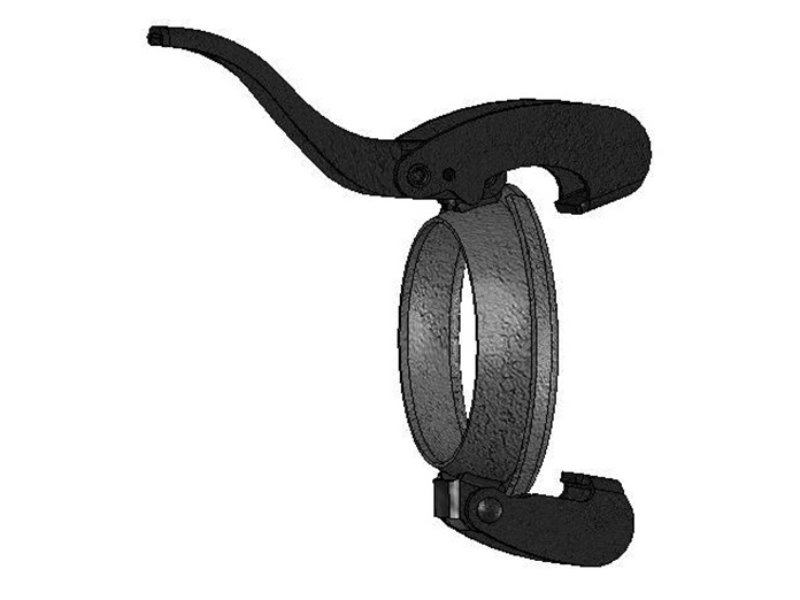
 Flexible Hose Couplings
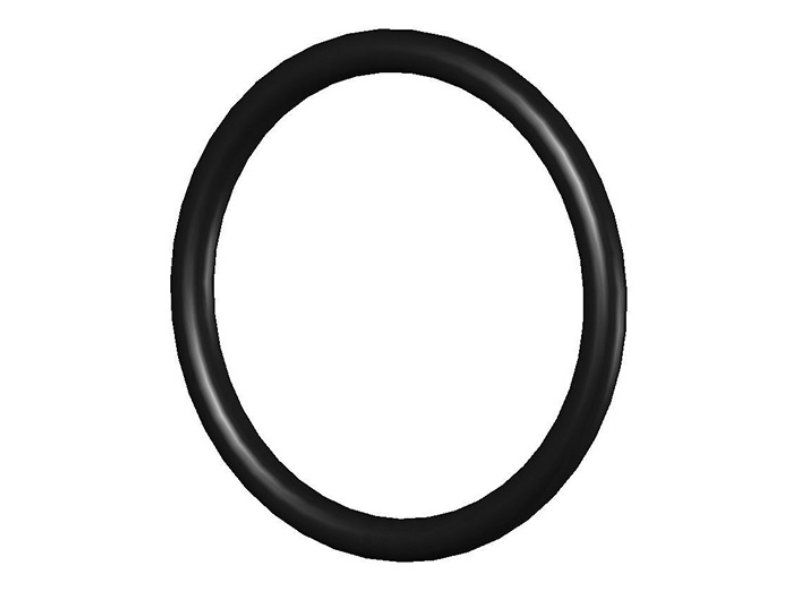
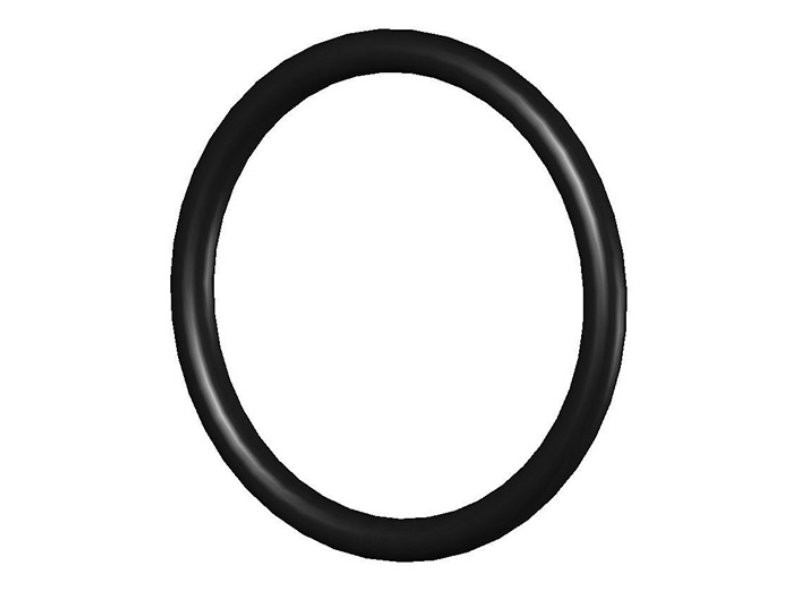
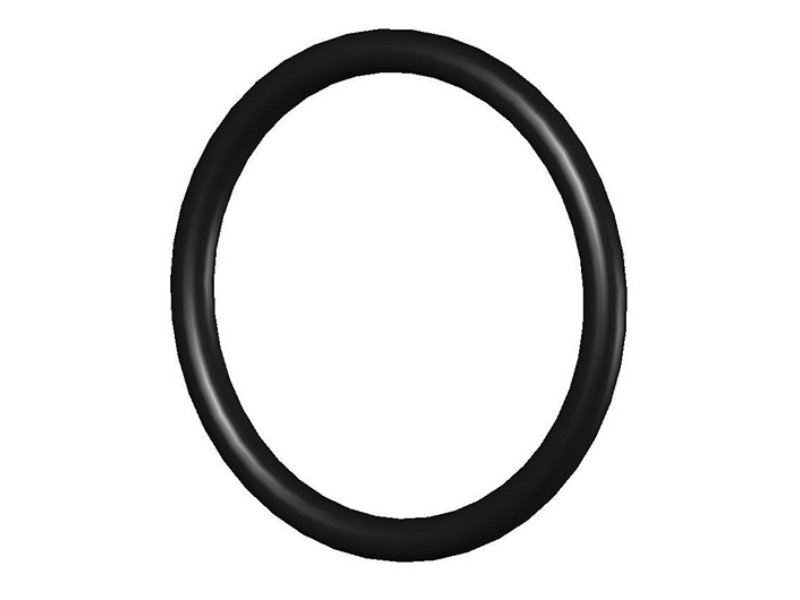
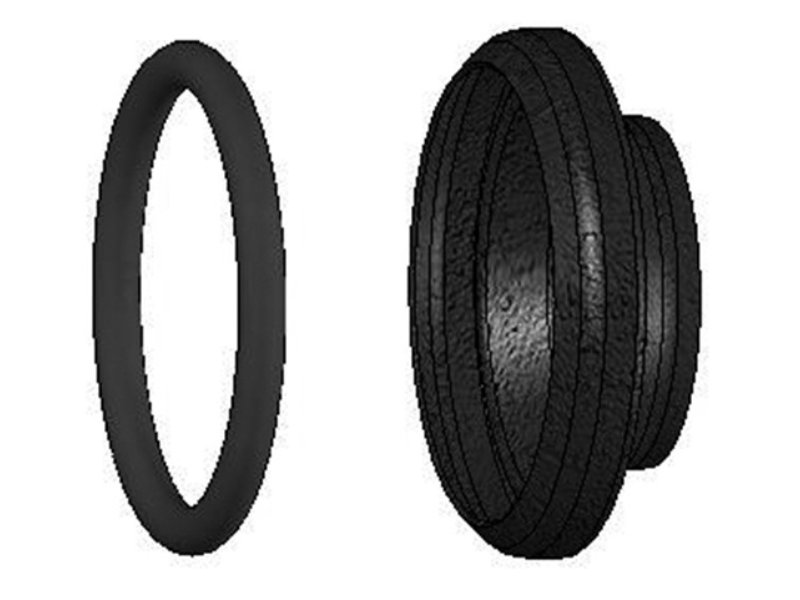
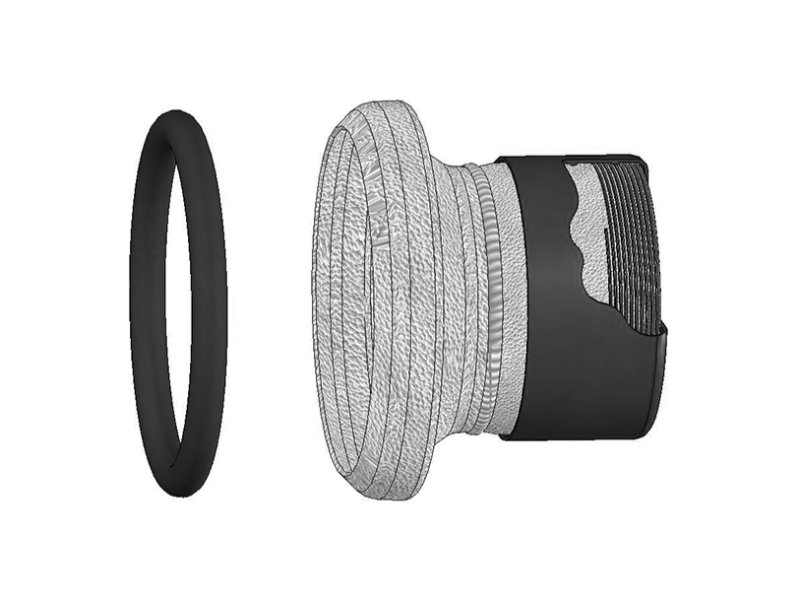
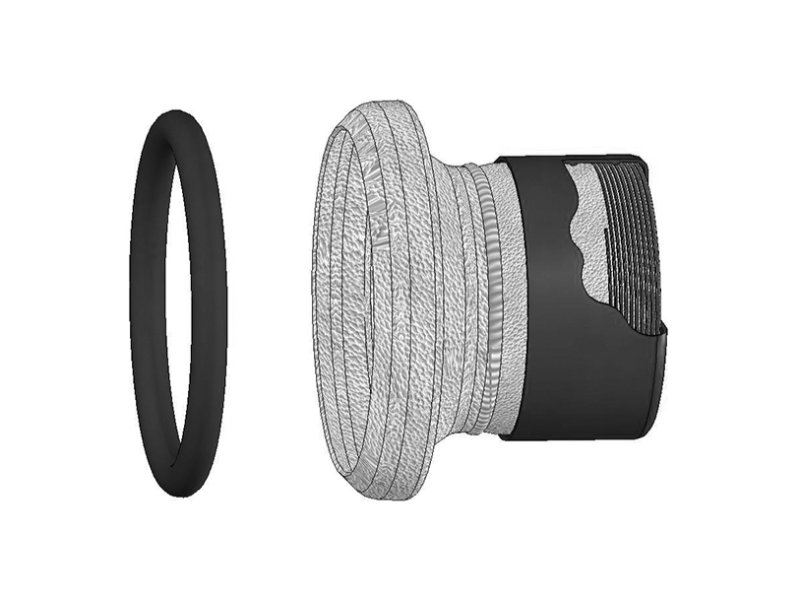
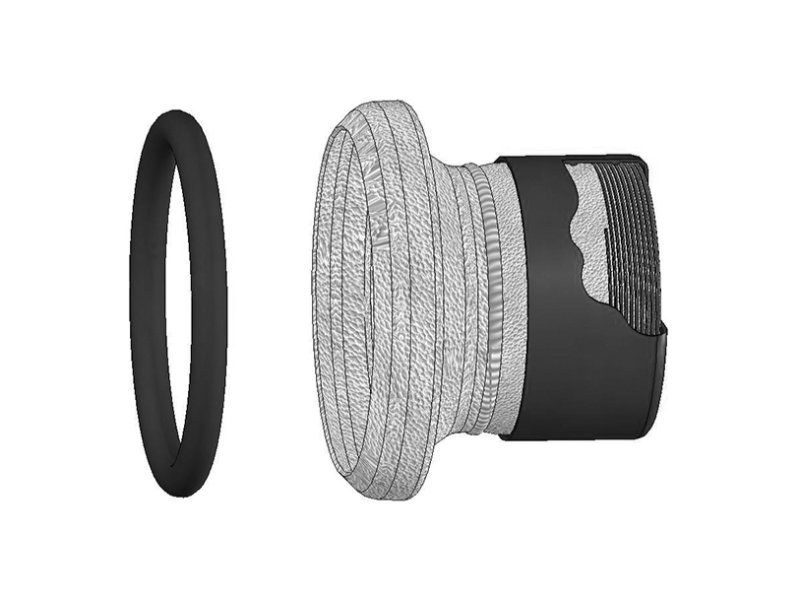
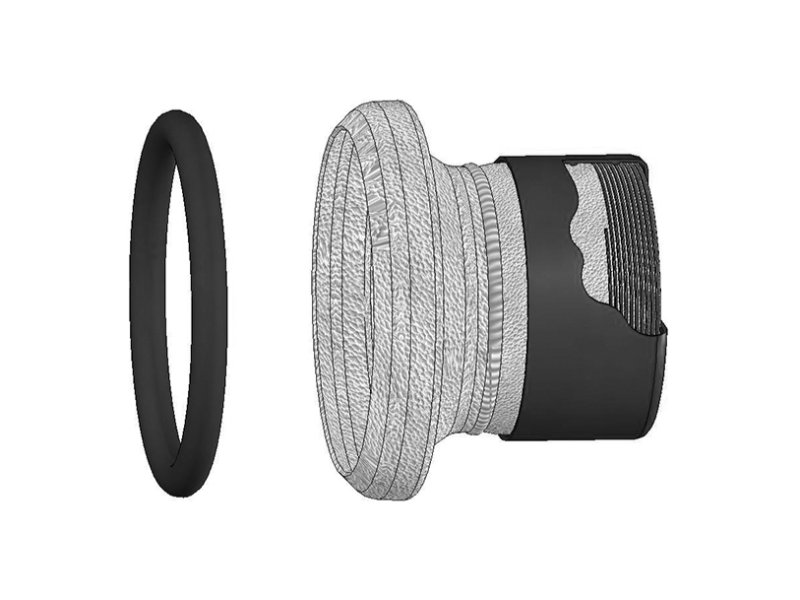
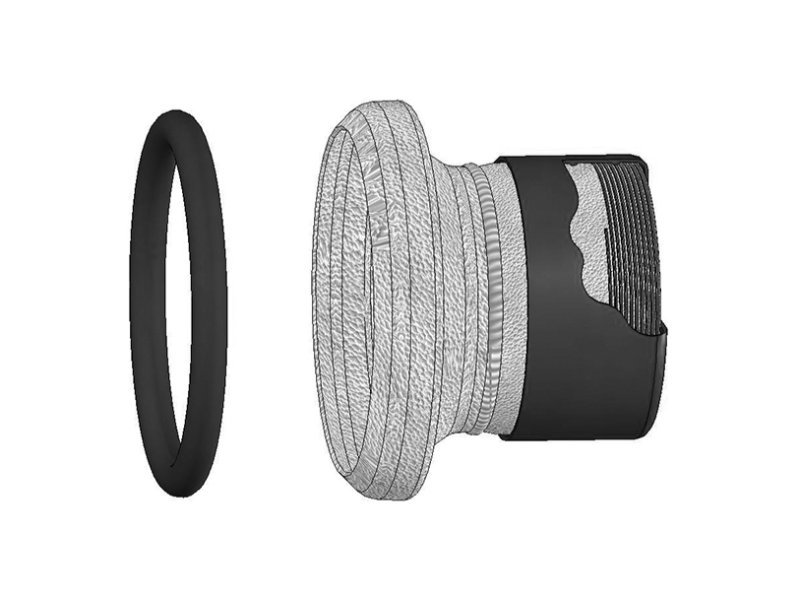
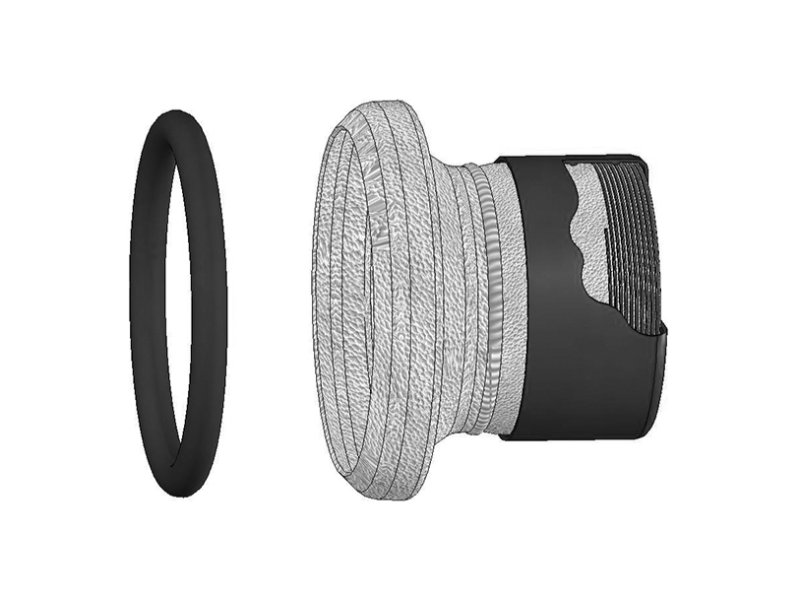
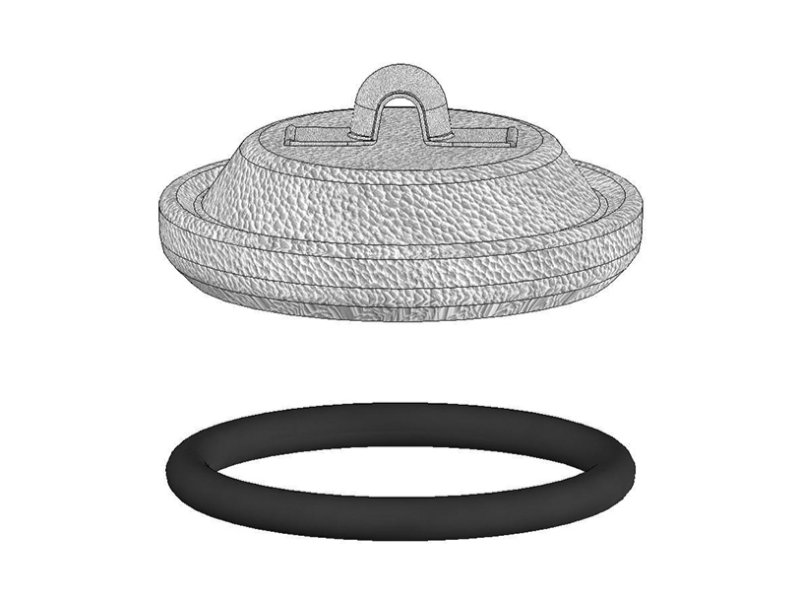
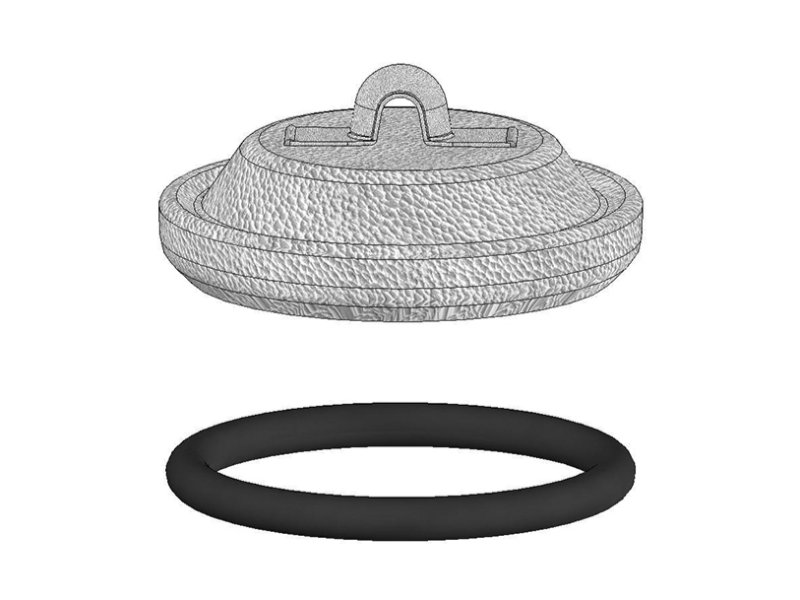
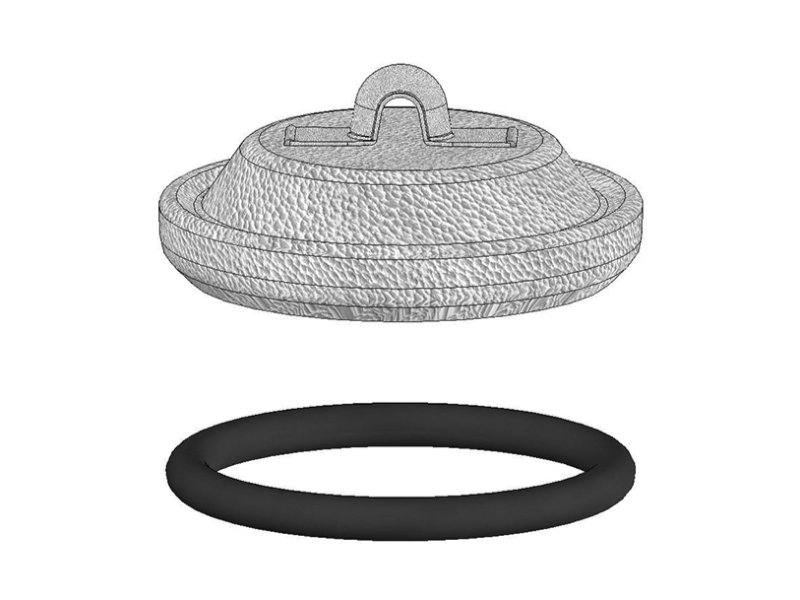
Bauer Style Gasket/O-Ring 133mm (152 ID x 188 OD x 18 CS)
$17.91 Add to cart -
 Flexible Hose Couplings
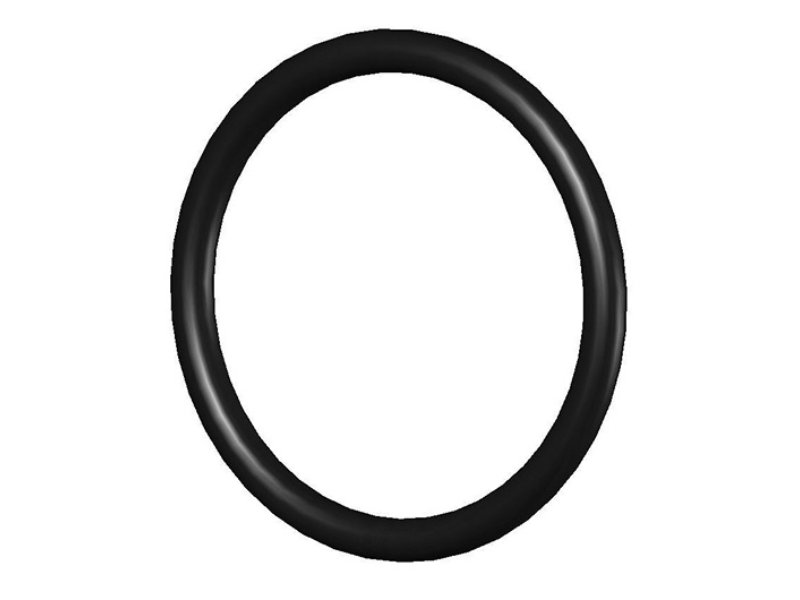
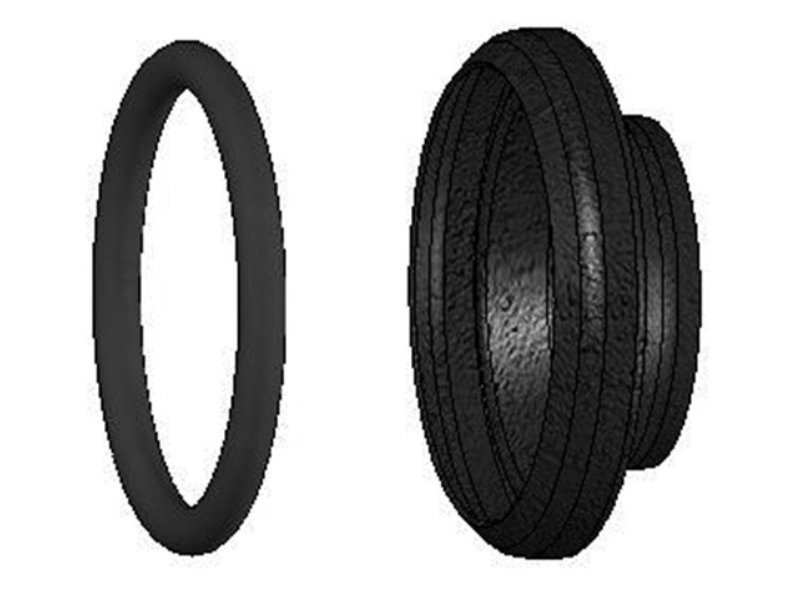
Bauer Style Gasket/O-Ring 159mm (170 ID x 208 OD x 19 CS)
$19.14 Add to cart -
 Flexible Hose Couplings
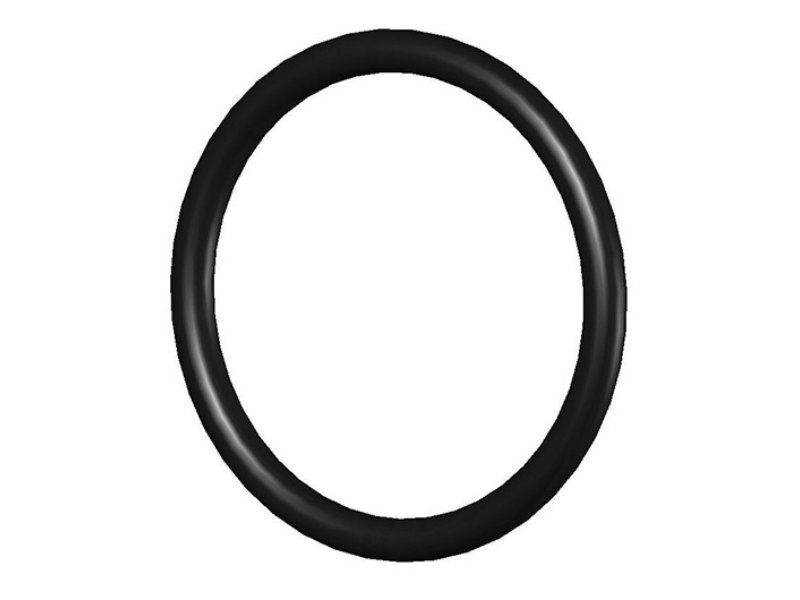
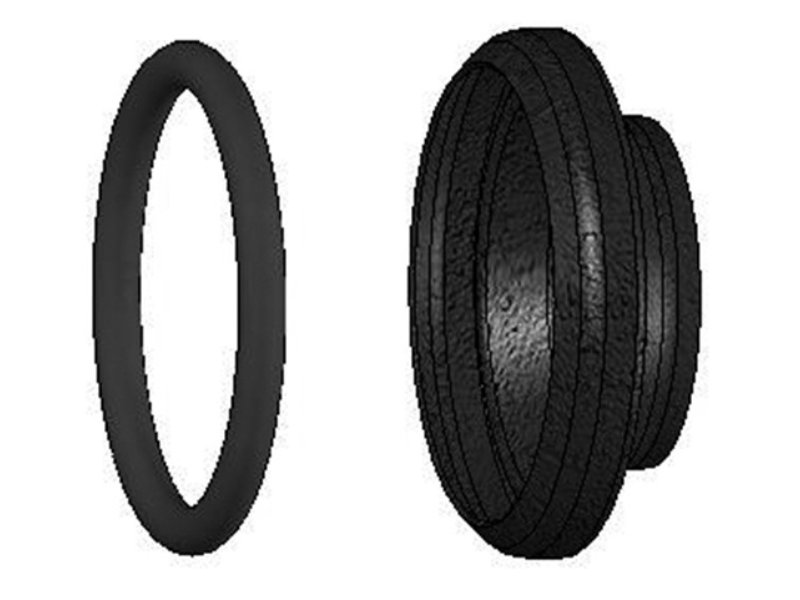
Bauer Style Gasket/O-Ring 76mm (88.5 ID x 114.5 OD x 13 CS)
$3.76 Add to cart -
-
-
-
-
-
-
-
-
-
-
-
-
-
-
-
-
-
-
-
-
-
-
-
-
-
-
-
-
-
-
-
-
-
-
-
-
-
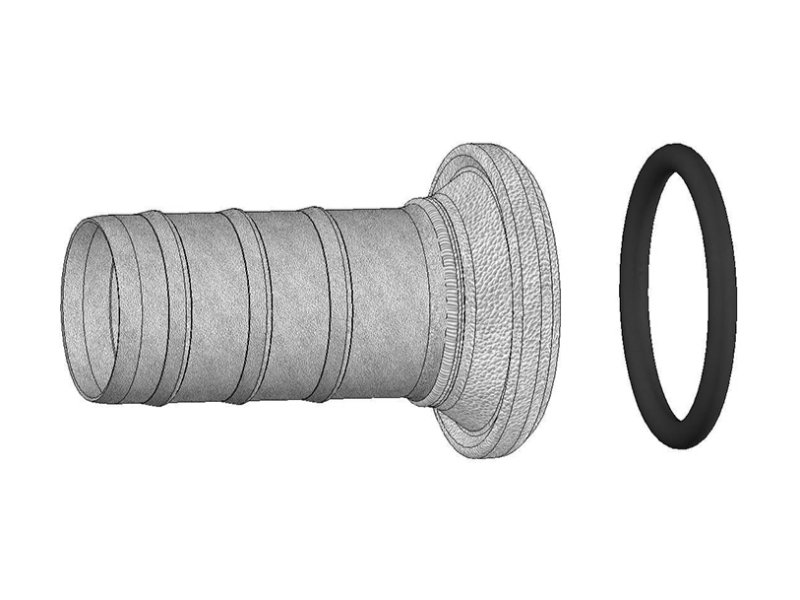
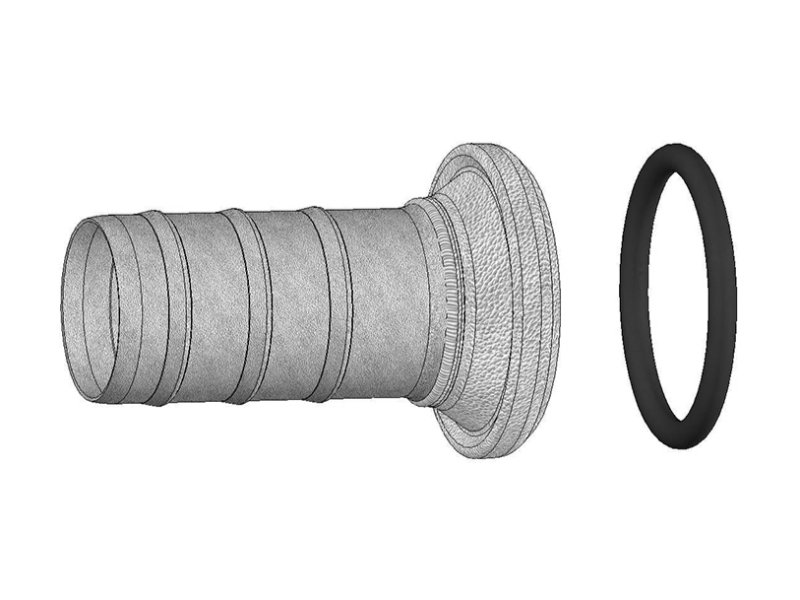
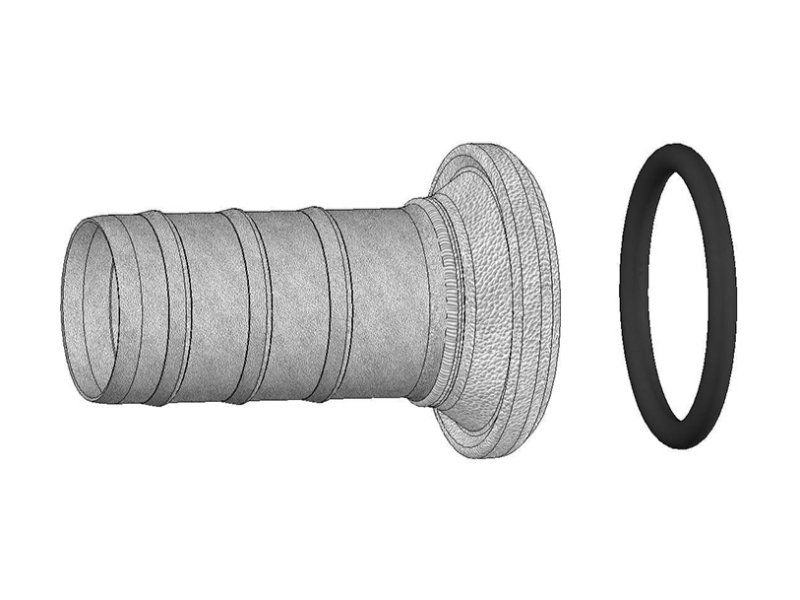
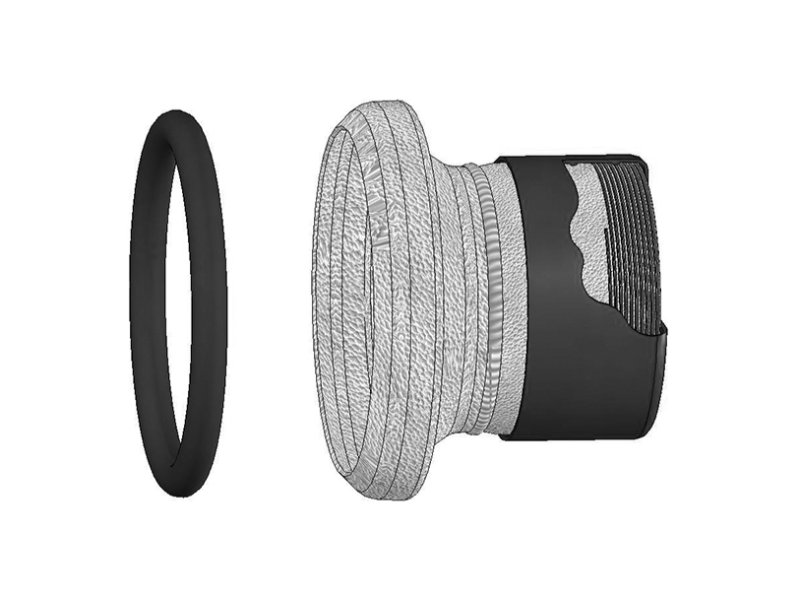
 Flexible Hose Couplings
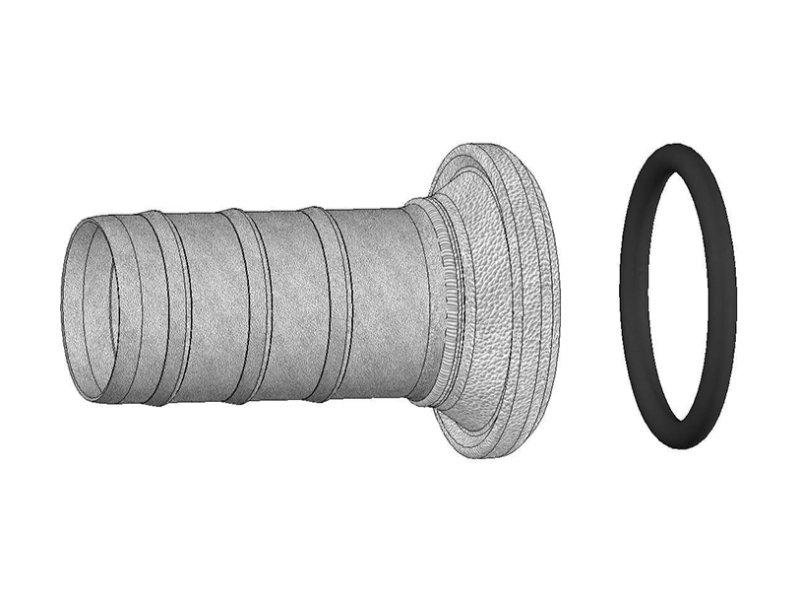
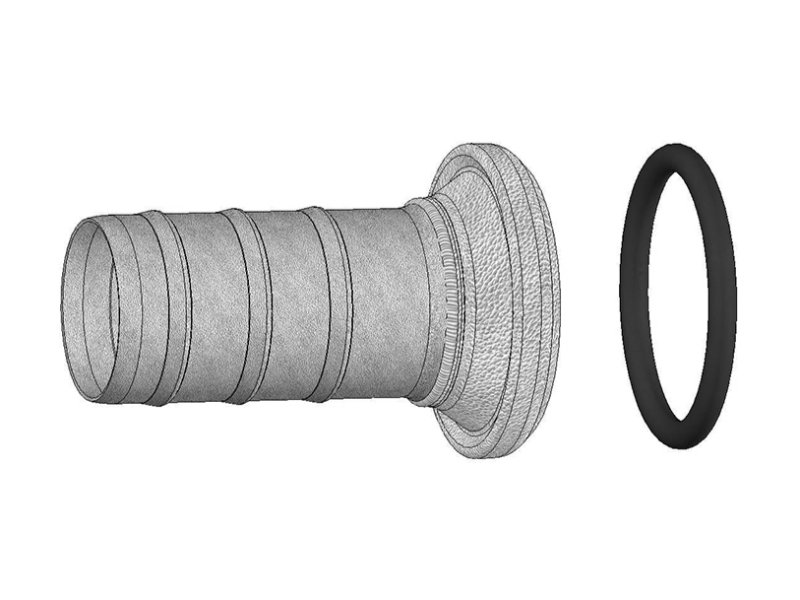
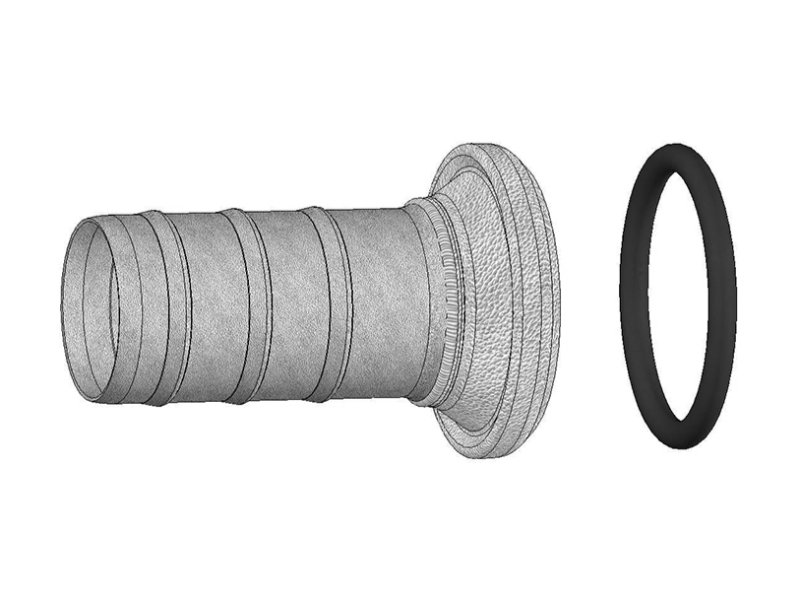
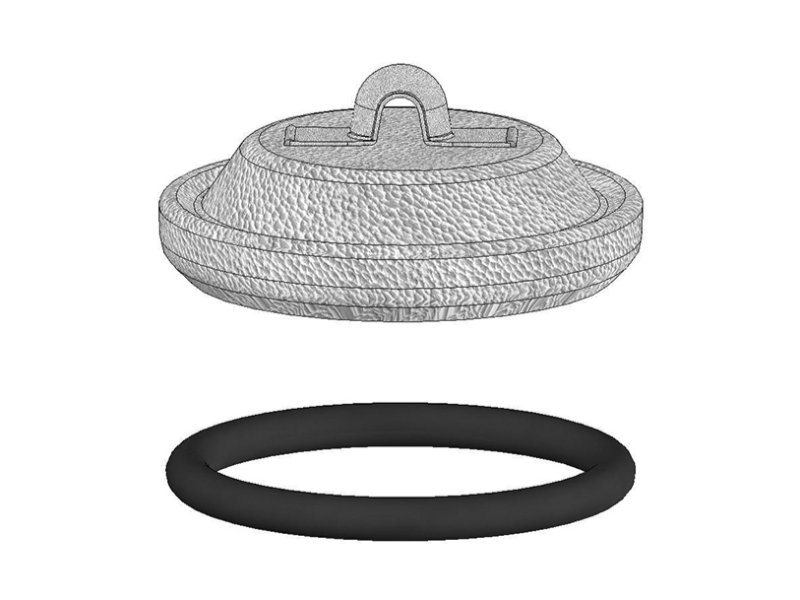
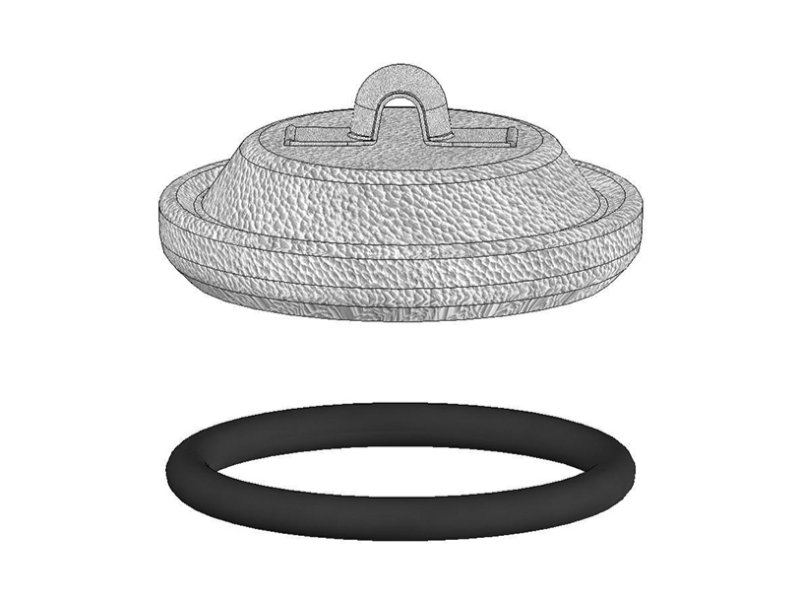
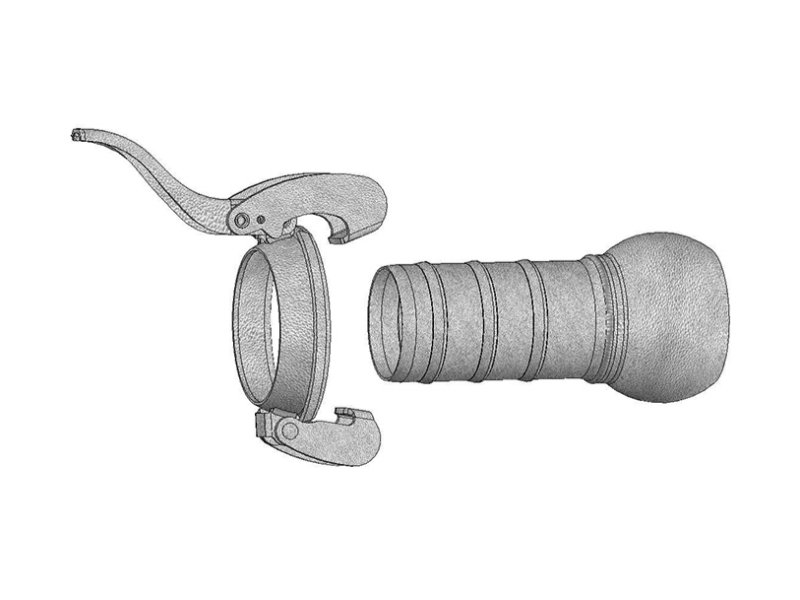
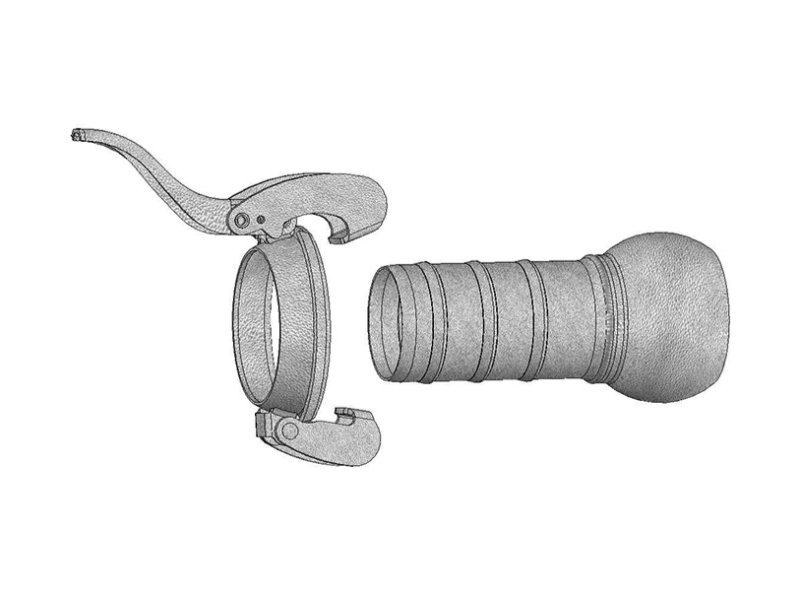
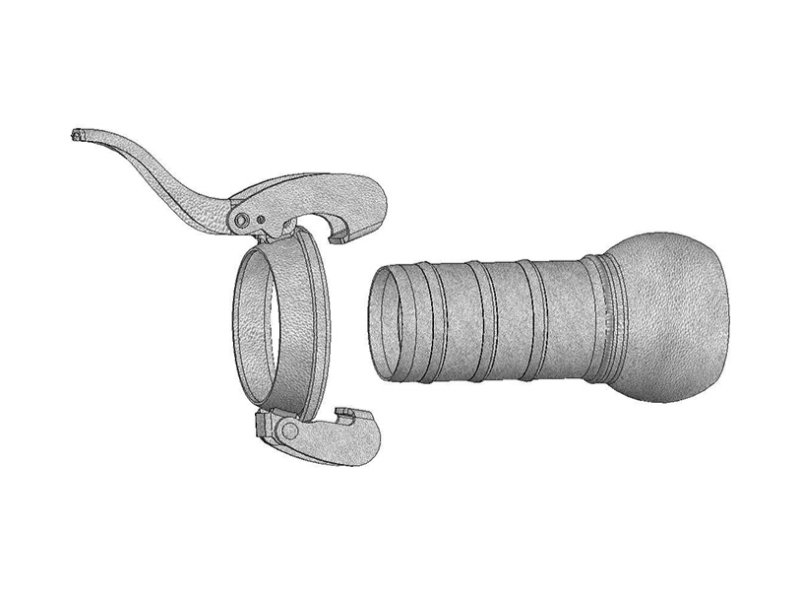
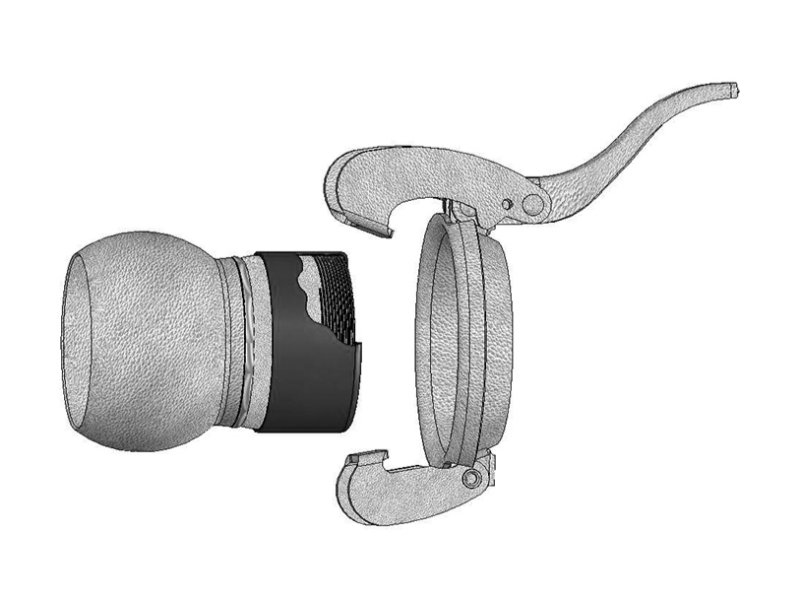
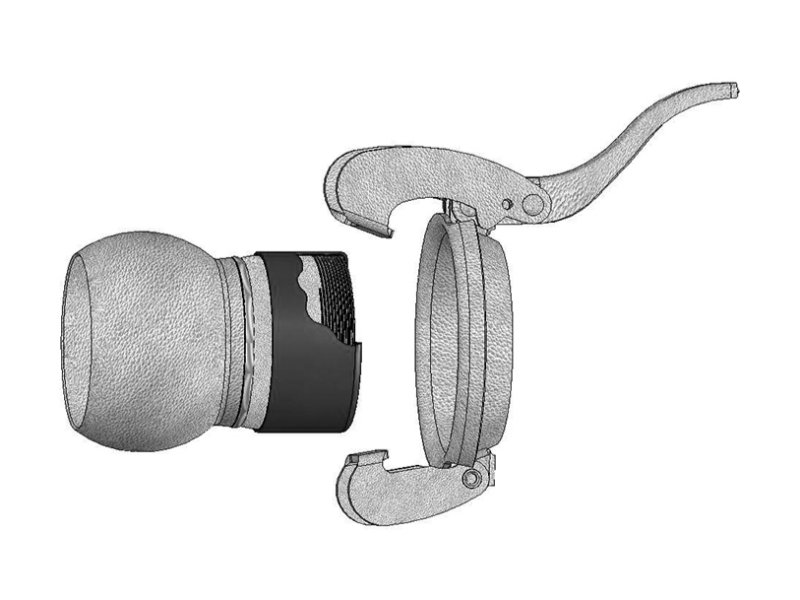
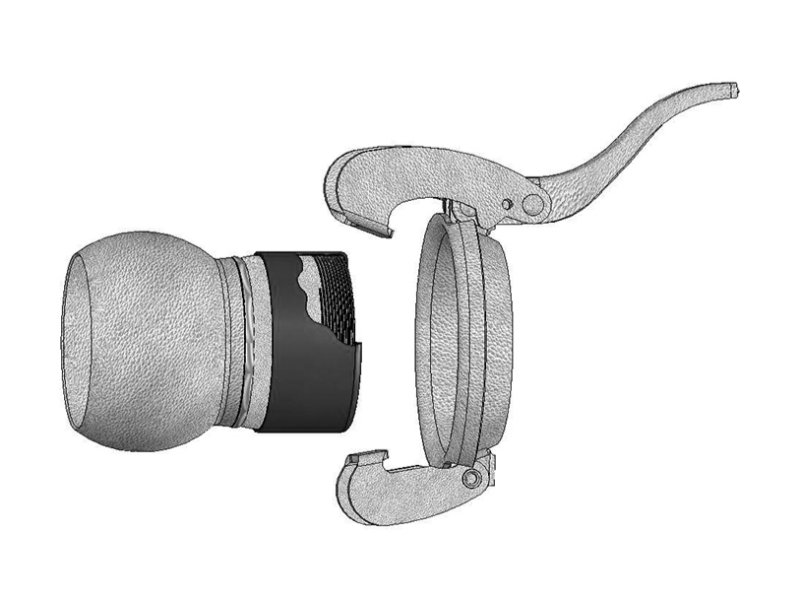
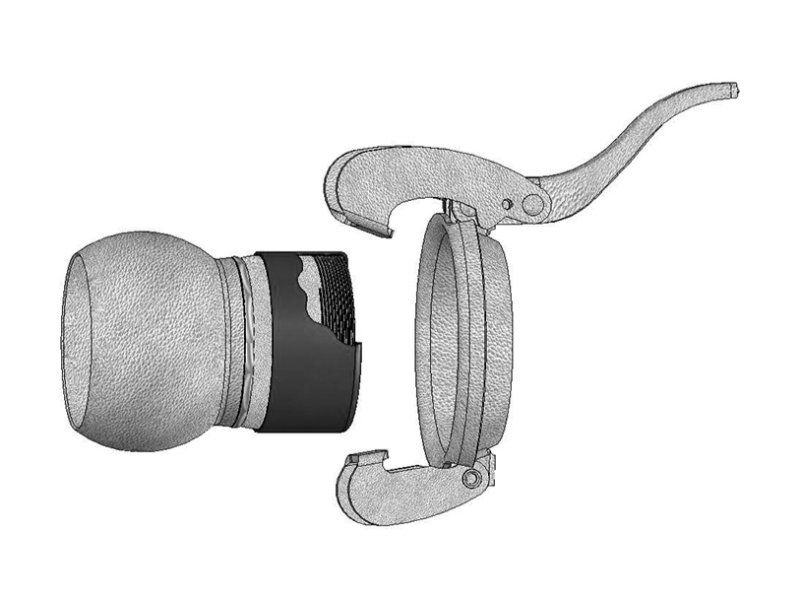
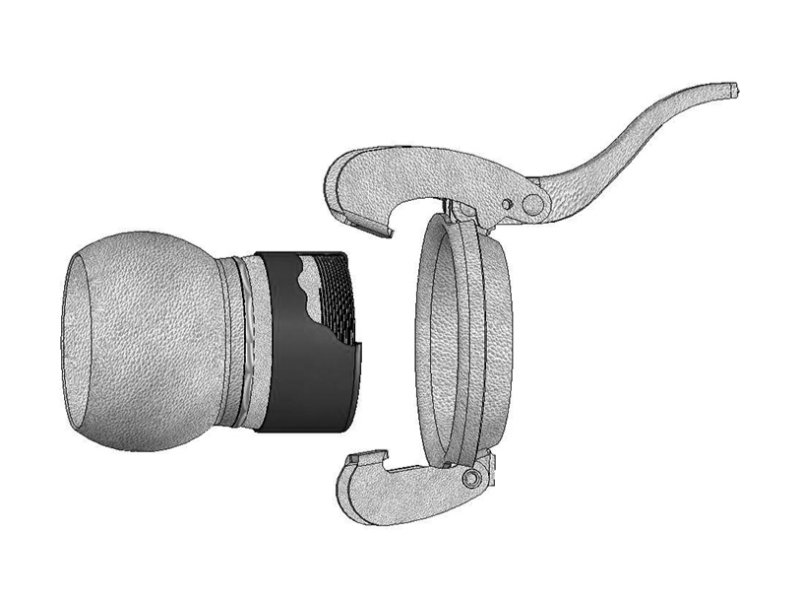
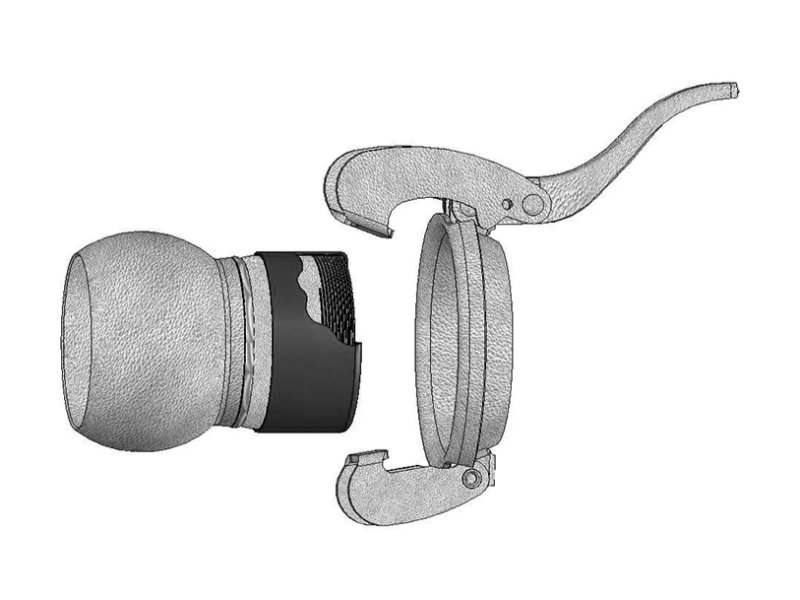
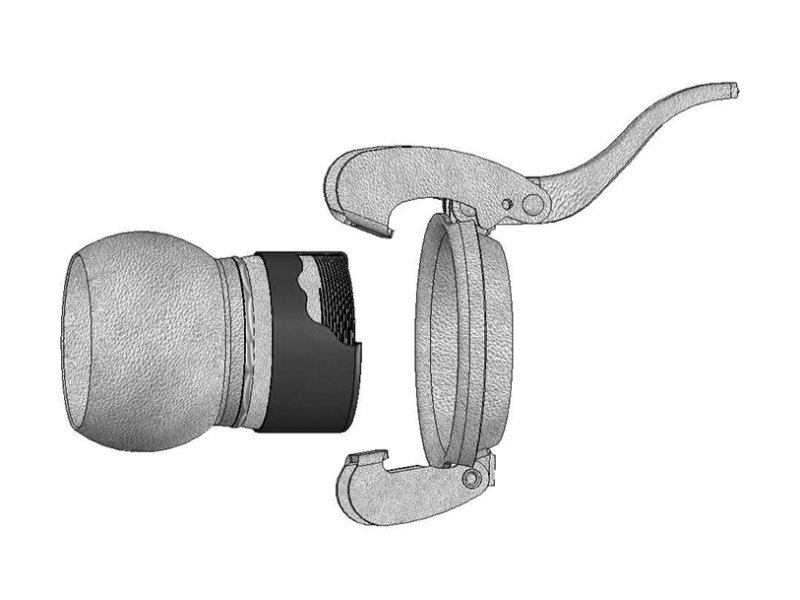
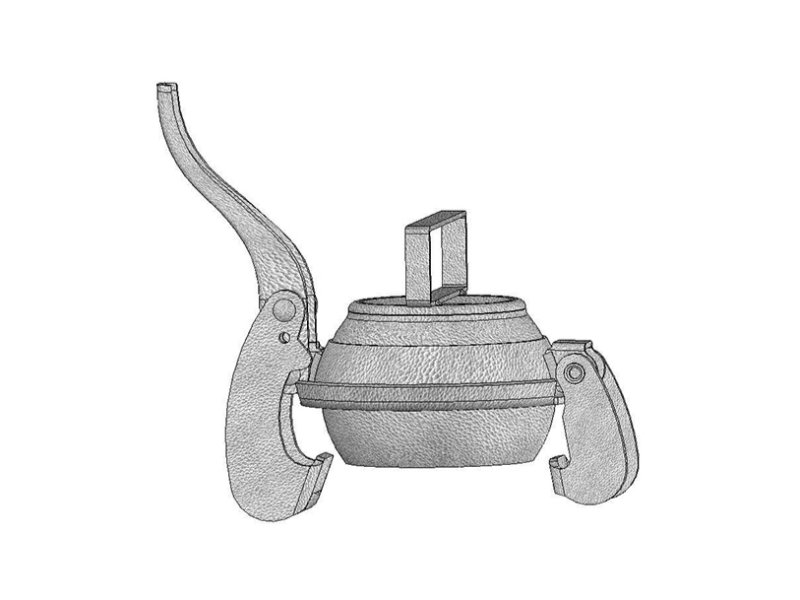
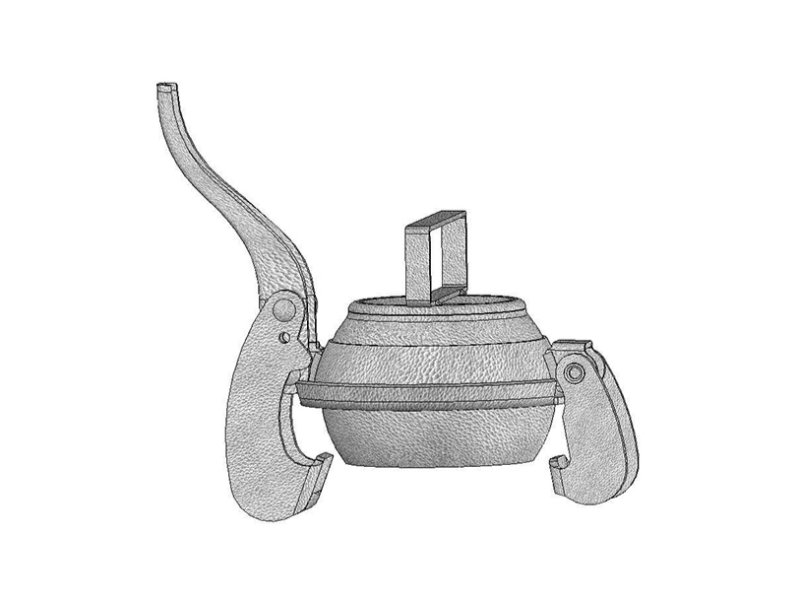
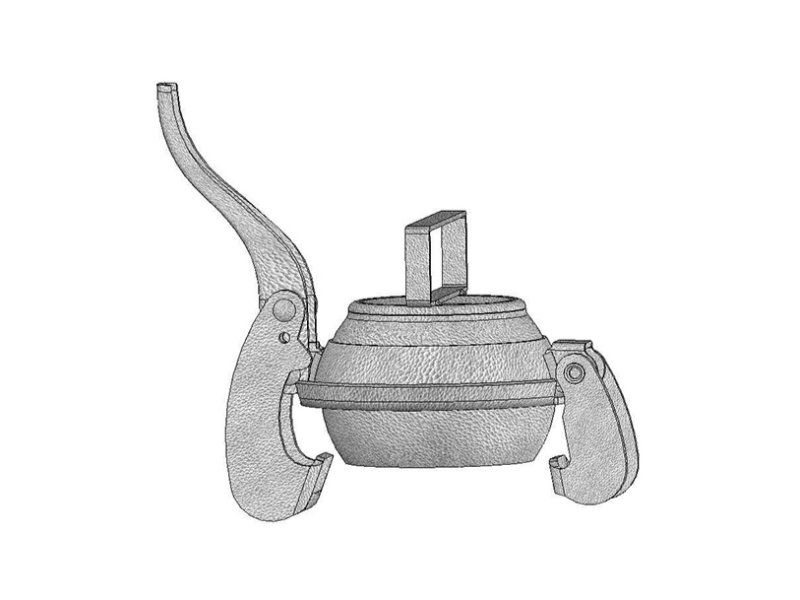
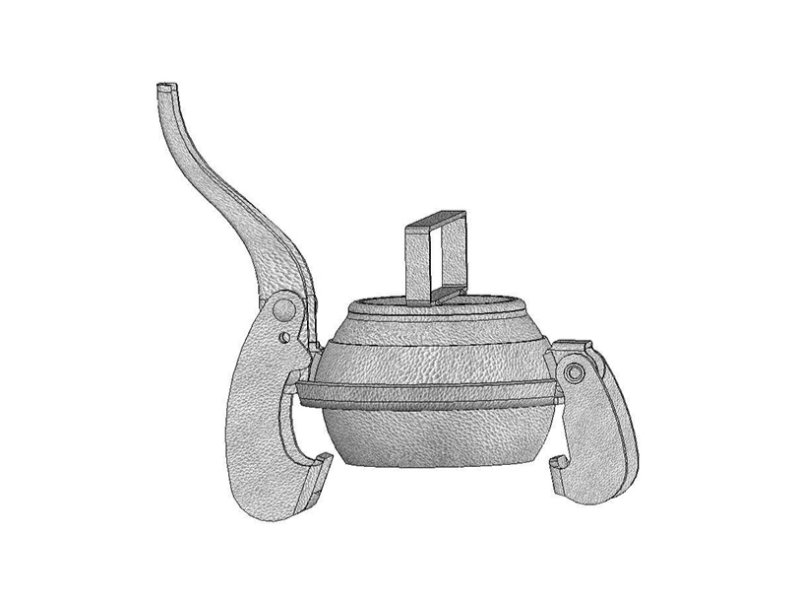
Galv Male Coupling 108mm x 100mm Hose Tail c/w Lever Ring
$175.23 Add to cart -
 Flexible Hose Couplings
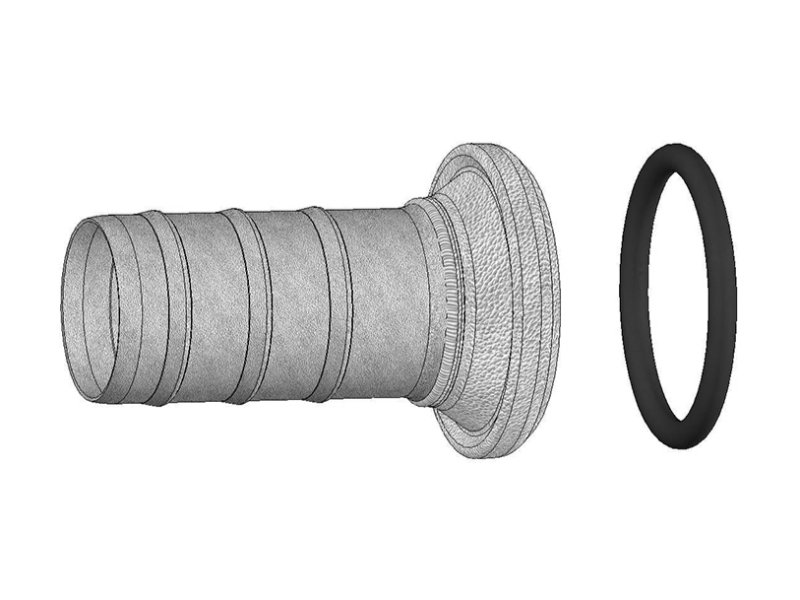
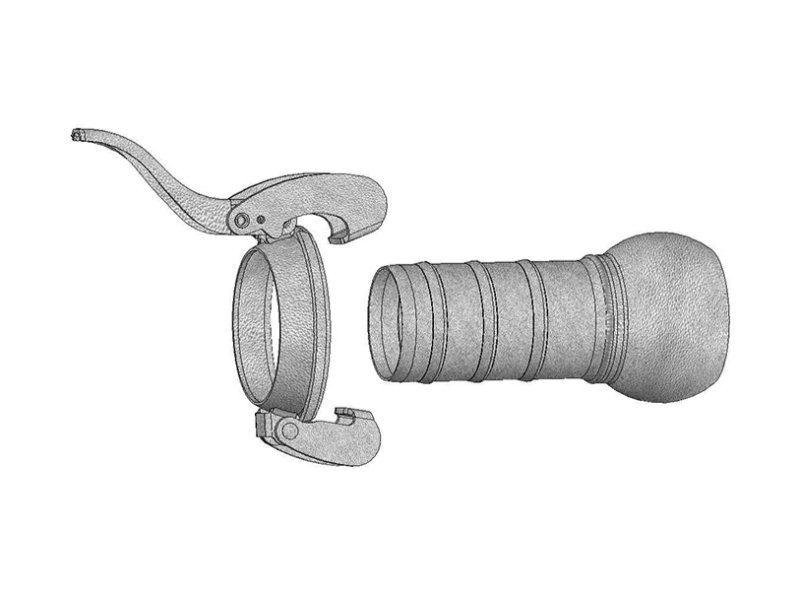
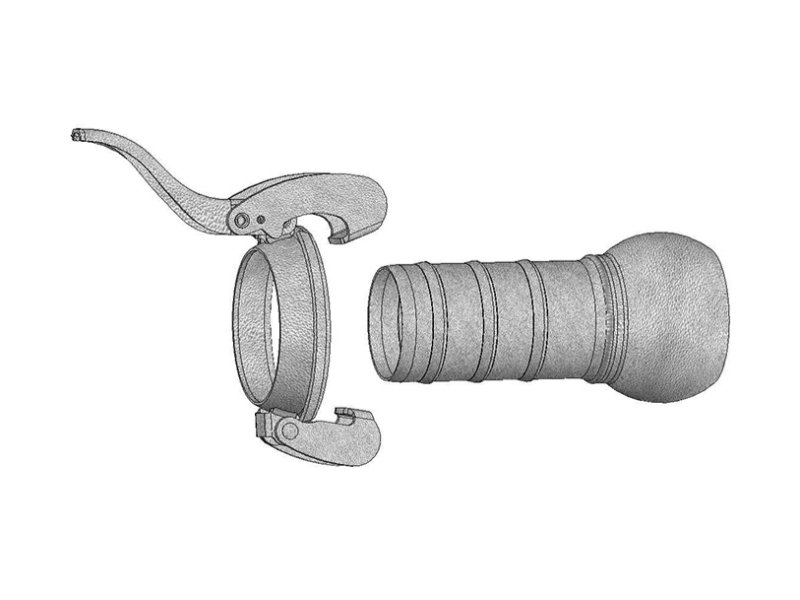
Galv Male Coupling 108mm x 108mm Hose Tail c/w Lever Ring
$189.90 Add to cart -
 Flexible Hose Couplings
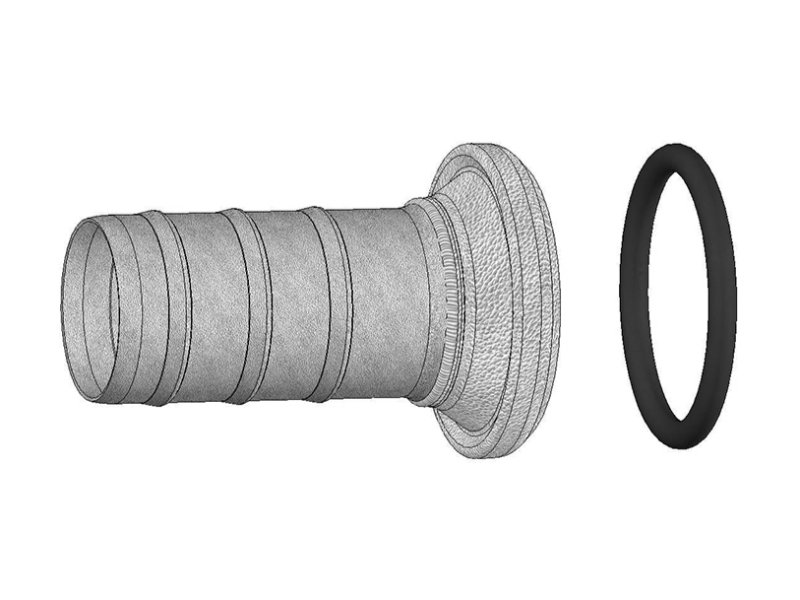
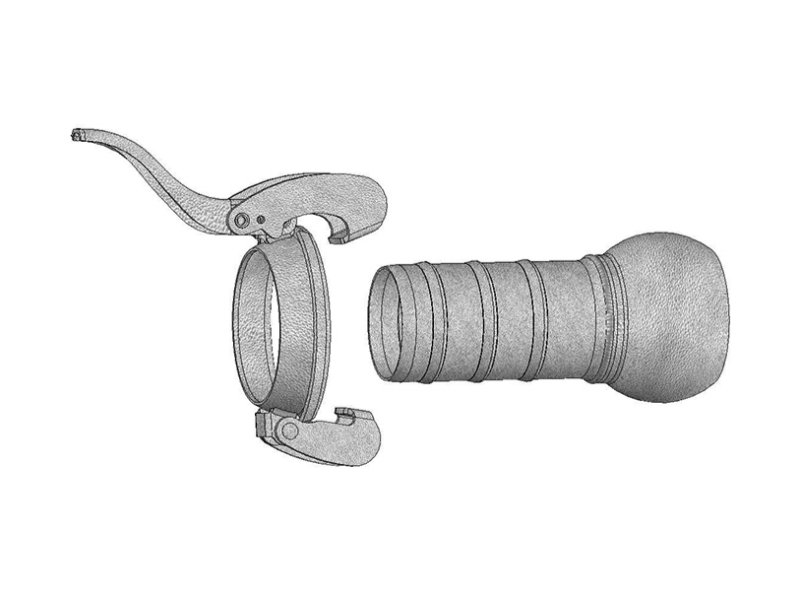
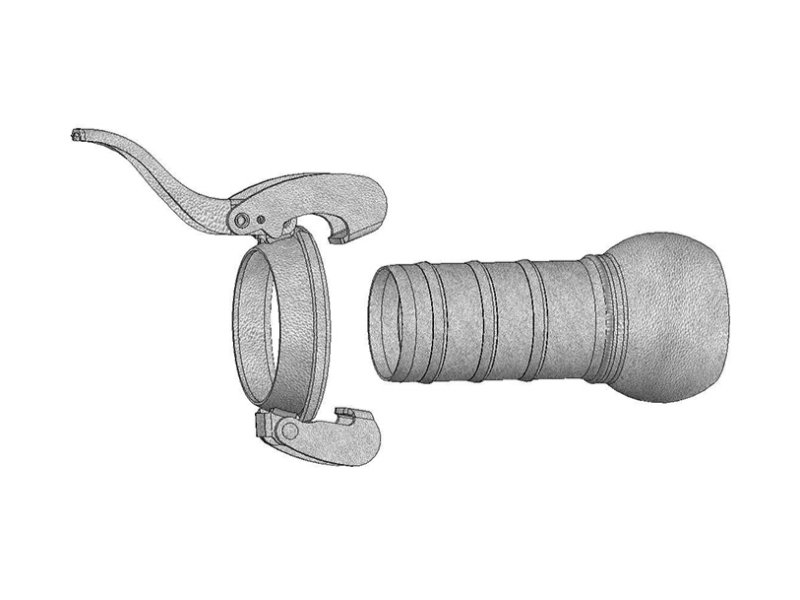
Galv Male Coupling 133mm x 125mm Hose Tail c/w Lever Ring
$246.32 Add to cart -
 Flexible Hose Couplings
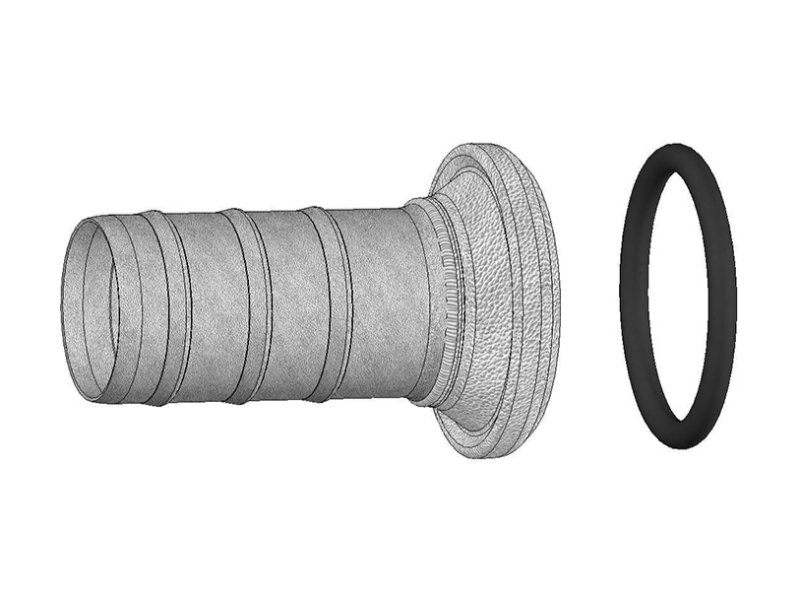
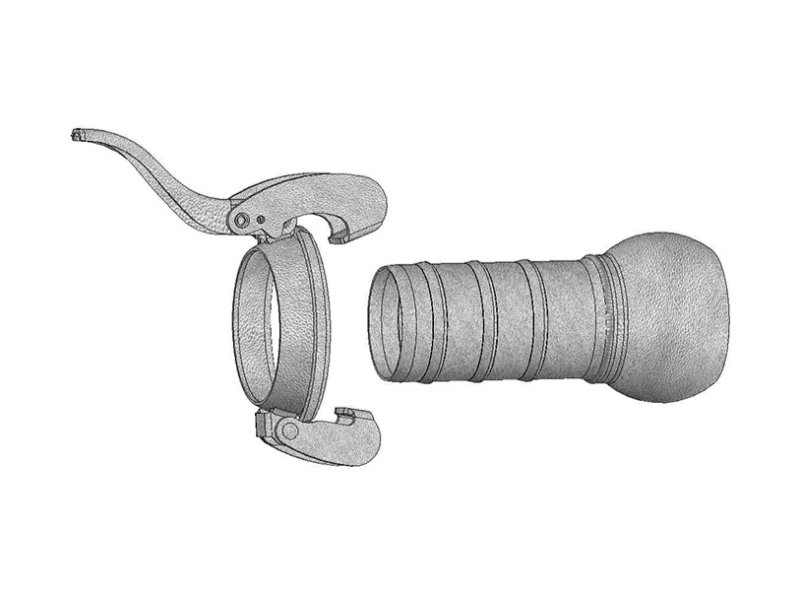
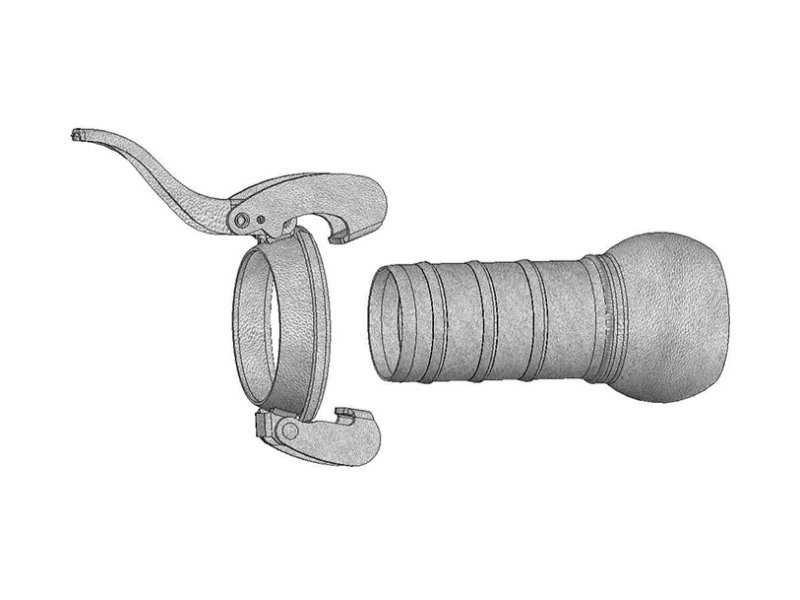
Galv Male Coupling 159mm x 100mm Hose Tail c/w Lever Ring
$397.48 Add to cart -
 Flexible Hose Couplings
Galv Male Coupling 159mm x 150mm Hose Tail c/w Lever Ring
$317.70 Add to cart -
-
-
-
-
-
-
-
-
-
-
-
-
-
-
-