-

Camlock Fittings168 Products
-
Controllers198 Products
-
Dripline128 Products
-
Electrical86 Products
-
Filtration466 Products
-
Fittings2,636 Products
-
Flow Meters279 Products
-
Injectors & Sensors5 Products
-
Irrigators52 Products
-
Pipe106 Products
-
Sprinklers1,509 Products
-
Uncategorized1 Product
-
Valves1,085 Products
-
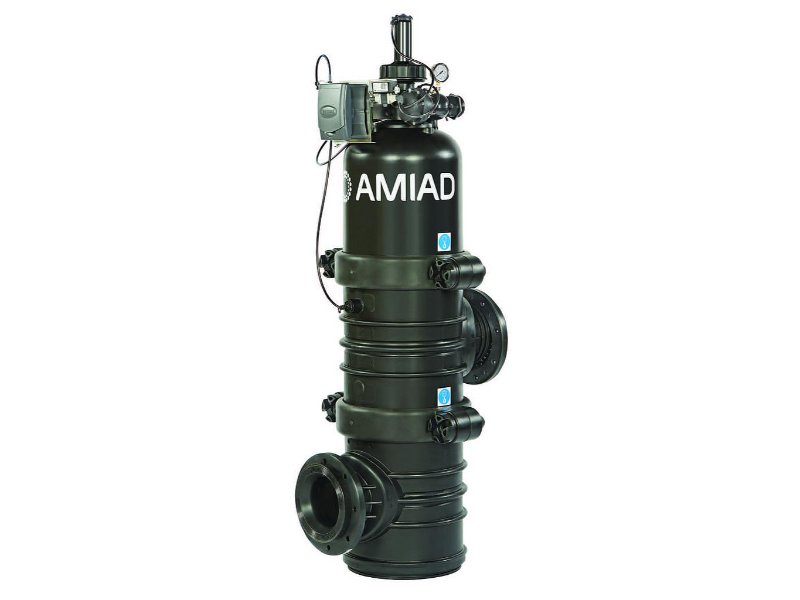 Amiad & Arkal Self Cleaning
Amiad Sigma 8000 Filter 150mm 130mic Electronic AC Control
$48,938.40 Add to cart -
Amiad & Arkal Self Cleaning
Amiad Sigma 8000 Filter 150mm 500mic Electronic AC Control
$48,938.40 Read more -
Amiad & Arkal Self Cleaning
Amiad Sigma 8000 Filter 200mm 100mic Electronic AC Control
$50,977.27 Read more -
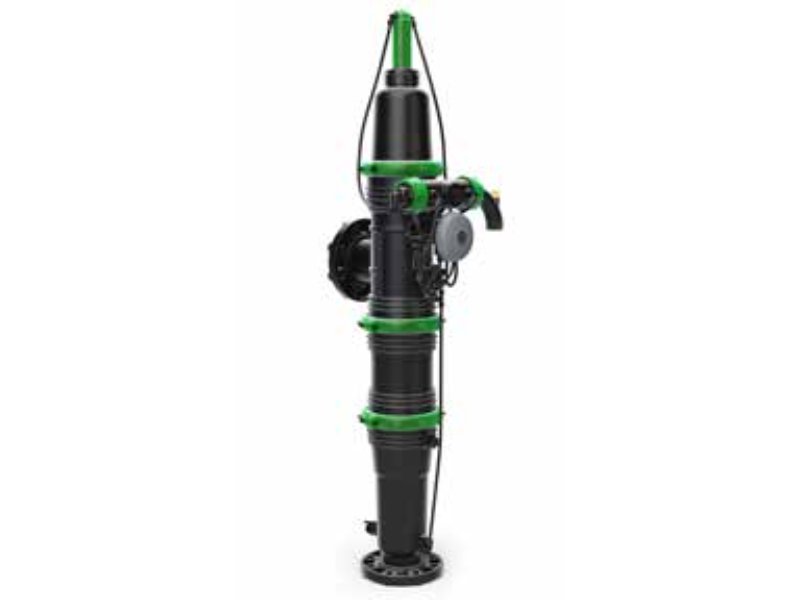 Amiad & Arkal Self Cleaning
Amiad Sigma Mini Angle 100mm 130 Micron Electronic DC Control
$5,971.72 Add to cart -
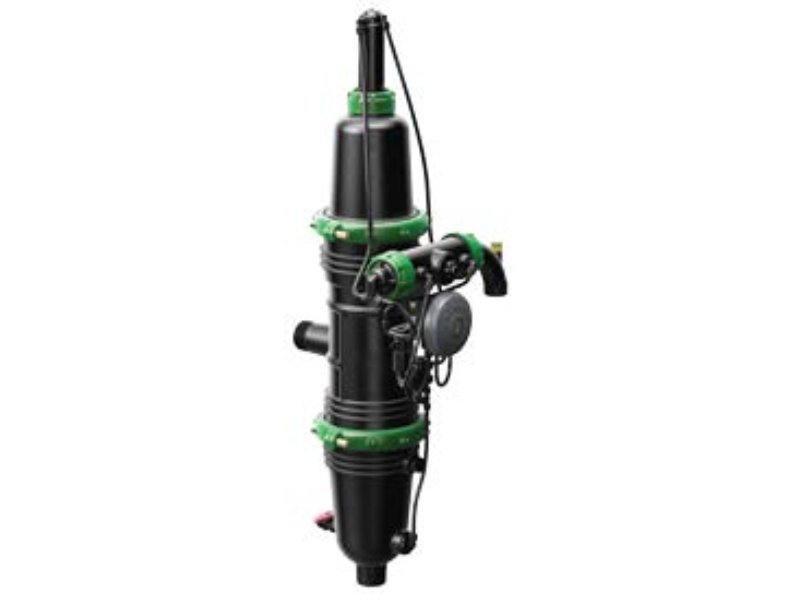 Amiad & Arkal Self Cleaning
Amiad Sigma Mini Angle 50mm 130 Micron Electronic DC Control
$4,979.15 Add to cart -
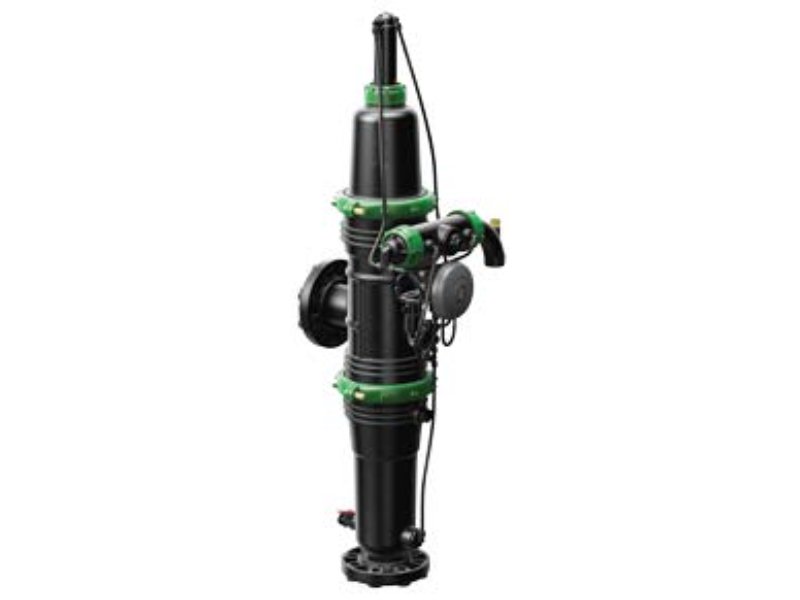 Amiad & Arkal Self Cleaning
Amiad Sigma Mini Angle 80mm 130 Micron Electronic DC Control
$5,259.08 Add to cart -
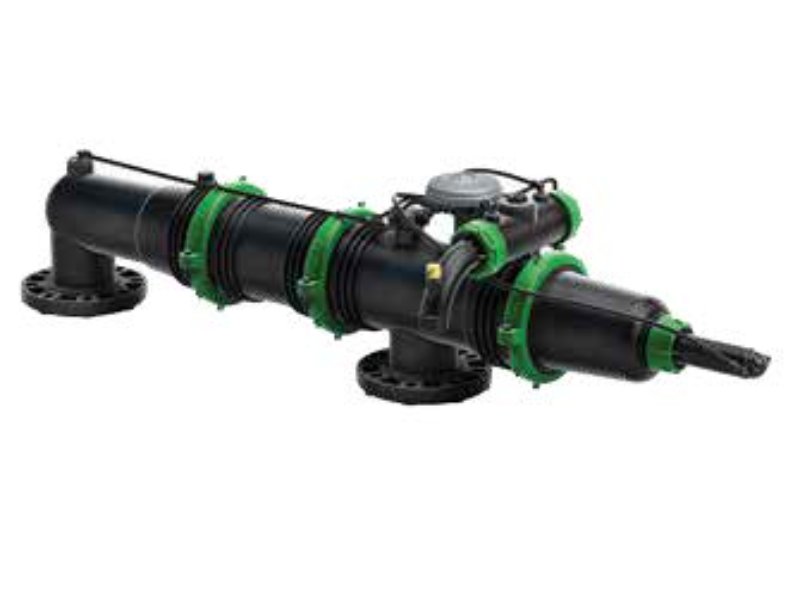 Amiad & Arkal Self Cleaning
Amiad Sigma Mini On-line 100mm 130 Micron Electronic DC Control
$5,971.72 Add to cart -
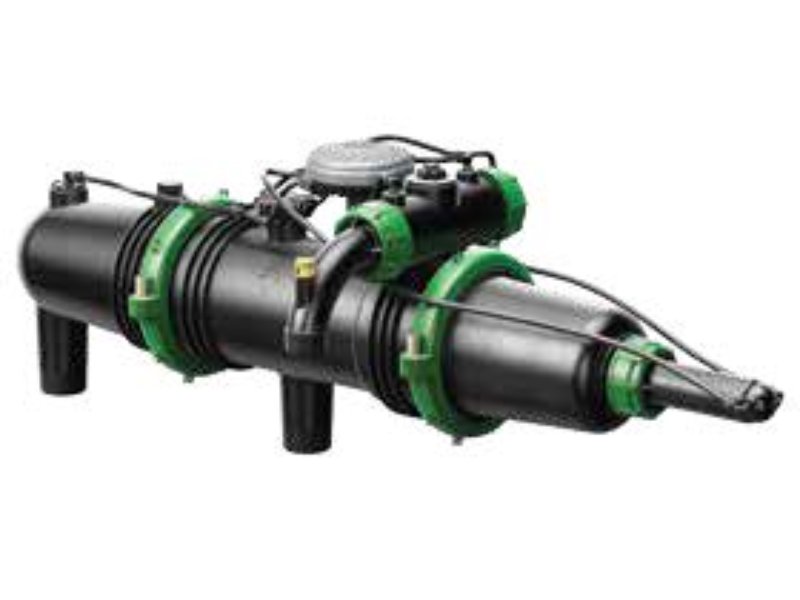 Amiad & Arkal Self Cleaning
Amiad Sigma Mini On-line 50mm 130 Micron Electronic DC Control
$7,201.99 Add to cart -
Amiad & Arkal Self Cleaning
Amiad Sigma Mini On-line 80mm 130 Micron Electronic DC Control
$7,539.56 Read more
Drip irrigation supports more sustainable farming by delivering water straight to the roots of crops through a network of tubes and emitters. This targeted approach reduces evaporation and runoff compared with traditional overhead sprinkling, allowing growers to maintain soil moisture levels with less overall volume. In regions facing water scarcity, the technique helps stretch limited supplies while supporting consistent yields of vegetables, fruits, and field crops. Farmers often combine drip lines with soil sensors and timers so irrigation runs only when needed, further lowering energy use for pumping. The same systems can carry dissolved fertilizers directly to plants, improving nutrient uptake and cutting the amount that leaches into groundwater. Over time, the method also limits weed growth between rows because surface soil stays drier. Installation requires careful planning of emitter spacing and pressure regulation to match crop type and soil texture. Once in place, regular checks for clogs and leaks keep performance high. Many agricultural operations notice lower labor costs after switching, since manual watering decreases. By conserving water and supporting healthier soils, drip irrigation aligns with broader efforts to reduce the environmental footprint of food production.