-

Camlock Fittings168 Products
-
Controllers198 Products
-
Dripline128 Products
-
Electrical86 Products
-
Filtration466 Products
-
Fittings2,636 Products
-
Flow Meters279 Products
-
Injectors & Sensors5 Products
-
Irrigators52 Products
-
Pipe106 Products
-
Sprinklers1,509 Products
-
Uncategorized1 Product
-
Valves1,085 Products
-
-
Pivot Sprinkler Hardware
Sureline 19mm (3/4in ID) x 76m (250ft) Pivot Dropper Hose (0272060)
$1,142.12 Read more
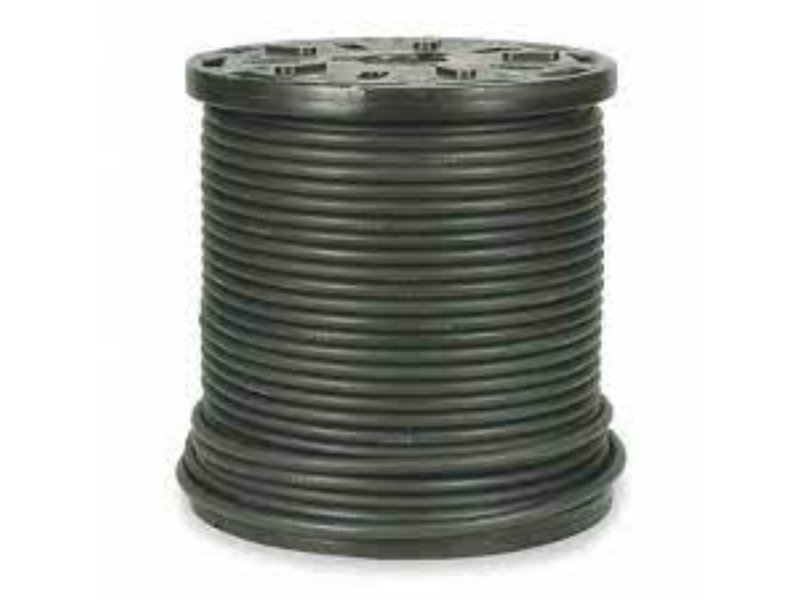
Drip irrigation delivers water straight to plant roots through a network of tubes and emitters, cutting down on waste from evaporation or surface runoff. In agricultural fields this targeted delivery keeps soil moisture steady, which supports stronger root development and steadier crop growth across varying weather conditions. Farmers commonly note that the approach works well on uneven terrain where traditional flooding methods would cause erosion. Because less water is required overall, the practice helps preserve local supplies during dry periods. It also makes it easier to apply nutrients in measured doses along the same lines, reducing the chance of excess fertilizer moving into nearby waterways. Setup usually starts with mapping field rows and choosing emitter spacing that matches the crop spacing. Once running, periodic checks keep lines free of sediment or algae. Over a full season the reduced need for hand watering or heavy equipment passes can lower operating effort. Many growers combine the system with soil sensors to adjust flow rates automatically, matching daily plant demand. In broader terms, these techniques fit into wider efforts to make farming more resource efficient while maintaining output levels on the same acreage.