-

Camlock Fittings168 Products
-
Controllers198 Products
-
Dripline128 Products
-
Electrical86 Products
-
Filtration466 Products
-
Fittings2,636 Products
-
Flow Meters279 Products
-
Injectors & Sensors5 Products
-
Irrigators52 Products
-
Pipe106 Products
-
Sprinklers1,509 Products
-
Uncategorized1 Product
-
Valves1,085 Products
-
-
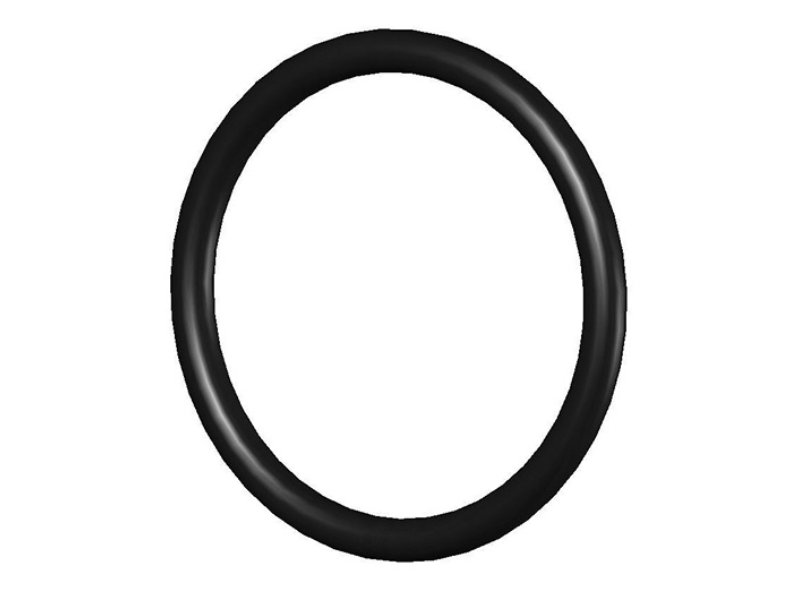 Flexible Hose Couplings
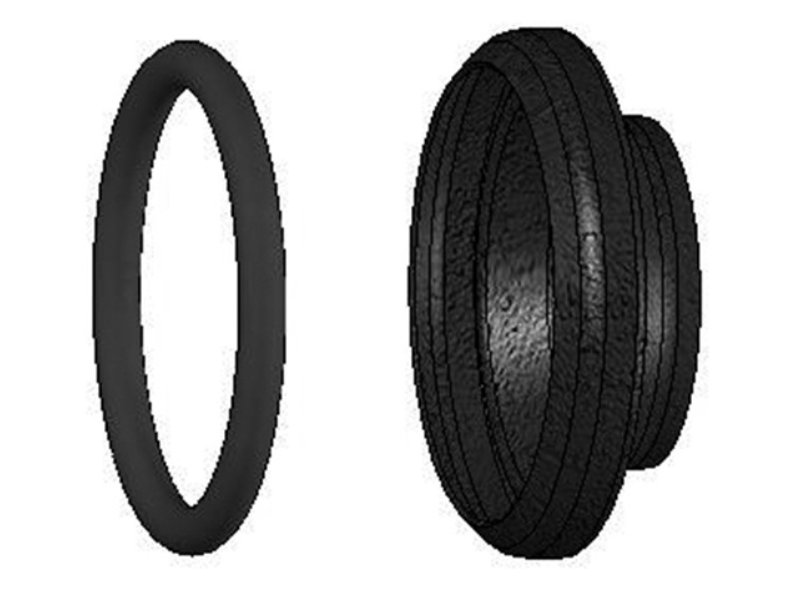
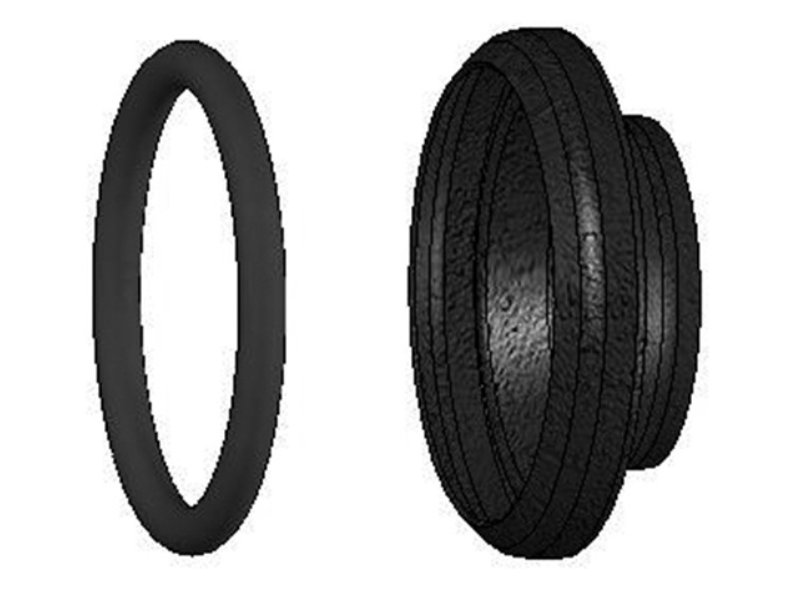
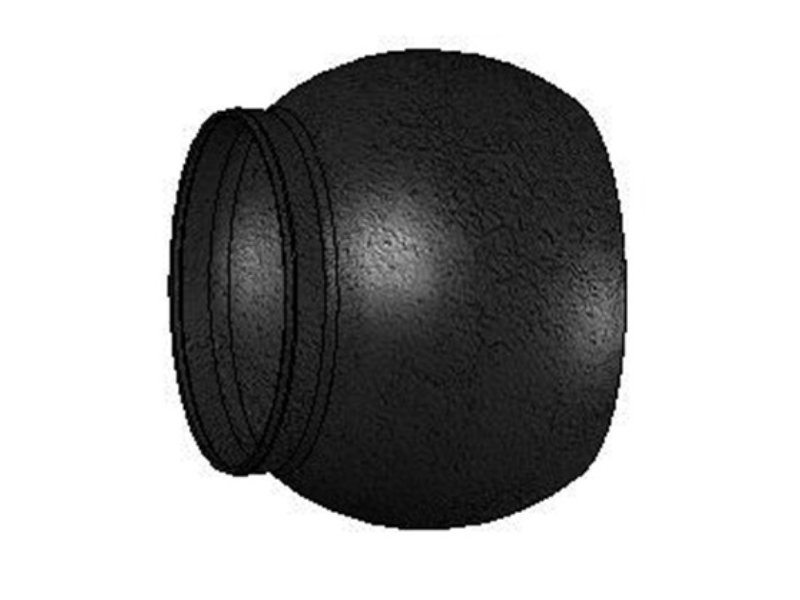
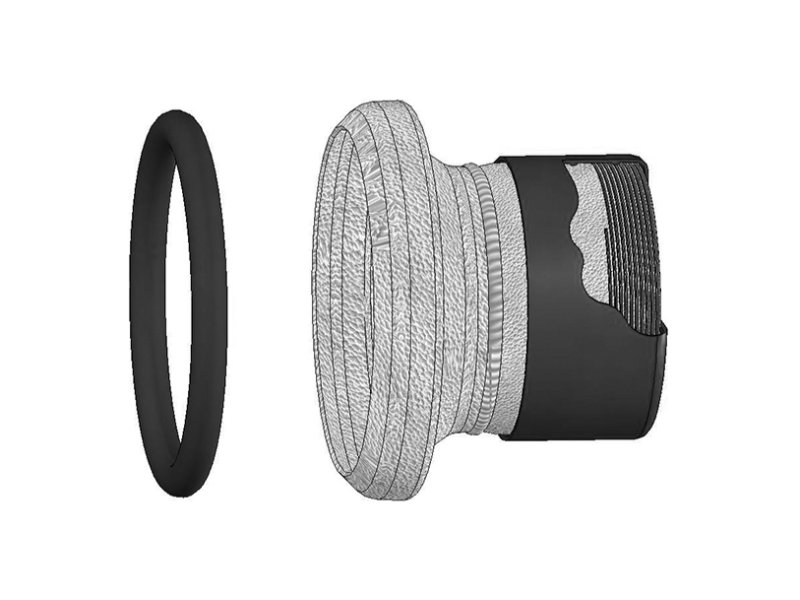
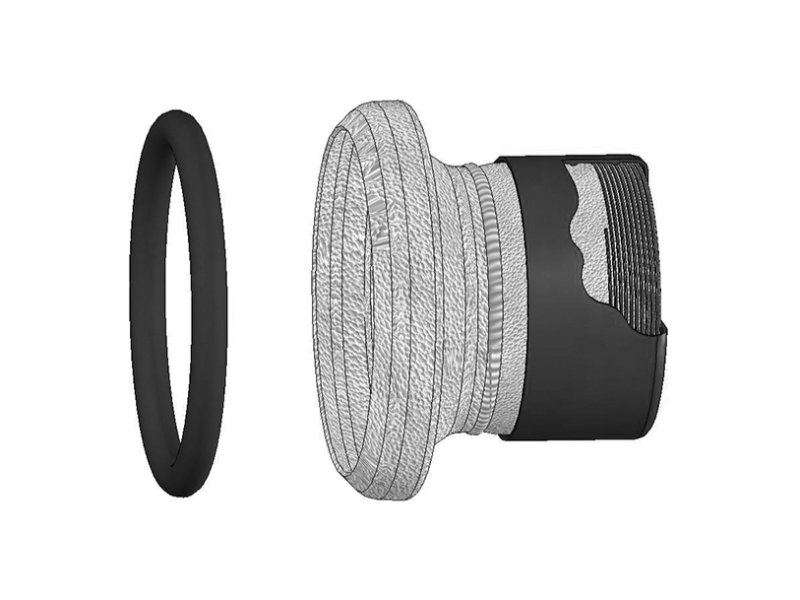
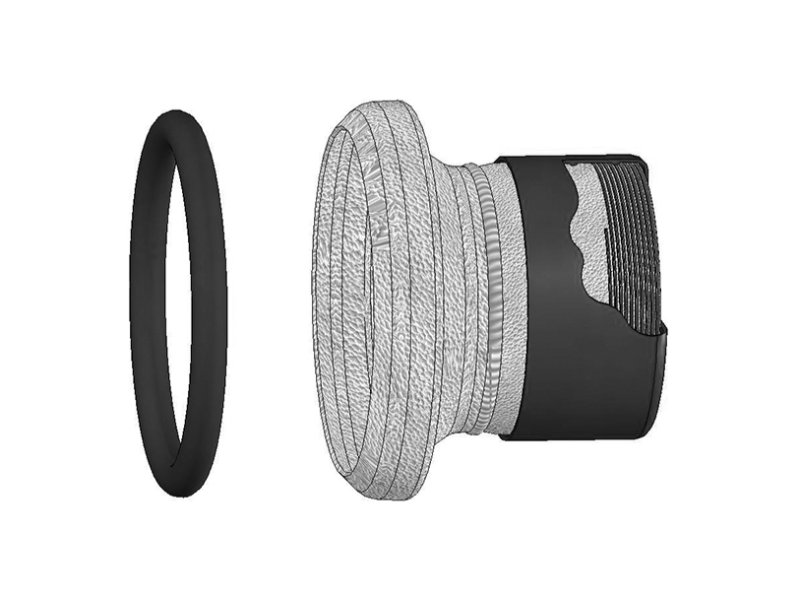
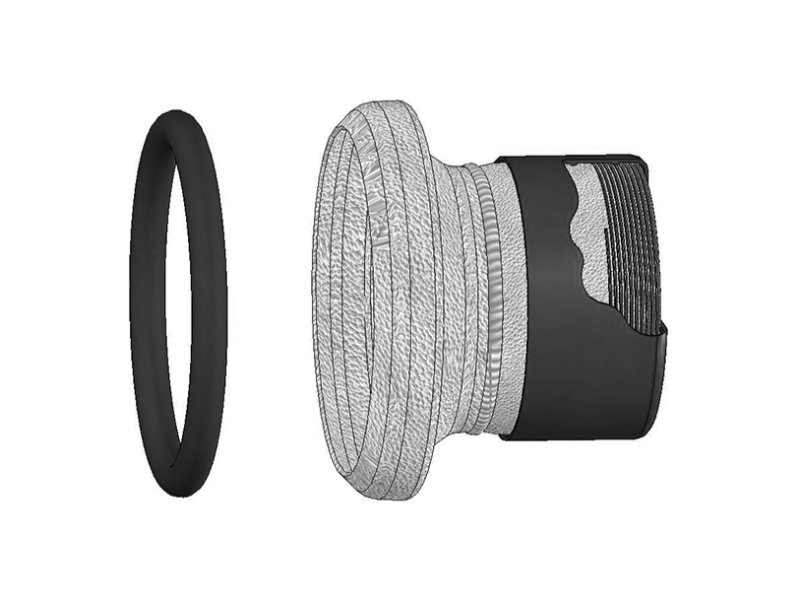
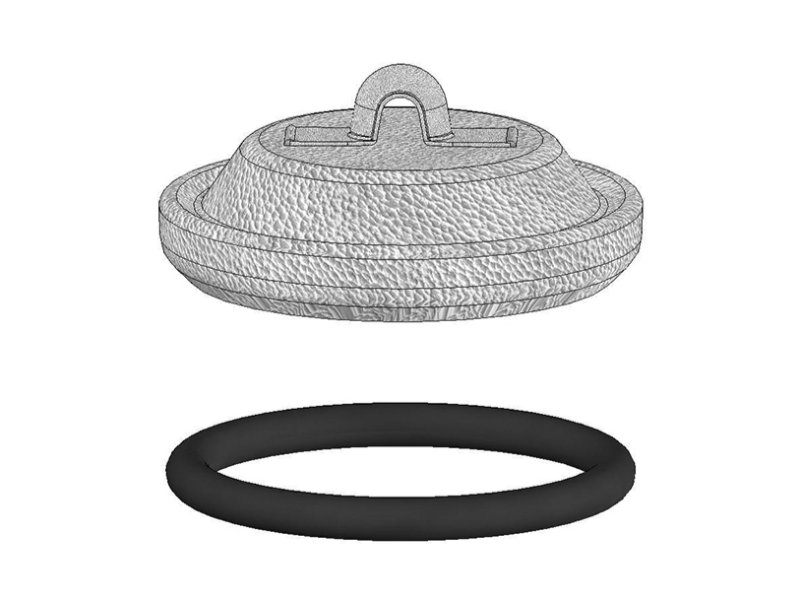
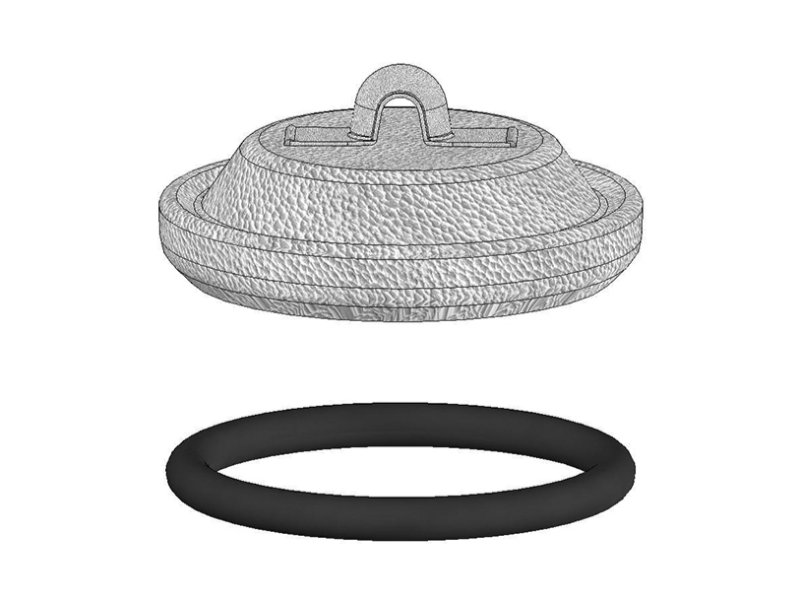
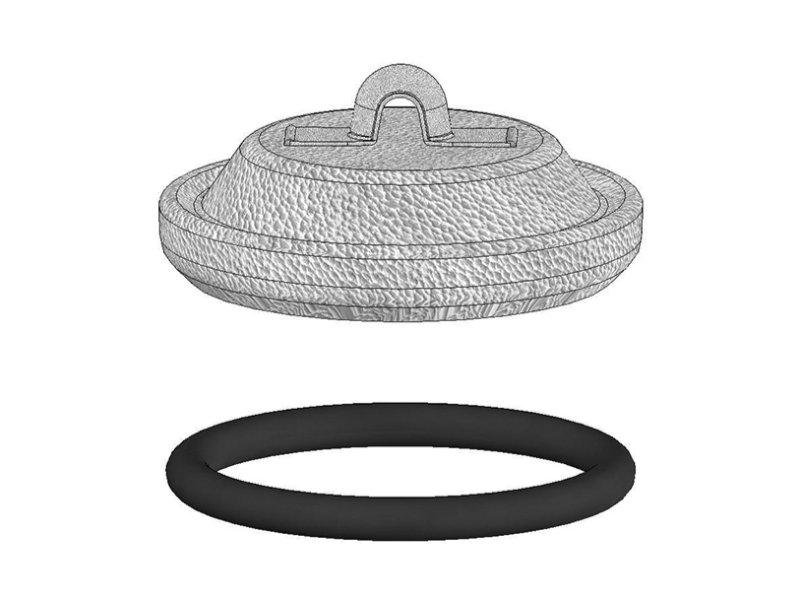
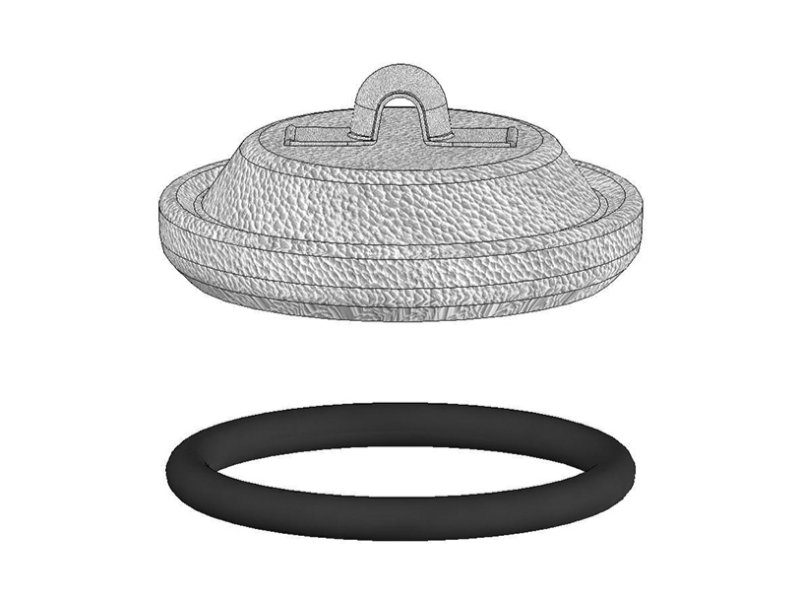
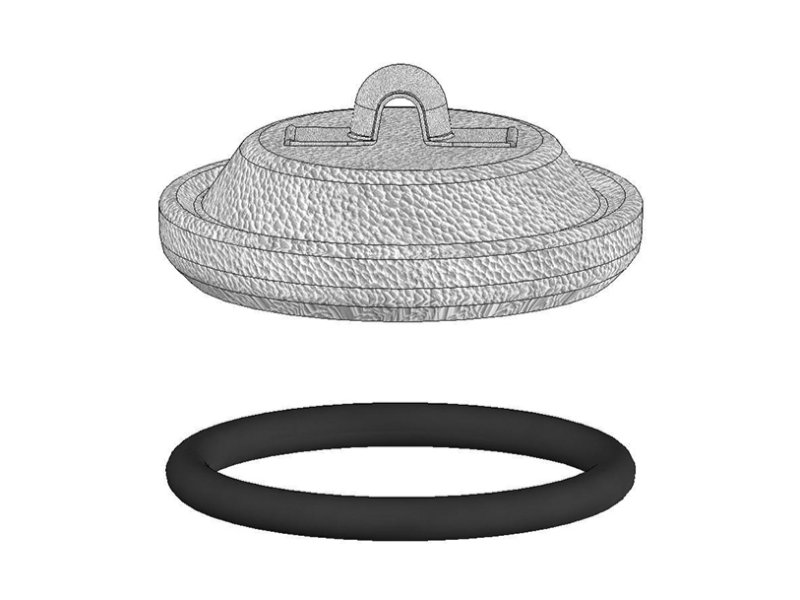
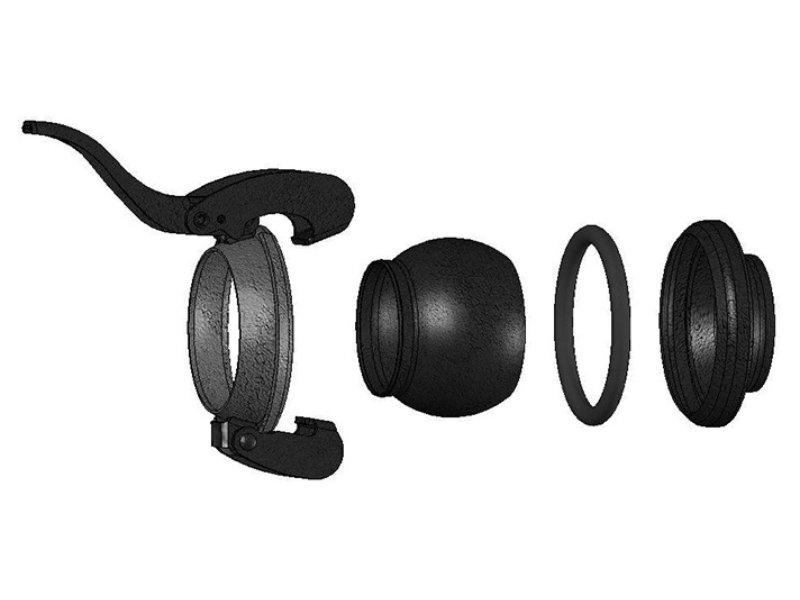
Bauer Style Gasket/O-Ring 133mm (152 ID x 188 OD x 18 CS)
$17.91 Add to cart -
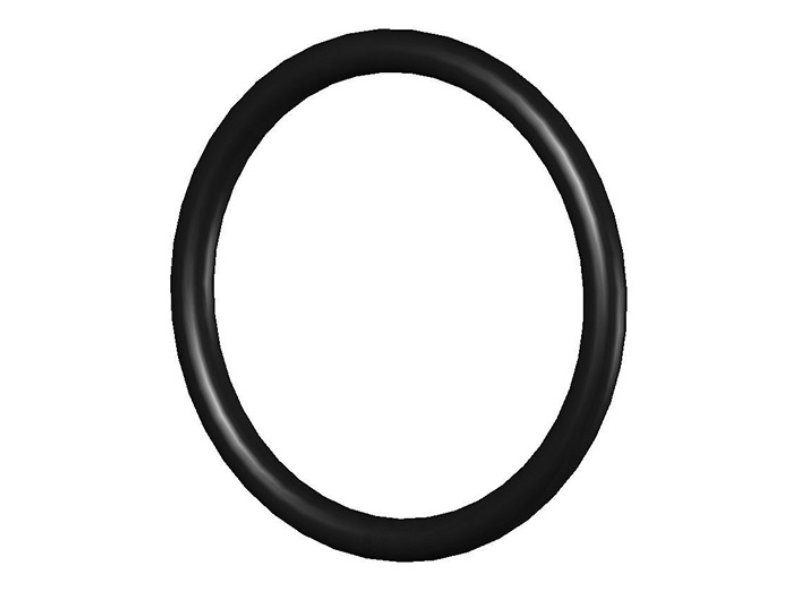 Flexible Hose Couplings
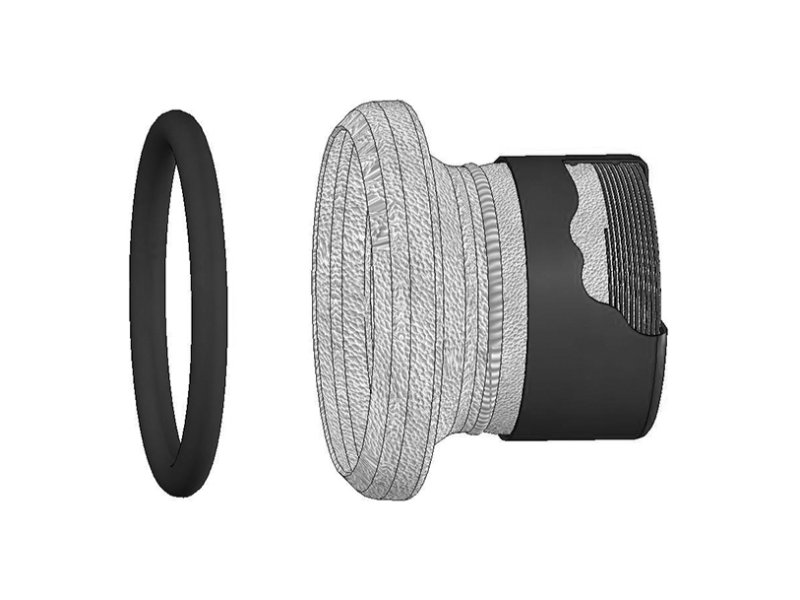
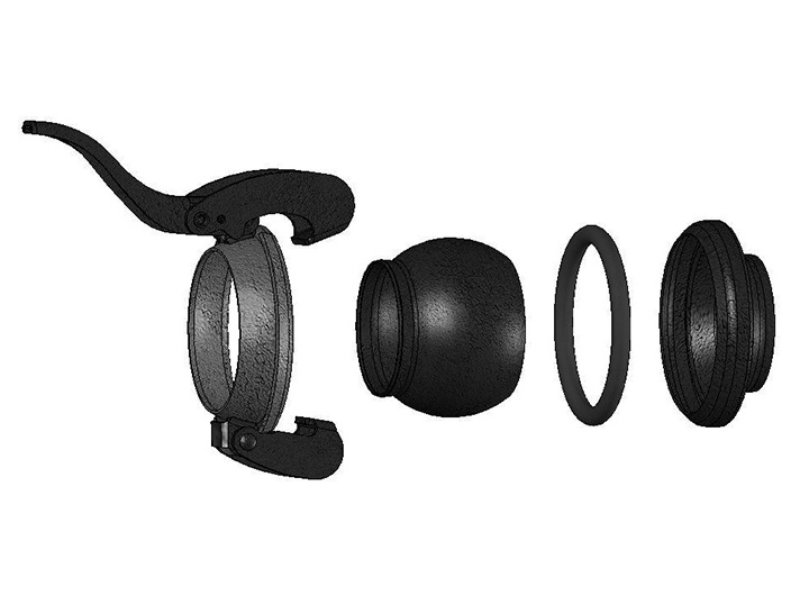
Bauer Style Gasket/O-Ring 159mm (170 ID x 208 OD x 19 CS)
$19.14 Add to cart -
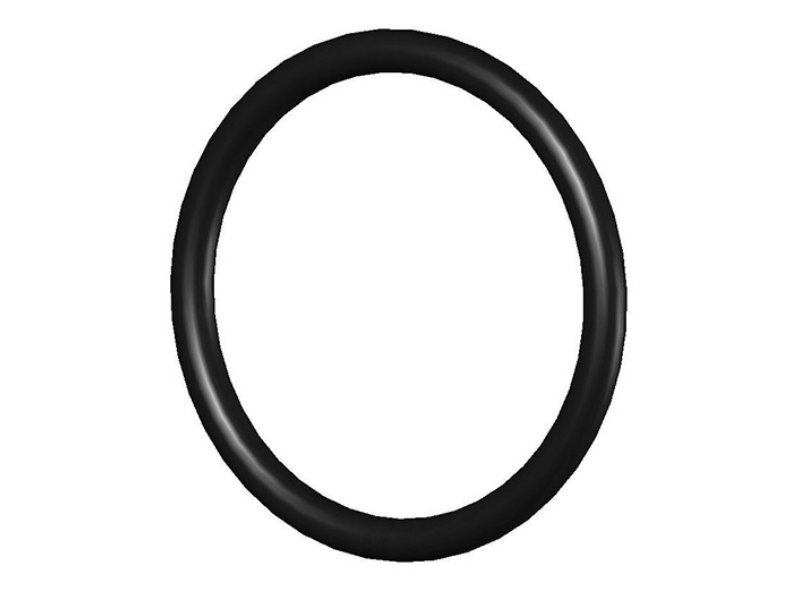 Flexible Hose Couplings
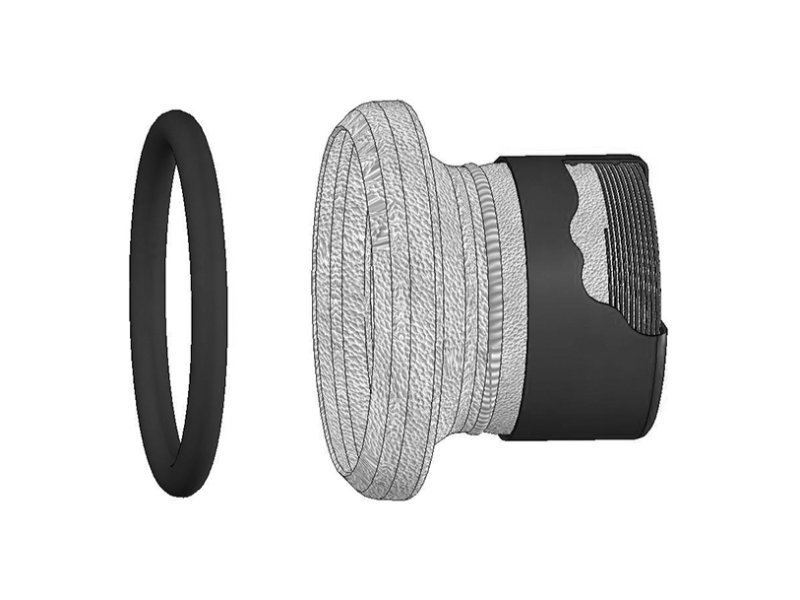
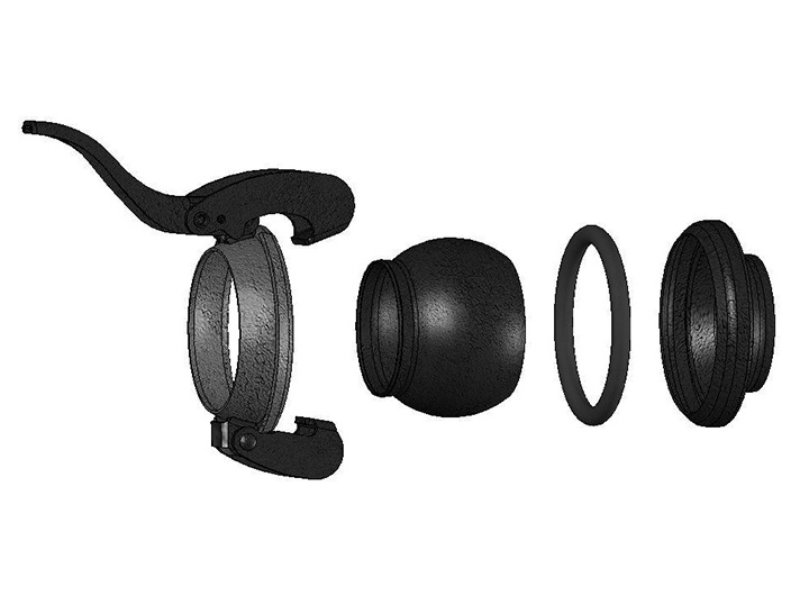
Bauer Style Gasket/O-Ring 76mm (88.5 ID x 114.5 OD x 13 CS)
$3.76 Add to cart -
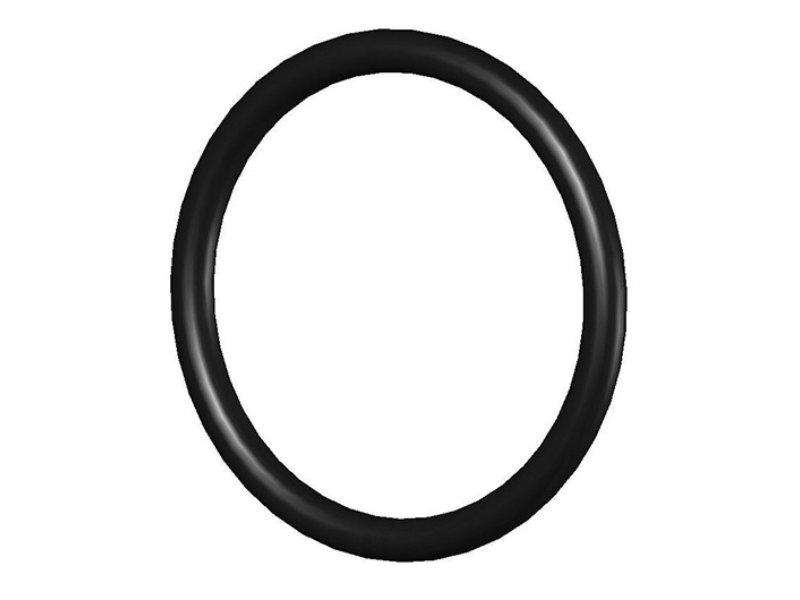
-
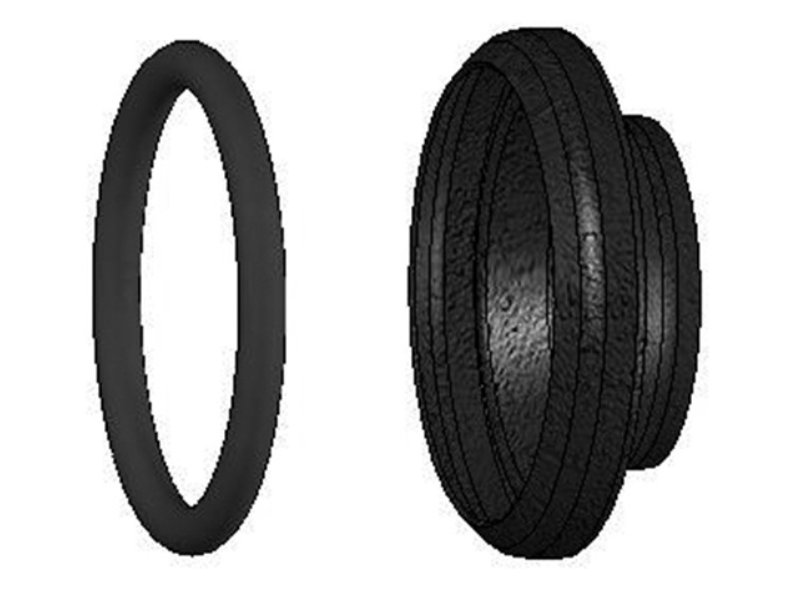
-
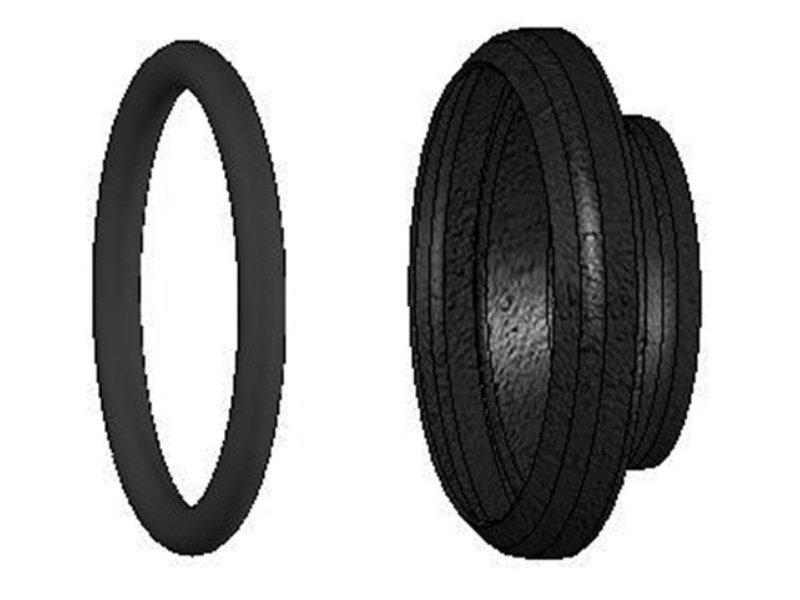
-
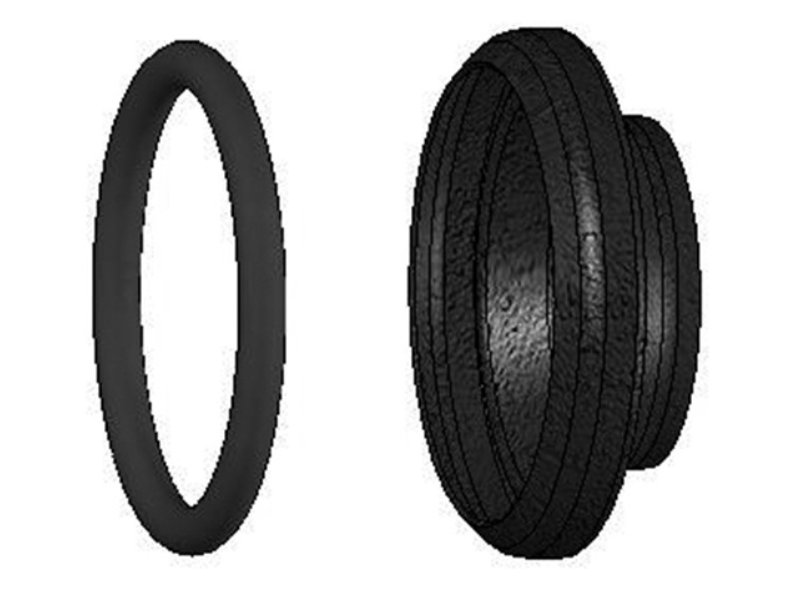
-
-
-
-
-
-
-
-
-
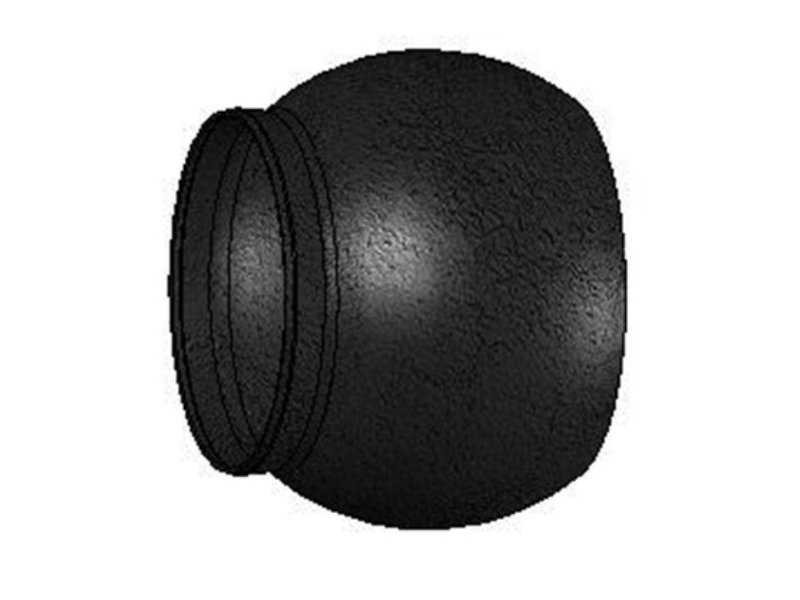
-
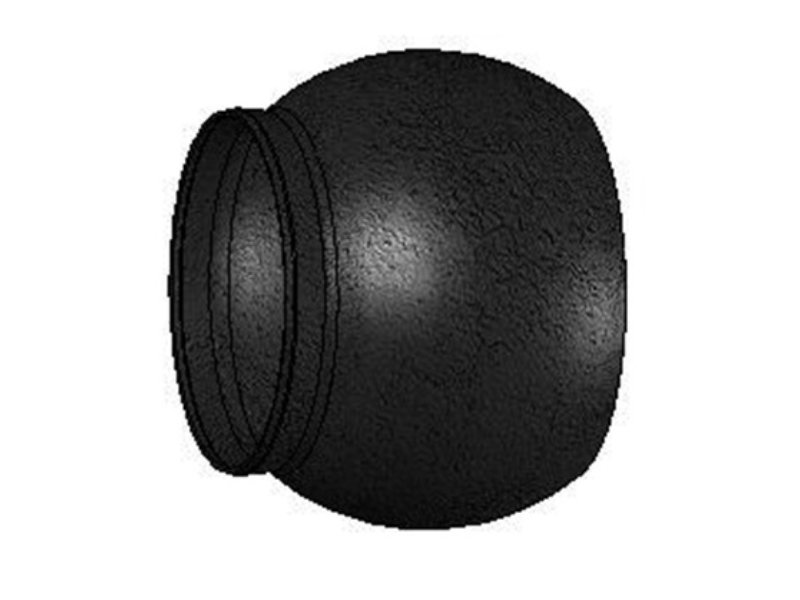
-
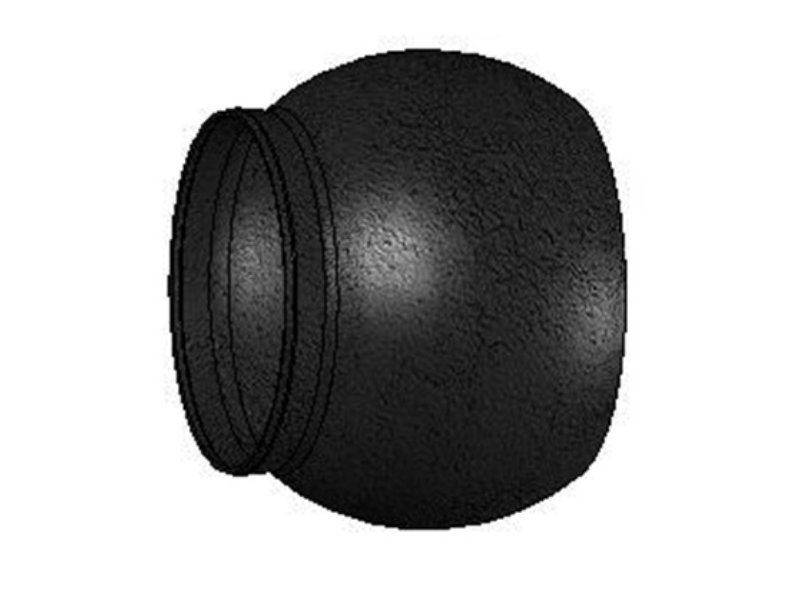
-
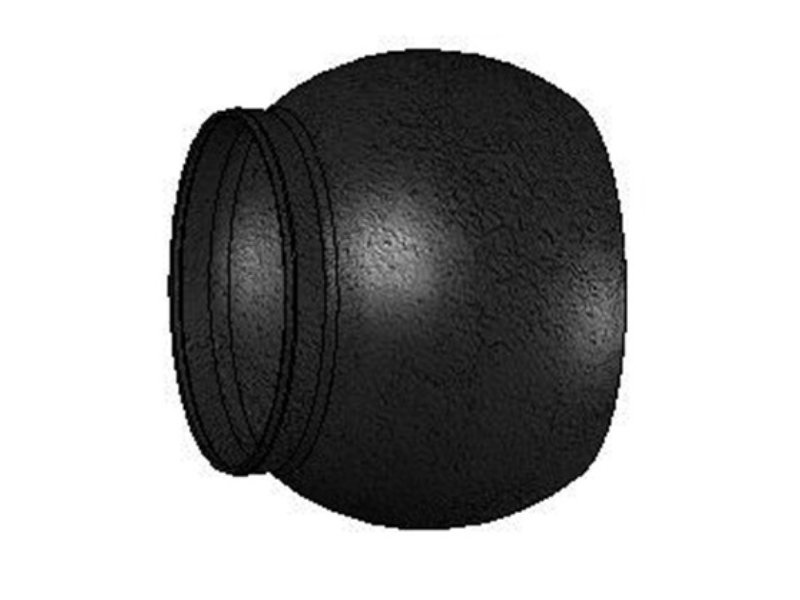
-
-
-
-
-
-
-
-
-
-
-
-
-
-
-
-
-
-
-
-
-
-
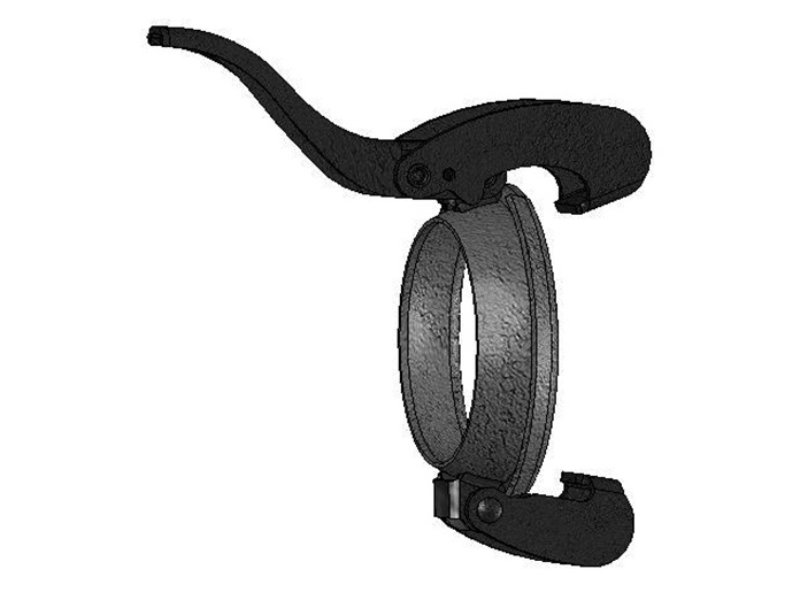
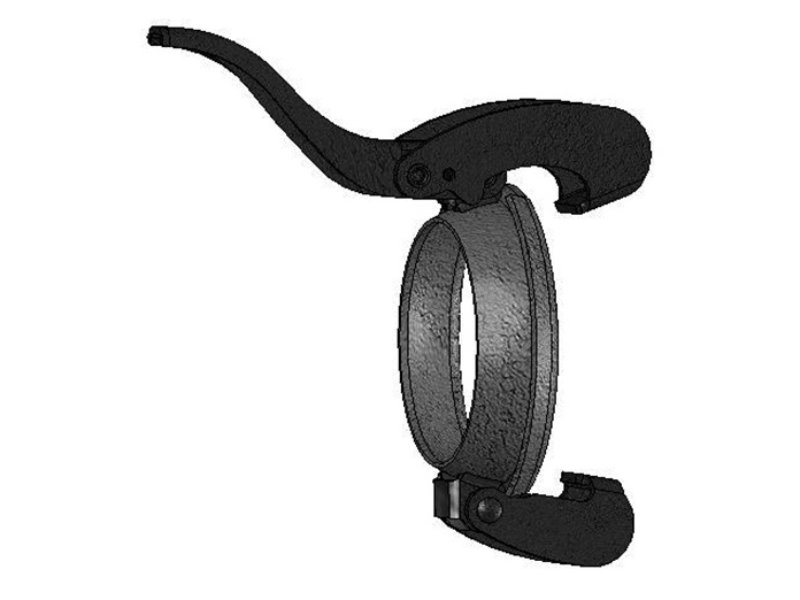
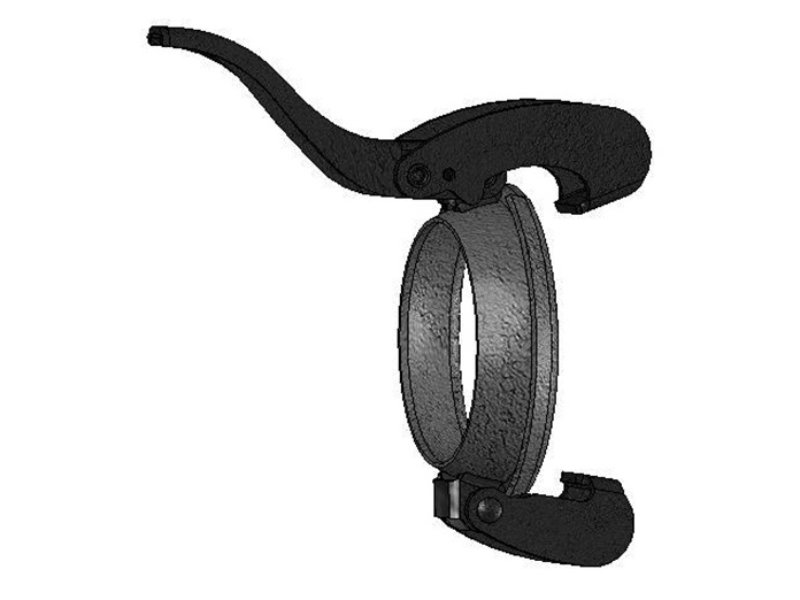
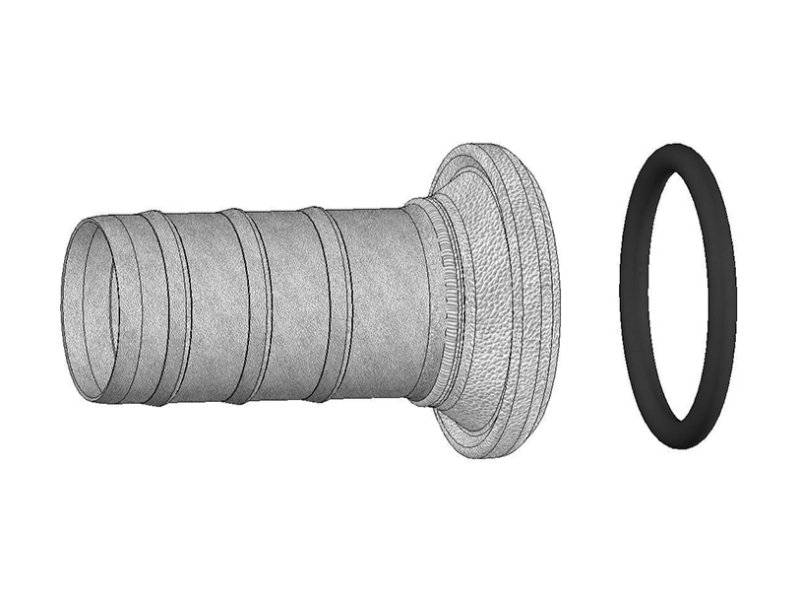
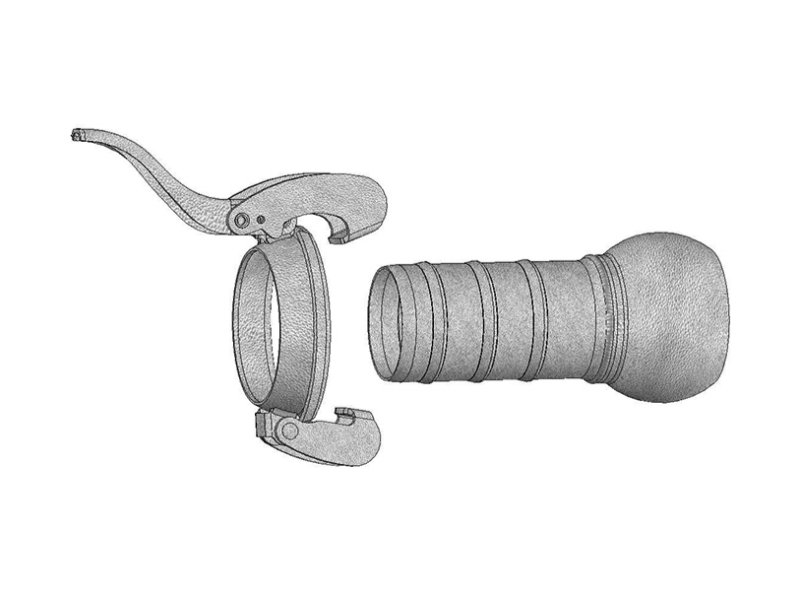
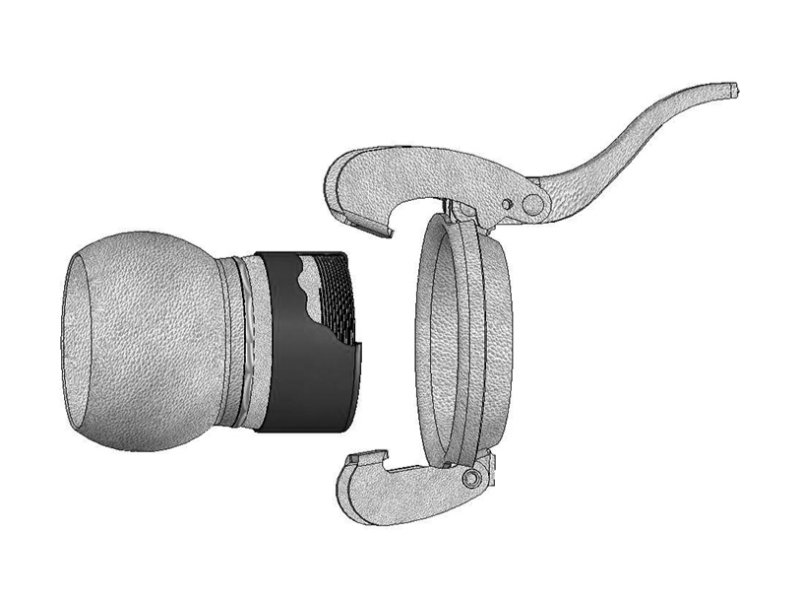
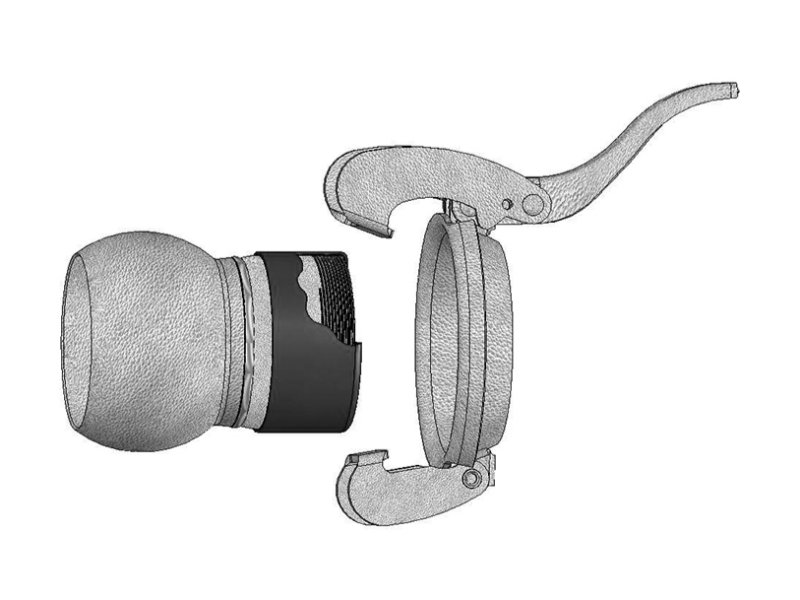
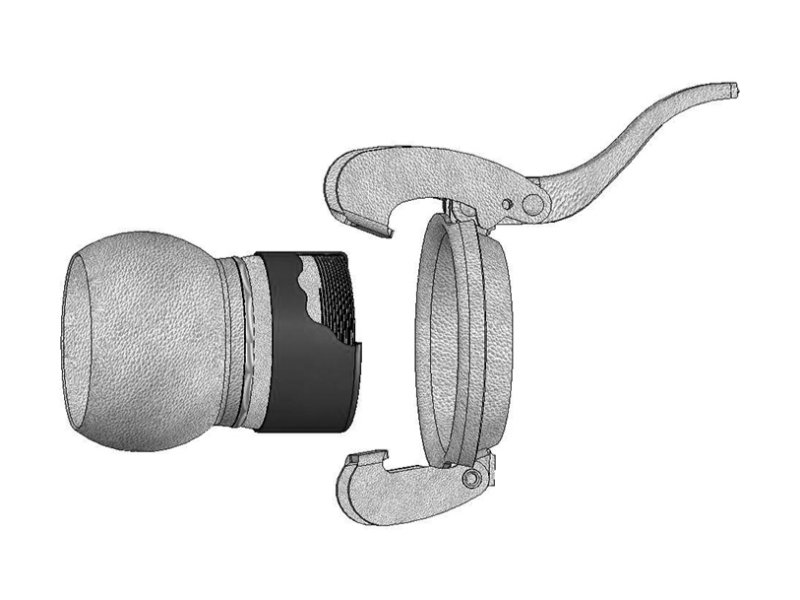
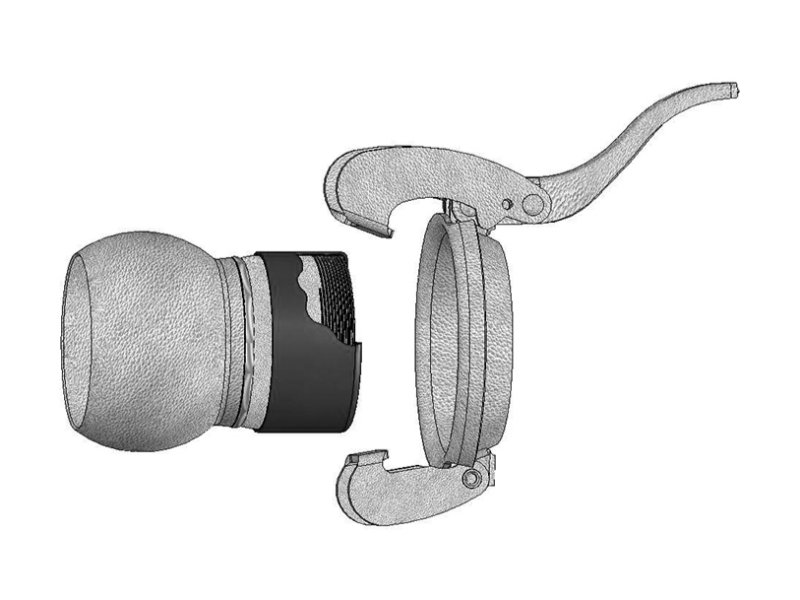
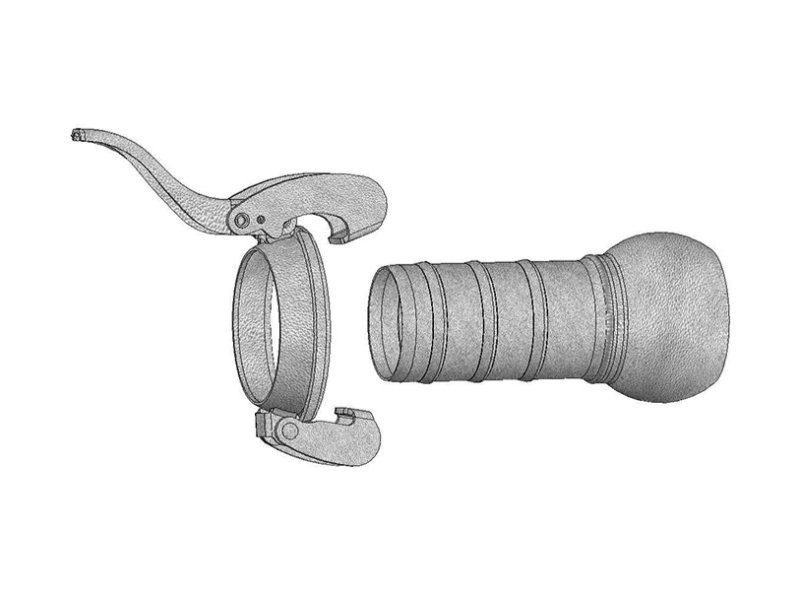 Flexible Hose Couplings
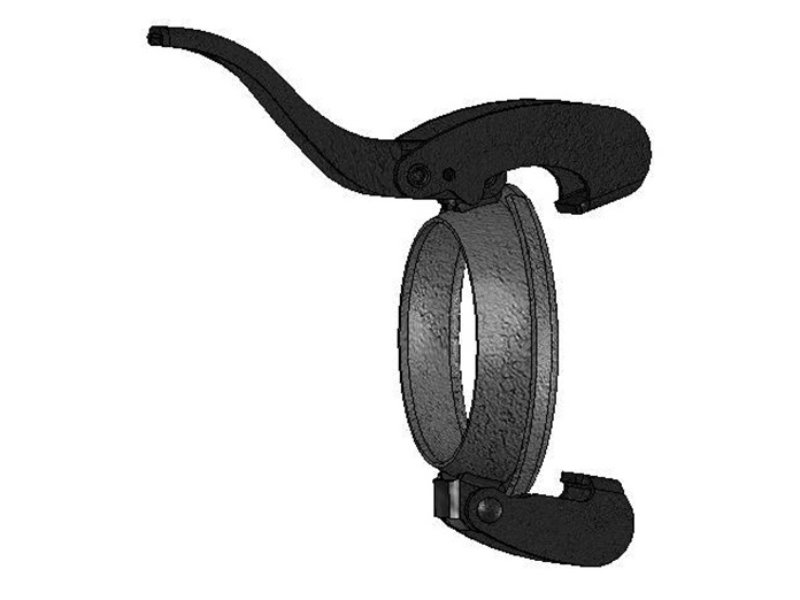
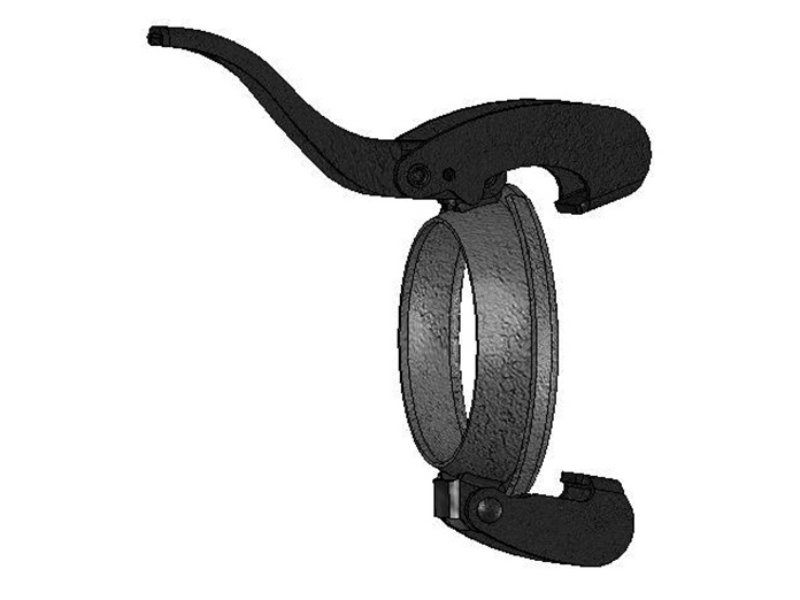
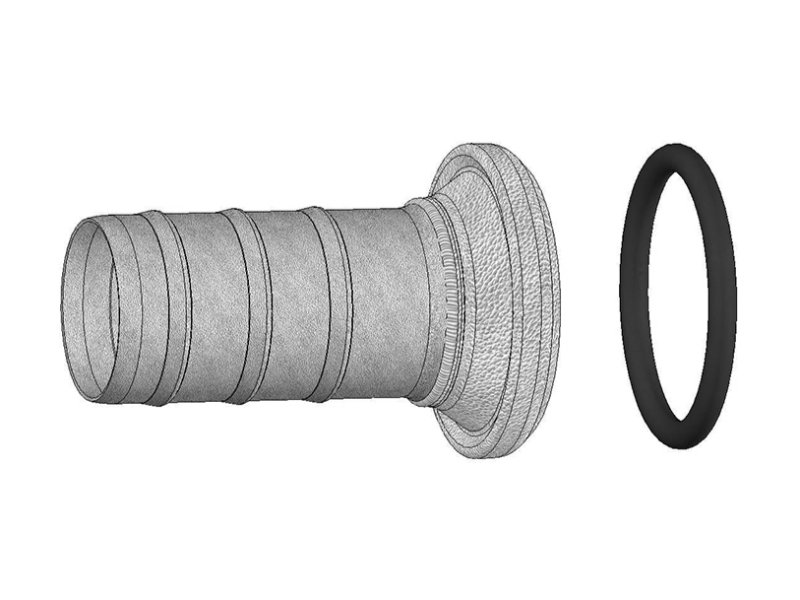
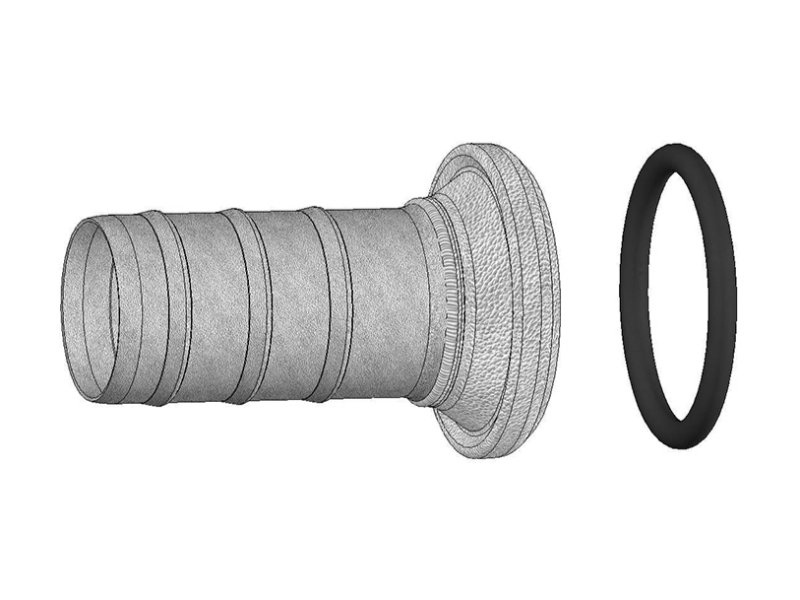
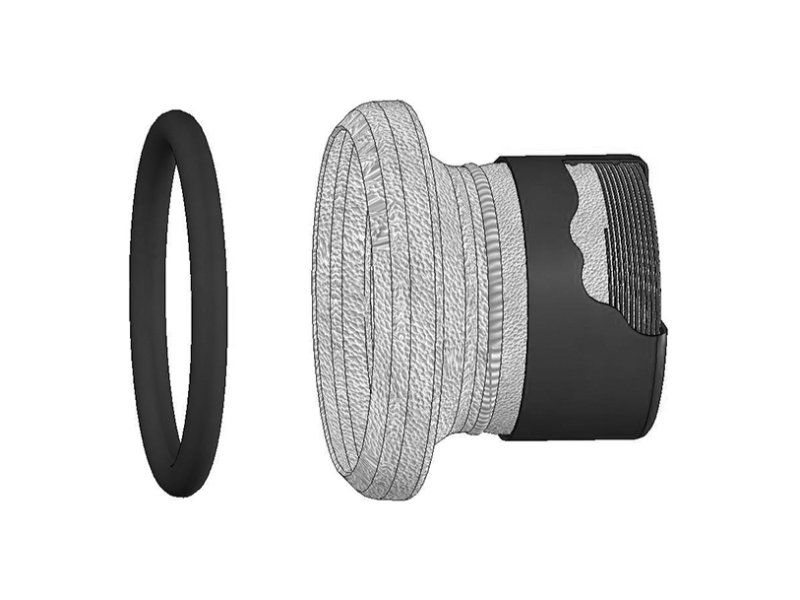
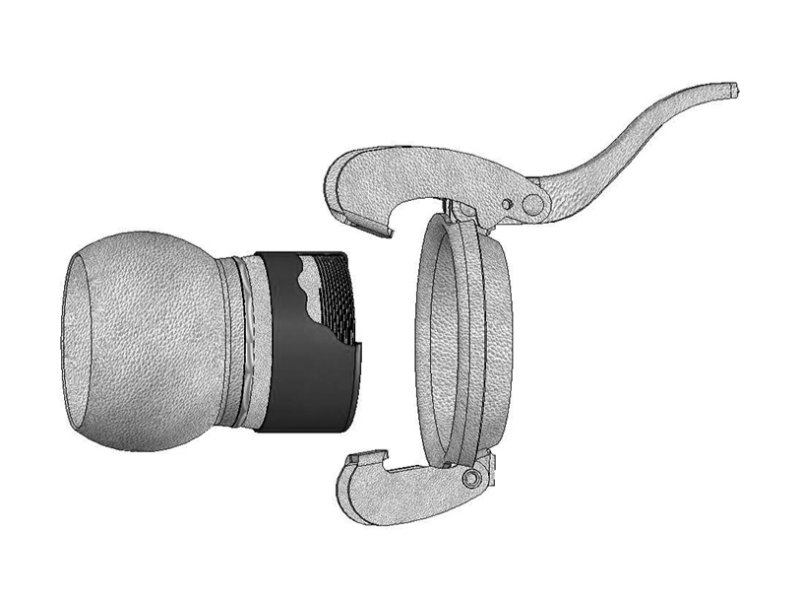
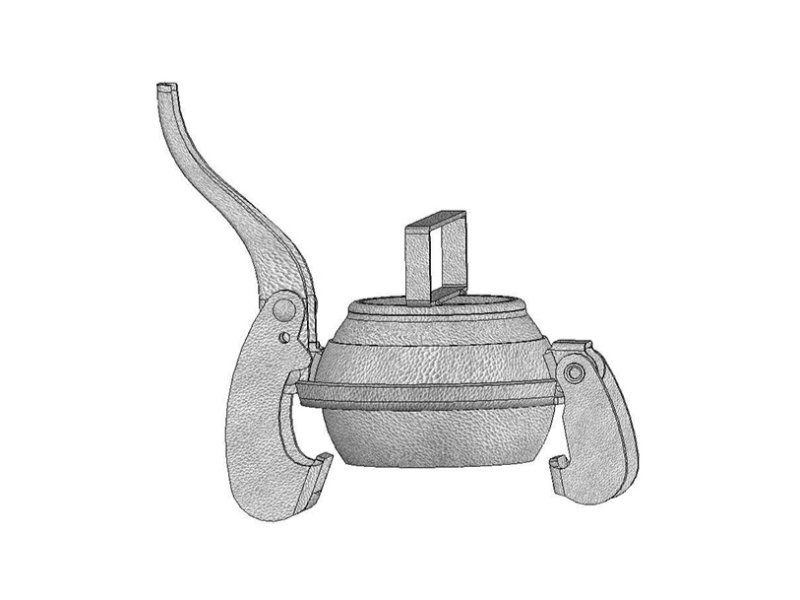
Galv Male Coupling 108mm x 100mm Hose Tail c/w Lever Ring
$175.23 Add to cart -
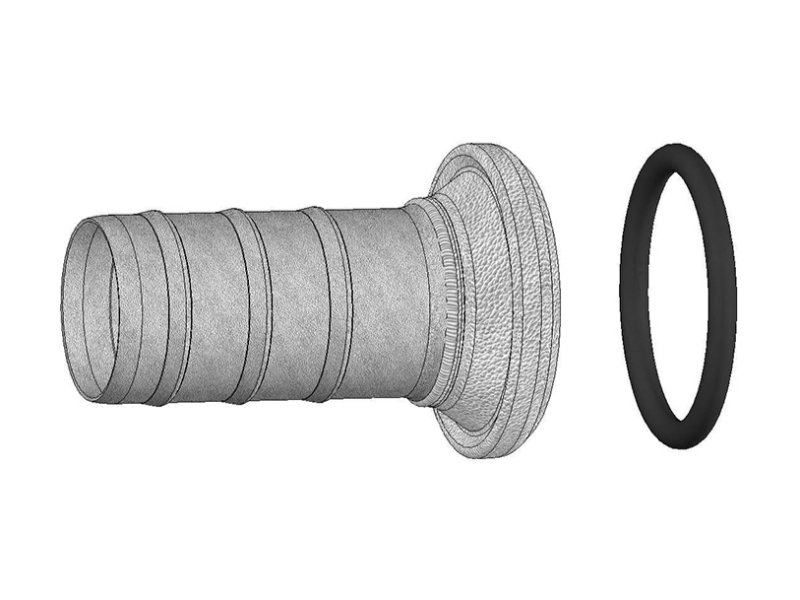
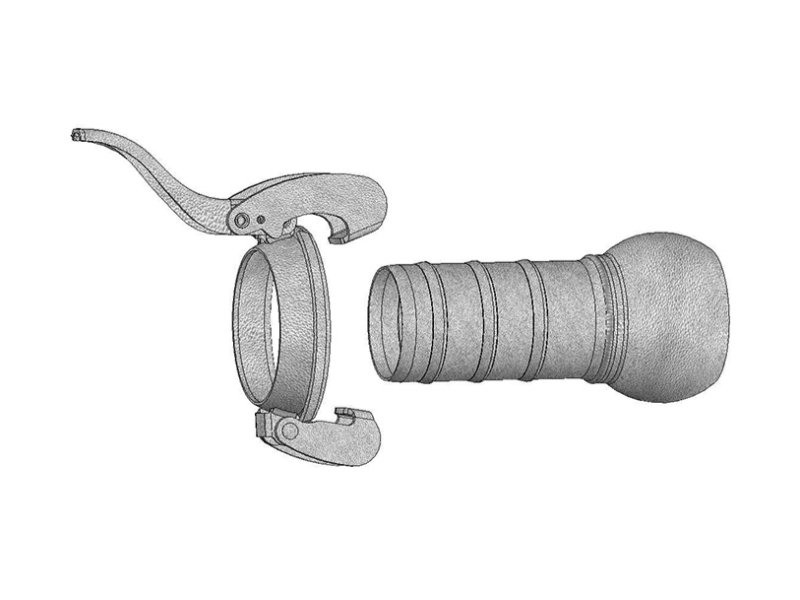
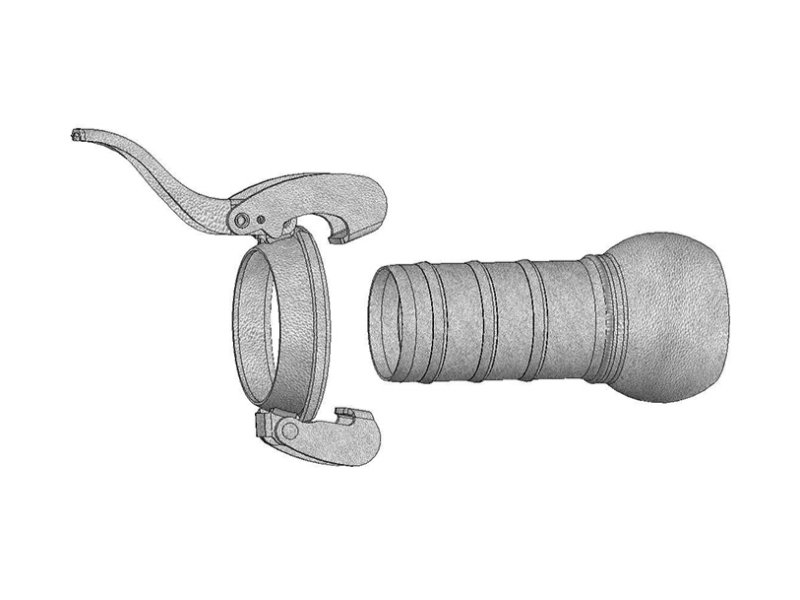 Flexible Hose Couplings
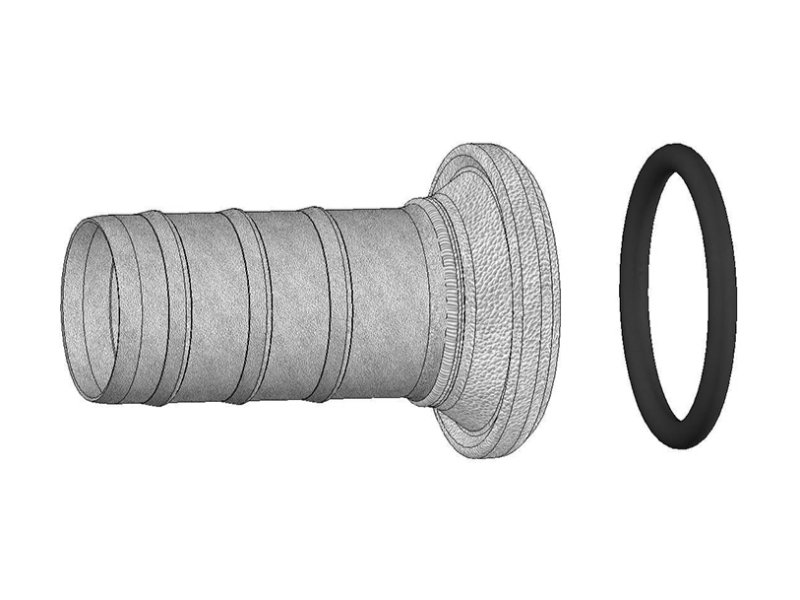
Galv Male Coupling 108mm x 108mm Hose Tail c/w Lever Ring
$189.90 Add to cart -
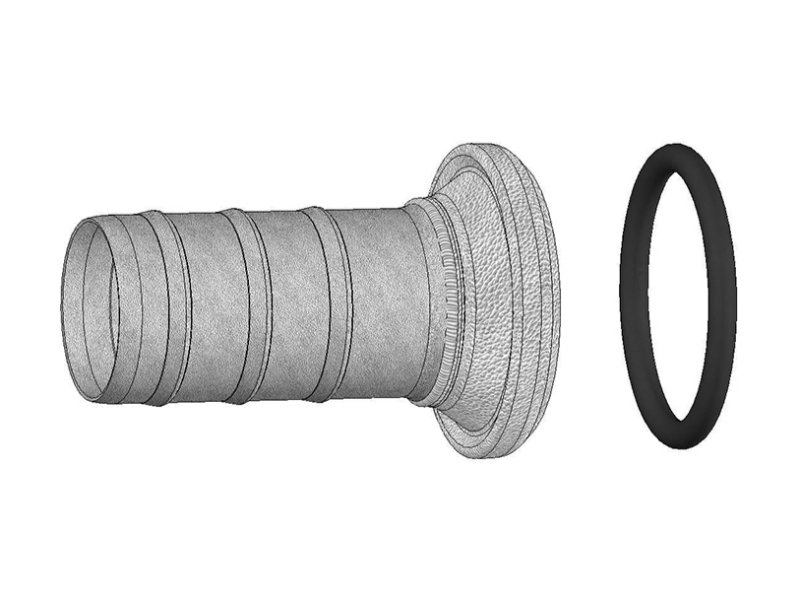
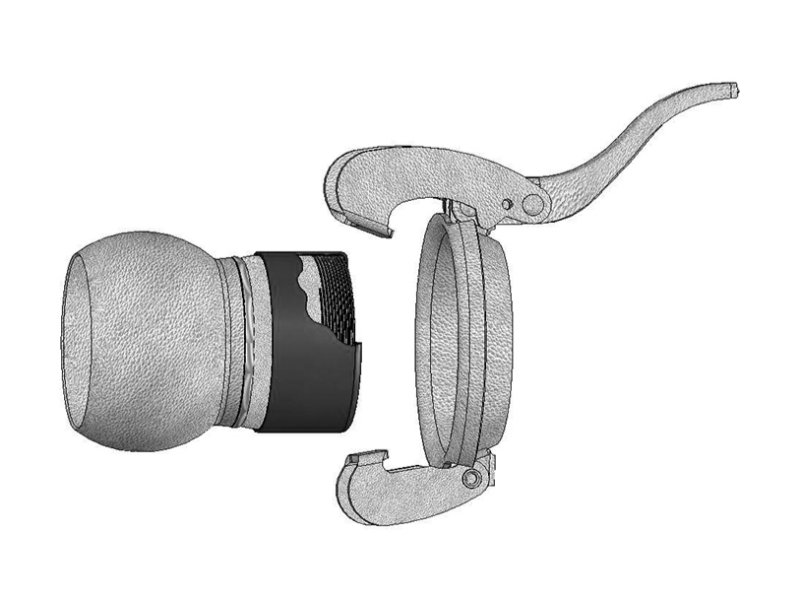
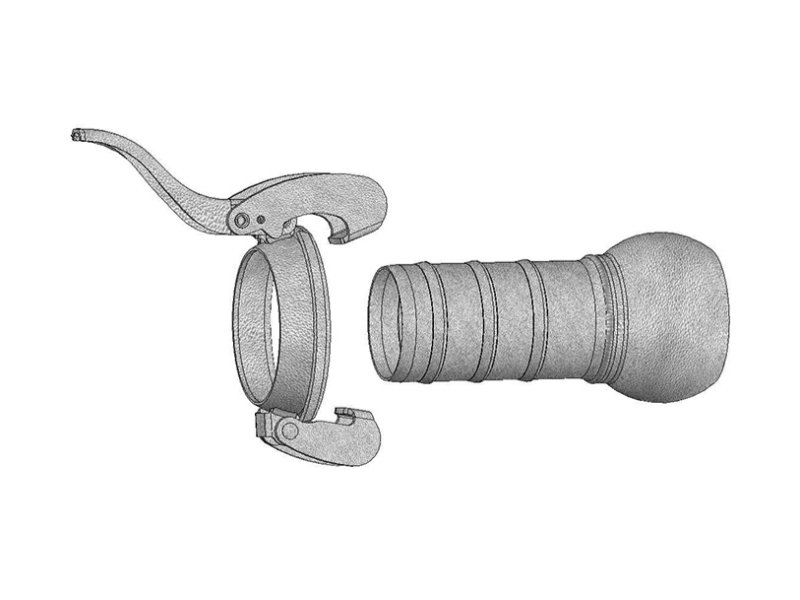 Flexible Hose Couplings
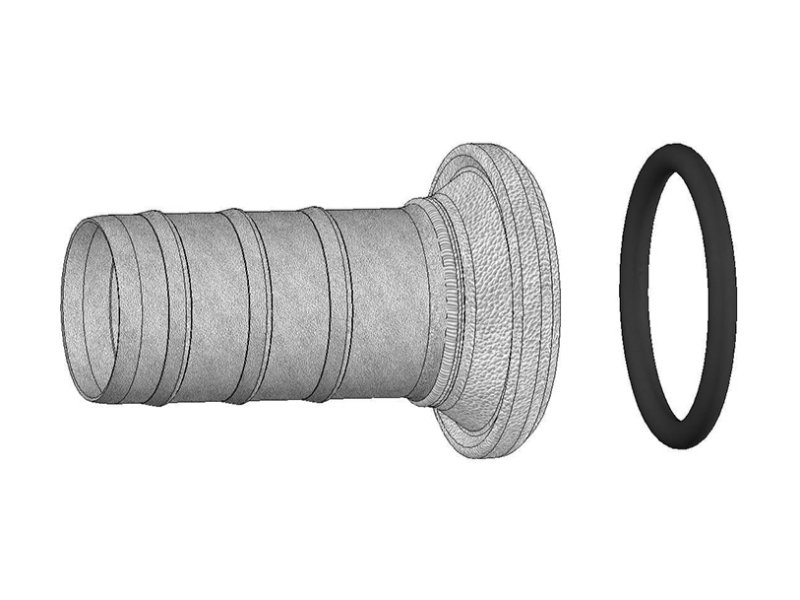
Galv Male Coupling 133mm x 125mm Hose Tail c/w Lever Ring
$246.32 Add to cart -
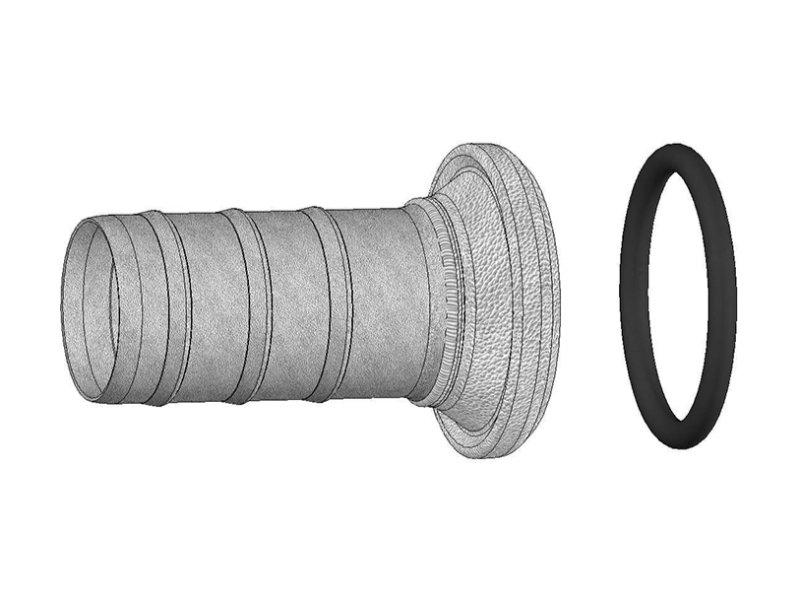
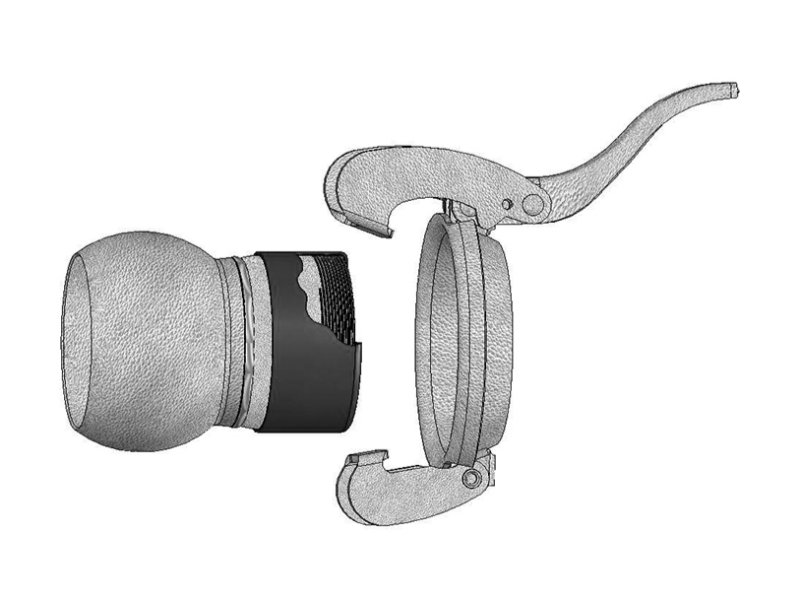
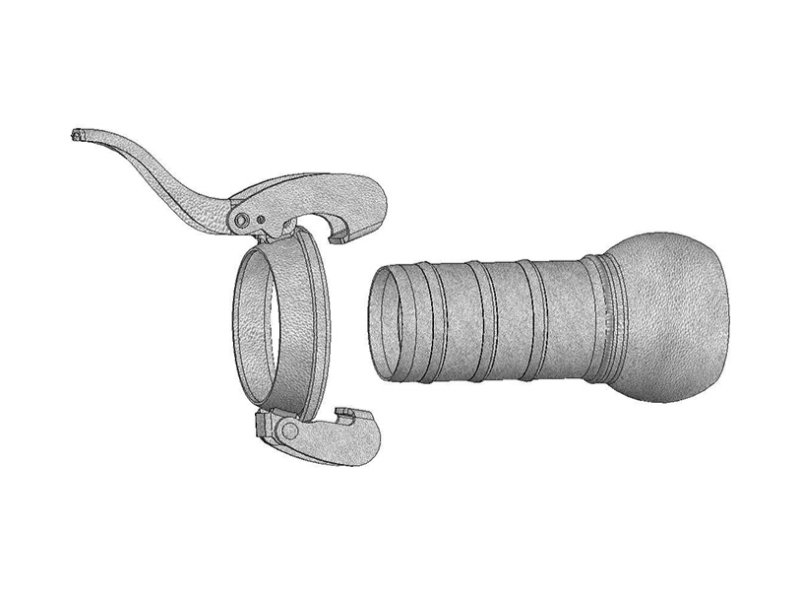 Flexible Hose Couplings
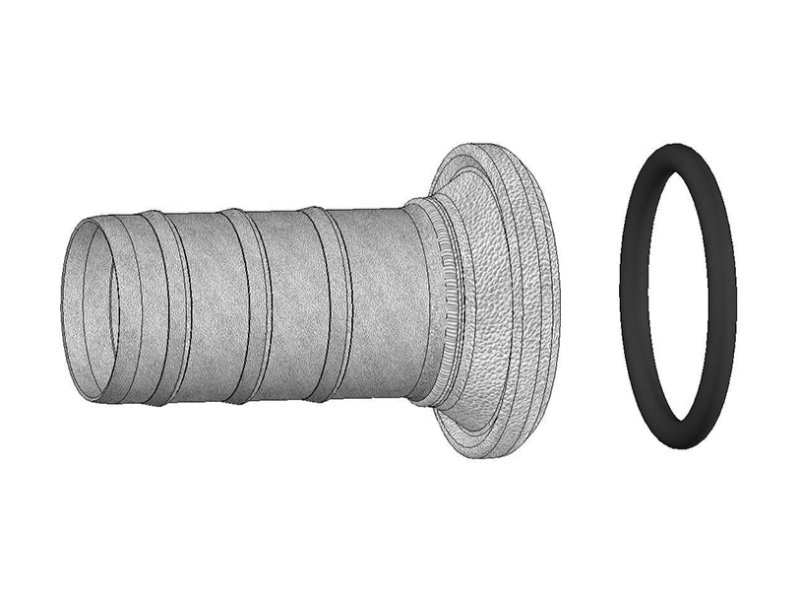
Galv Male Coupling 159mm x 100mm Hose Tail c/w Lever Ring
$397.48 Add to cart -
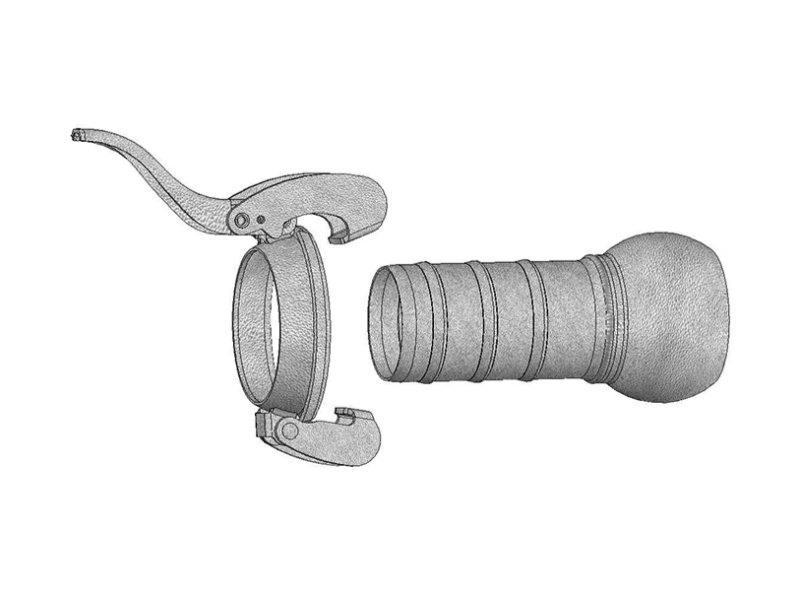 Flexible Hose Couplings
Galv Male Coupling 159mm x 150mm Hose Tail c/w Lever Ring
$317.70 Add to cart -
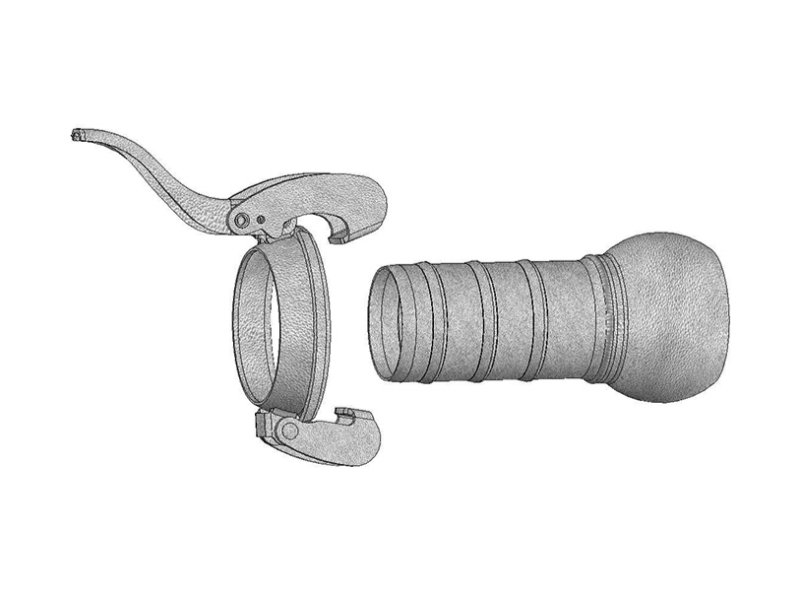
-
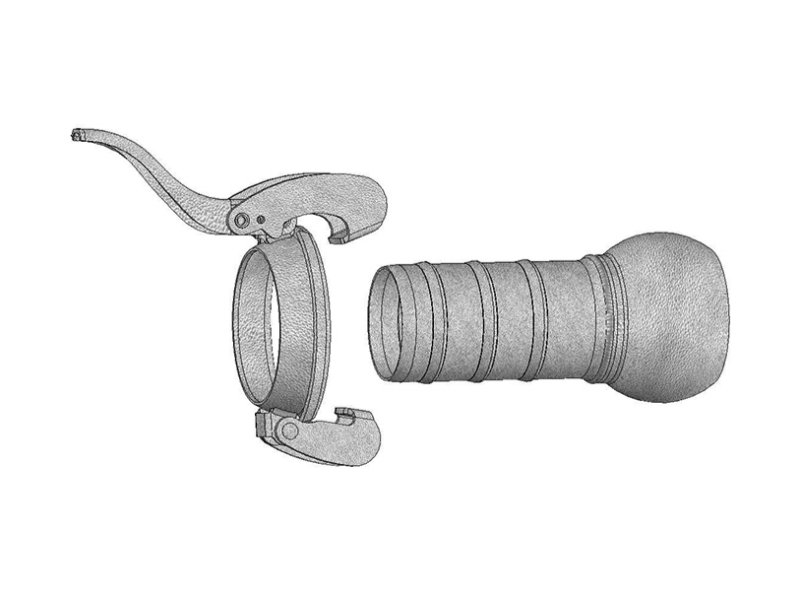
-
-
-
-
-
-
-
-
-
-
-
-
-
-
In agriculture, effective irrigation is essential for maintaining soil health and supporting plant development throughout the growing season. Sprinklers offer a flexible solution that can cover large areas efficiently. They simulate natural rainfall, which many crops respond well to, leading to better absorption and reduced runoff. Selecting the right pressure and coverage helps prevent damage to delicate plants while maximizing water delivery. Regular maintenance, including cleaning filters and inspecting pipes, ensures longevity and consistent operation. Farmers often combine these systems with soil moisture sensors to apply water only when needed, conserving resources in the process. This method aligns with efforts to minimize environmental impact and promote biodiversity in farming areas. Different terrains may require specific configurations, such as rotating heads for uneven fields or fixed sprays for smaller plots. Learning about evaporation rates in your region allows for better timing of irrigation cycles, typically during cooler parts of the day. By focusing on precision, users can achieve optimal growth without excess consumption. Such practices support long-term sustainability in food production and help adapt to changing climate conditions. Additional considerations include compatibility with existing water sources and potential for automation to save labor. Exploring educational resources on best practices can provide further insights into maximizing benefits from irrigation equipment.