-

Camlock Fittings168 Products
-
Controllers198 Products
-
Dripline128 Products
-
Electrical86 Products
-
Filtration466 Products
-
Fittings2,636 Products
-
Flow Meters279 Products
-
Injectors & Sensors5 Products
-
Irrigators52 Products
-
Pipe106 Products
-
Sprinklers1,509 Products
-
Uncategorized1 Product
-
Valves1,085 Products
-
-
-
-
-
-
-
-
-
-
-
-
-
-
-
-
-
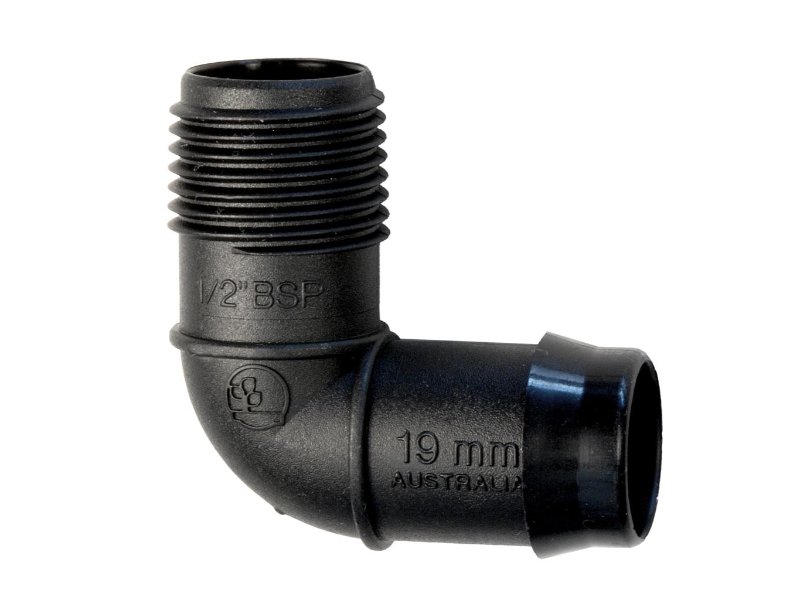
-
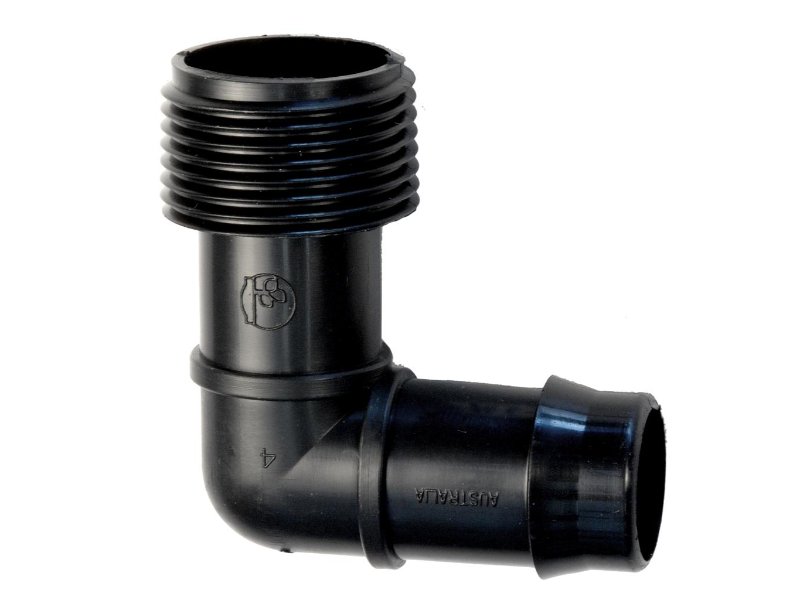
-
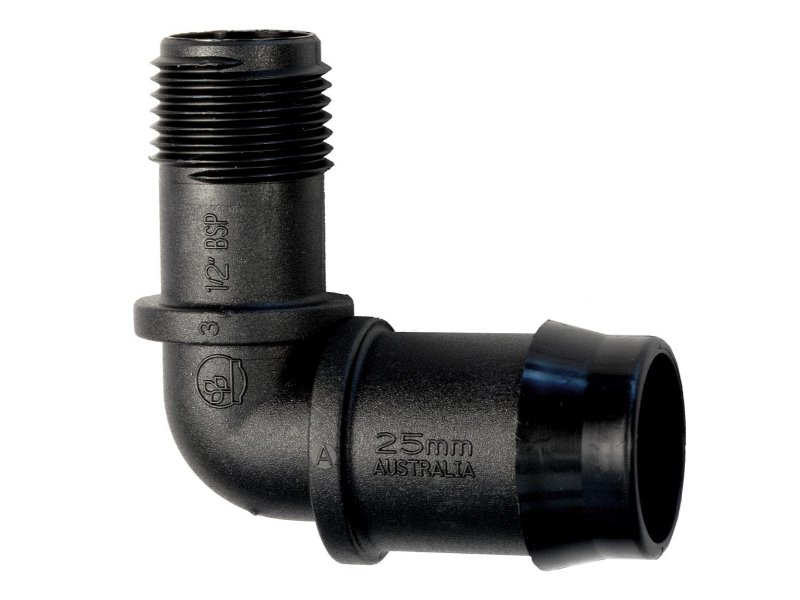
-
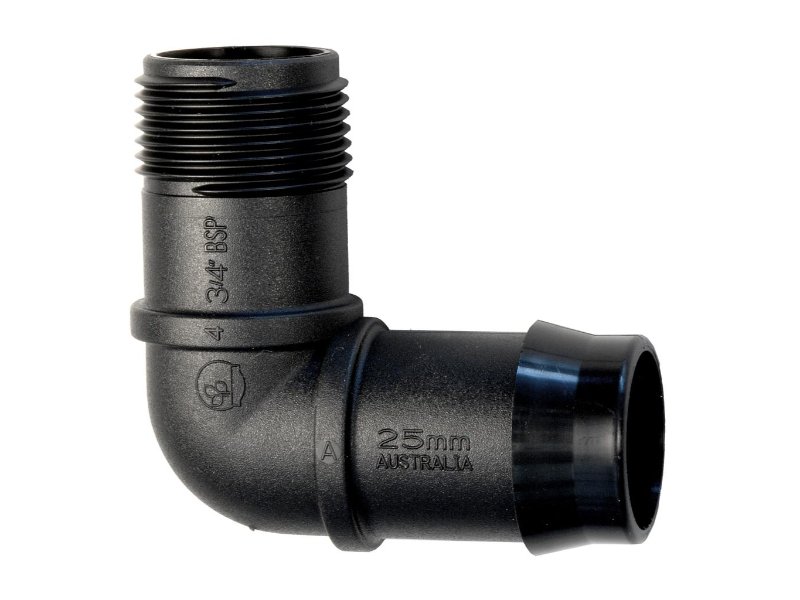
-
-
-
-
-
-
-
-
-
-
-
-
-
-
-
-
-
-
-
-
-
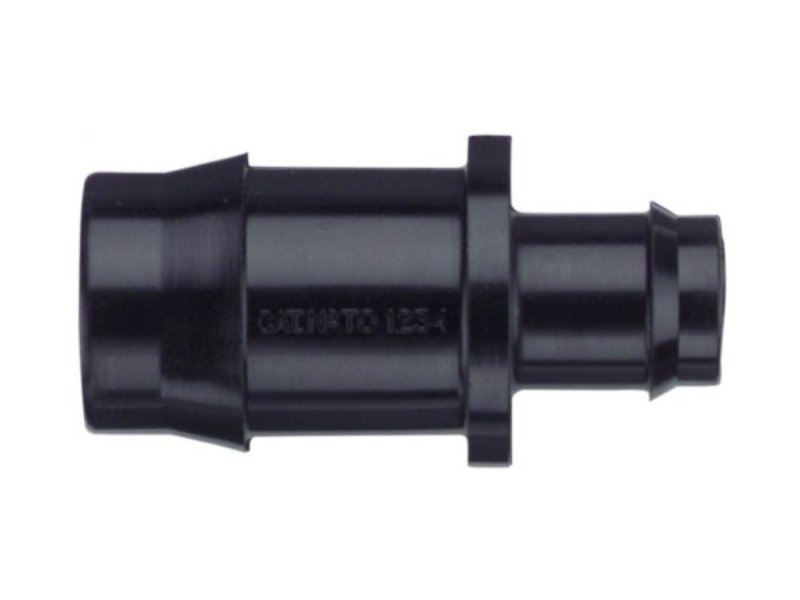
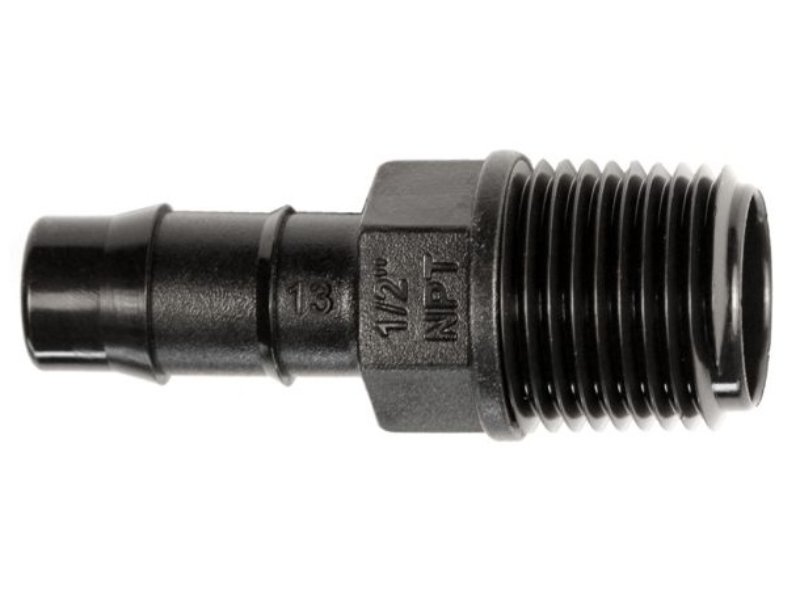 Lateral Fittings
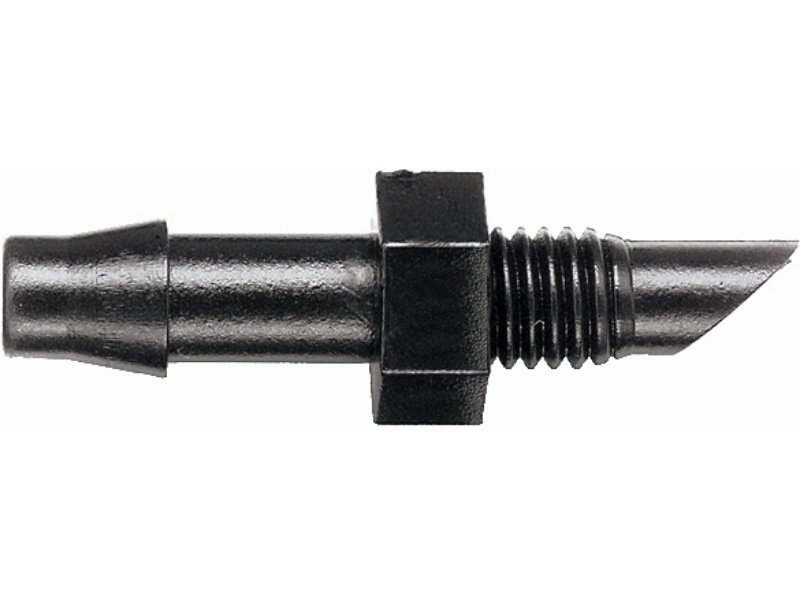
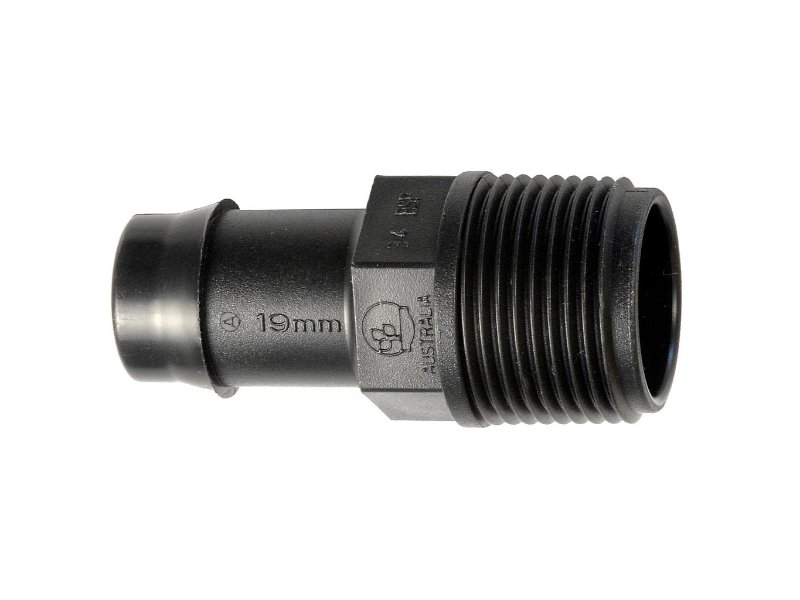
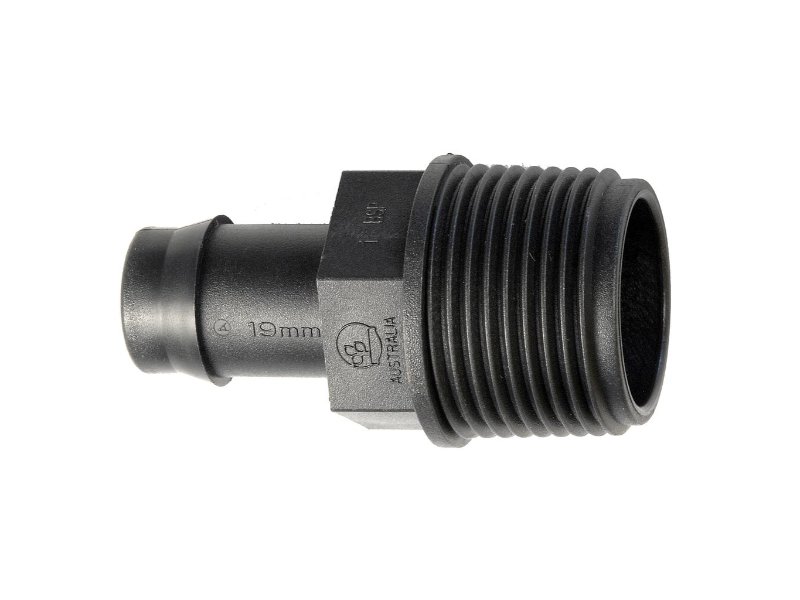
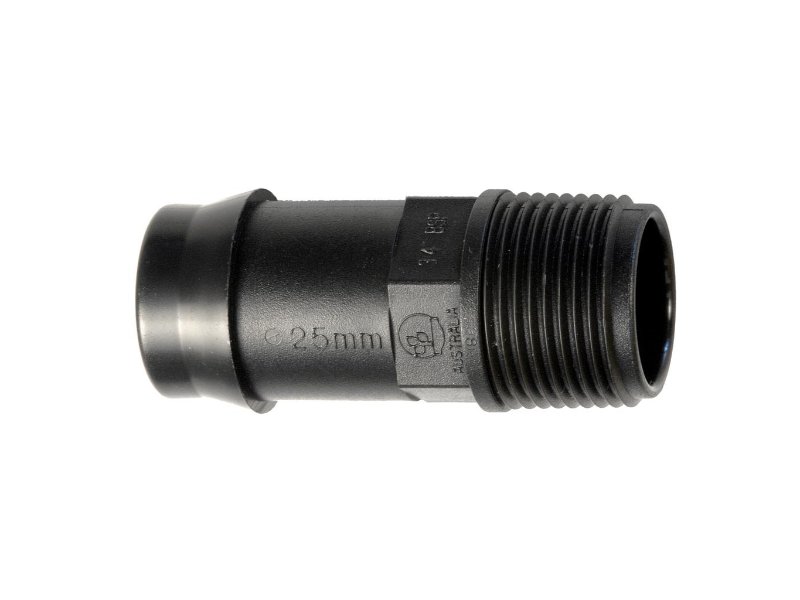
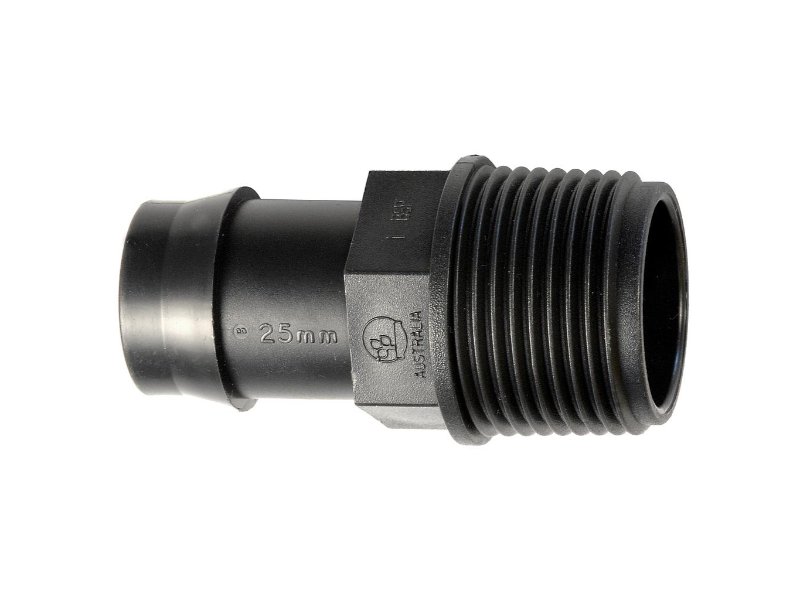
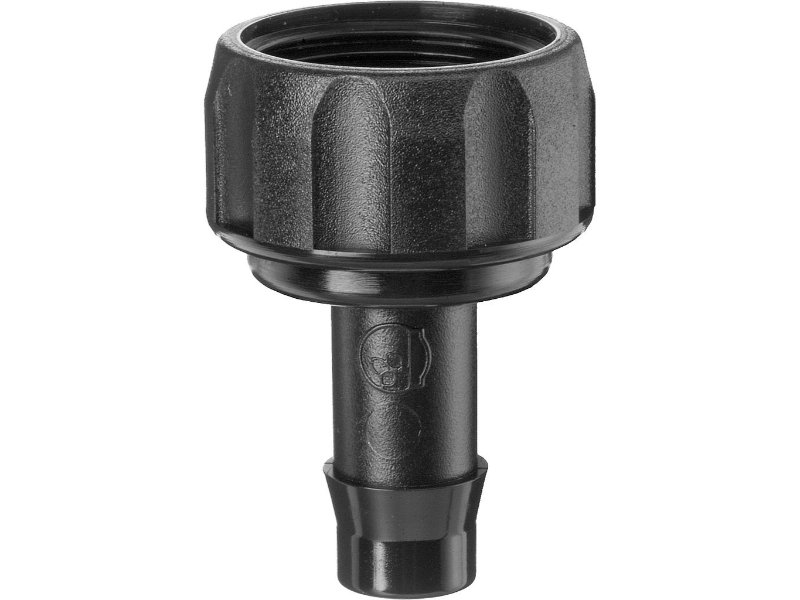
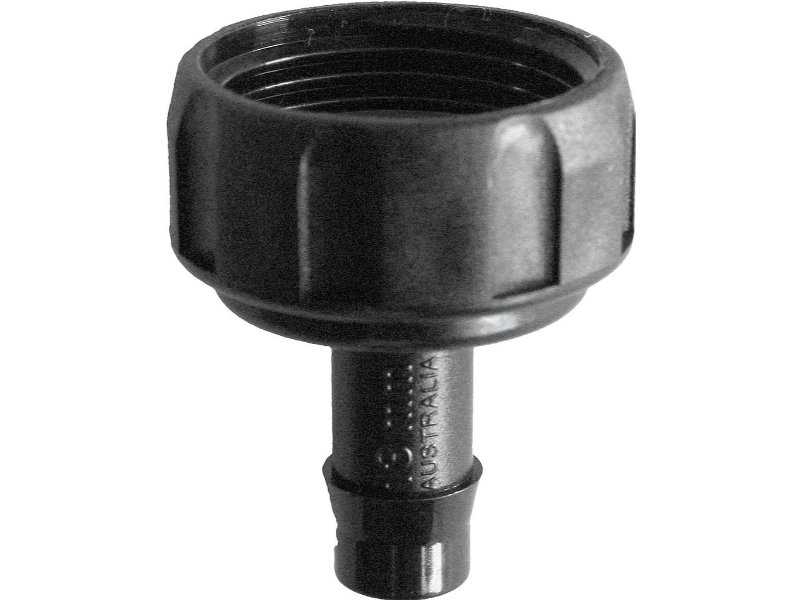
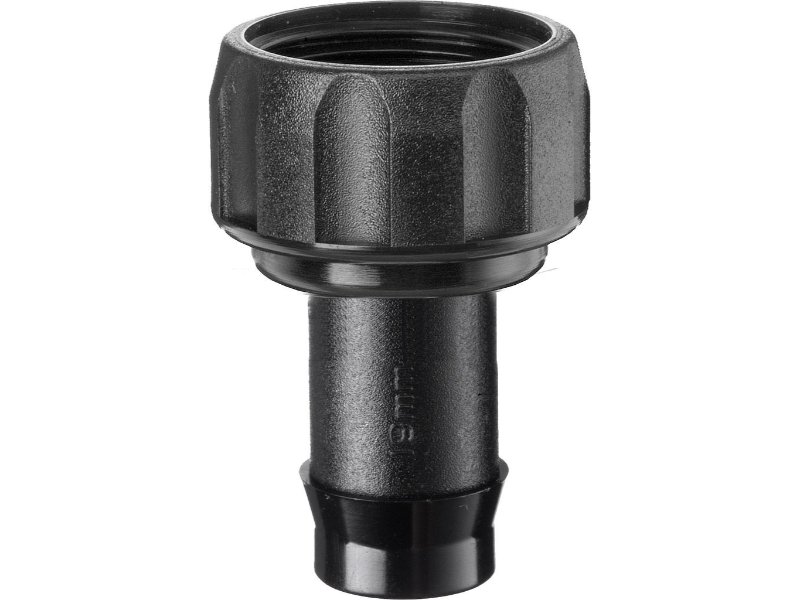
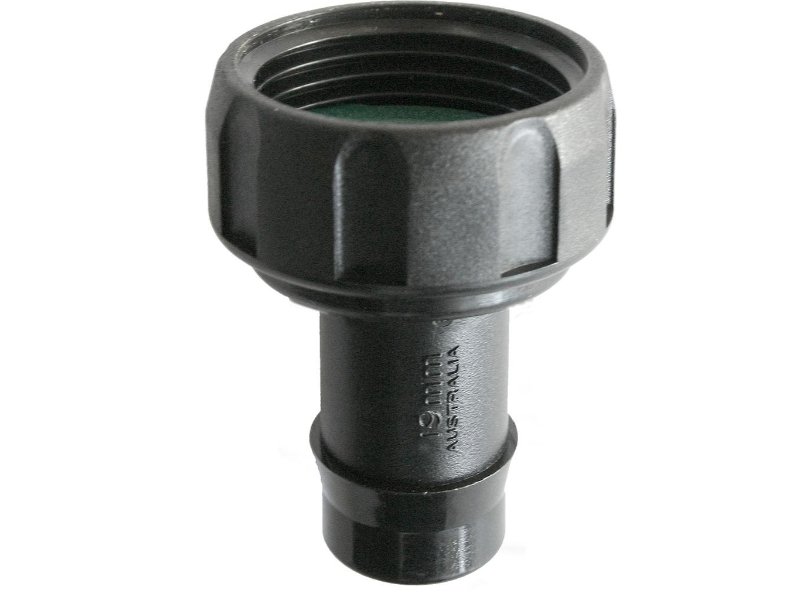
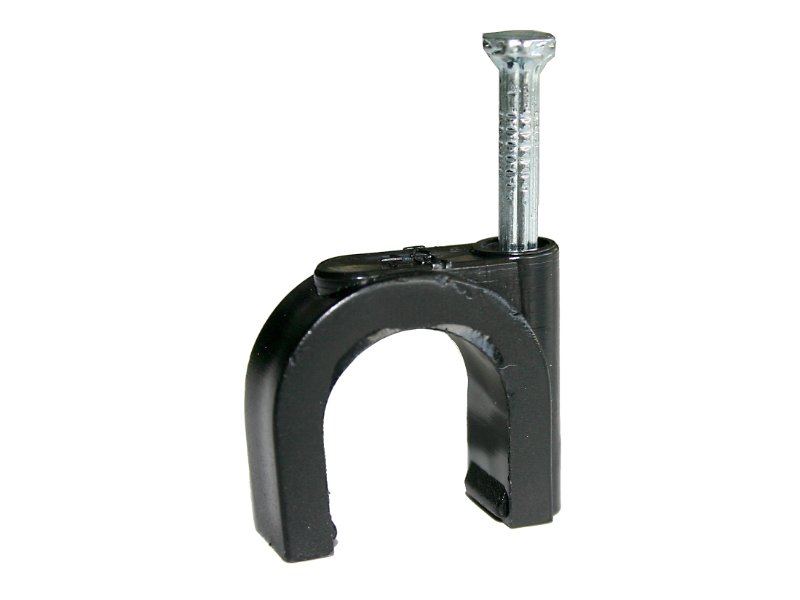
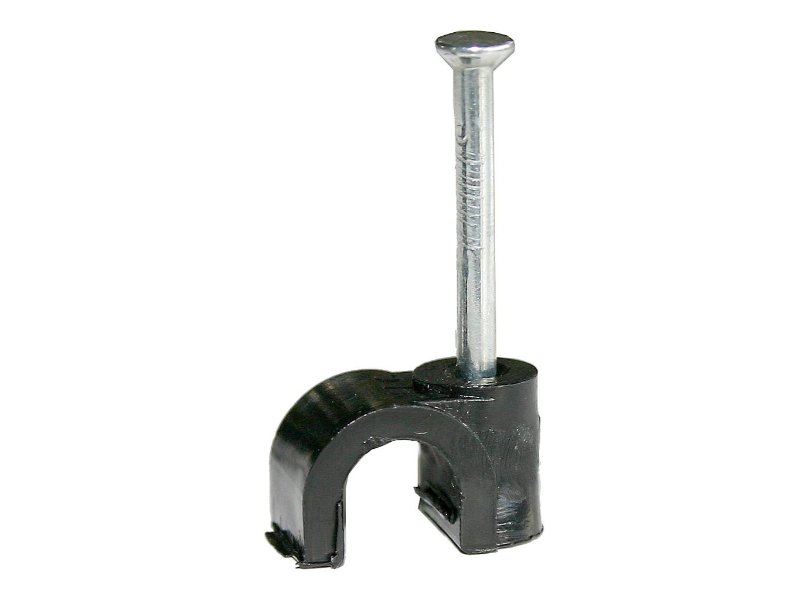
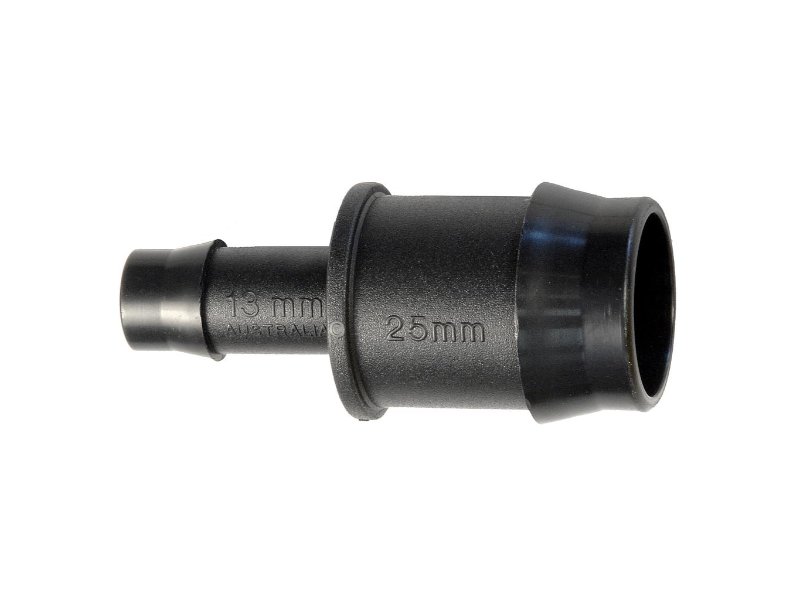
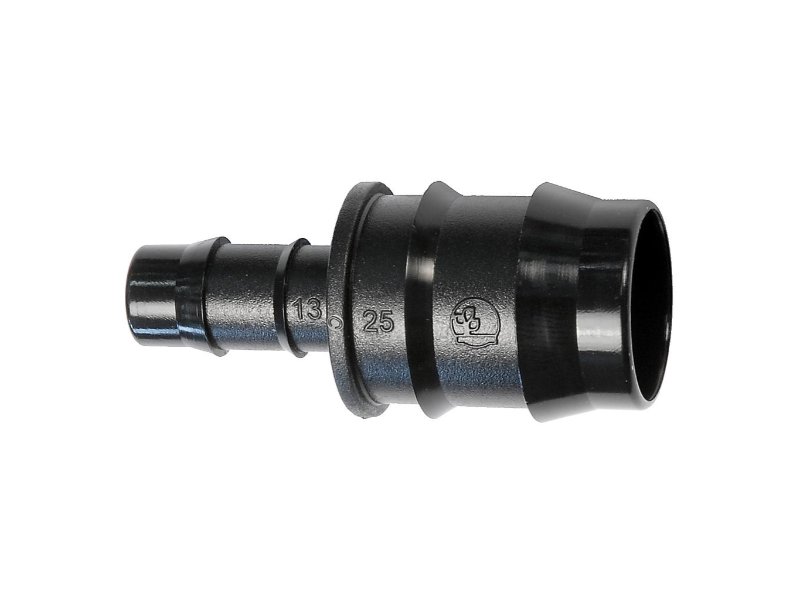
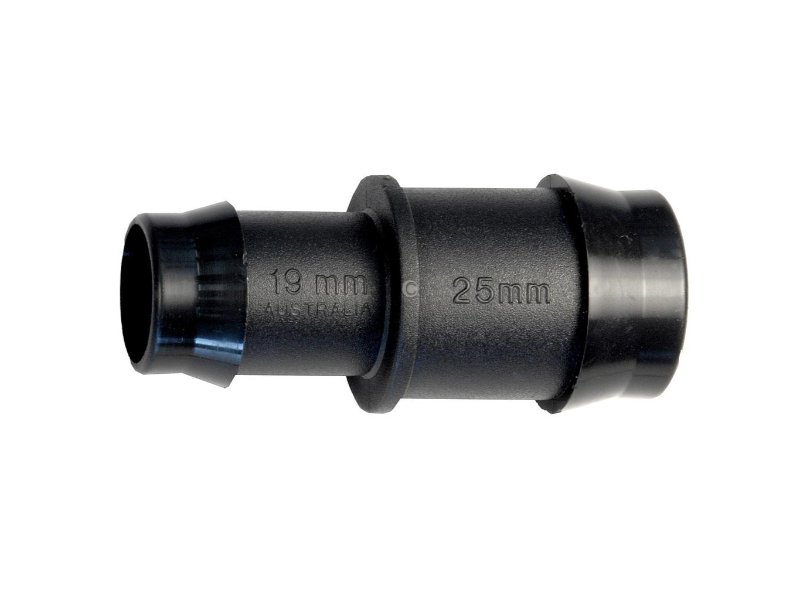
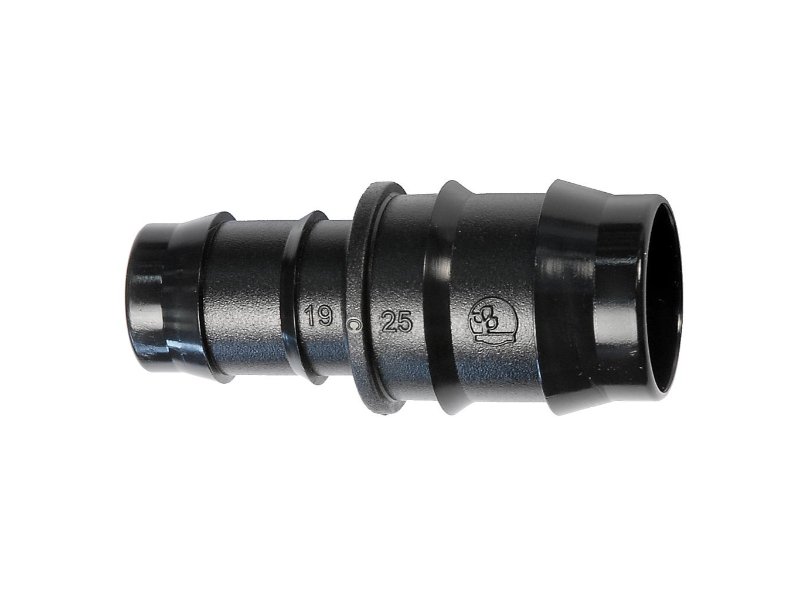
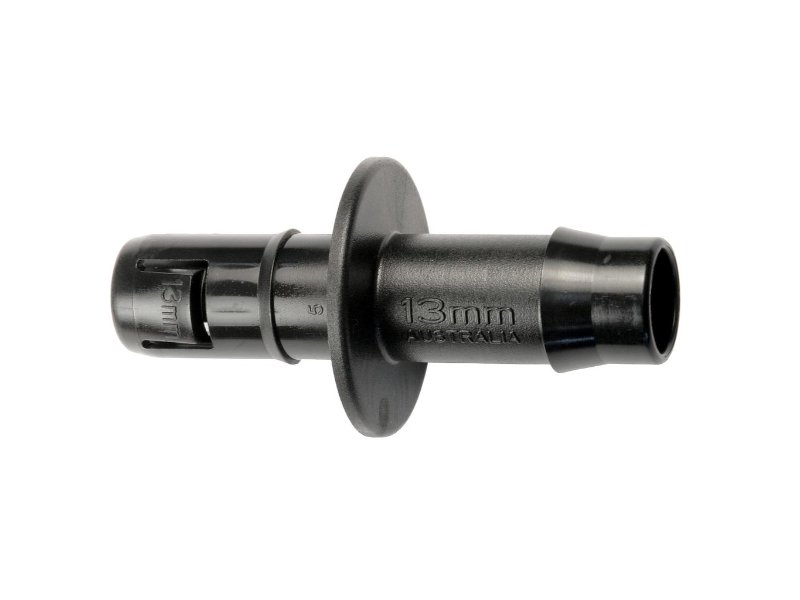
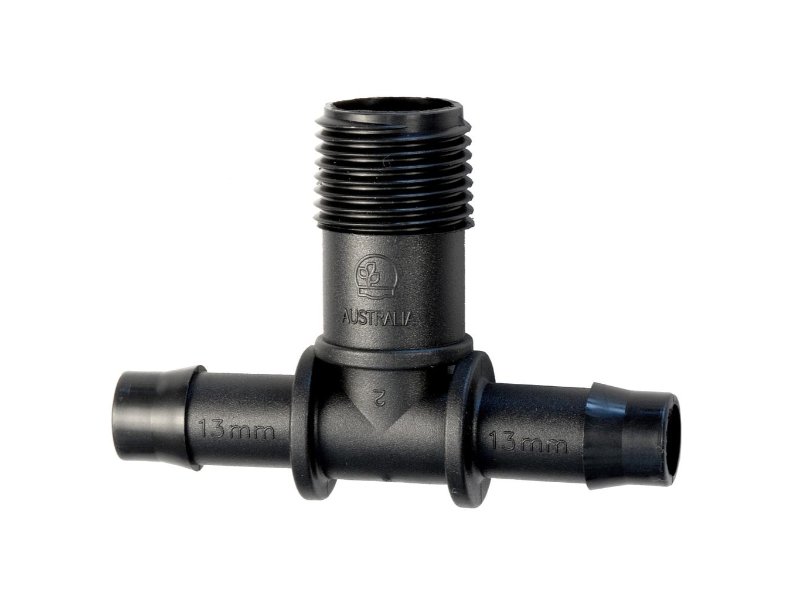
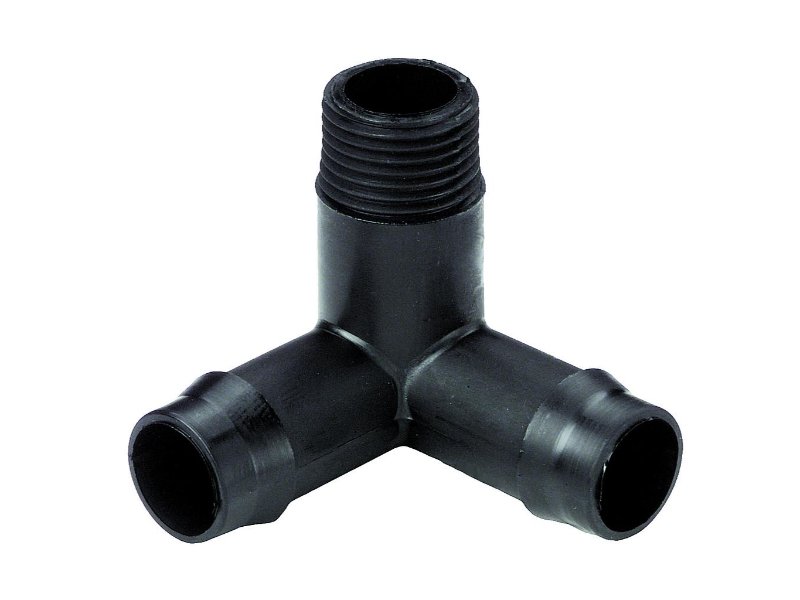
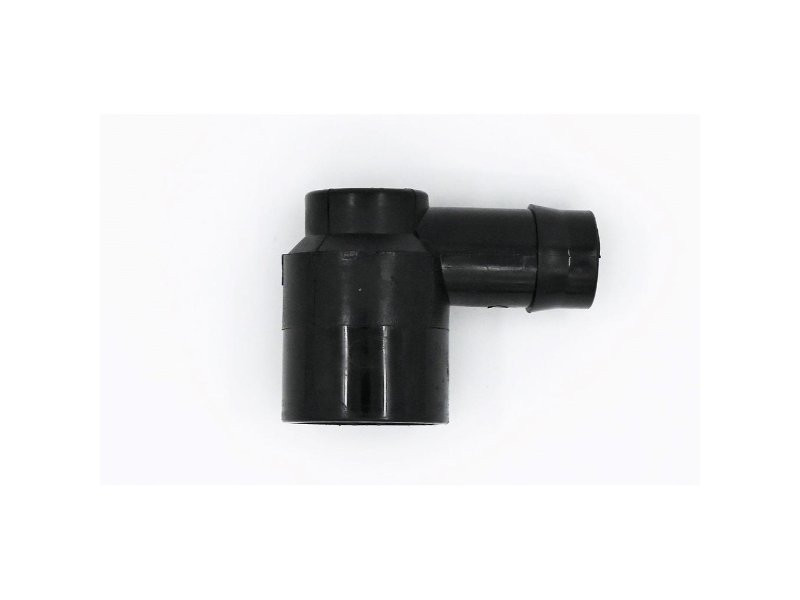
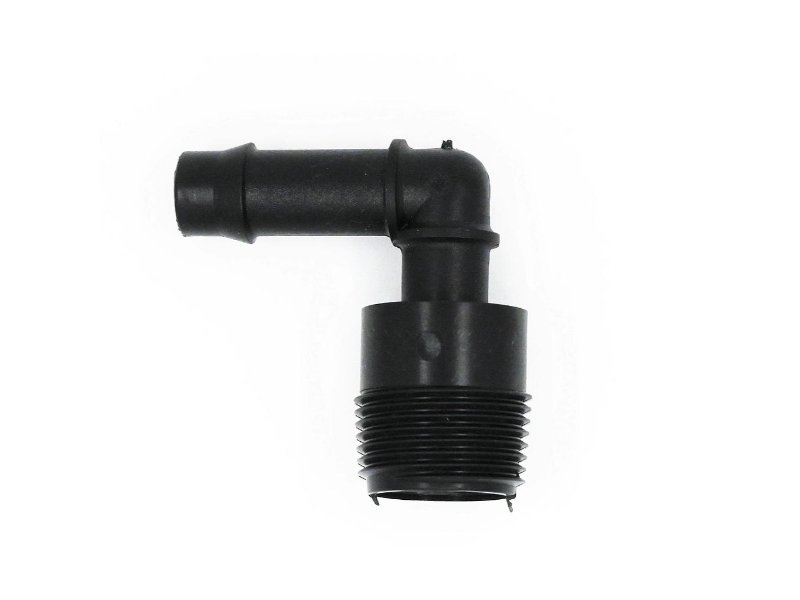
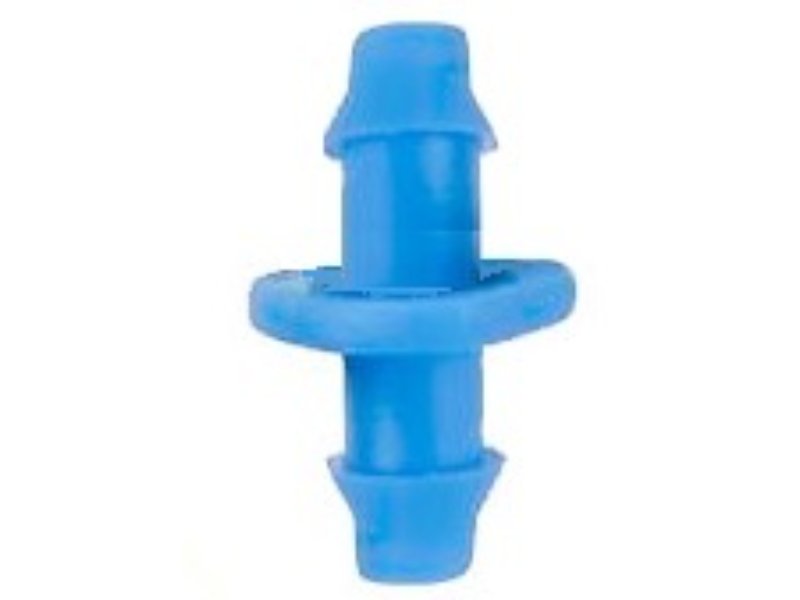
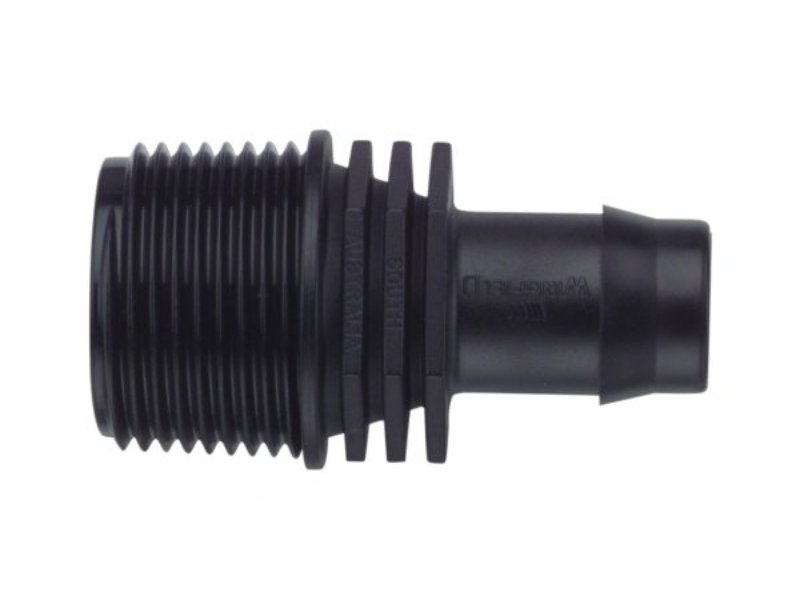
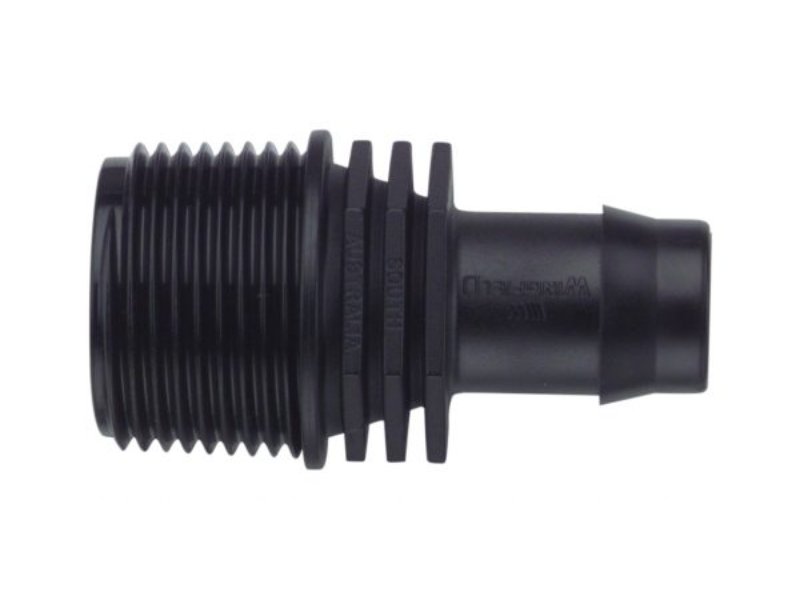
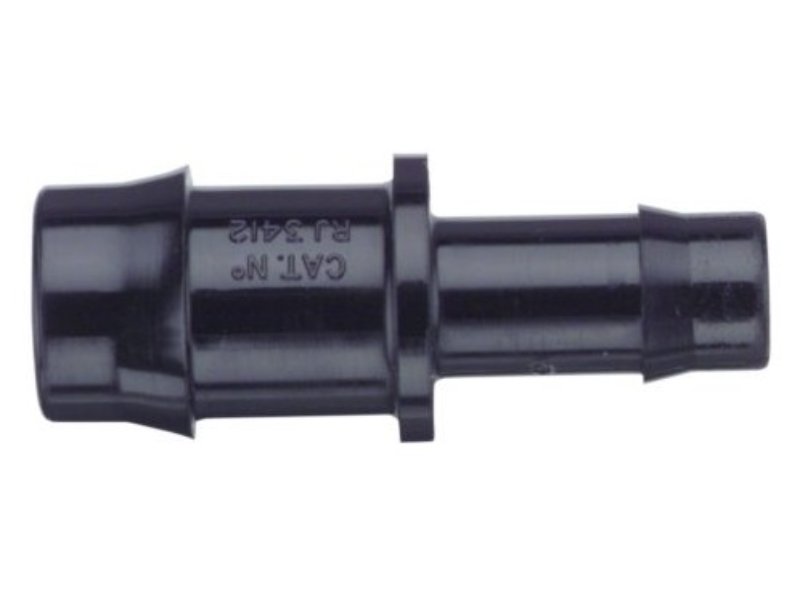
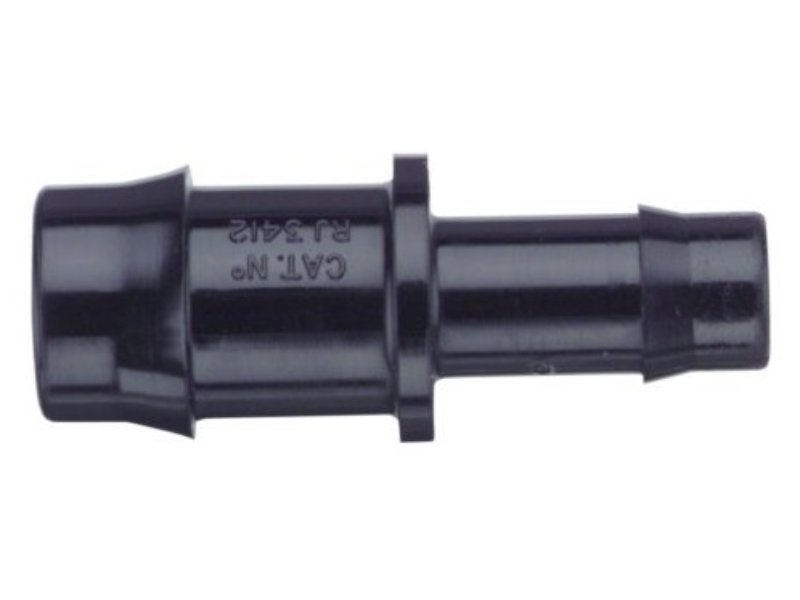
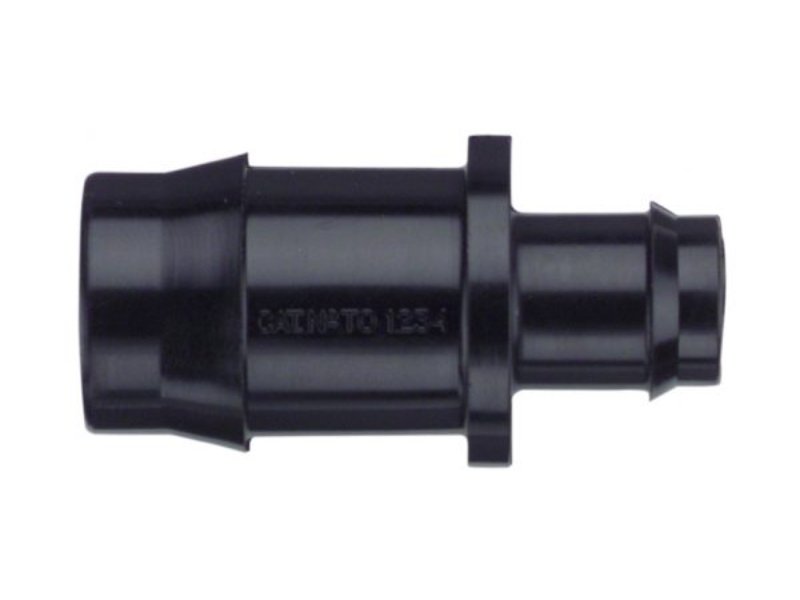
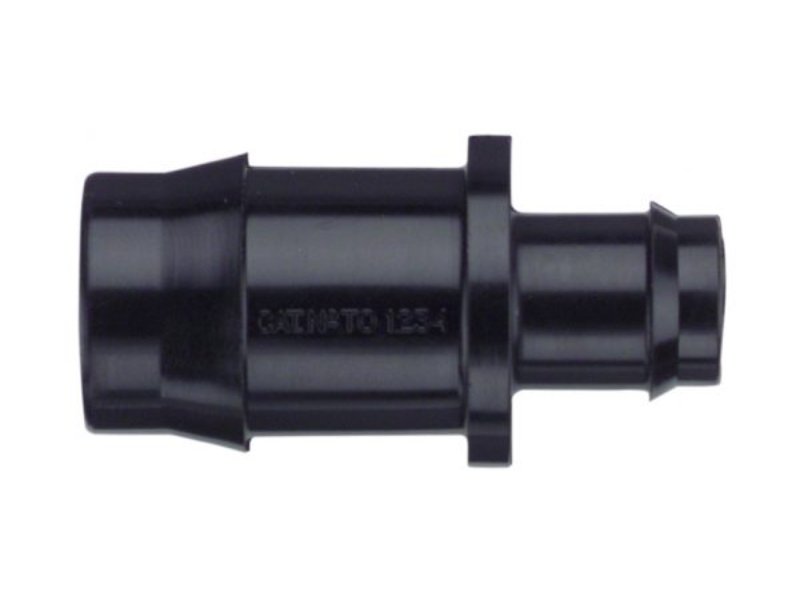
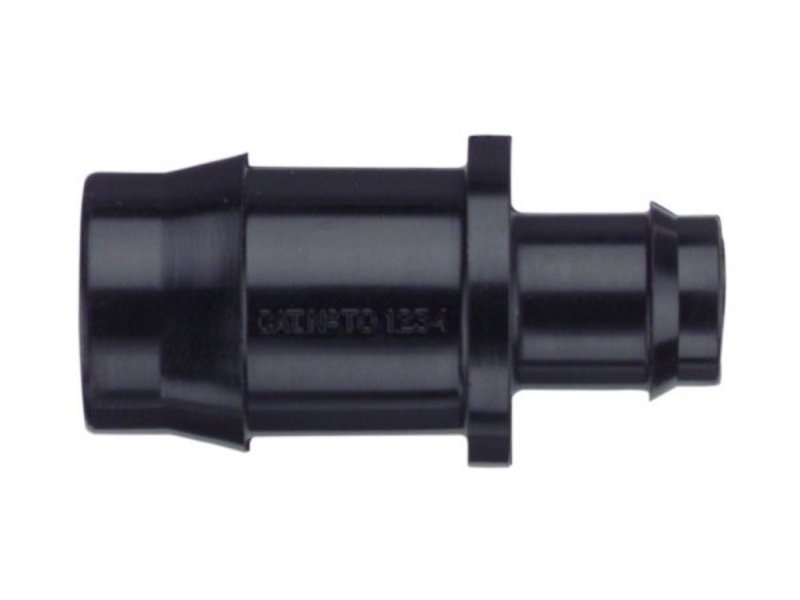
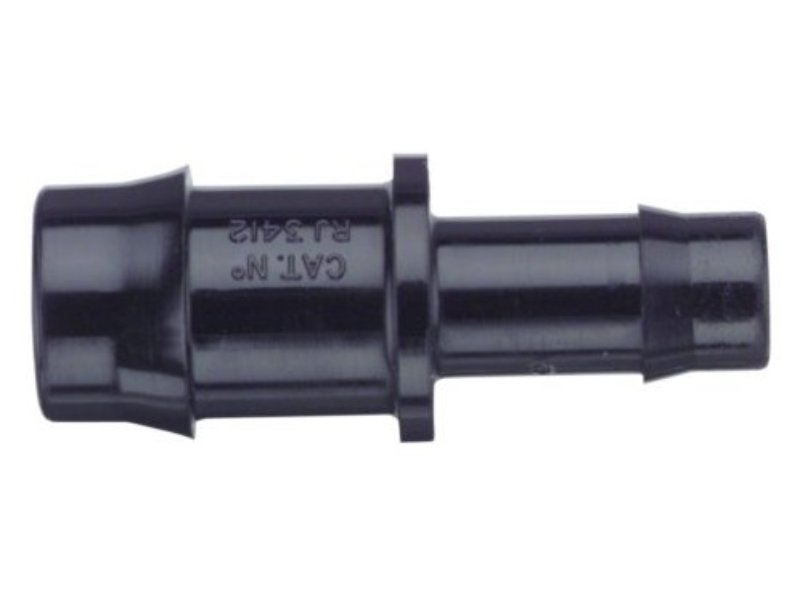
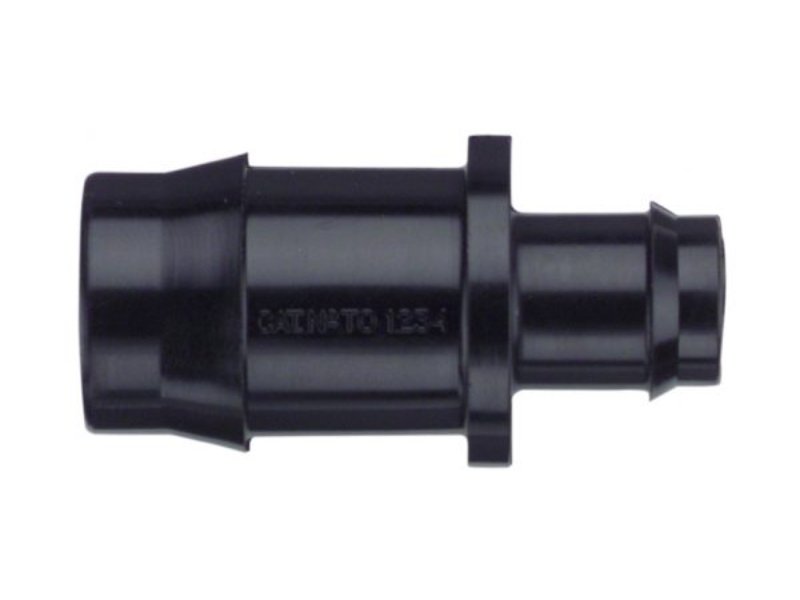
Antelco Lateral Male Director 13mm x 15mm BSP Double Barbed (48035)
$0.62 Add to cart -
-
-
-
-
-
-
-
-
-
-
-
-
-
-
-
-
-
-
-
-
-
-
-
-
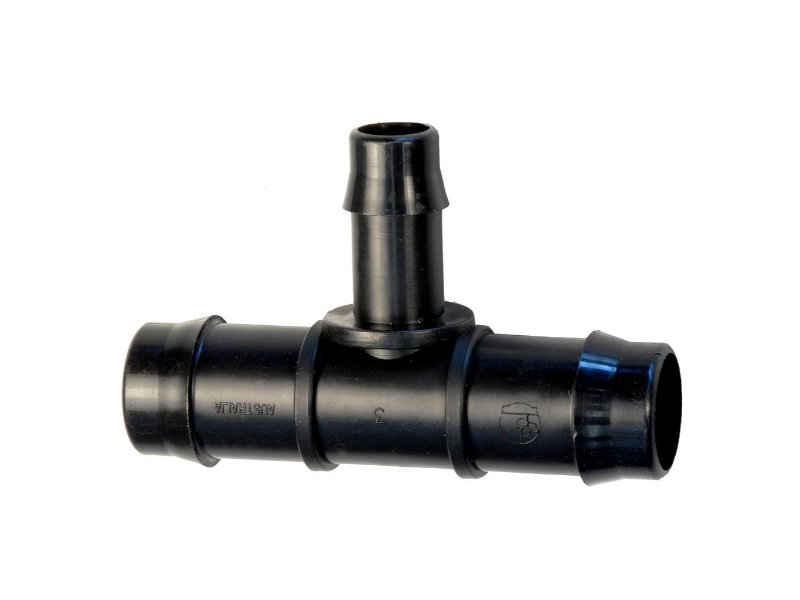
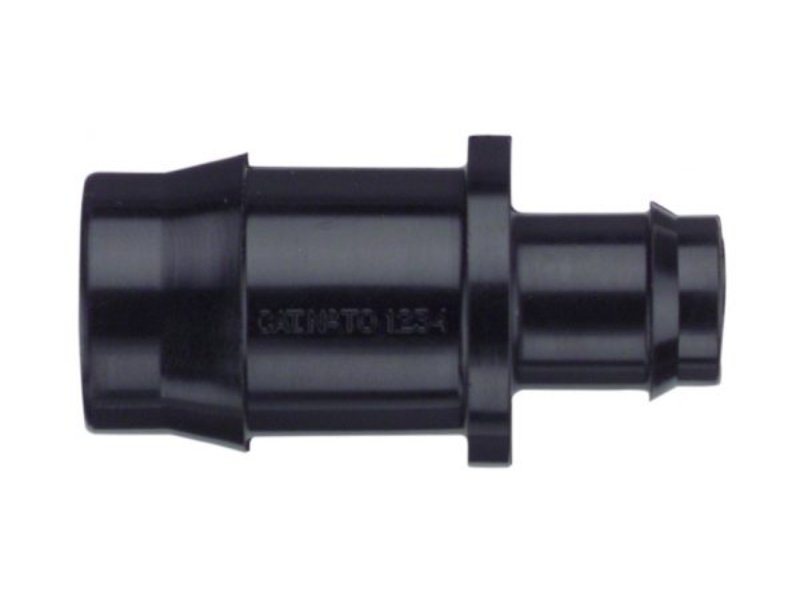
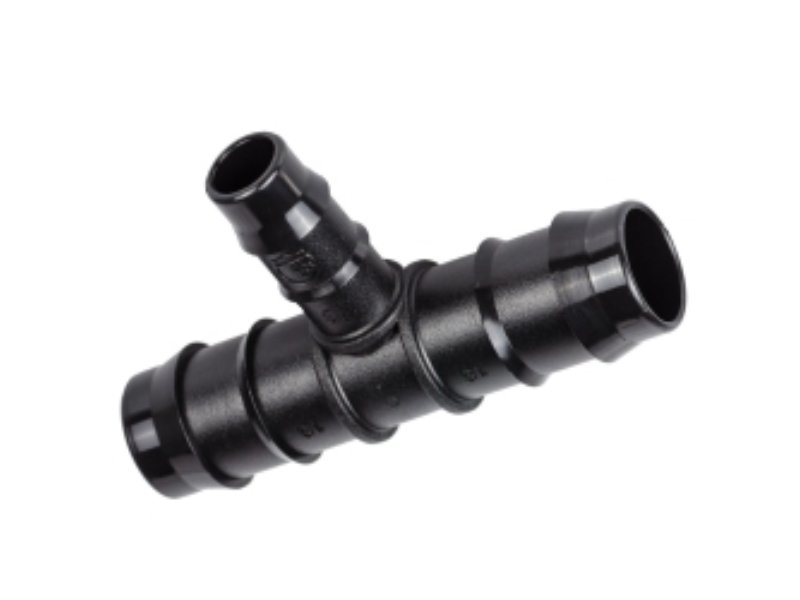 Lateral Fittings
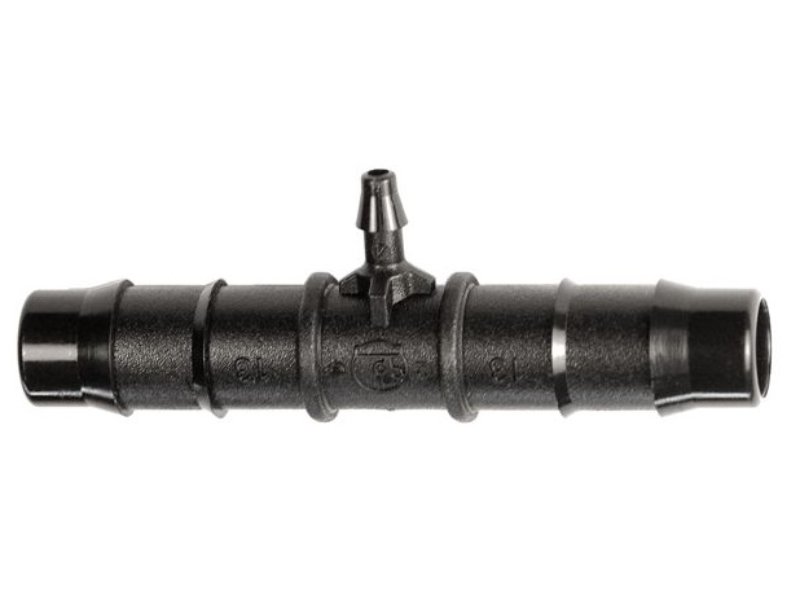
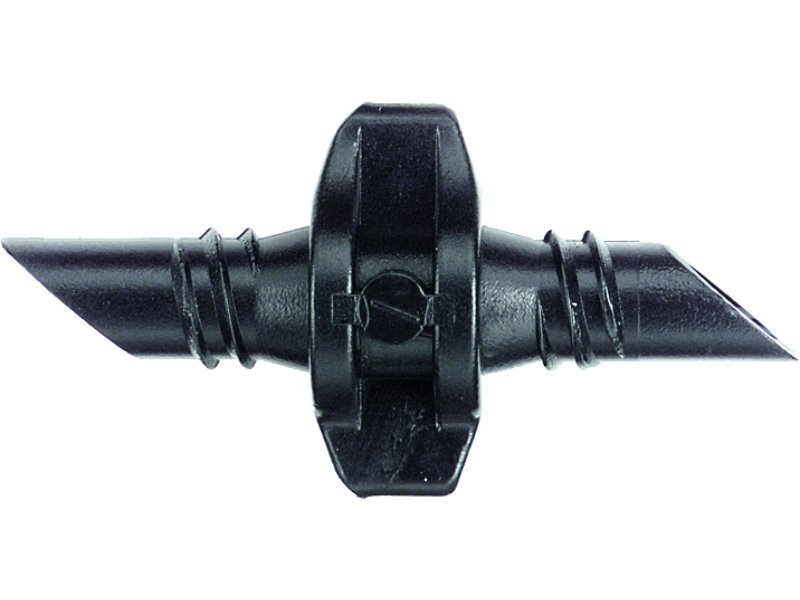
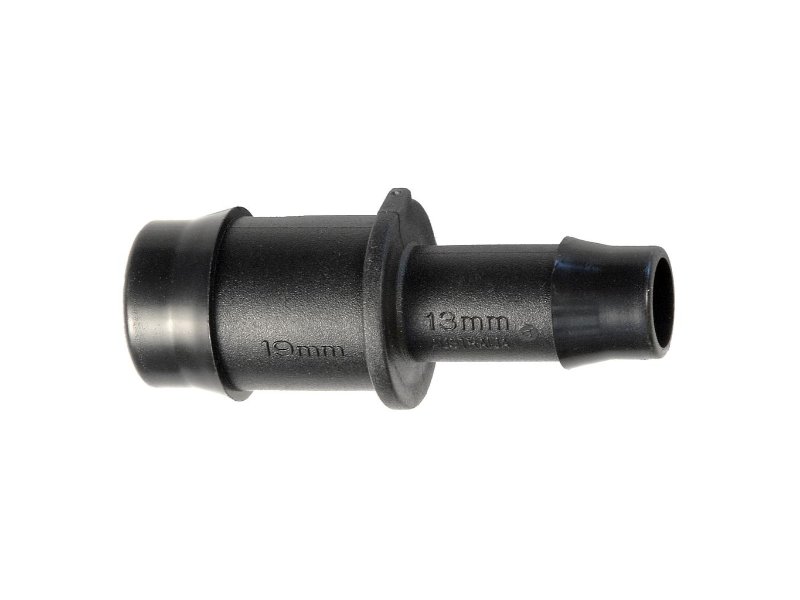
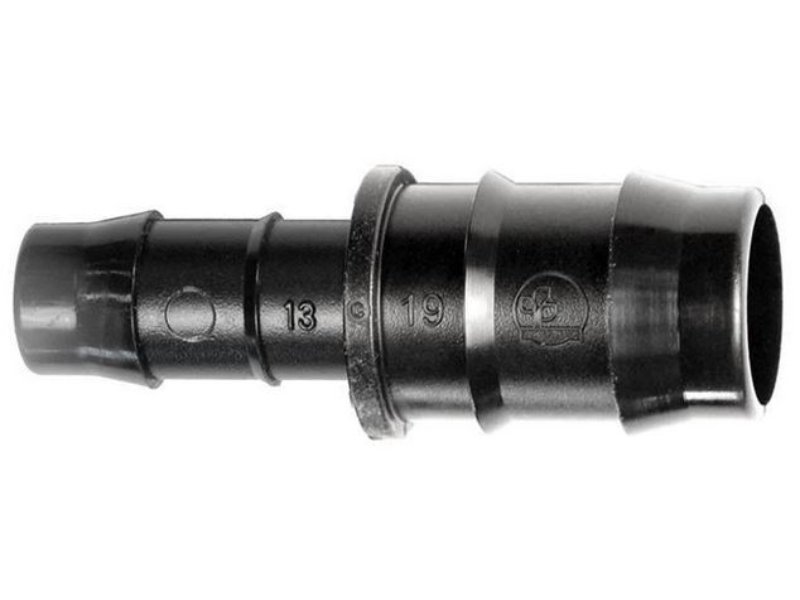
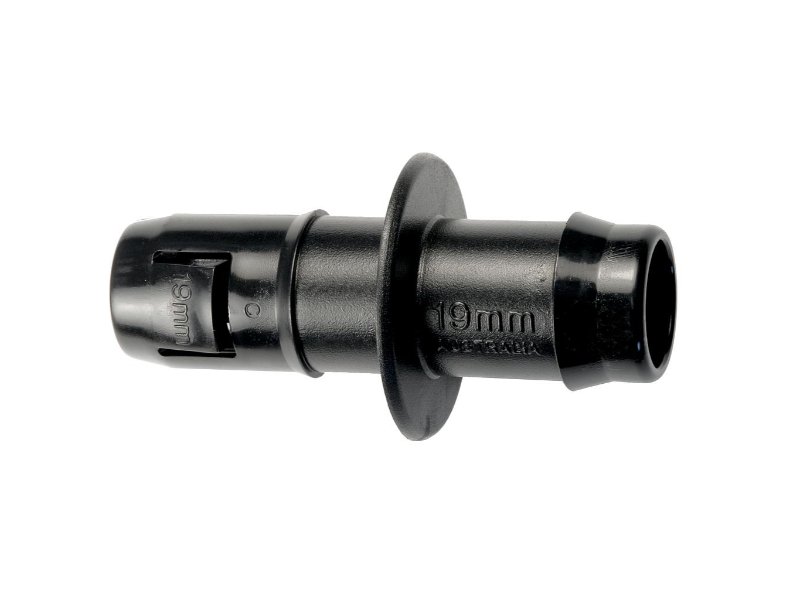
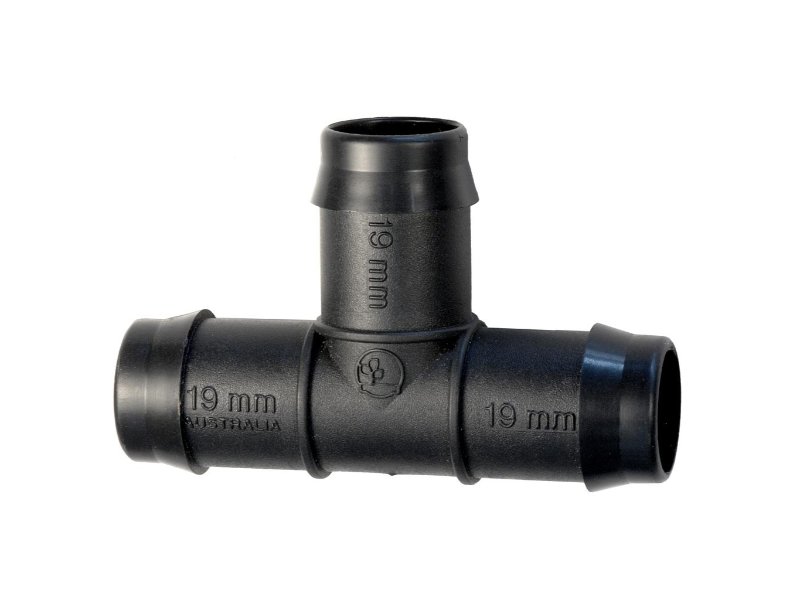
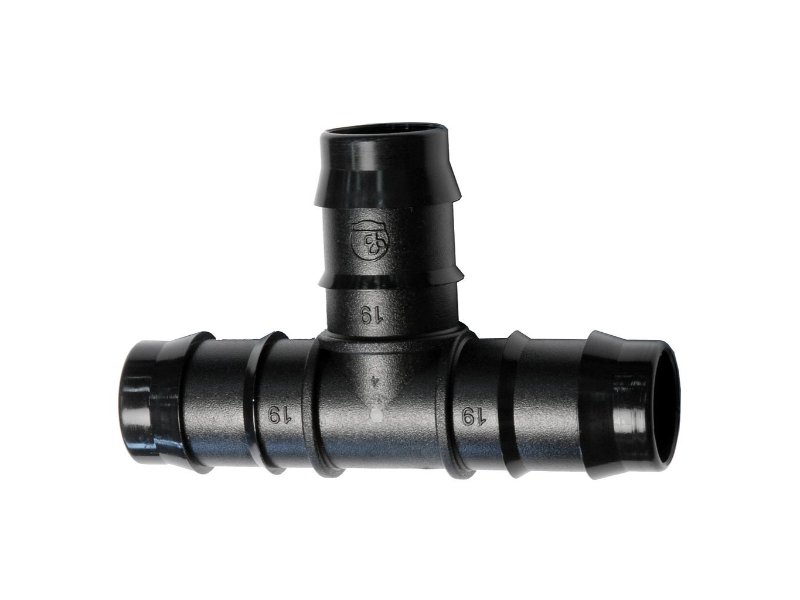
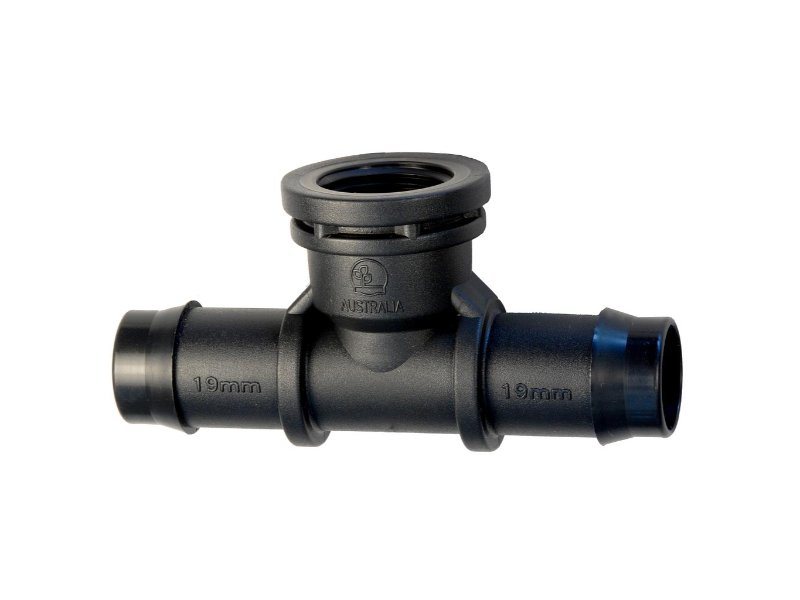
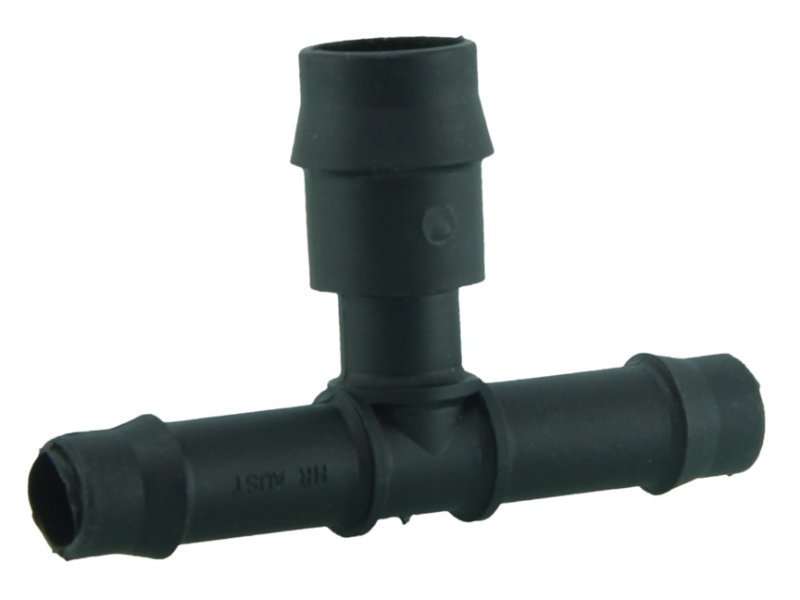
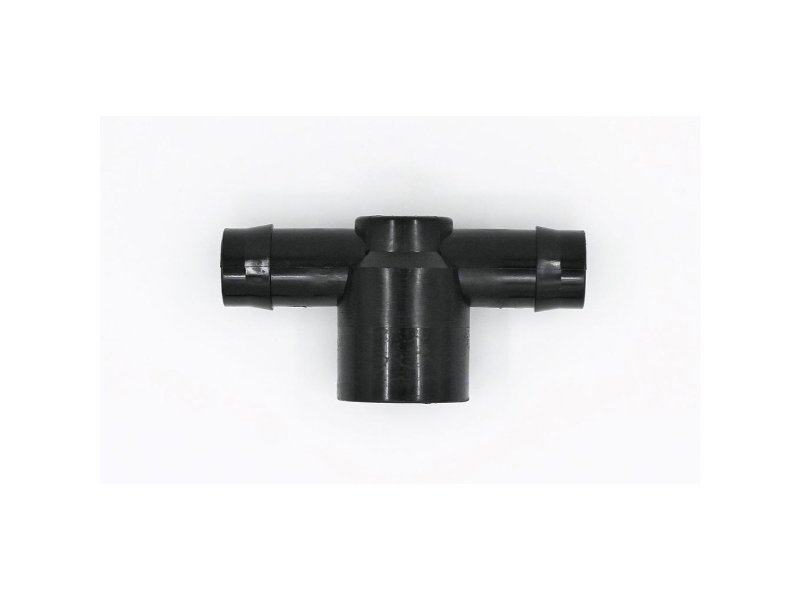
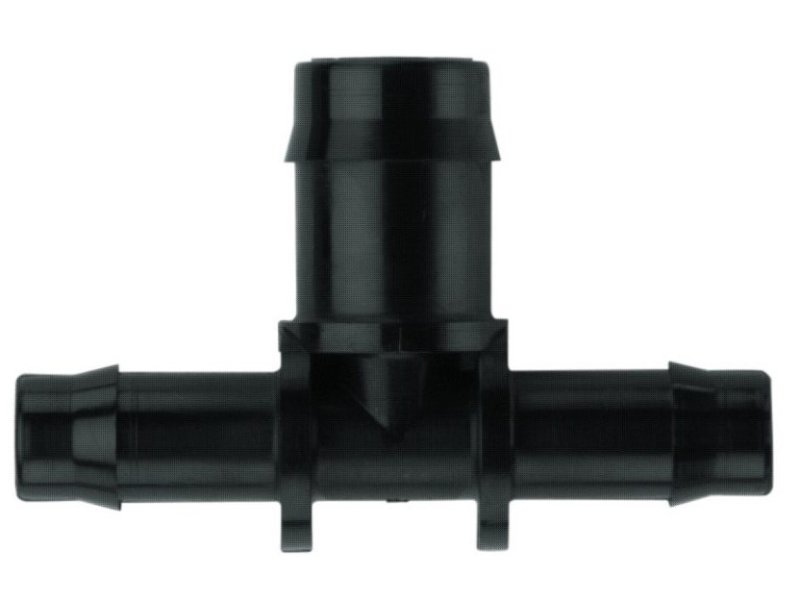
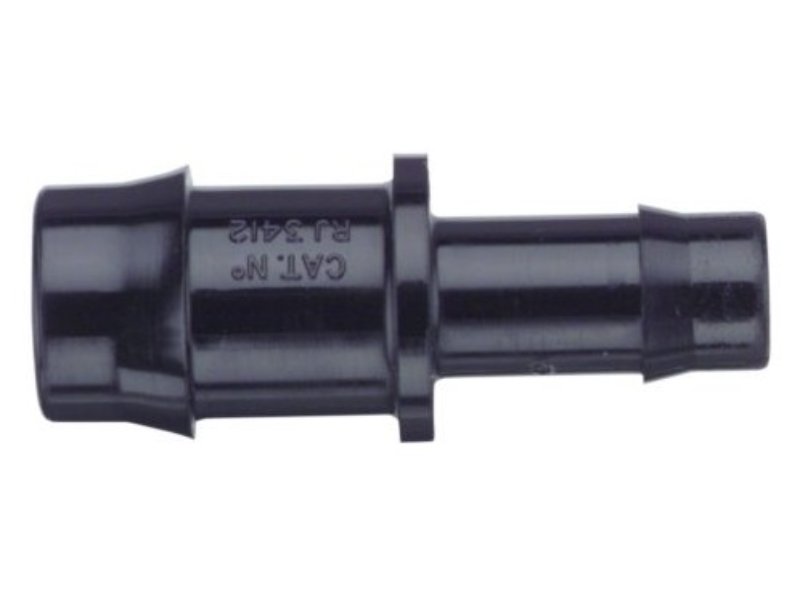
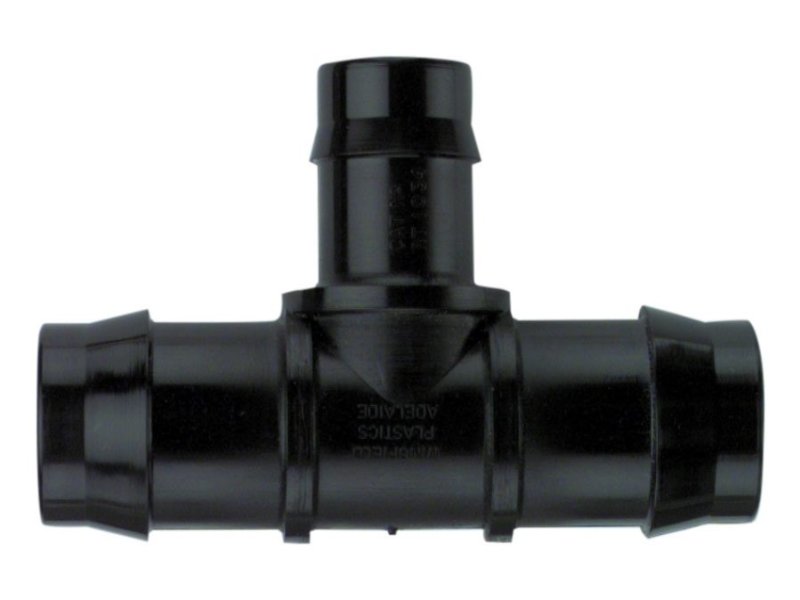
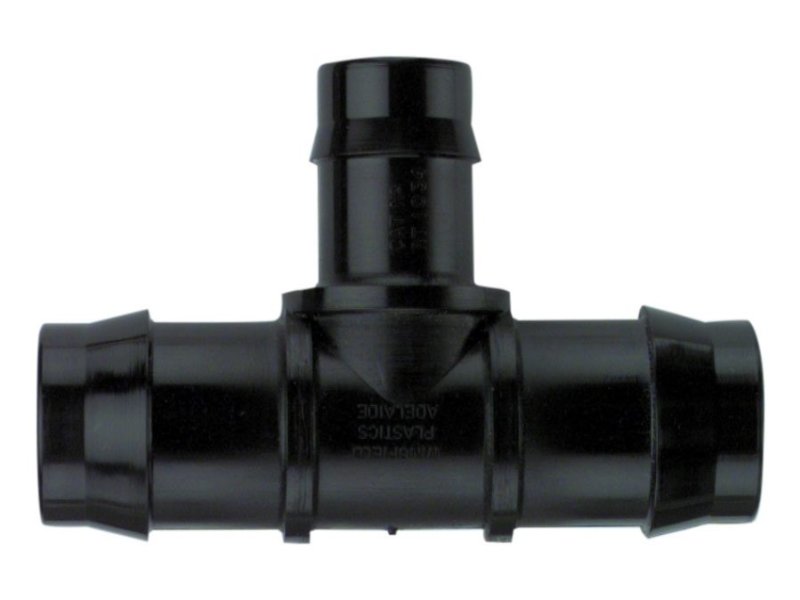
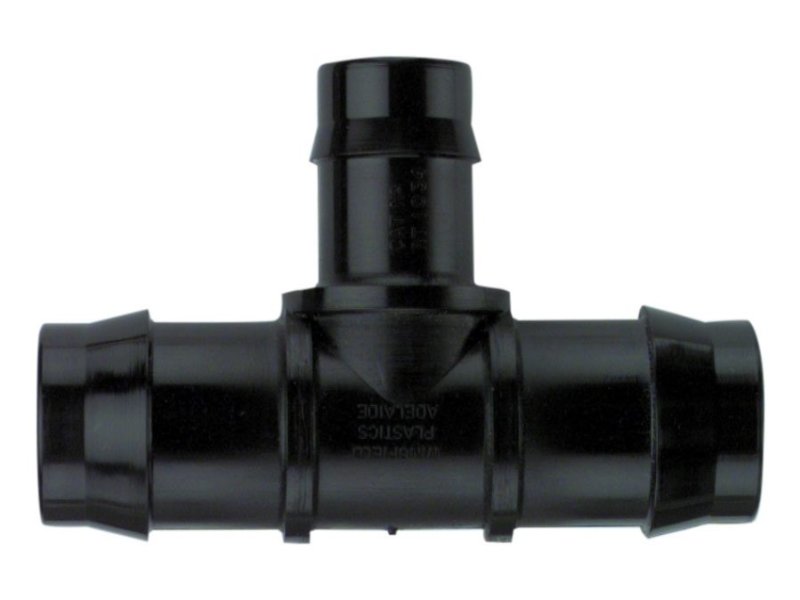
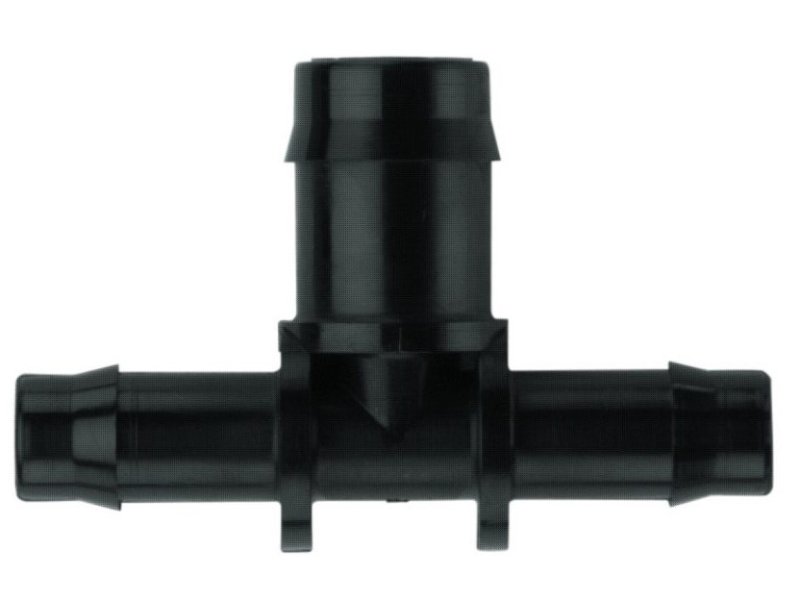
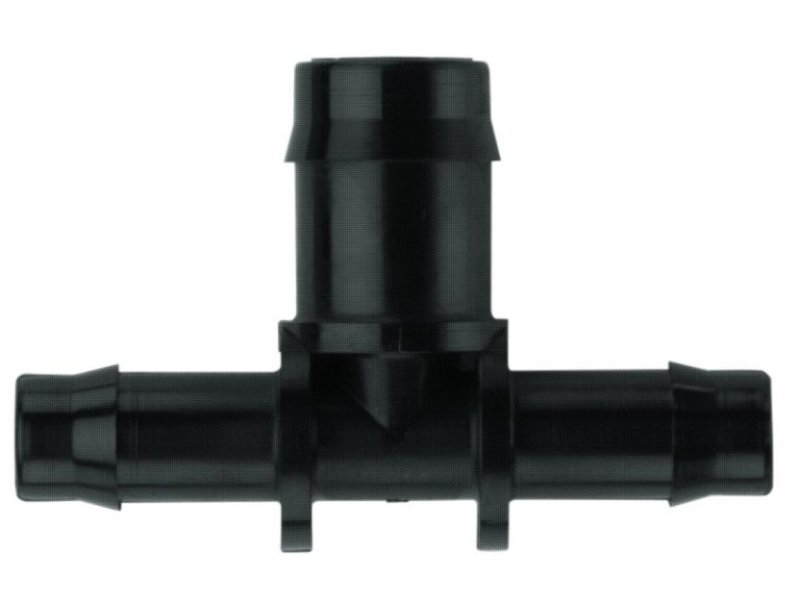
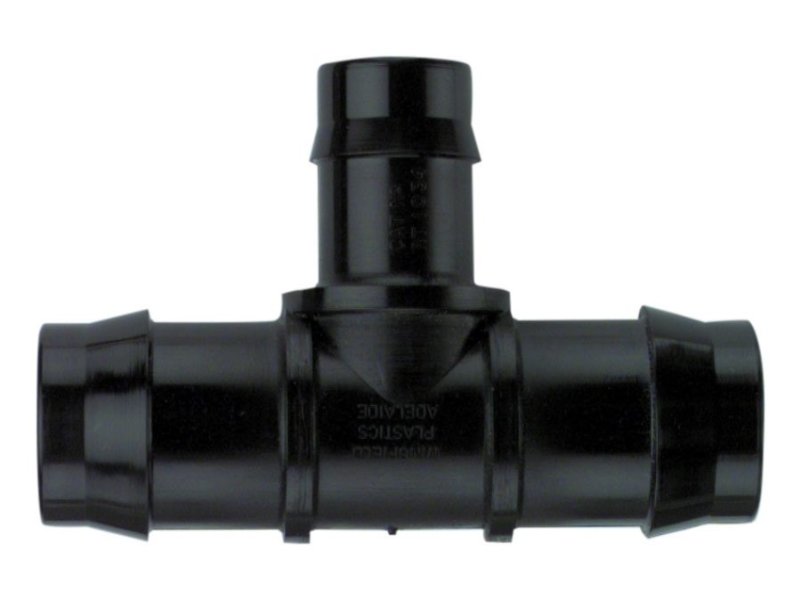
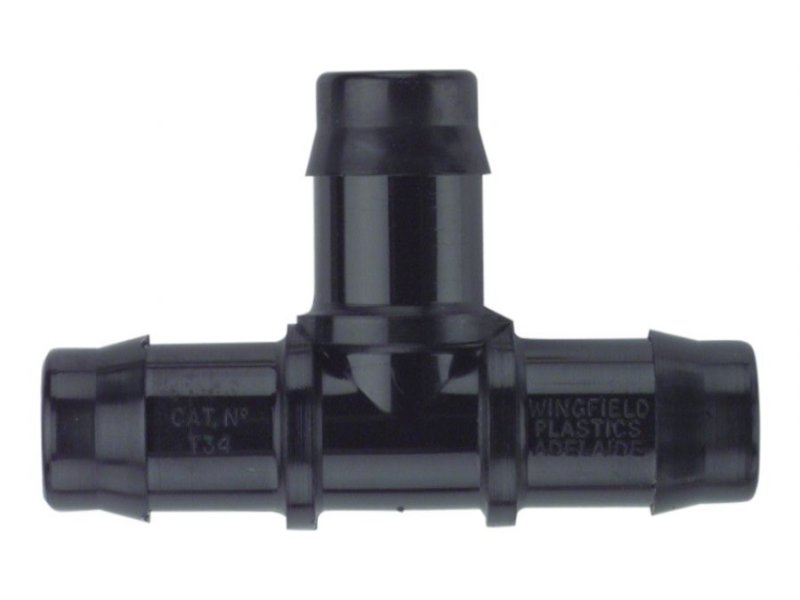
Antelco Lateral Reducing Tee 19 line x 13 branch Double Barbed (47535)
$1.49 Add to cart -
-
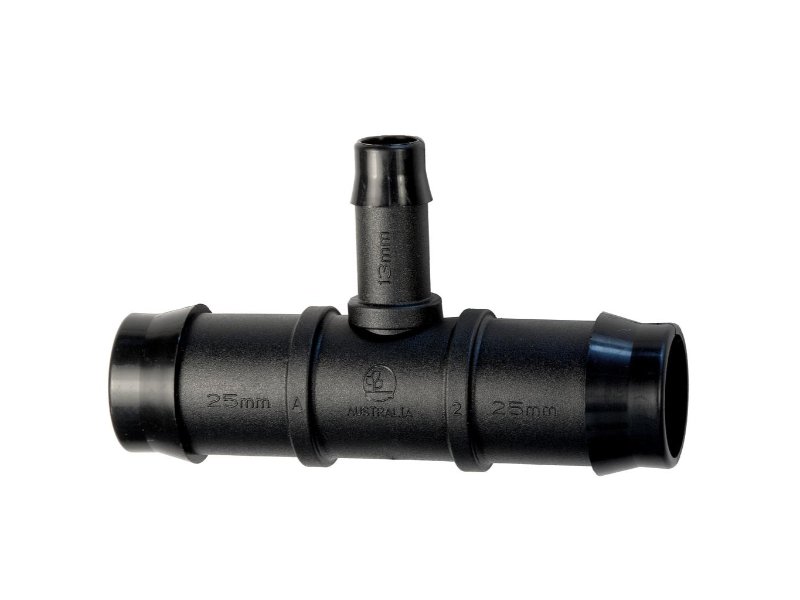
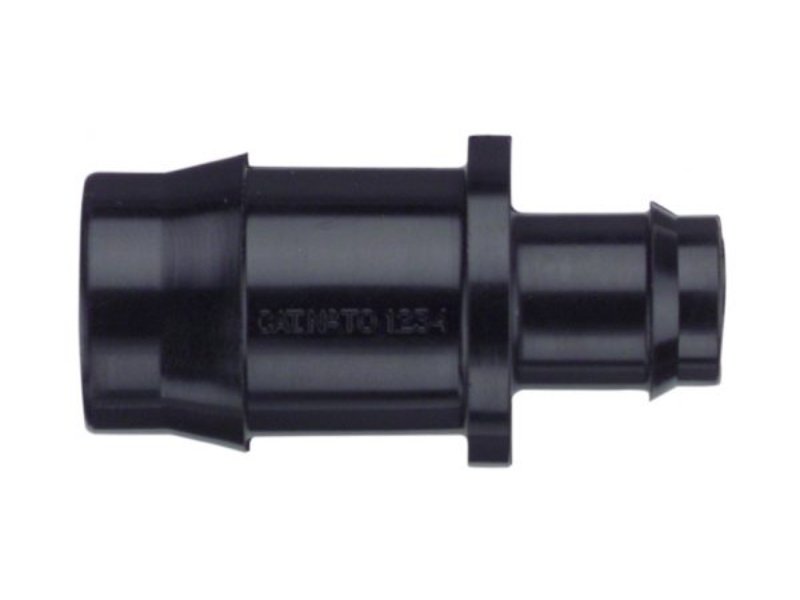
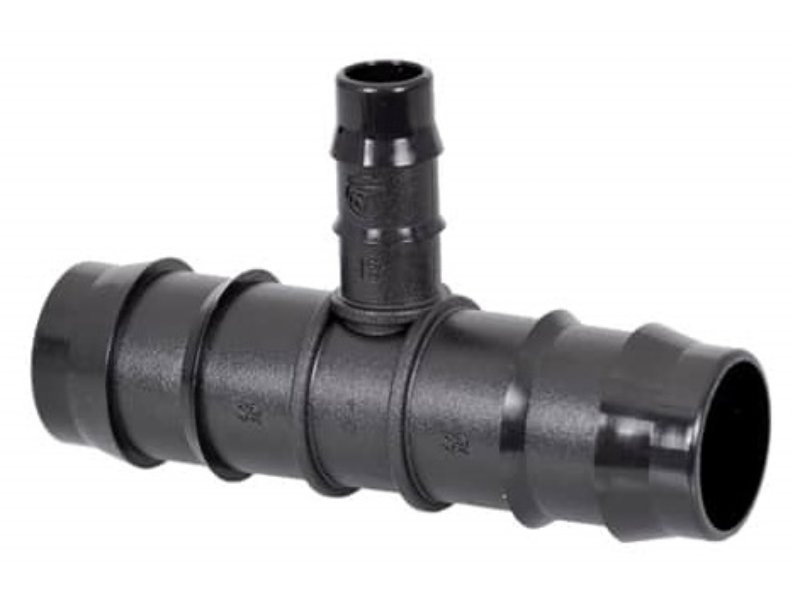 Lateral Fittings
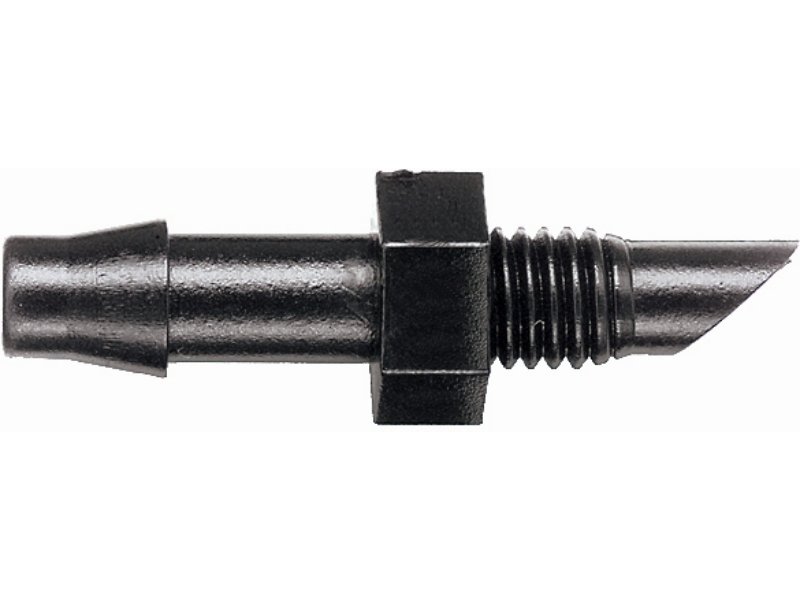
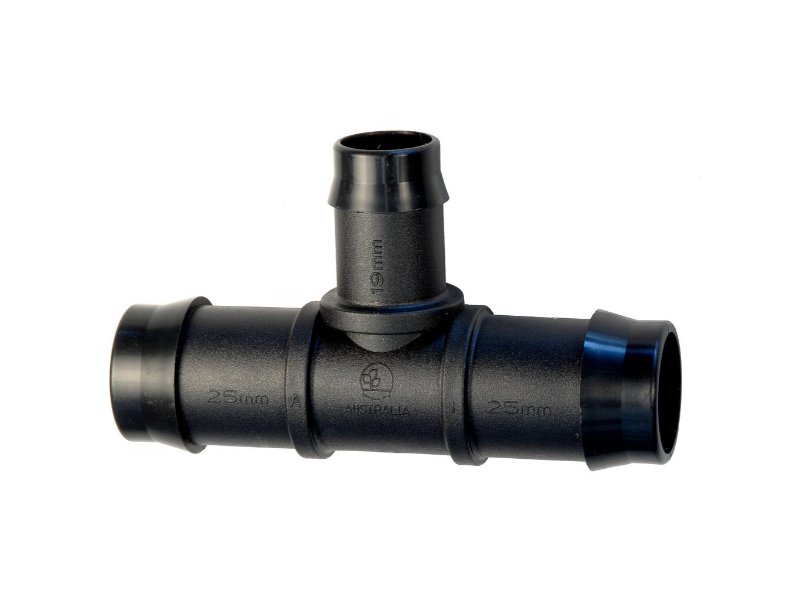
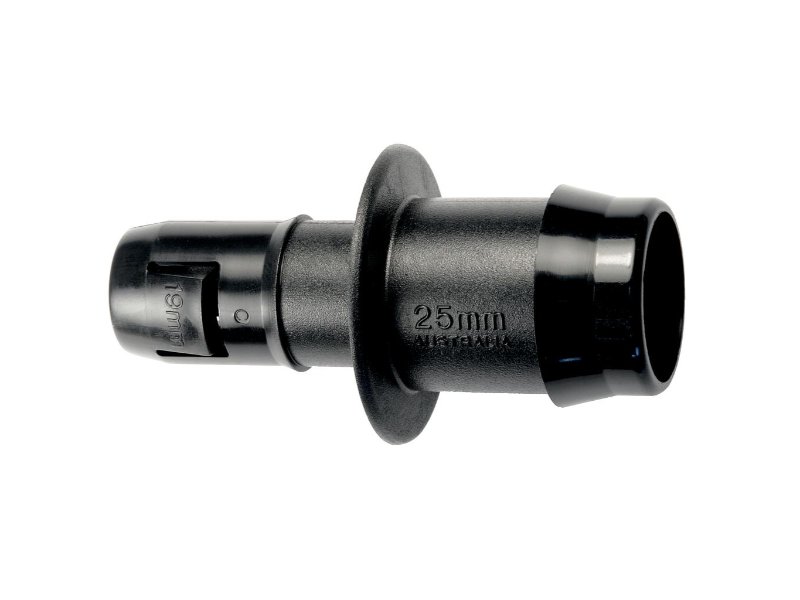
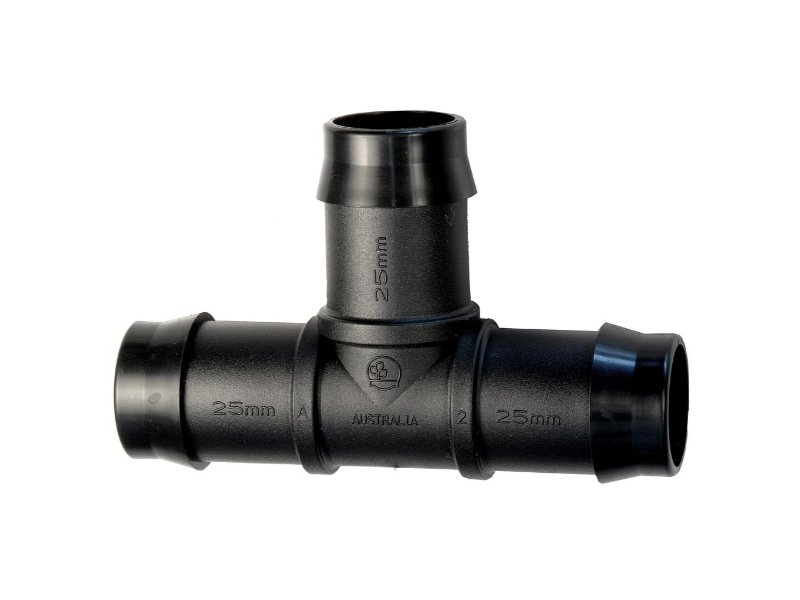
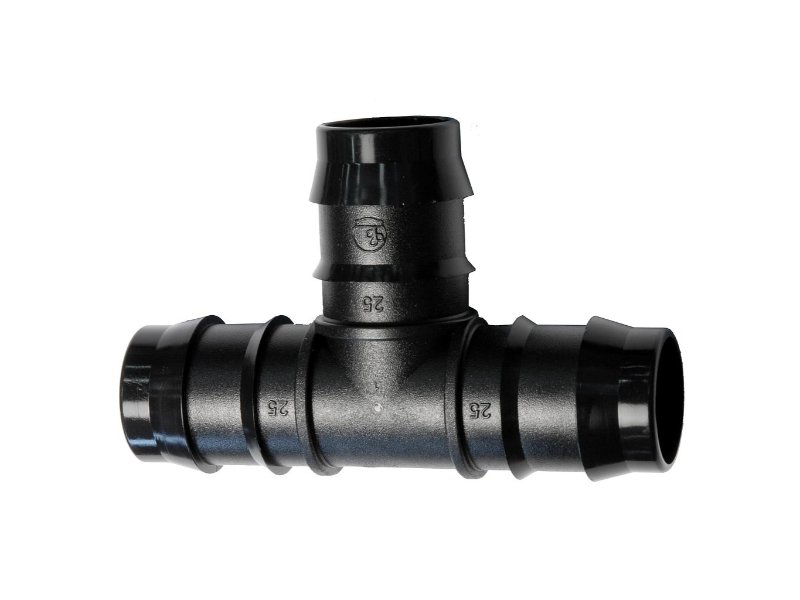
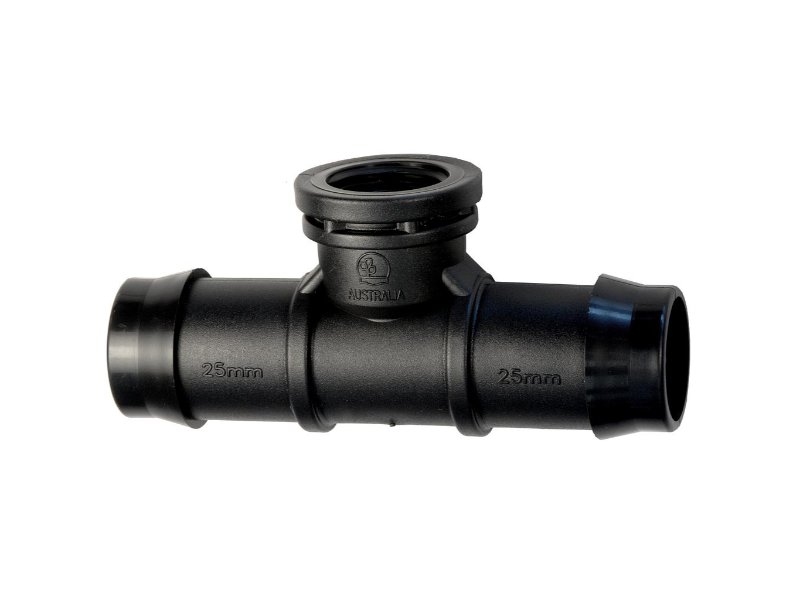
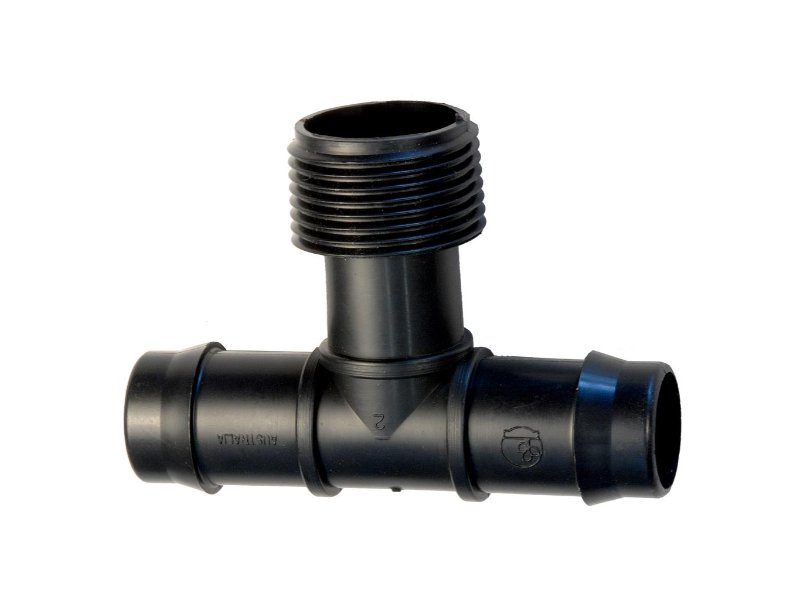
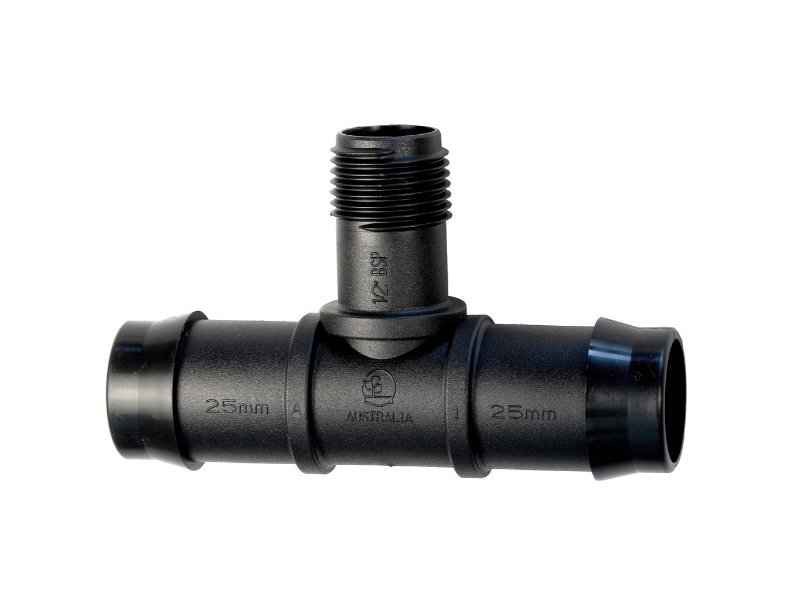
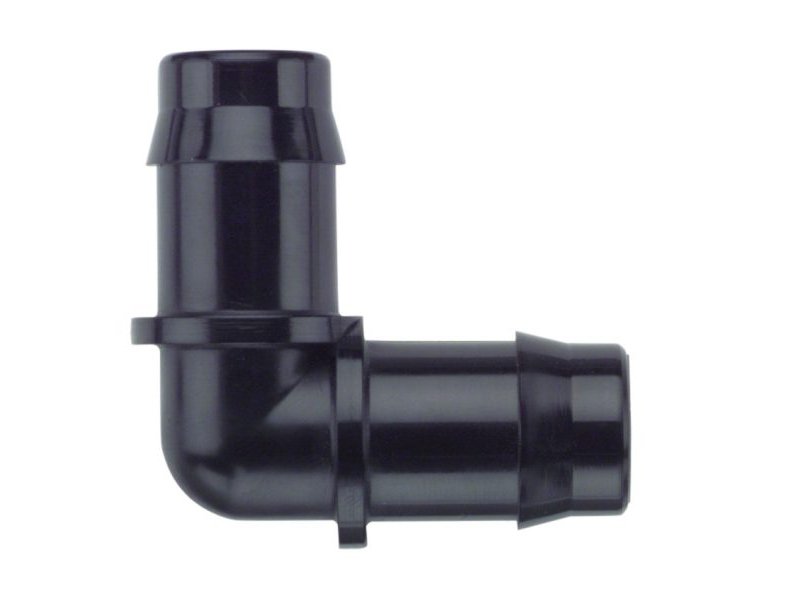
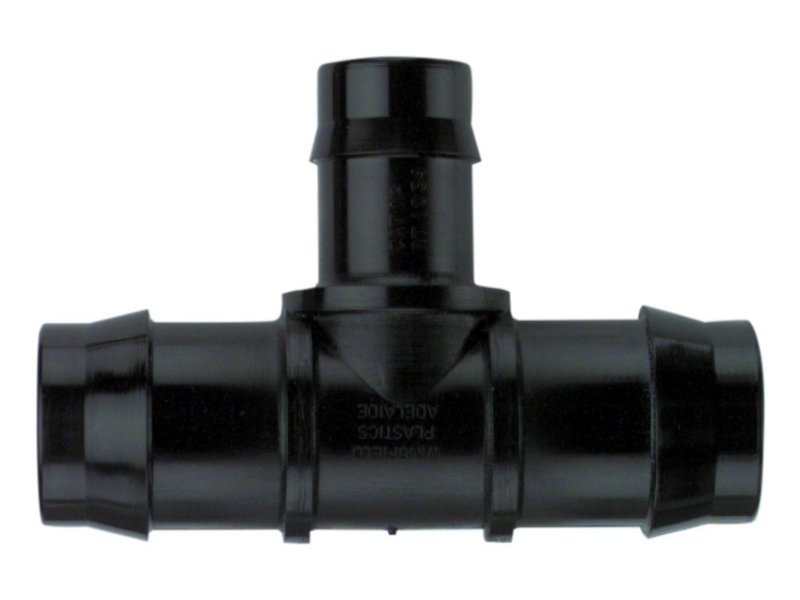
Antelco Lateral Reducing Tee 25 line x 13 branch Double Barbed (47585)
$2.10 Add to cart -
-
-
-
-
-
-
-
-
-
-
-
-
-
-
-
-
-
-
-
-
-
-
-
-
-
-
-
-
-
-
-
-
-
-
-
-
-
-
-
-
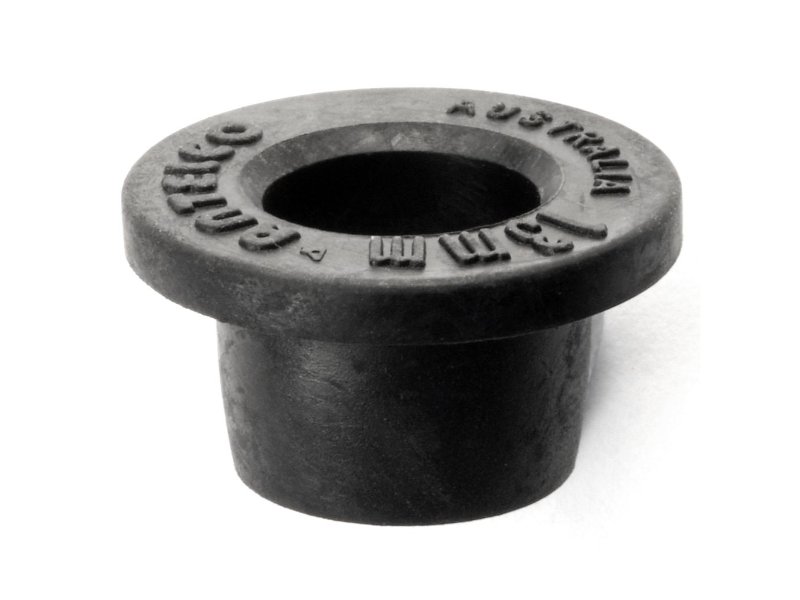
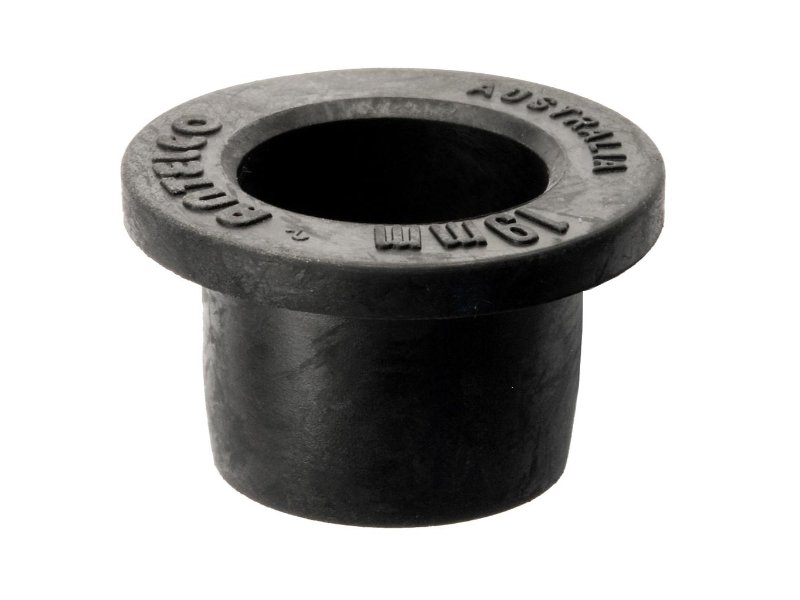
-
-
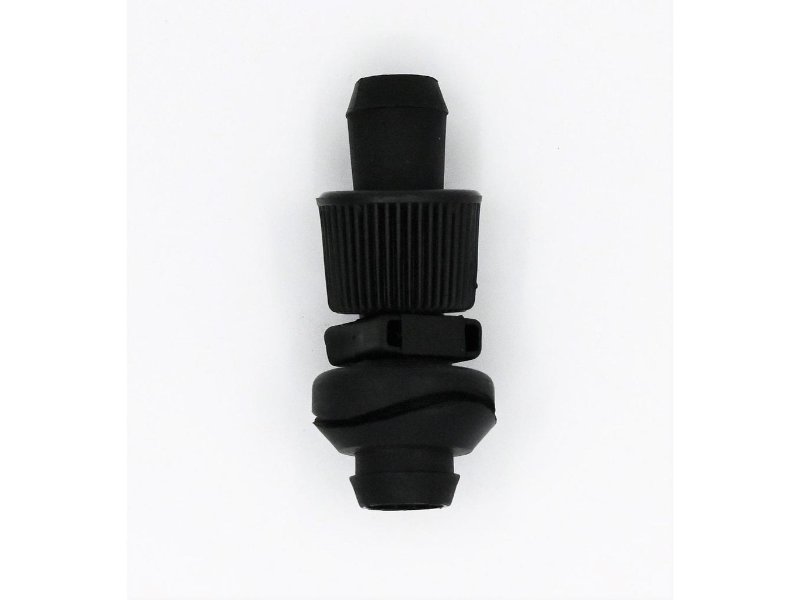
-
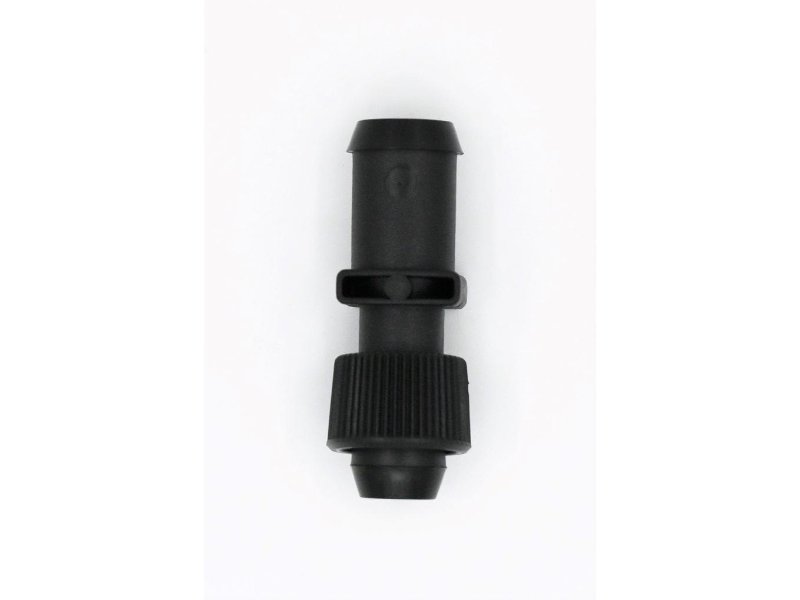
-
-
-
-
-
-
-
-
-
-
-
-
-
-
-
-
-
-
-
-
-
-
-
-
-
-
-
-
-
-
-
-
-
-
-
-
-
-
-
-
-
-
-
-
-
-
-
-
-
-
-
-
-
-
-
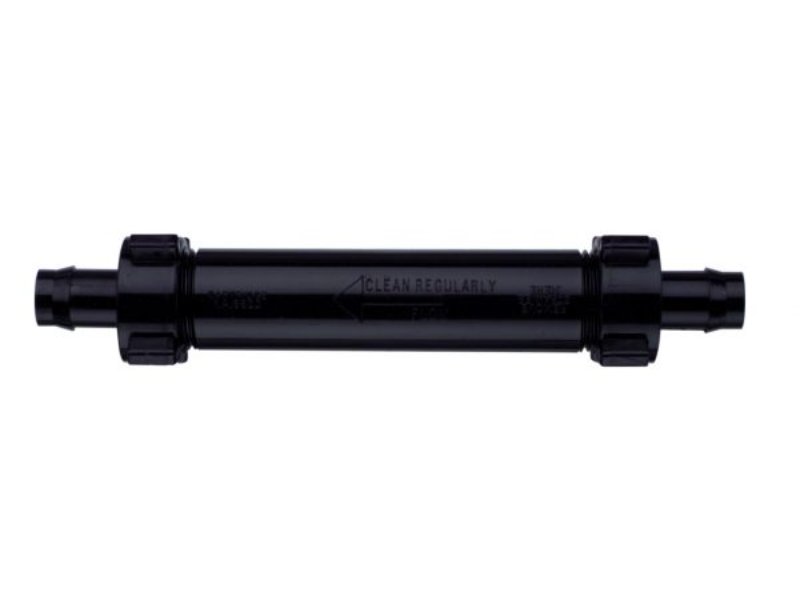
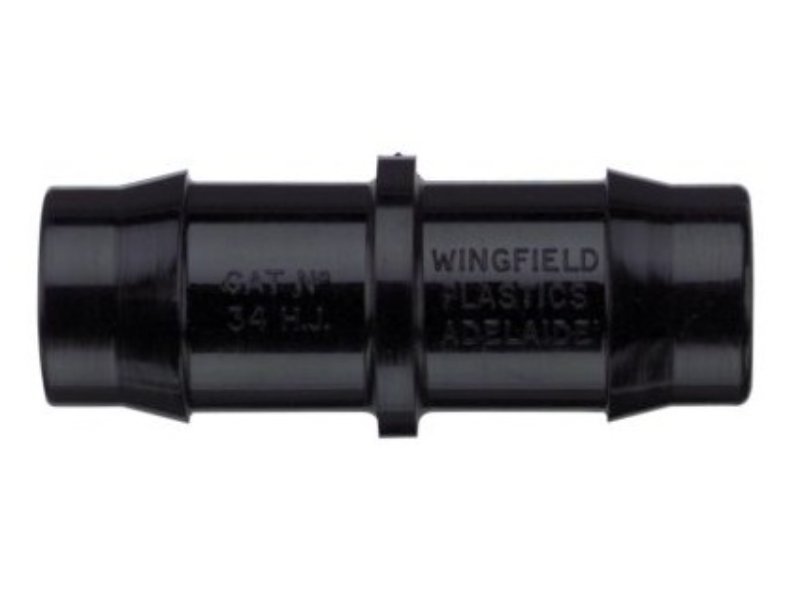
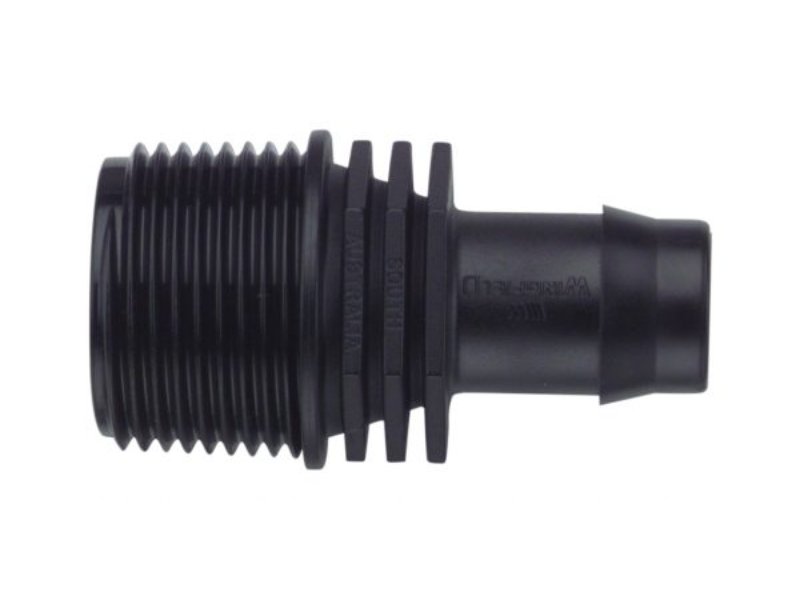
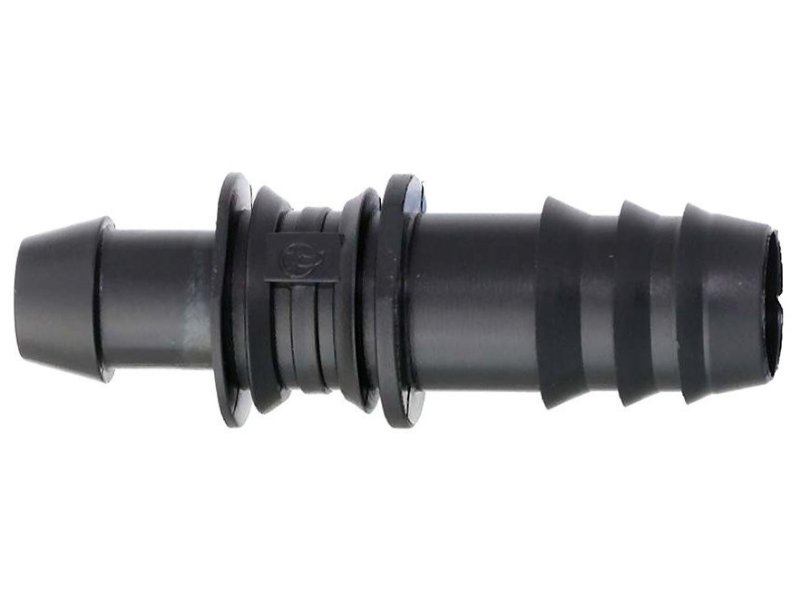
Drip and trickle irrigation systems deliver water directly to the roots of plants in a slow and steady manner. This method minimizes evaporation and runoff, making it an efficient choice for conserving water in any garden setting. By targeting the soil around each plant, these systems help maintain consistent moisture levels without wasting resources on surrounding areas. Many gardeners appreciate how this approach reduces weed growth since only the desired plants receive moisture. It also lowers the risk of fungal diseases that can occur from overhead watering. Over time, users often notice healthier plant development and stronger root systems due to the precise delivery of water and nutrients. Implementing such irrigation can contribute to more sustainable living practices. It aligns well with efforts to reduce overall water consumption, especially in regions facing scarcity. Regular maintenance, like checking for clogs in the emitters, ensures the system continues to perform effectively throughout the growing season. In addition, these systems can be integrated with rainwater harvesting setups to further enhance eco-friendly gardening. Soil moisture sensors can automate the process, ensuring water is applied only when necessary. This level of control not only saves time but also promotes optimal plant health. Learning about the various tubing sizes and emitter rates helps in designing an effective layout for different garden zones. Many find that starting small and expanding the system gradually leads to better results and fewer adjustments later on.