Choosing the right irrigation supplies is one of the most important decisions a New Zealand farmer will make. With variable climates, diverse soils and a patchwork of regional water rules, a system that suits a Canterbury dairy farm won’t necessarily suit a Northland avocado block. This article outlines practical considerations and offers a clear guide to selecting equipment that balances productivity, cost and environmental responsibility. Greener Living Ltd., based in Auckland and supplying irrigation products across New Zealand, is referenced throughout to illustrate how local suppliers can help tailor solutions to your property.
Choosing Irrigation Supplies for New Zealand Farms
Selecting irrigation supplies starts with a good on-farm assessment. Understand your water source (surface, bore, municipal), available flow and pressure, and any consent limits imposed by your regional council. Soil type and rooting depth dictate how often and how much water is needed: free-draining sands demand different application methods to clay loams. Topography matters too — steep or uneven land changes pump sizing and the choice between pressure-based sprinklers and gravity-fed systems.
Next, match system type to enterprise and crop needs. Centre pivots and linear moves are common for pasture and broadacre crops where uniform coverage and automation are priorities. Orchards, vineyards and vegetable blocks often benefit from micro-irrigation, drip lines or micro-sprinklers that target the root zone and reduce evaporation, improving water use efficiency. For mixed farms, hybrid systems combining sprinklers for pasture and drip for horticulture give flexibility but require careful design to manage pressure and filtration differences.
Finally, focus on core components and maintenance requirements. Pumps, filters, pressure regulators and UV or sand filtration are essential where bore water or effluent irrigation is used. Choose durable materials like PE pipe and quality fittings rated for local pressures and frost/wind exposure. Controllers, soil moisture sensors and telemetry enhance scheduling and compliance reporting; investing in reliable monitoring reduces waste and helps meet regional water-use reporting obligations. Local suppliers such as Greener Living Ltd. can assist with sourcing compatible parts and arranging installation and servicing across New Zealand.
Greener Living’s Guide to Farm Irrigation Choices
Greener Living Ltd. recommends starting the project with a site visit and water audit. Their experienced staff assess flow rates, check bores or surface intakes, and help determine consent requirements and meter placements. This initial step saves money by preventing oversizing pumps or buying incompatible components and ensures your design meets regional council rules and environmental best practice from the outset.
When specifying equipment, Greener Living advises prioritising reliability and parts availability. Select pumps with service networks and proven energy-efficiency ratings — consider variable speed drives to match output to daily demand and reduce power costs. Filters should be sized to protect emitters; excess sediment in many NZ bores makes robust sand or media filtration essential. For orchards and vineyards, pressure-compensating drippers, block flushing valves and easy-to-replace lateral lines reduce downtime during the season.
Greener Living also stresses the importance of training, warranties and after-sales support. They supply controllers, telemetry kits and soil sensors alongside installation guidance so farmers can automate schedules and access usage data remotely — crucial for both efficiency and compliance. A local supplier that stocks spares and offers routine servicing means faster response times when repairs are needed. By combining appropriate hardware, good design and ongoing maintenance, farmers can build irrigation systems that boost production while protecting New Zealand’s precious water resources.
Choosing the right irrigation supplies is a balance of on-farm conditions, regulatory requirements and long-term operational considerations. Whether you’re installing a new pivot, retrofitting drip for a kiwifruit block, or upgrading filtration for bore water, a carefully designed system will save water, energy and time. For New Zealand farmers seeking practical, locally supported solutions, working with suppliers like Greener Living Ltd. — who provide nationwide supply, design help and after-sales service — can make the process smoother and more sustainable.
-
-
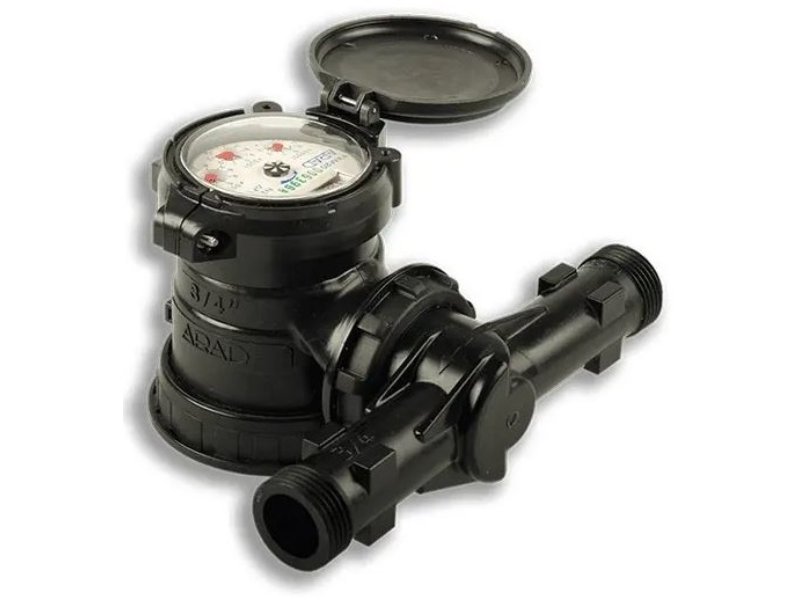
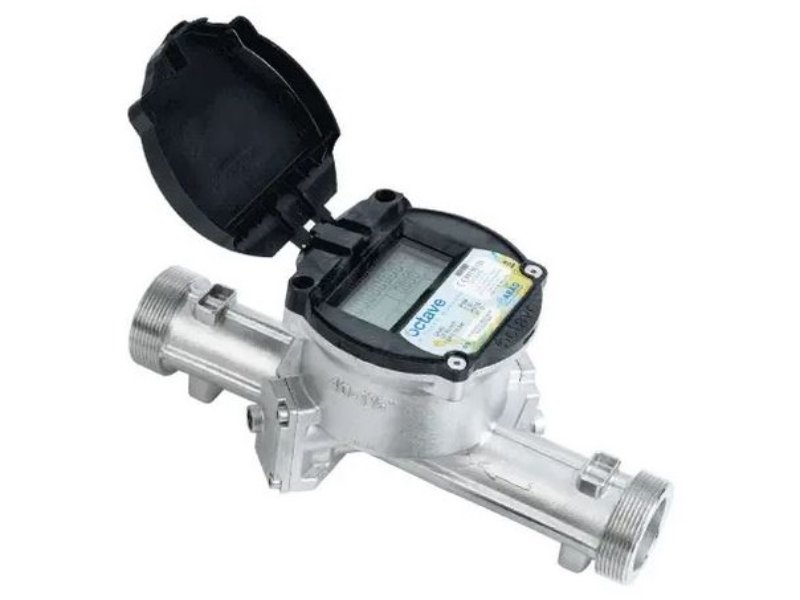
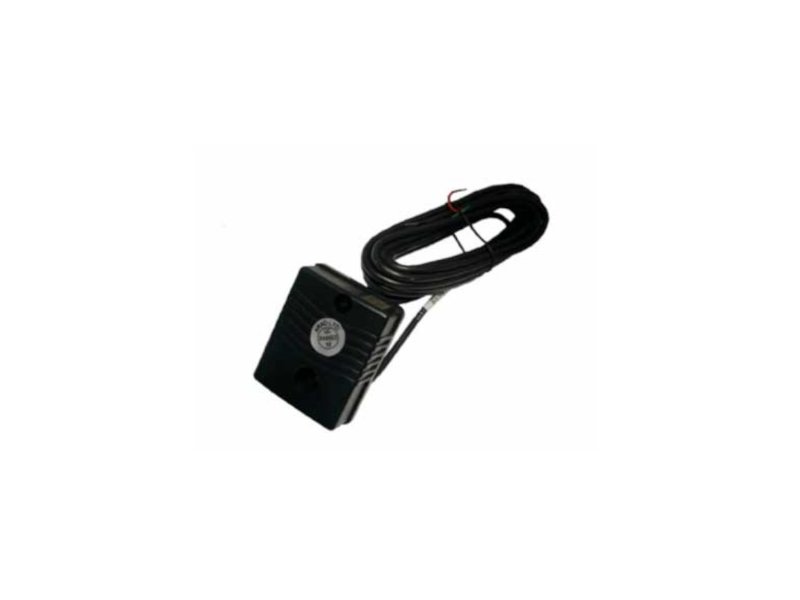 Arad Ultrasonic Meters
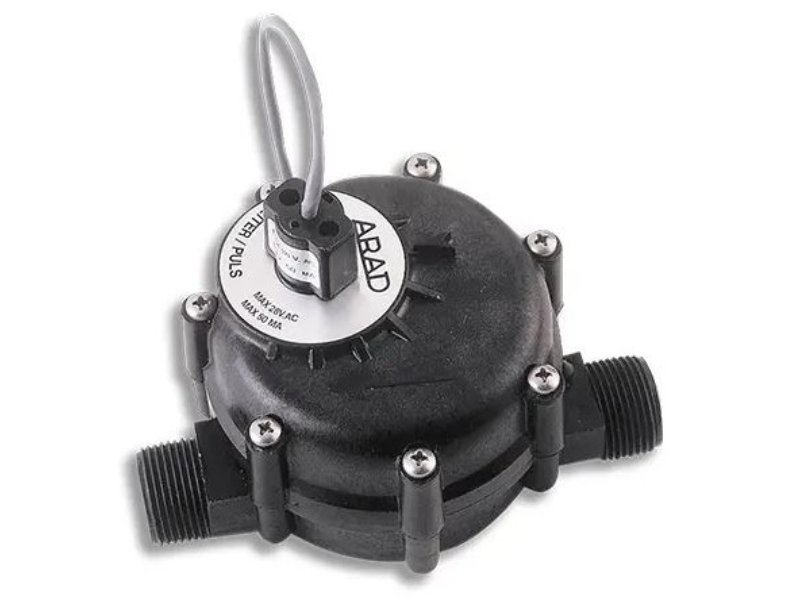
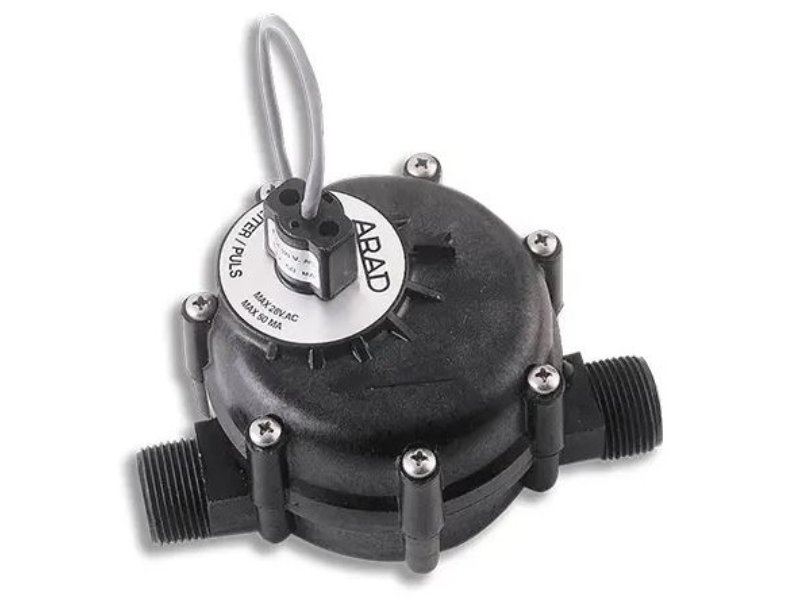
Analogue + Solid State Relay Output Adaptor for Octave (96520012)
$362.15 Add to cart -
-
-
-
-
-
-
-
-
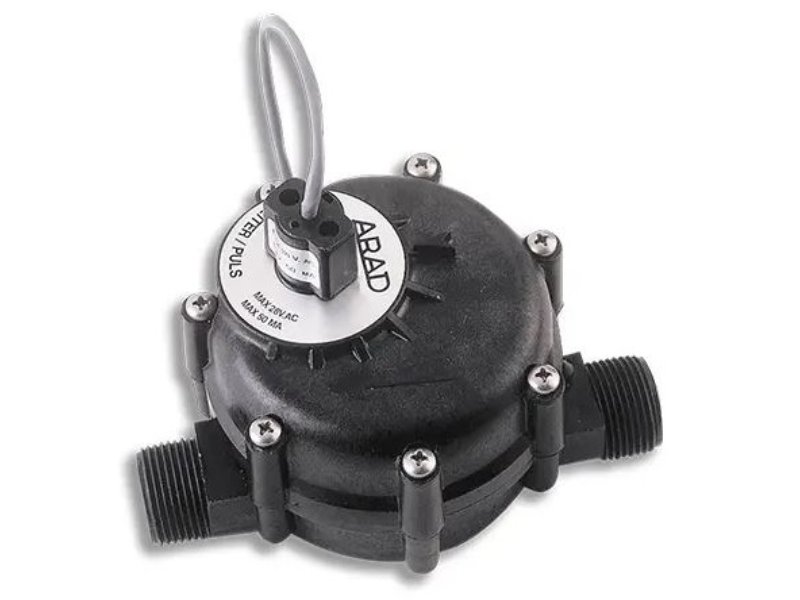
-
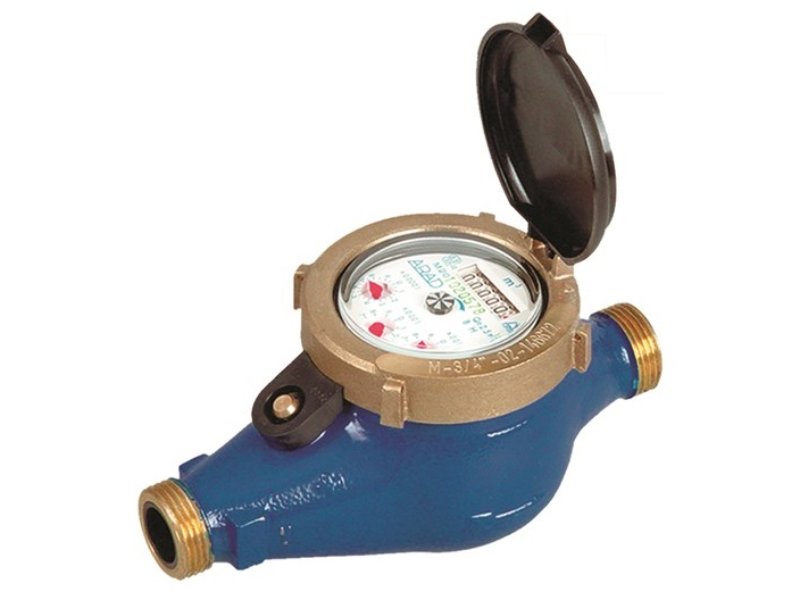
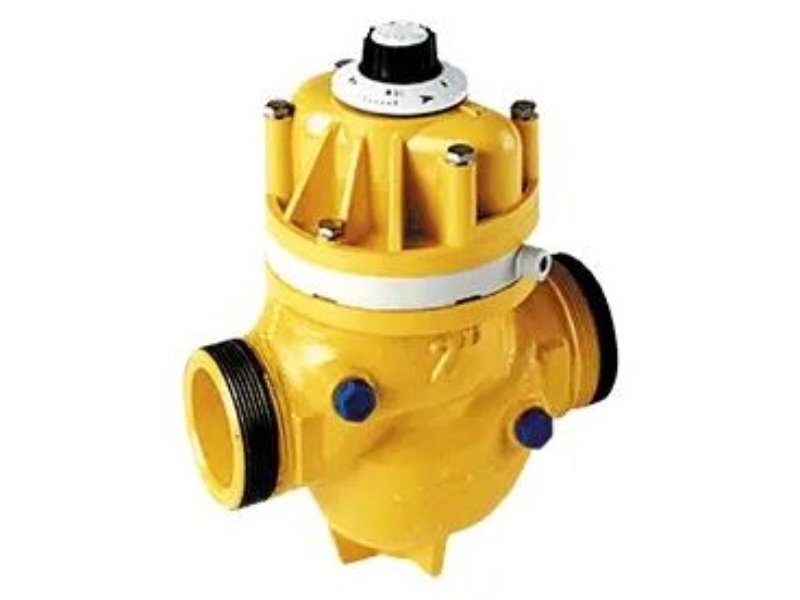 Arad Mechanical Meters
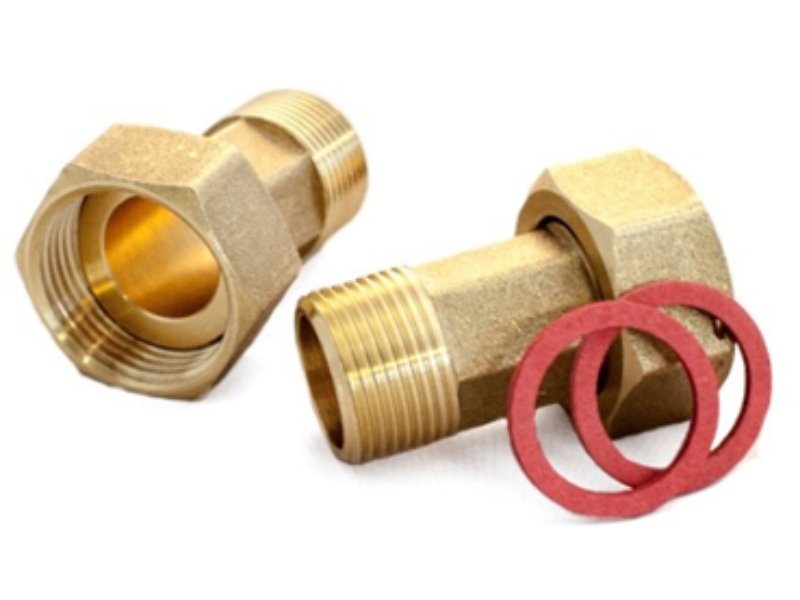
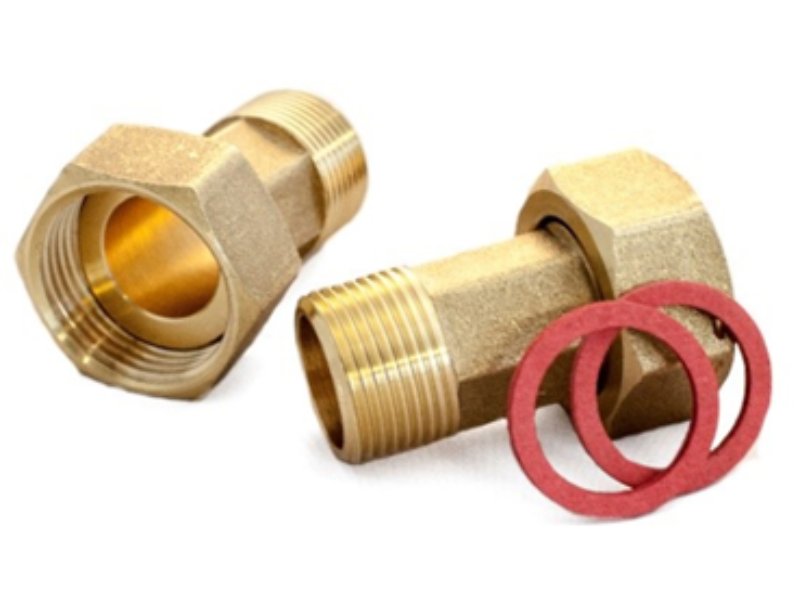
Arad Dose-o-Mat K1 1/2in 50m3 Dial Scale c/w Coupling Set
$731.41 Add to cart -
-
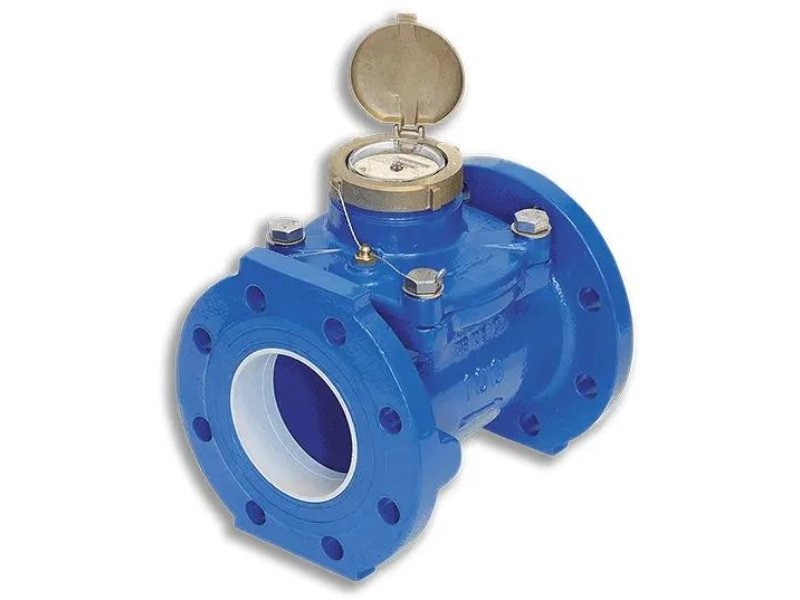 Arad Mechanical Meters
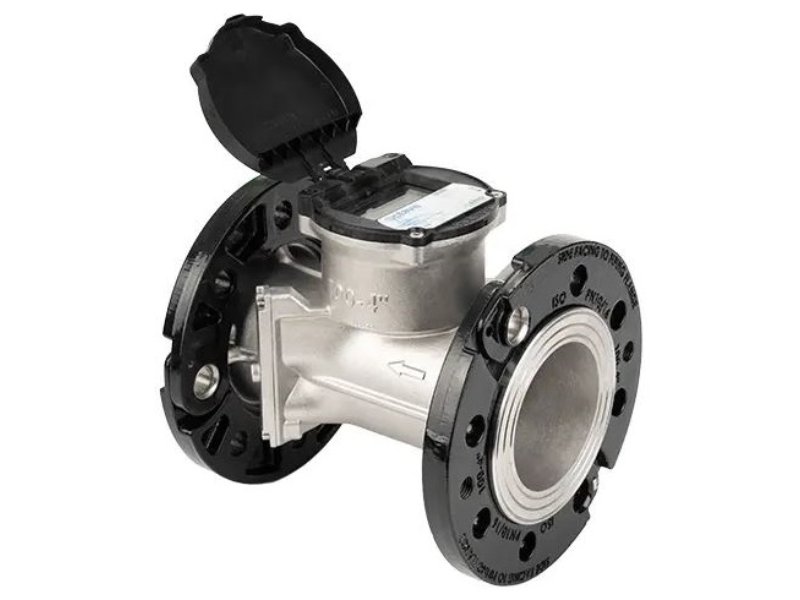
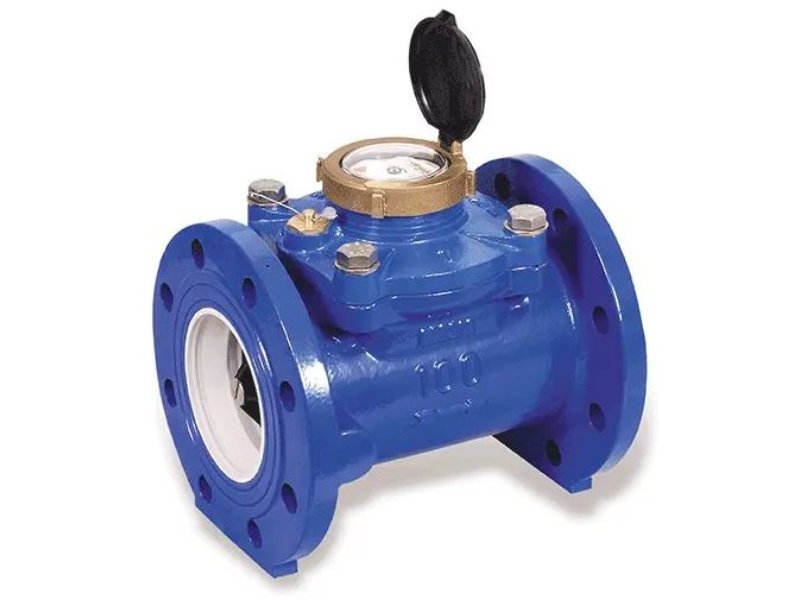
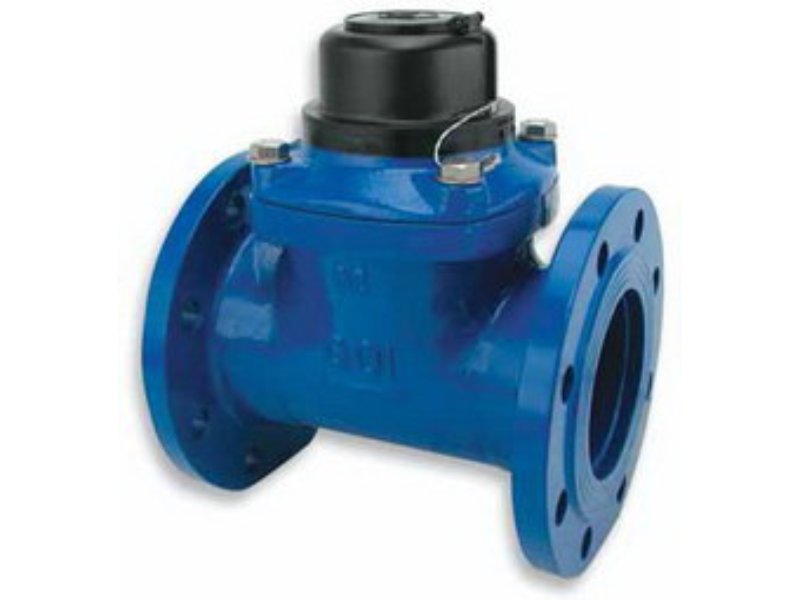
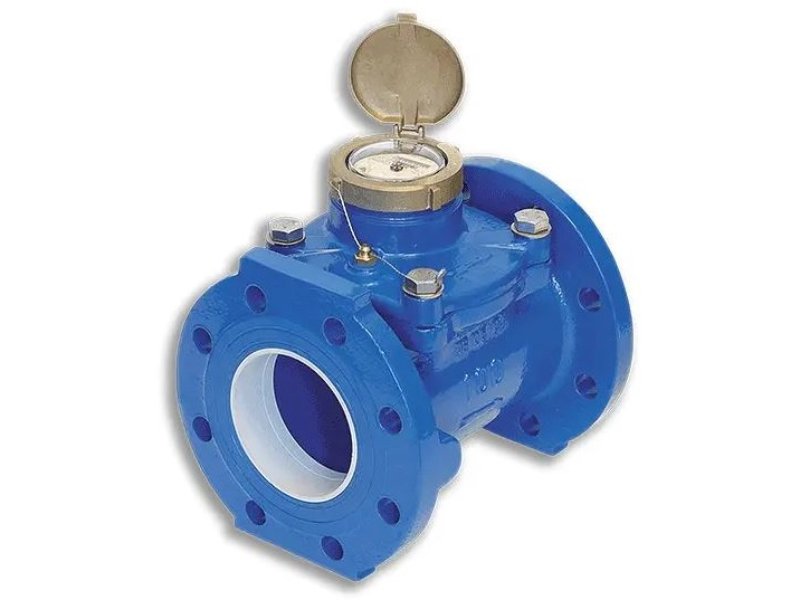
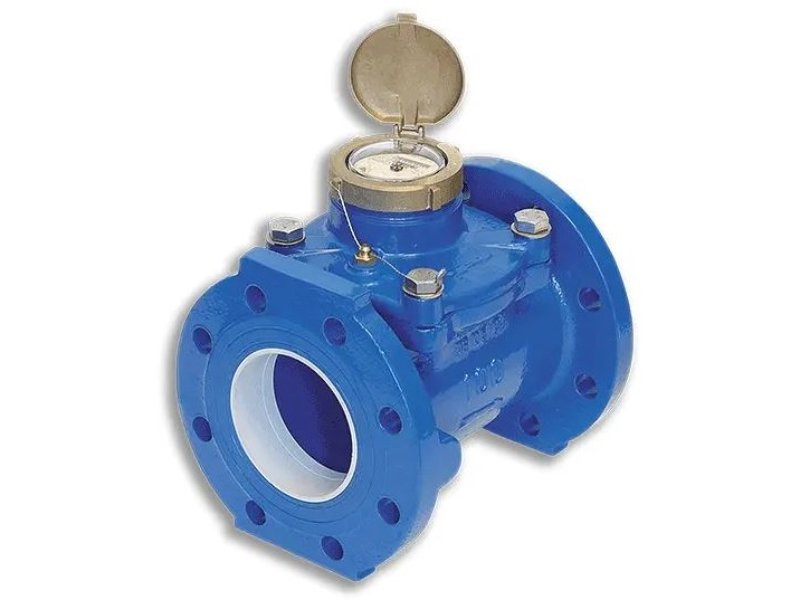
Arad IRT Water Meter 100mm Flanged c/w Electronic Register
$1,796.30 Add to cart -
-
 Arad Mechanical Meters
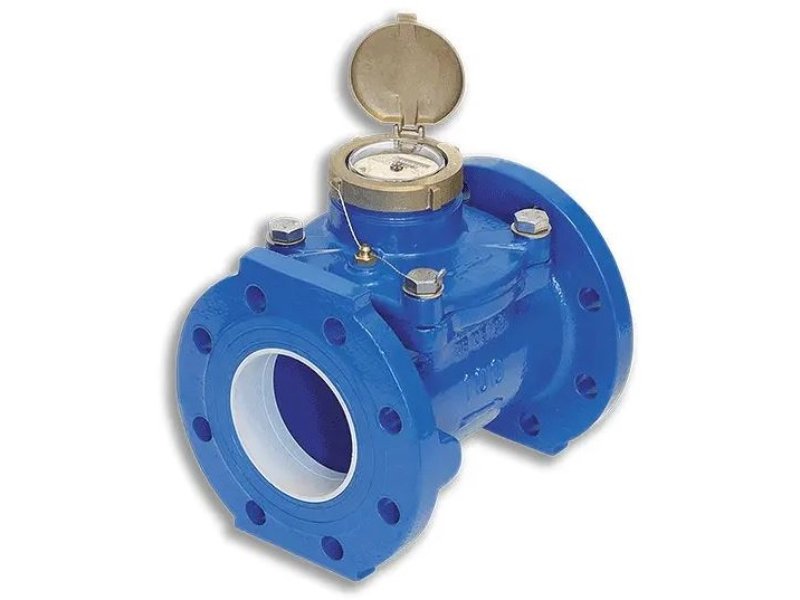
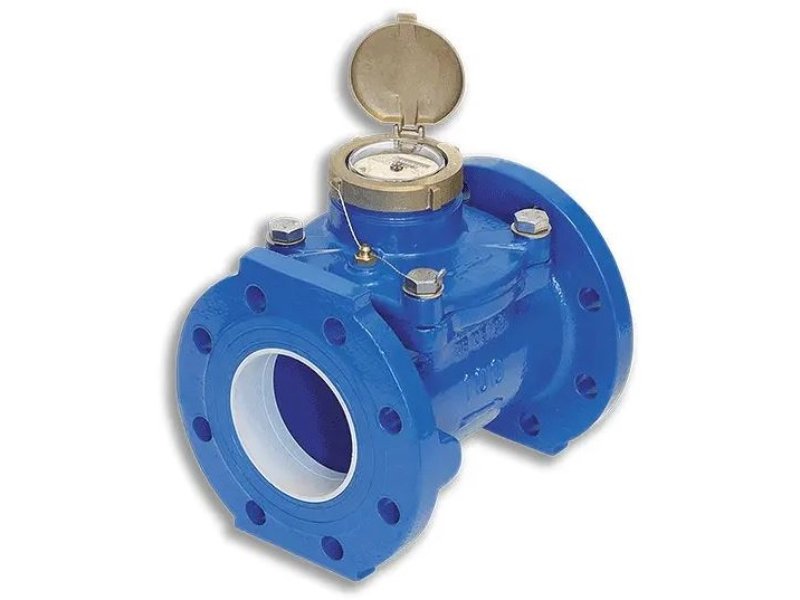
Arad IRT Water Meter 150mm Flanged c/w Electronic Register
$2,361.91 Add to cart -
-
 Arad Mechanical Meters
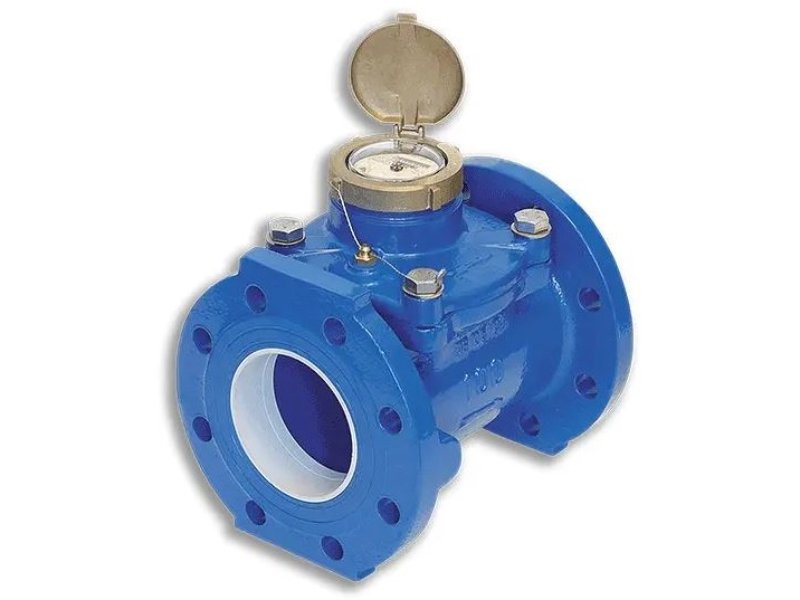
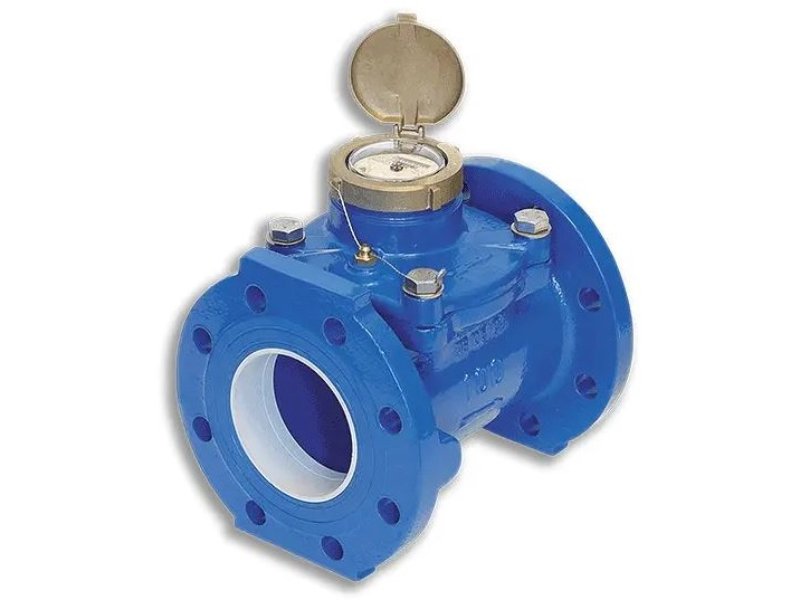
Arad IRT Water Meter 200mm Flanged c/w Electronic Register
$2,831.39 Add to cart -
-
 Arad Mechanical Meters
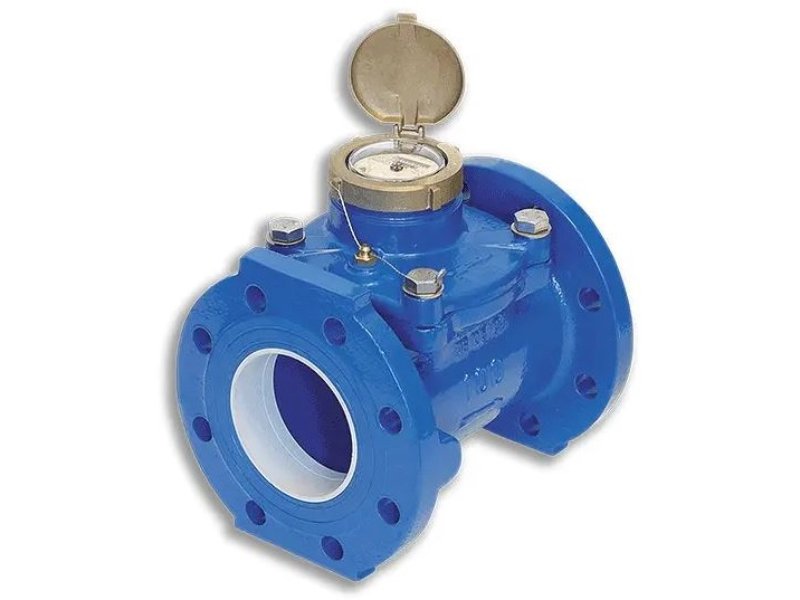
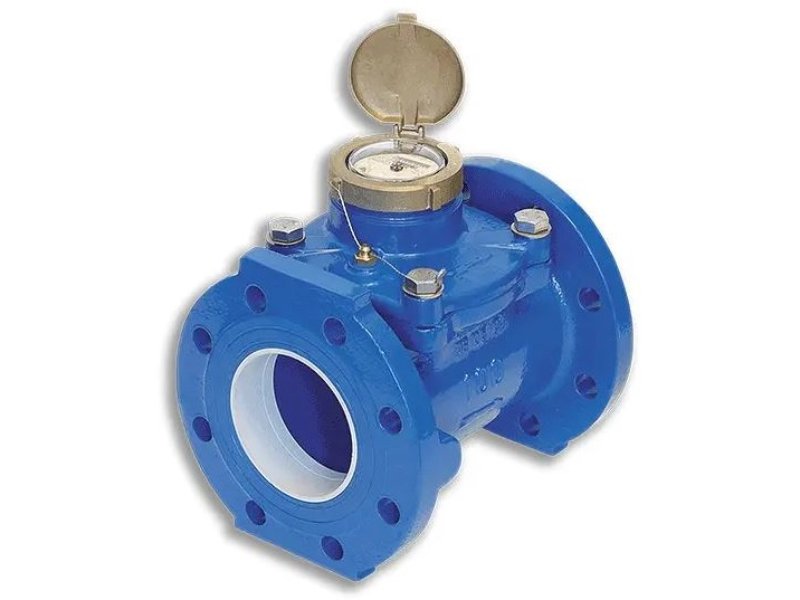
Arad IRT Water Meter 250mm Flanged c/w Electronic Register
$4,816.60 Add to cart -
-
 Arad Mechanical Meters
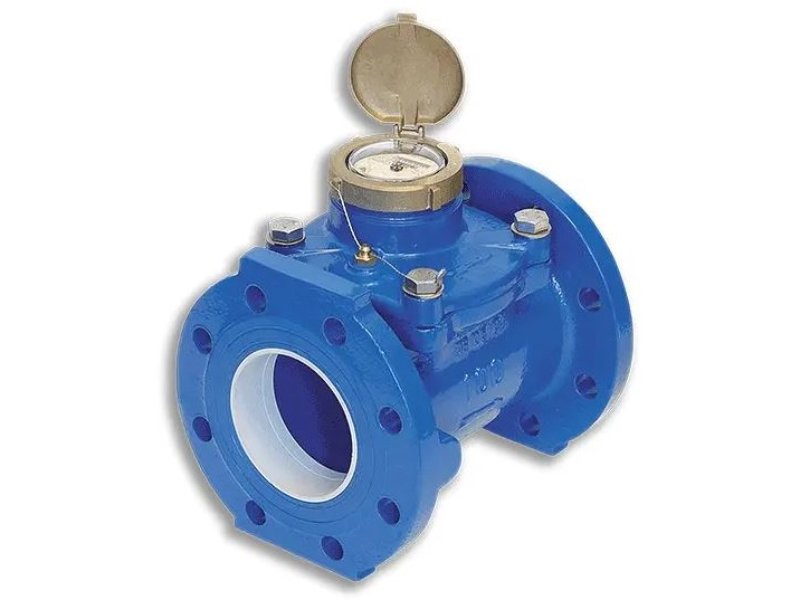
Arad IRT Water Meter 80mm Flanged c/w Electronic Register
$1,665.52 Add to cart -
-
 Arad Mechanical Meters
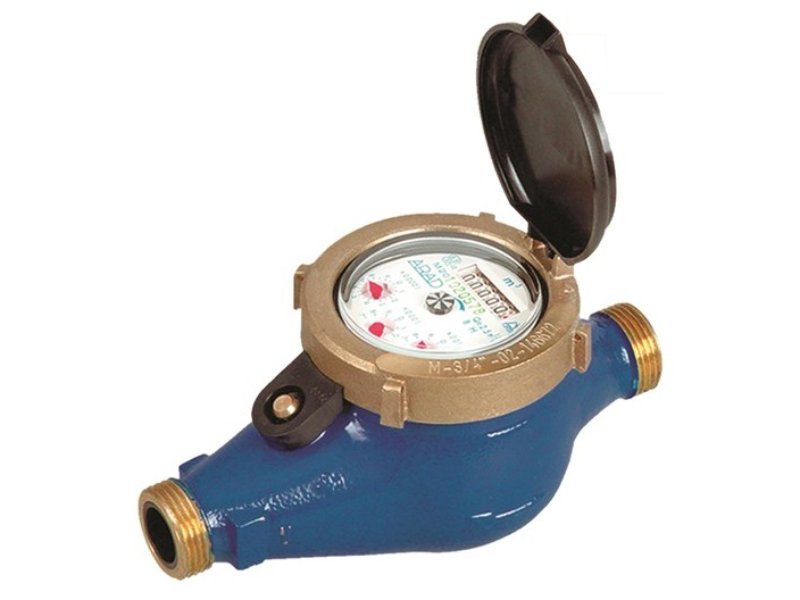
Arad M Brass Water Meter 32mm EV 1L Pulse c/w Coupling Set
$503.01 Add to cart -
-
-
-
-
-
 Arad Mechanical Meters
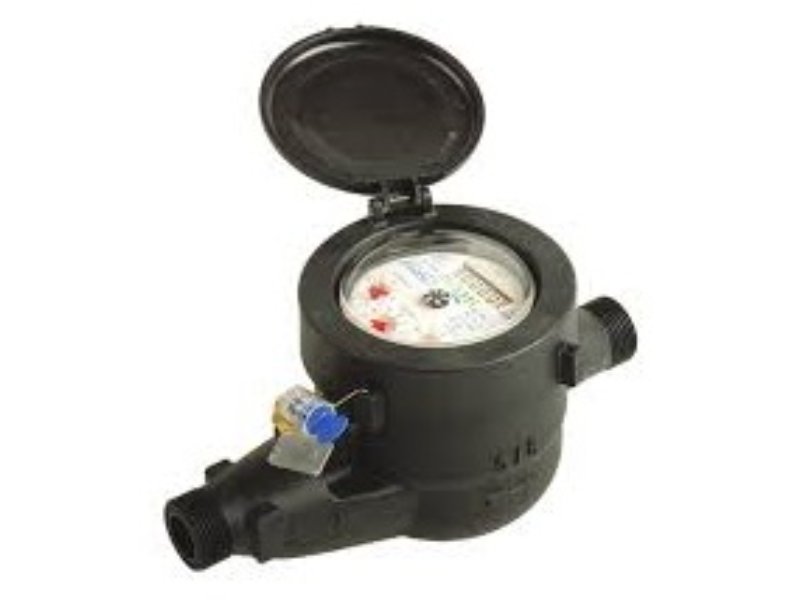
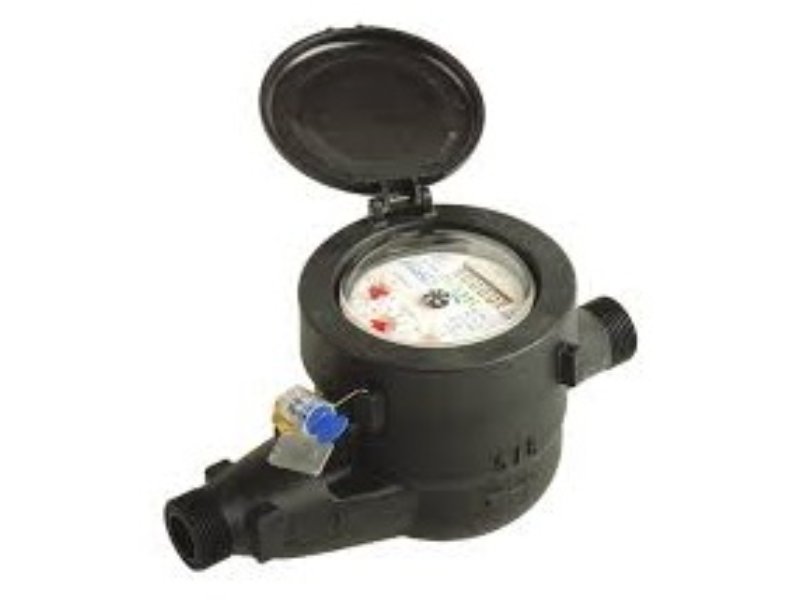
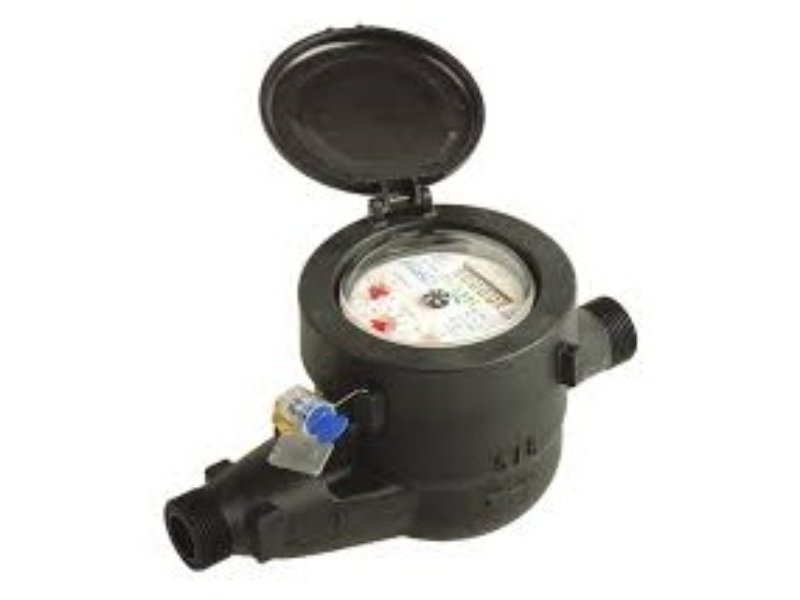
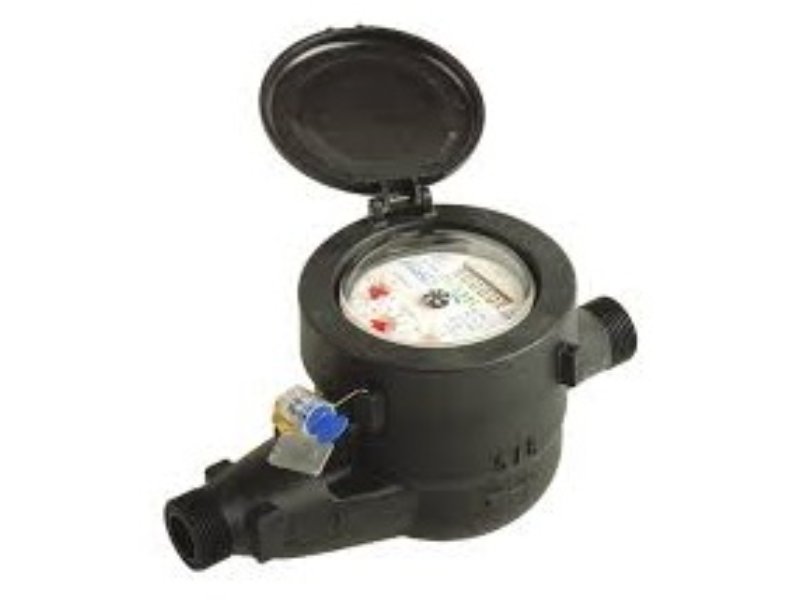
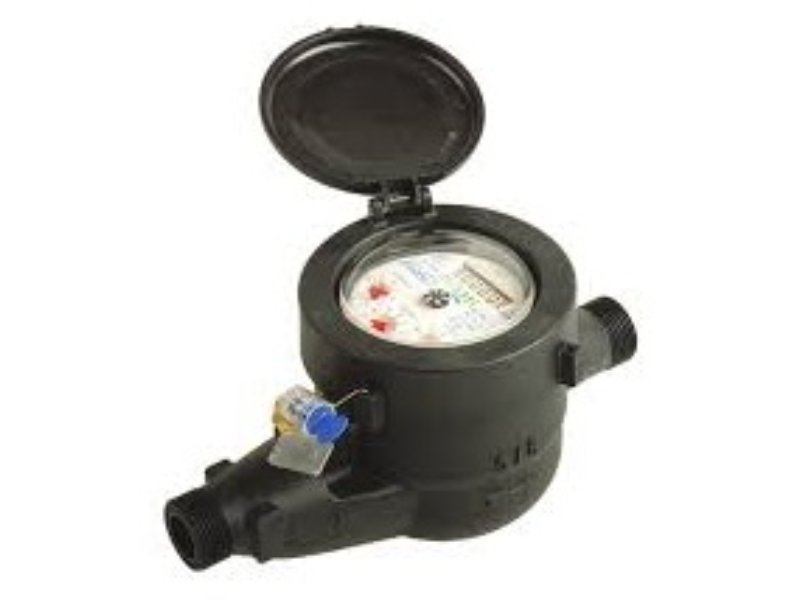
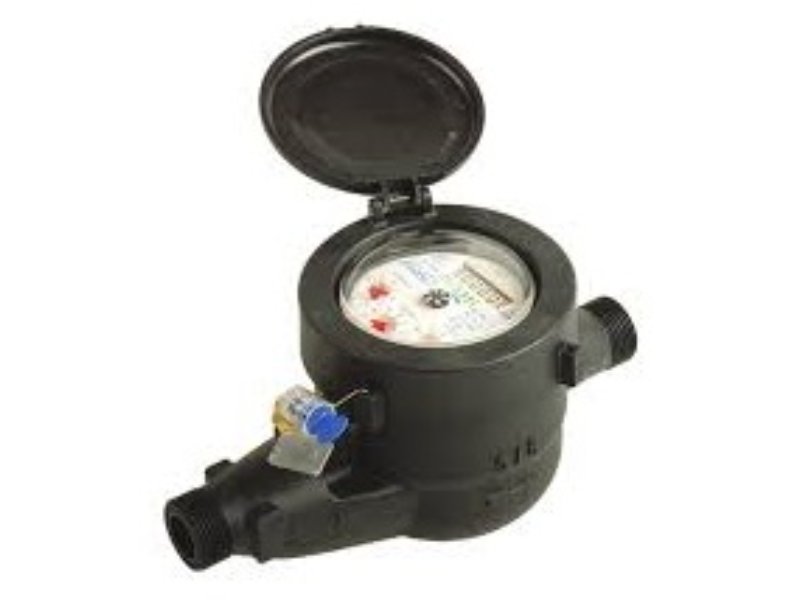
Arad M Water Meter 25mm Electronic Register c/w Couplings and lead
$956.84 Add to cart -
-
-
 Arad Mechanical Meters
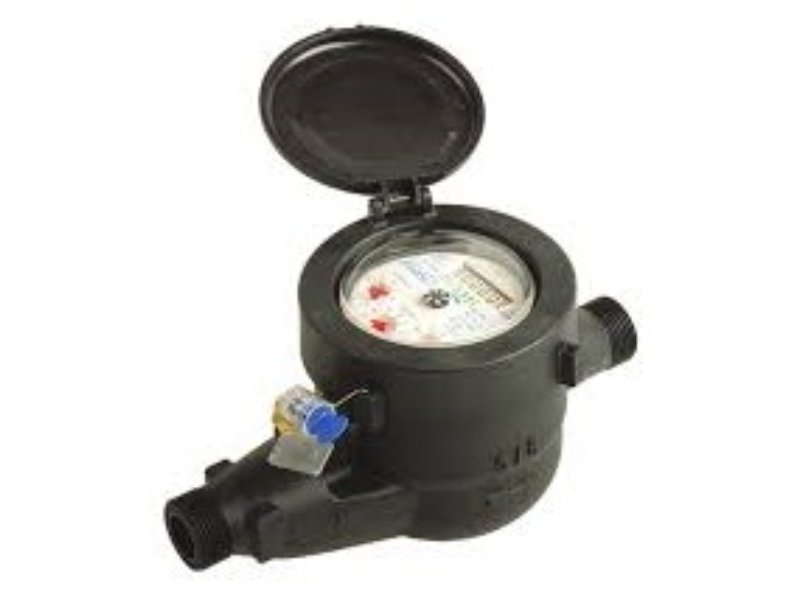
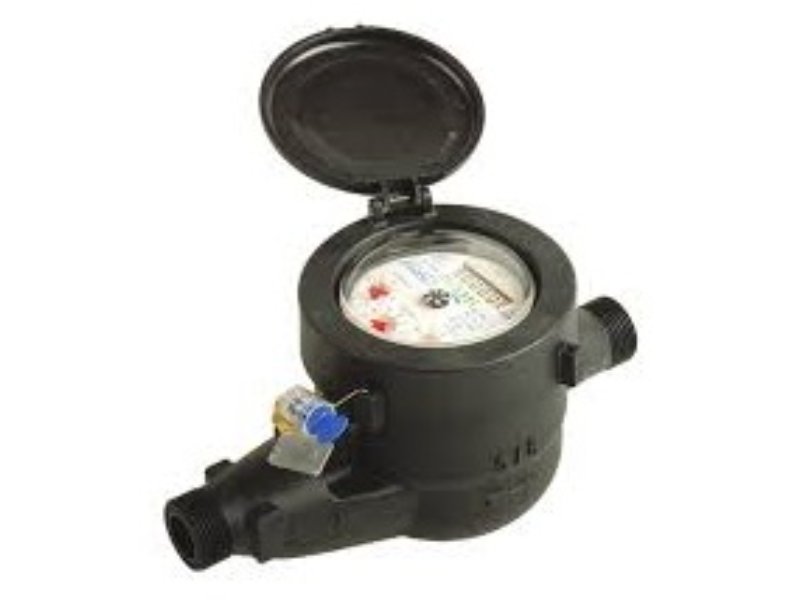
Arad M Water Meter 32mm Electronic Register c/w Couplings and lead
$976.96 Add to cart -
-
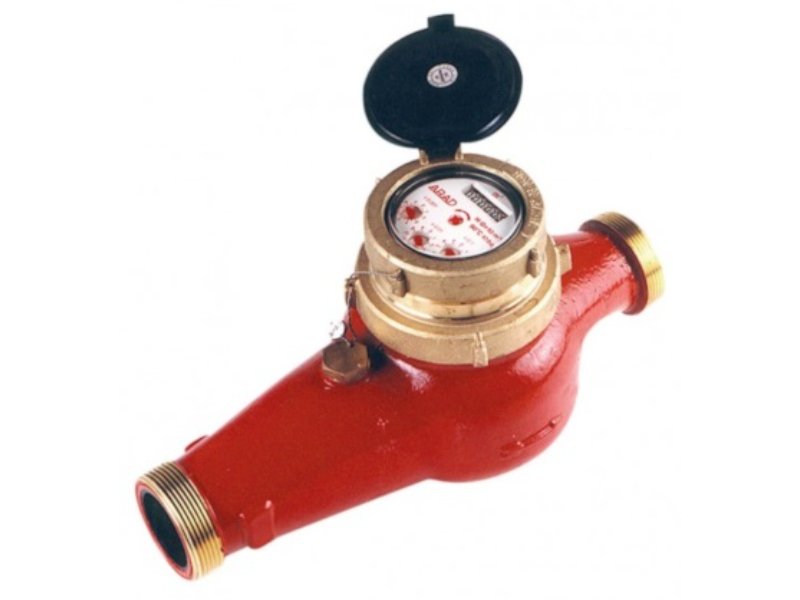 Arad Mechanical Meters
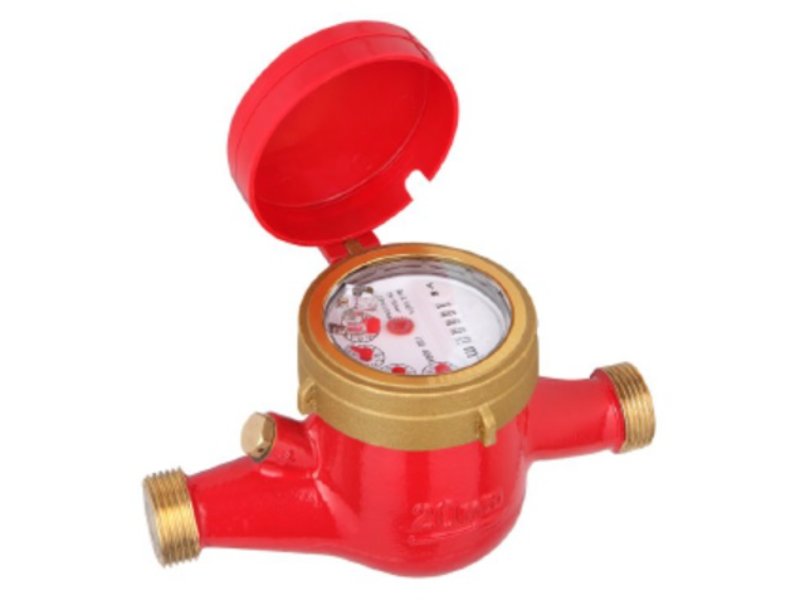
Arad MH Hot Water Meter 15mm EV 1L Pulse c/w Coupling Set
$337.60 Add to cart -
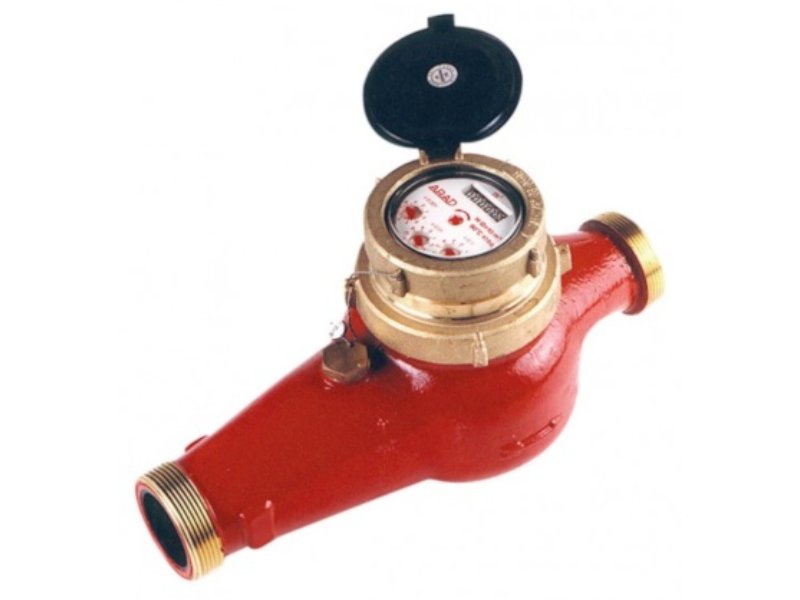 Arad Mechanical Meters
Arad MH Hot Water Meter 20mm EV 1L Pulse c/w Coupling Set
$351.62 Add to cart -
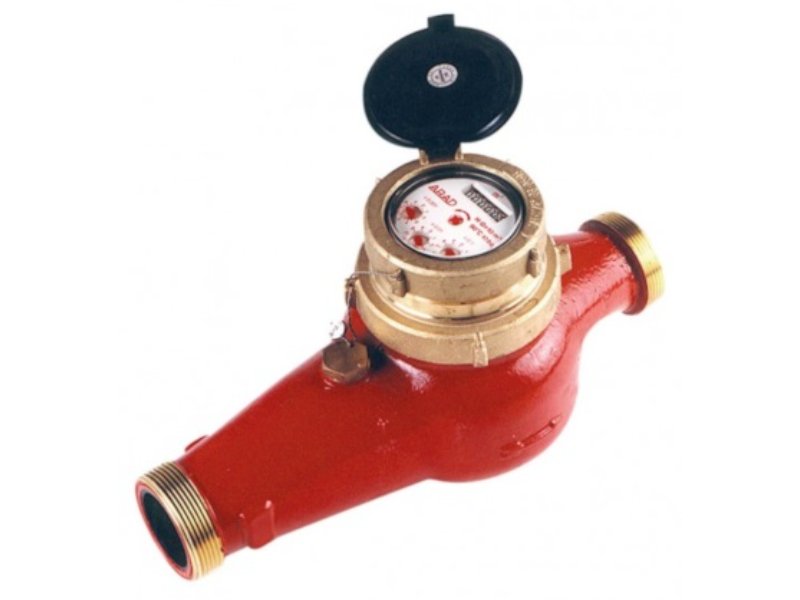 Arad Mechanical Meters
Arad MH Hot Water Meter 25mm EV 1L Pulse c/w Coupling Set
$539.03 Add to cart -
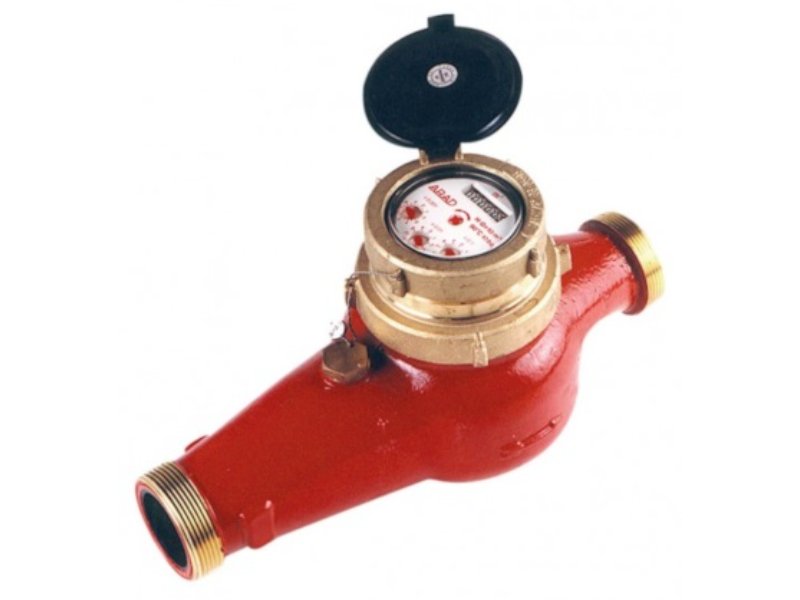 Arad Mechanical Meters
Arad MH Hot Water Meter 32mm EV 1L Pulse c/w Coupling Set
$569.94 Add to cart -
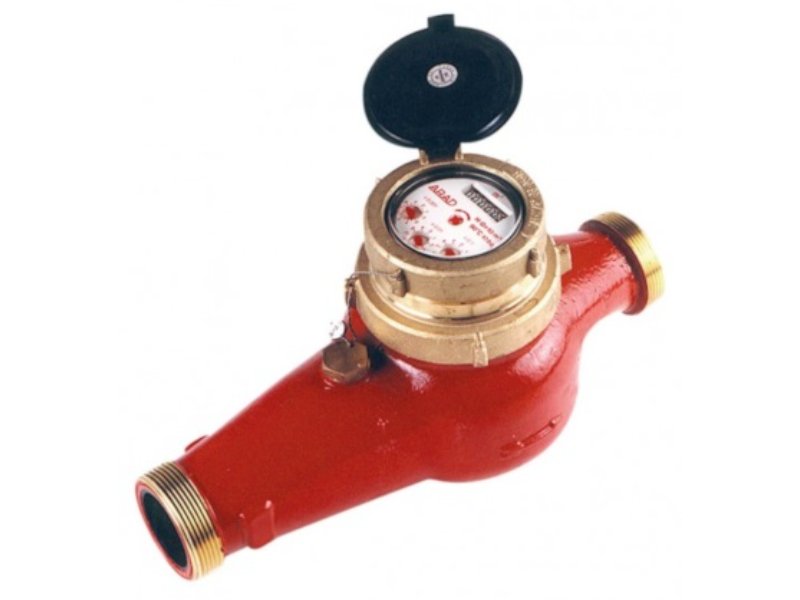 Arad Mechanical Meters
Arad MH Hot Water Meter 40mm EV 10L Pulse c/w Coupling Set
$1,109.68 Add to cart -
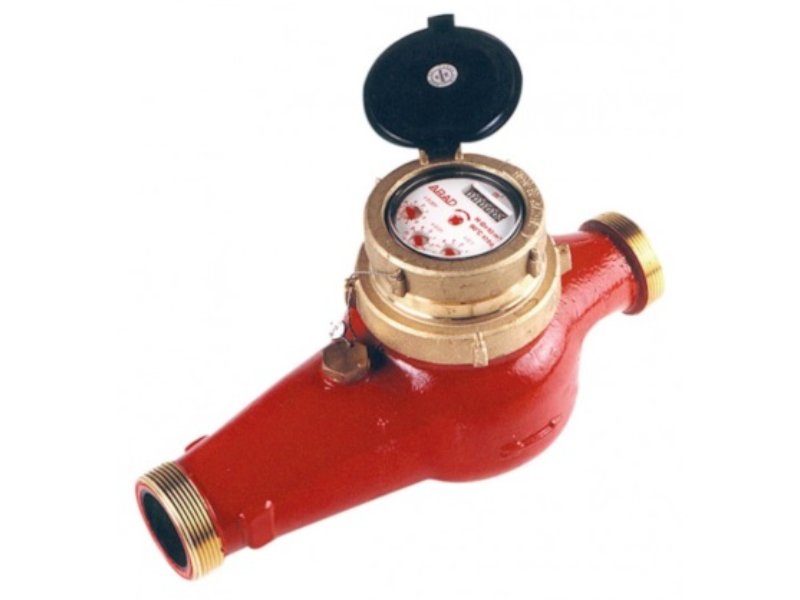 Arad Mechanical Meters
Arad MH Hot Water Meter 50mm EV 10L Pulse c/w Coupling Set
$1,420.43 Add to cart -
-
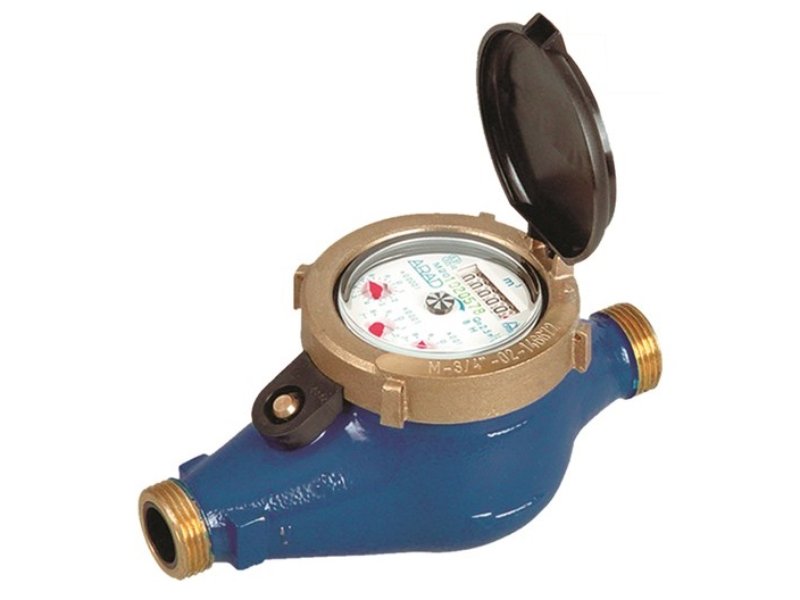
Arad Mechanical Meters
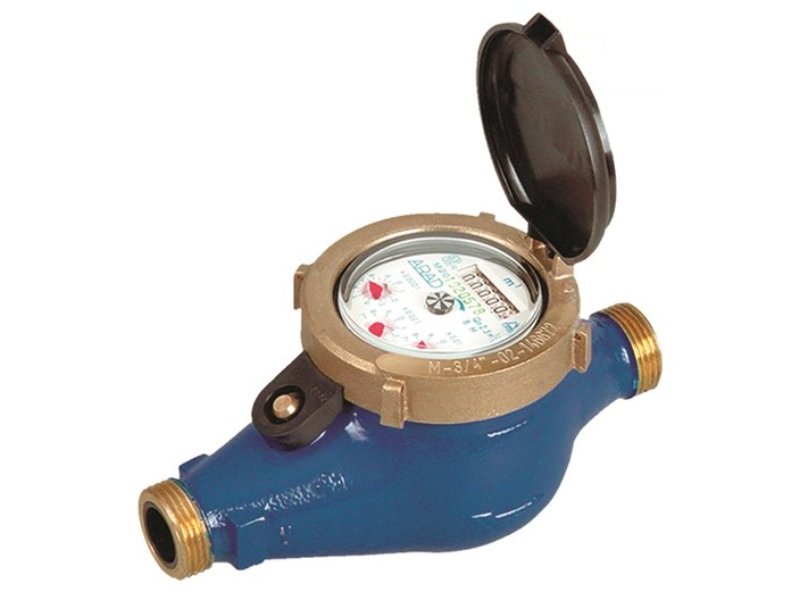
Arad MS Water Meter 40mm Electronic Register c/w Couplings and lead
$1,425.20 Read more -
-
-
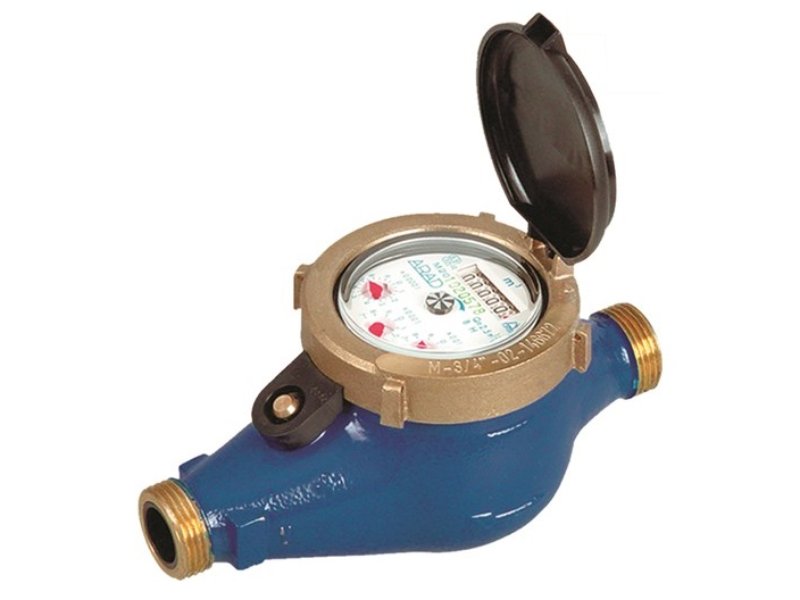
 Arad Mechanical Meters
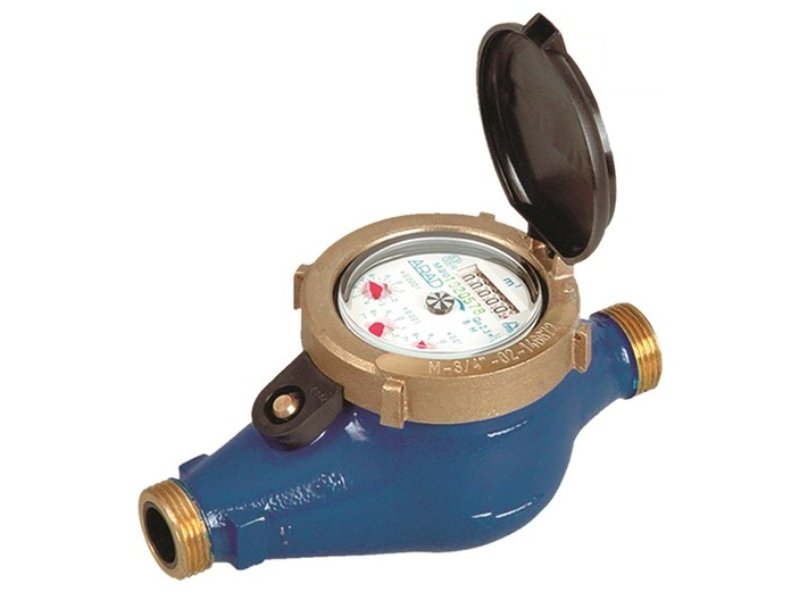
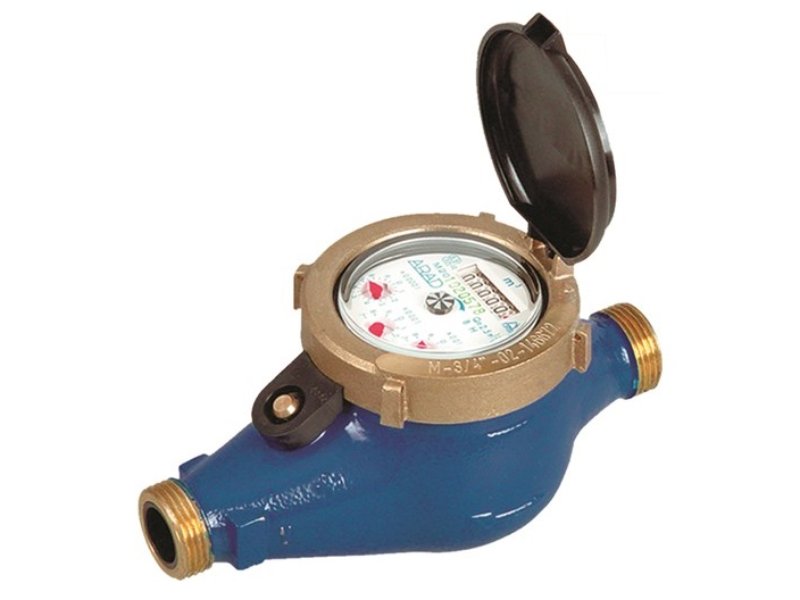
Arad MS Water Meter 50mm Electronic Register c/w Couplings & Cable
$1,784.01 Add to cart -
-
-
-
-
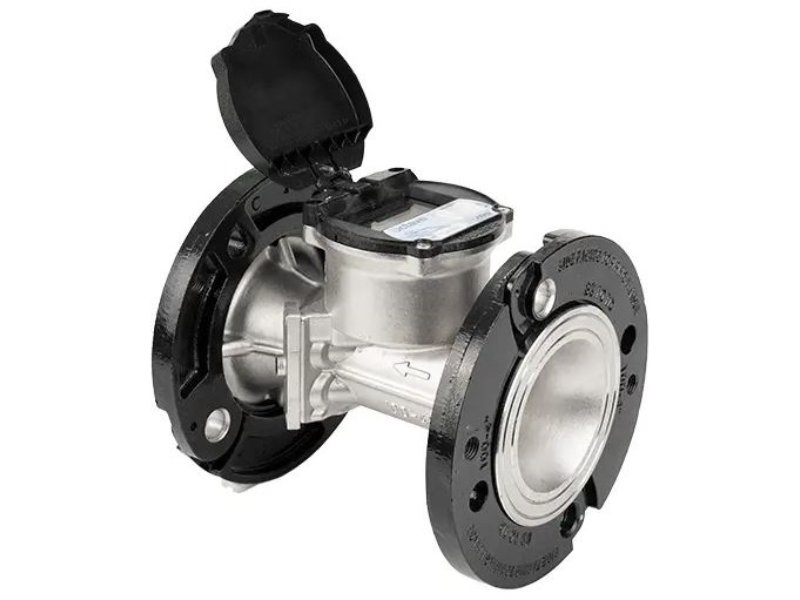 Arad Ultrasonic Meters
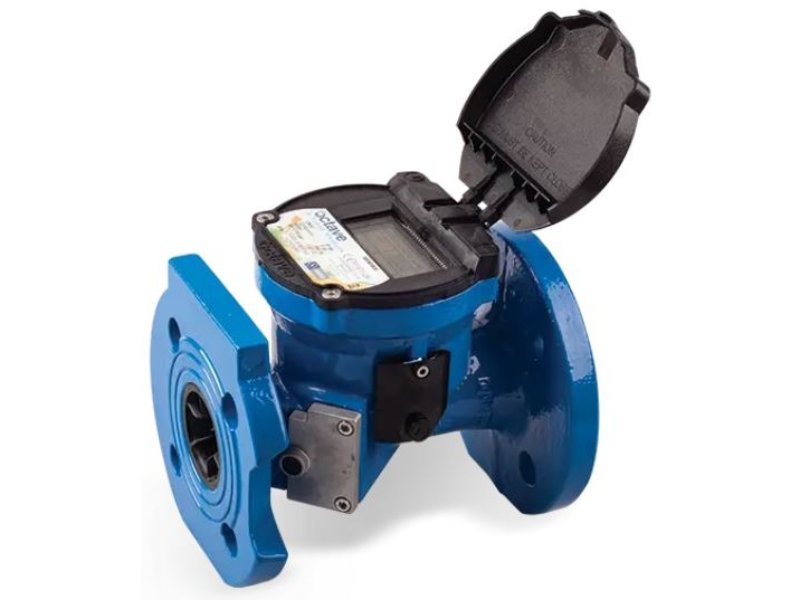
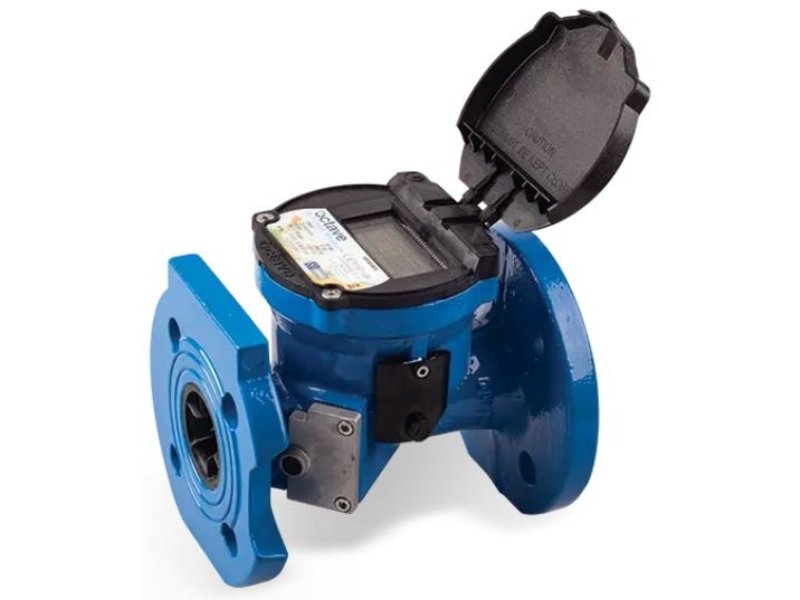
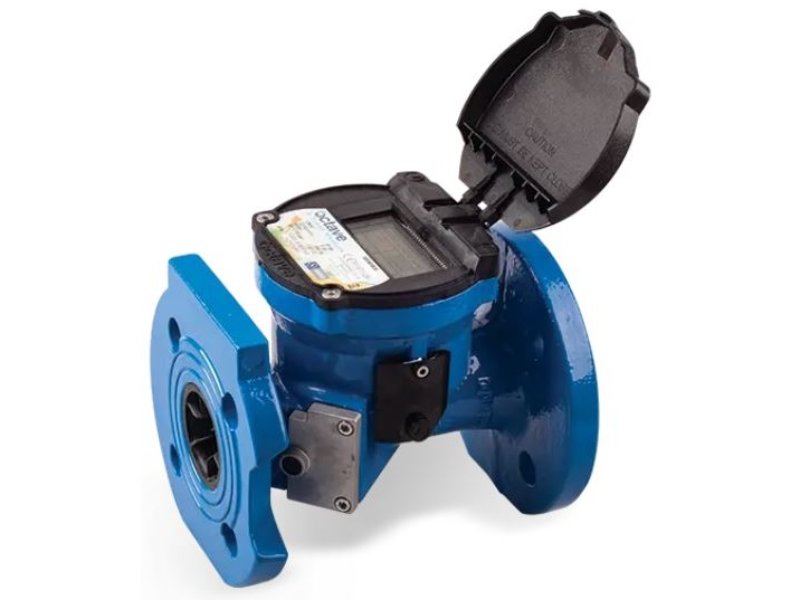
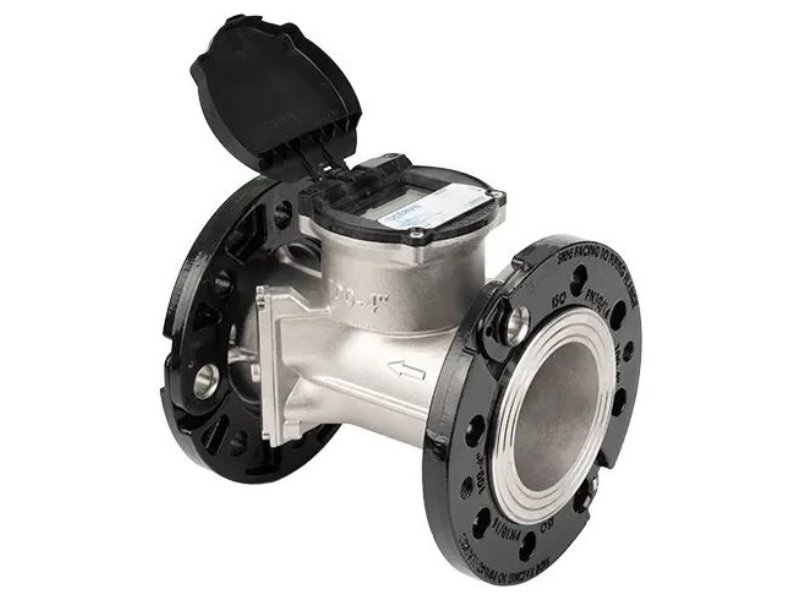
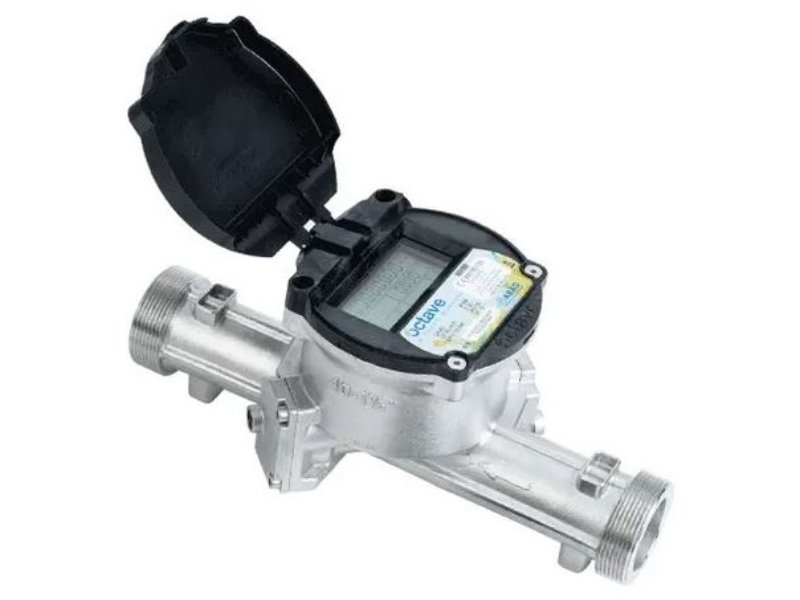
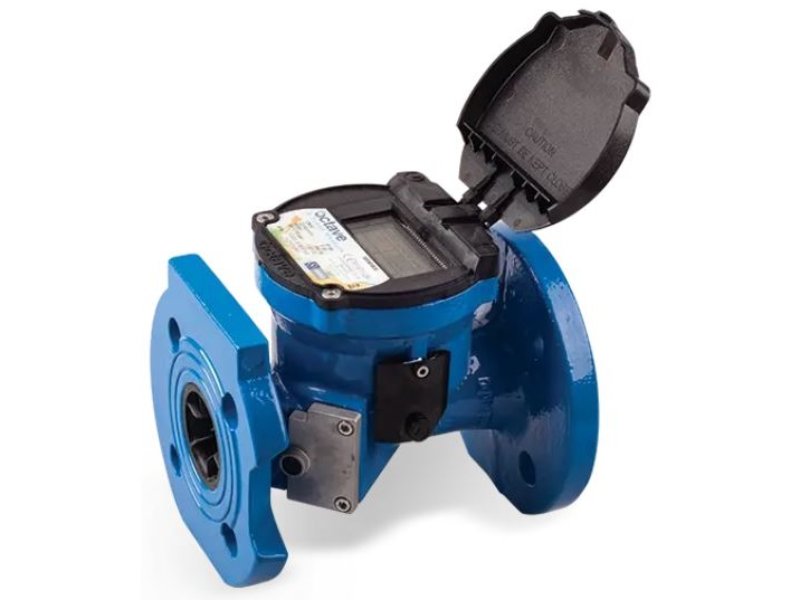
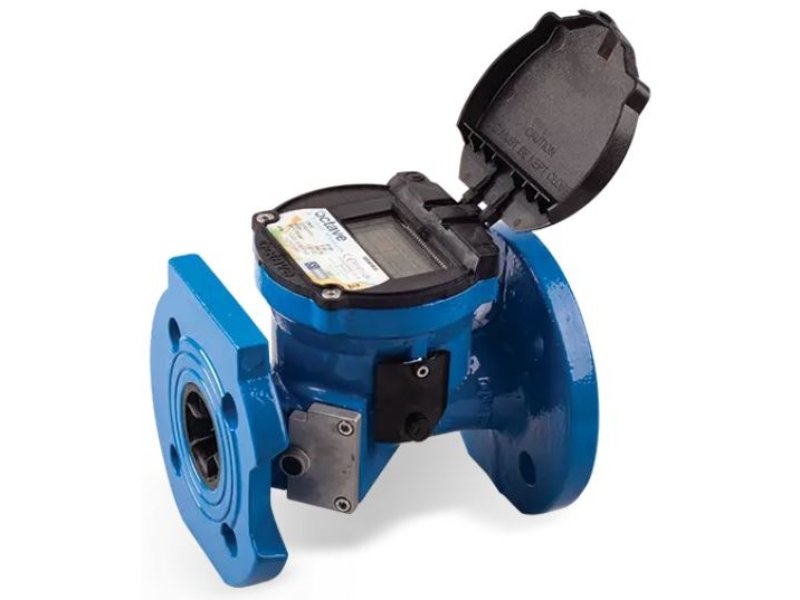
Arad Octave S/Steel Meter 100mm Floating Flanged Table D
$2,736.15 Add to cart -
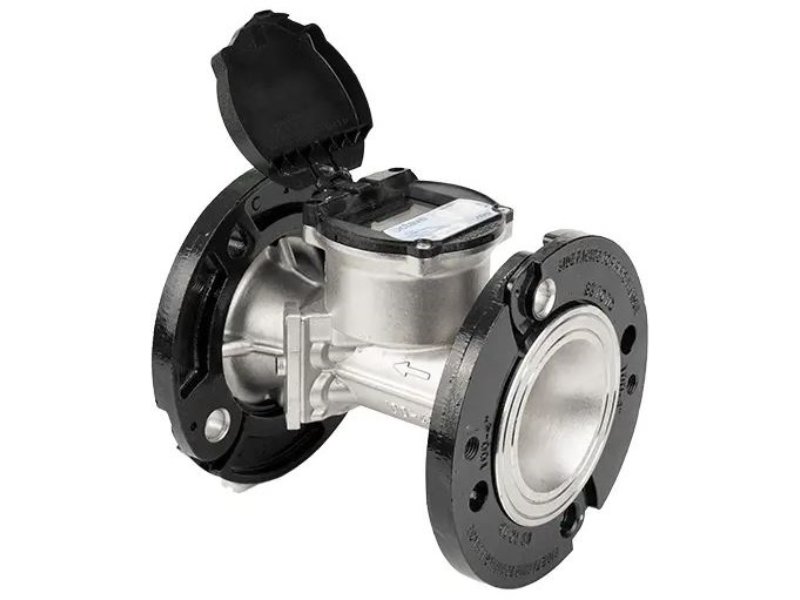 Arad Ultrasonic Meters
Arad Octave S/Steel Meter 150mm Floating Flanged Table D
$4,521.36 Add to cart -
-
 Arad Ultrasonic Meters
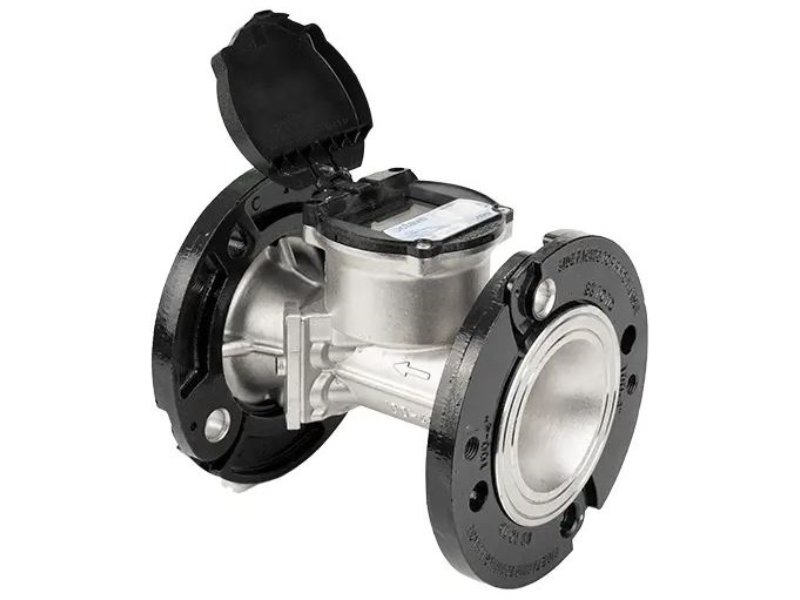
Arad Octave S/Steel Meter 50mm Floating Flanged Table D
$2,286.23 Add to cart -
 Arad Ultrasonic Meters
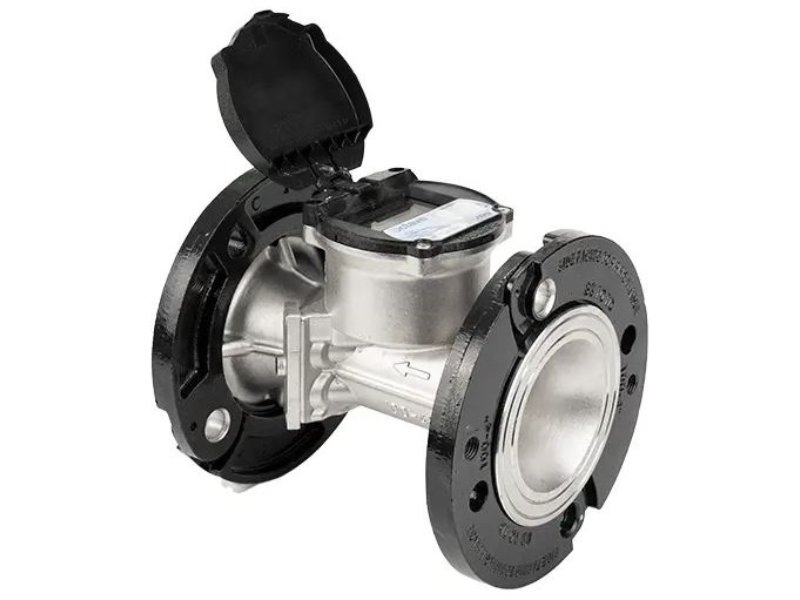
Arad Octave S/Steel Meter 80mm Floating Flanged Table D
$2,611.73 Add to cart -
-
-
-
-
-
-
-
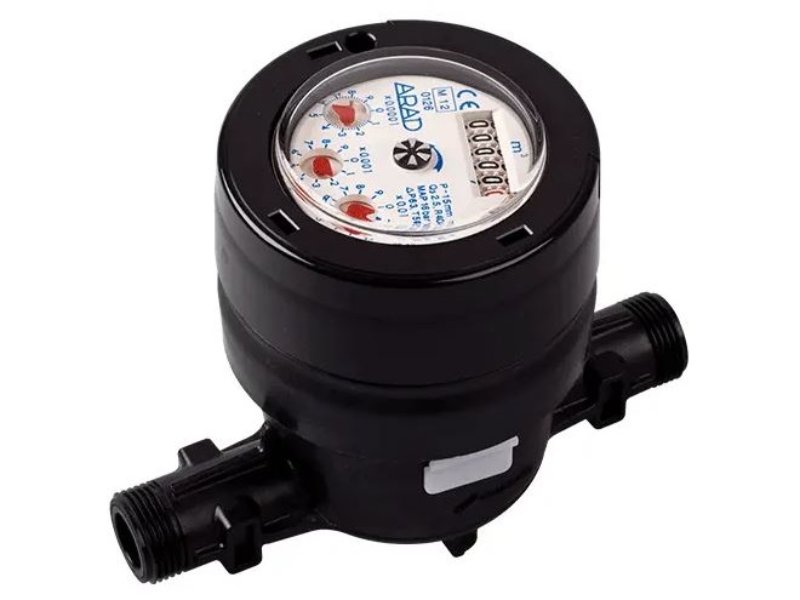 Arad Mechanical Meters
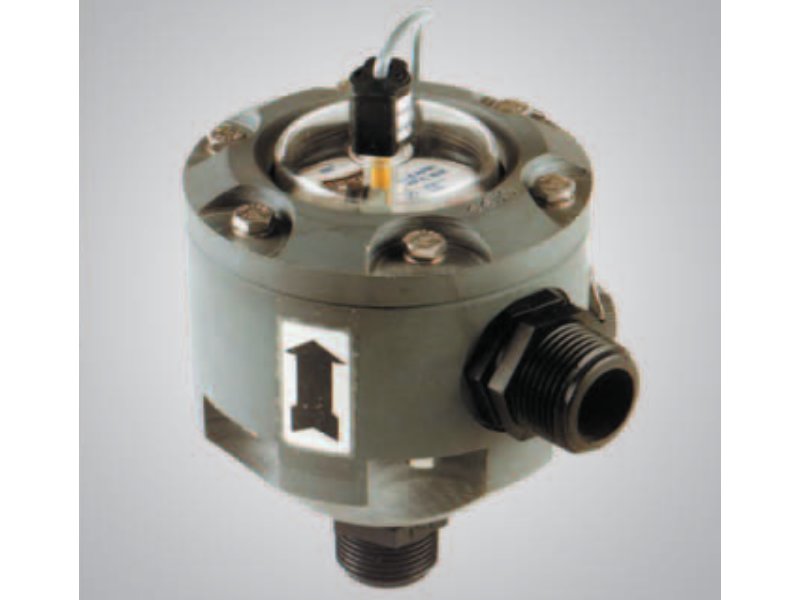
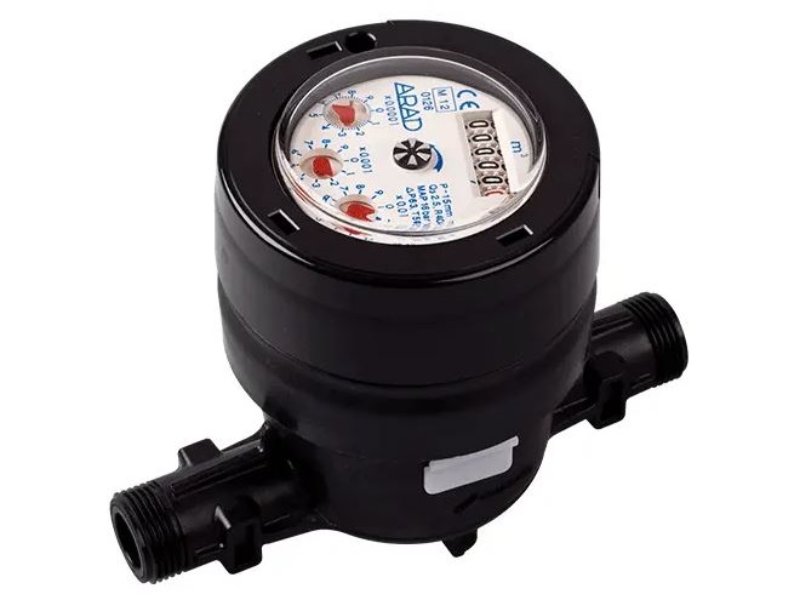
Arad PD Water Meter 15mm Inline 165mm Qn1.6, nuts and tails sold separately
$186.67 Add to cart -
-
 Arad Mechanical Meters
Arad PD Water Meter 20mm Inline 165mm Qn2.5, Nuts and tails sold separately
$186.67 Add to cart -
-
-
-
-
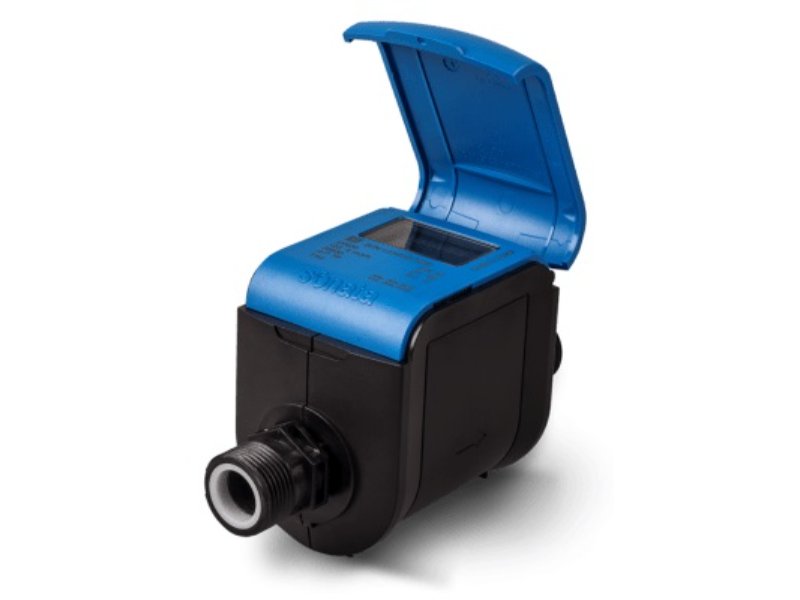 Arad Ultrasonic Meters
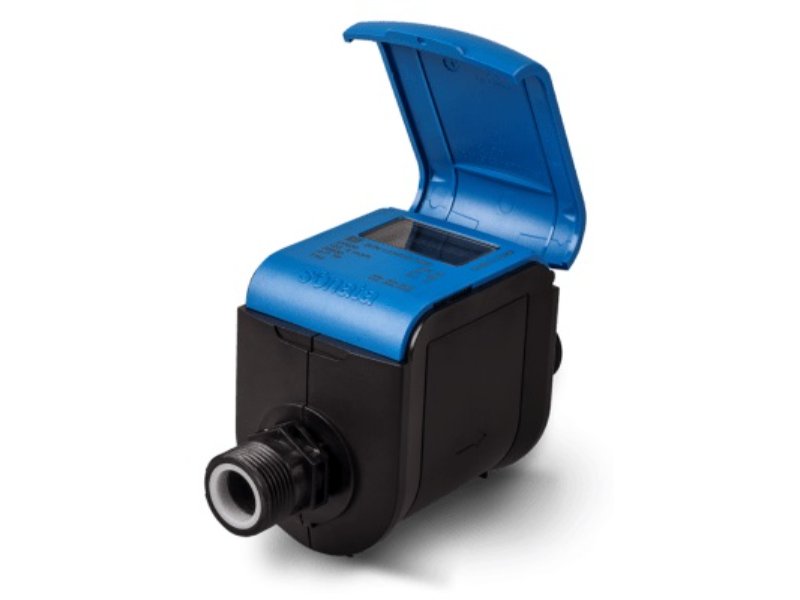
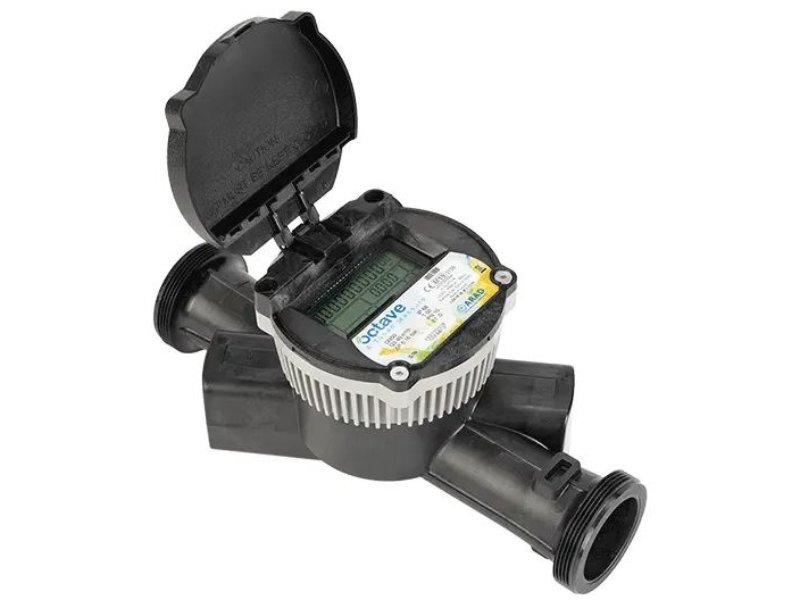
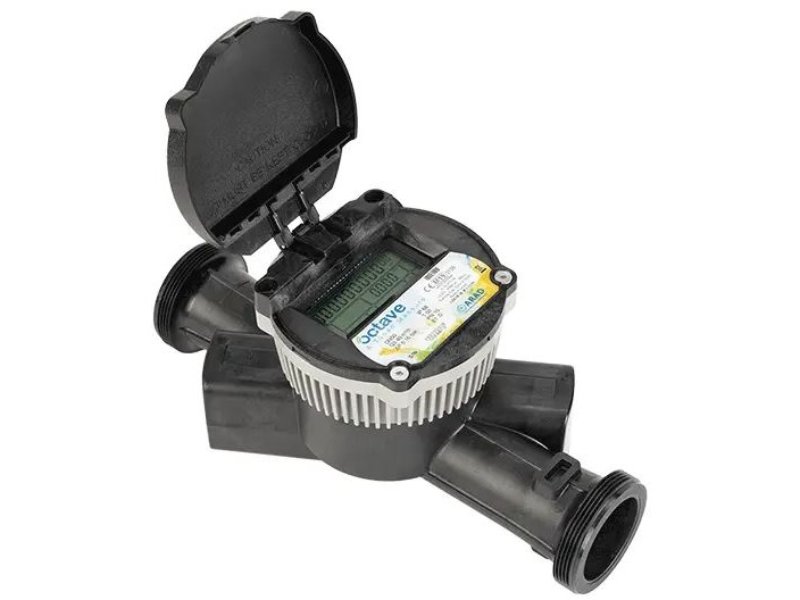
Arad Sonata Ultrasonic Meter 20mm SSR Pulse Output c/w Coupling Set
$482.52 Add to cart -
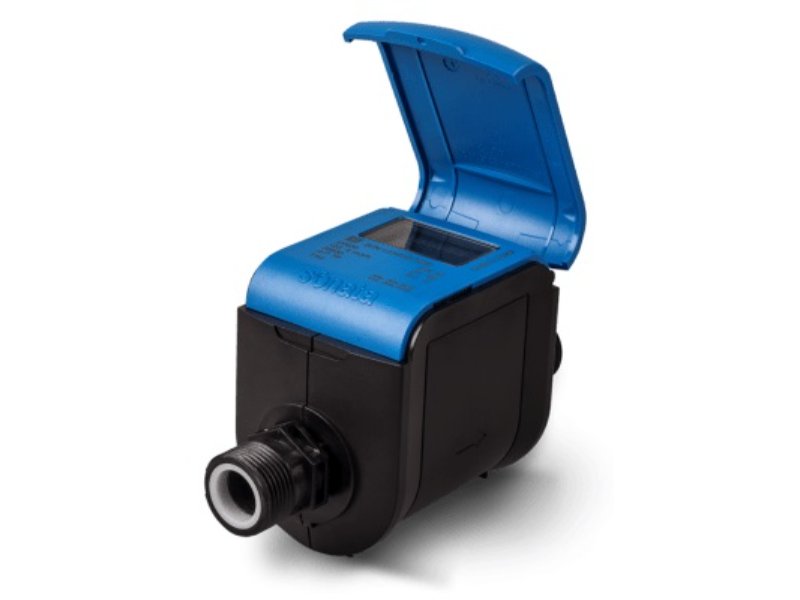 Arad Ultrasonic Meters
Arad Sonata Ultrasonic Meter 25mm SSR Pulse Output c/w Coupling Set
$509.16 Add to cart -
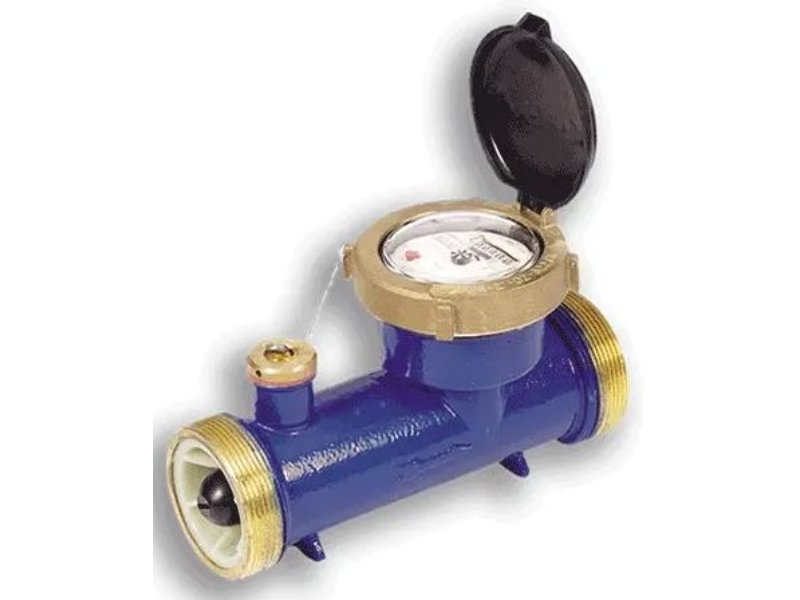 Arad Mechanical Meters
Arad WMR Water Meter 50mm BSP Electronic Register c/w Couplings and lead
$1,444.20 Add to cart -
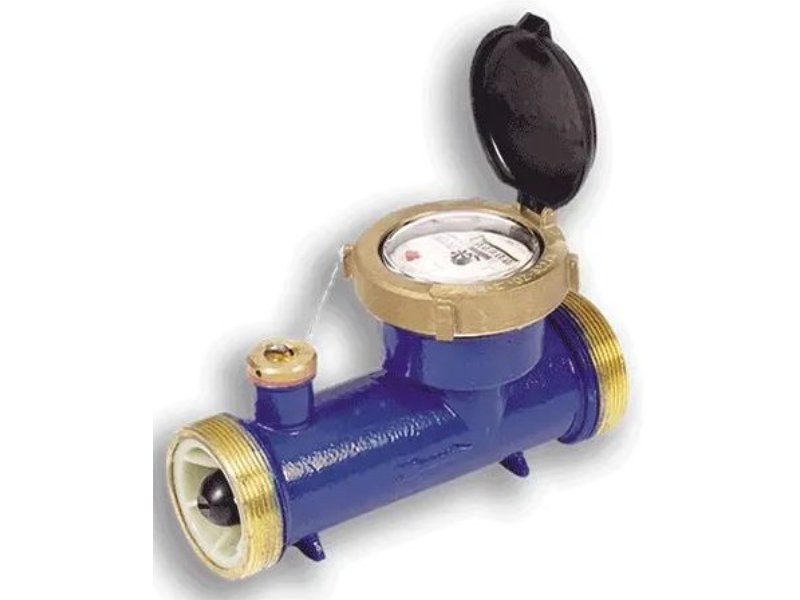 Arad Mechanical Meters
Arad WMR Water Meter 50mm BSP EV 10L Pulse c/w Coupling Set
$807.61 Add to cart -
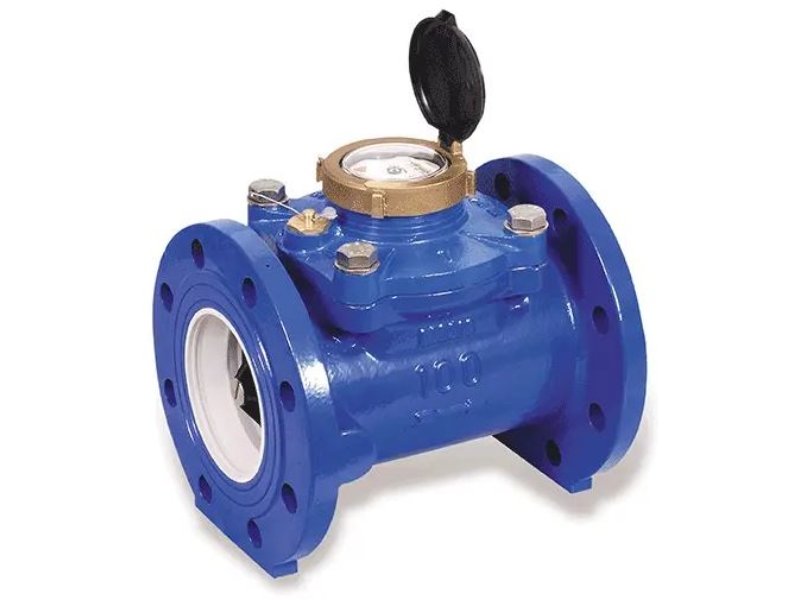 Arad Mechanical Meters
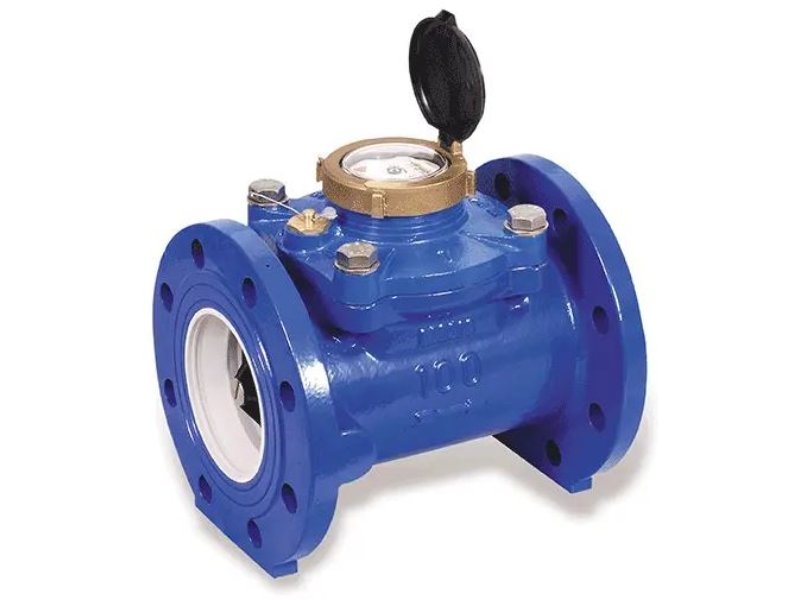
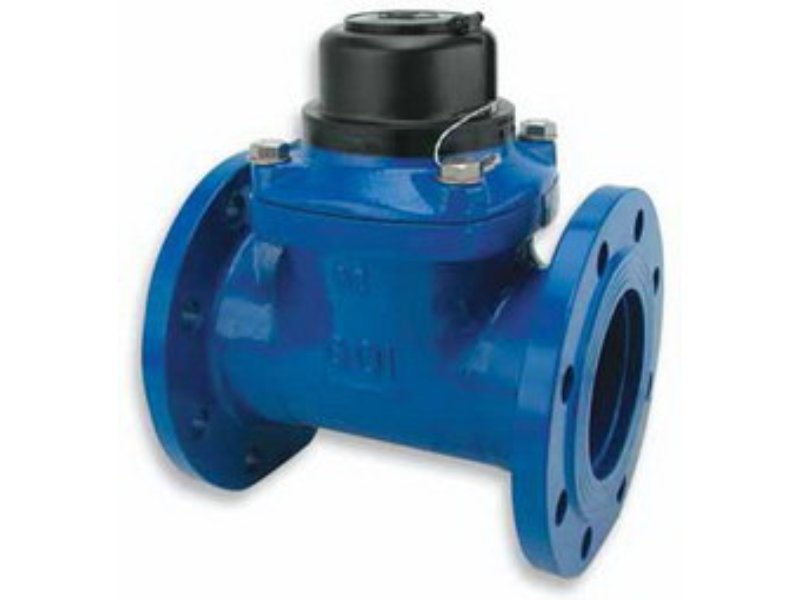
Arad WST Water Meter 100mm Flanged c/w Electronic Register
$2,449.10 Add to cart -
-
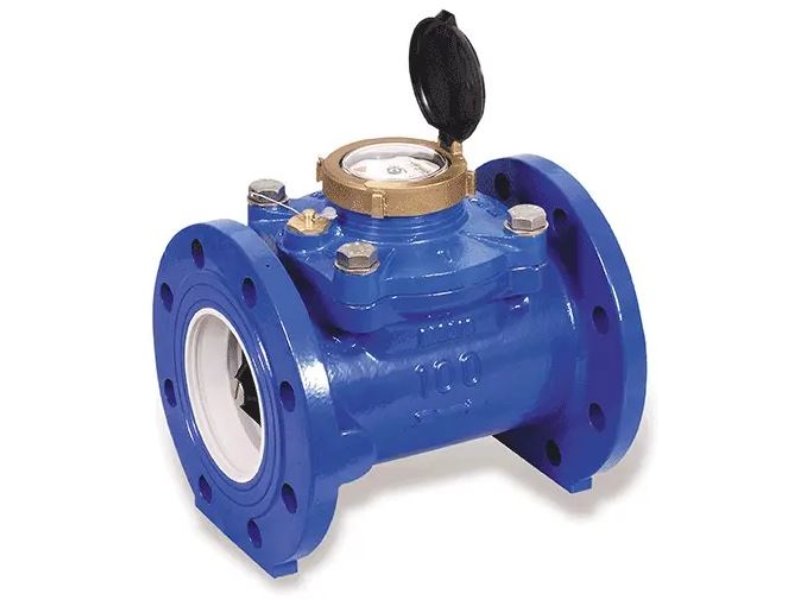
Arad Mechanical Meters
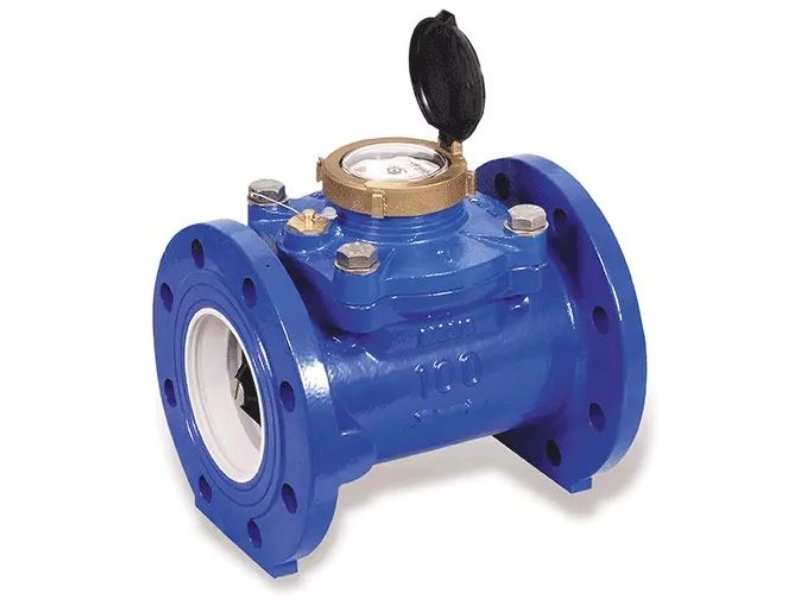
Arad WST Water Meter 150mm Flanged c/w Electronic Register
$3,683.15 Read more -
-
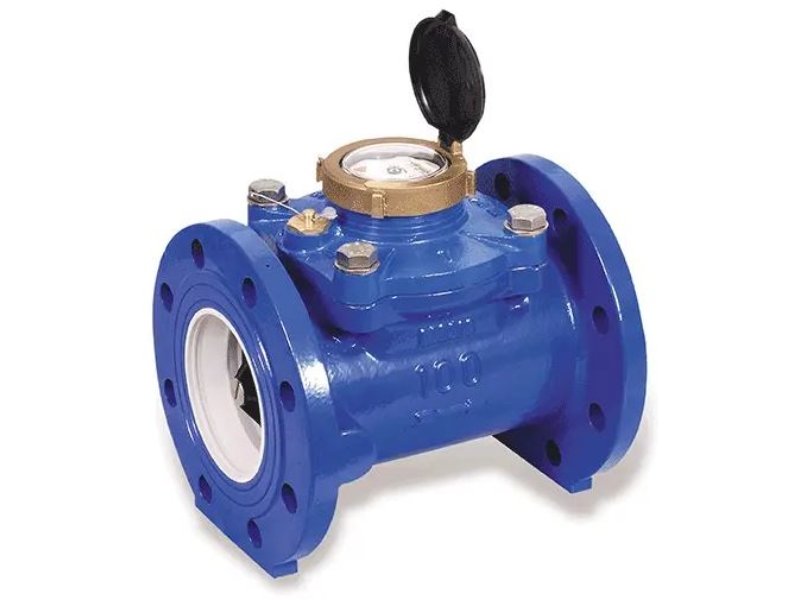
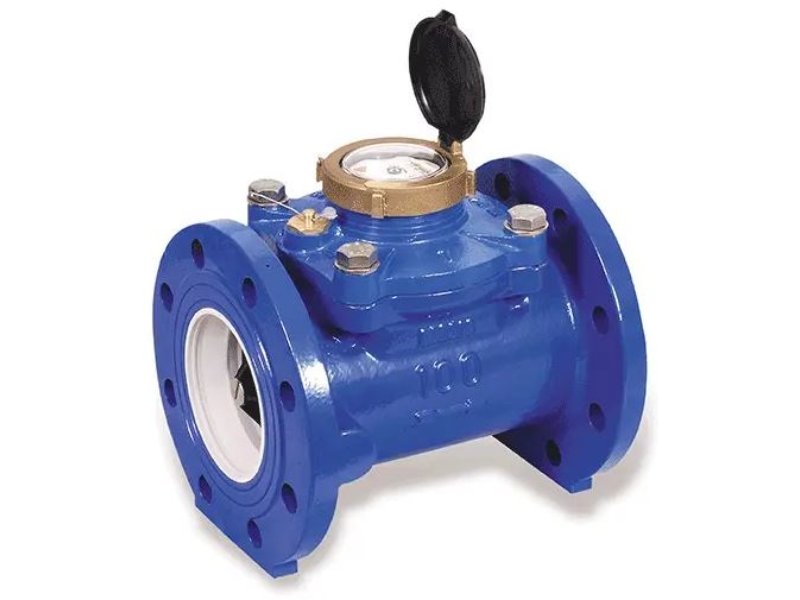 Arad Mechanical Meters
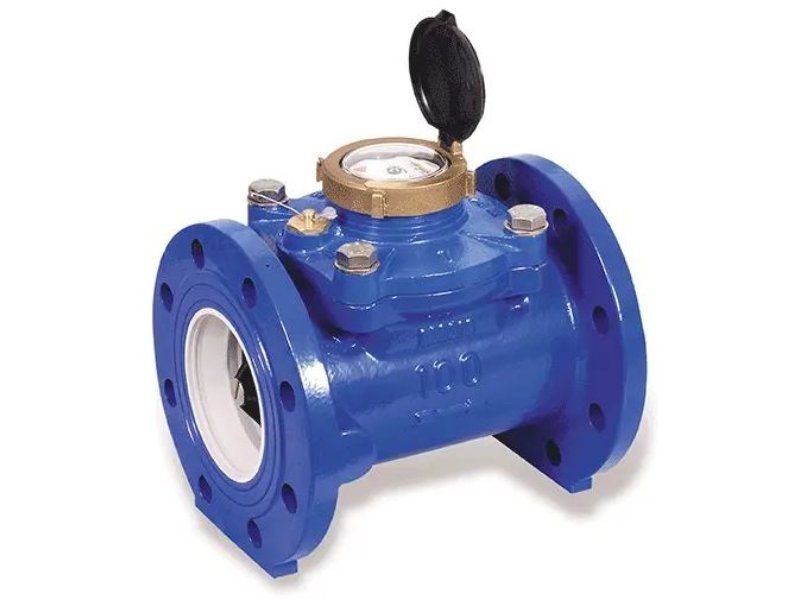
Arad WST Water Meter 200mm Flanged c/w Electronic Register
$4,209.63 Add to cart -
-
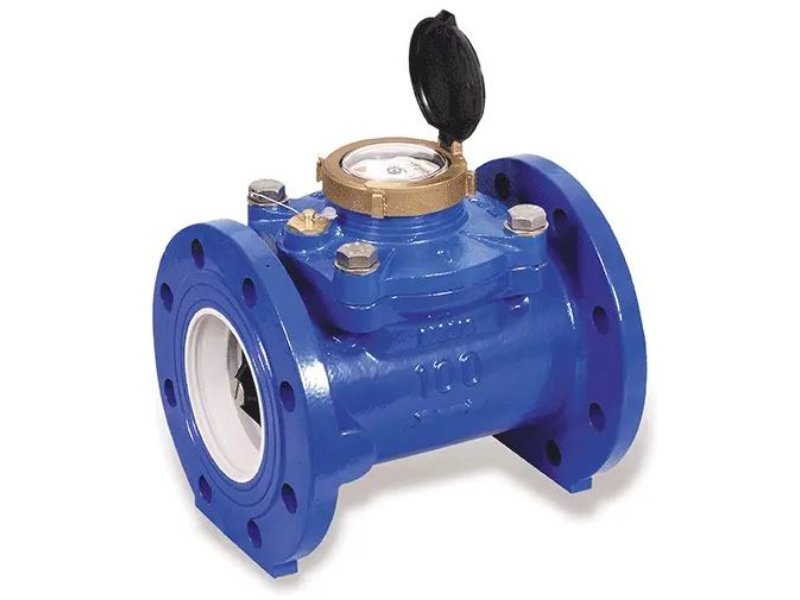 Arad Mechanical Meters
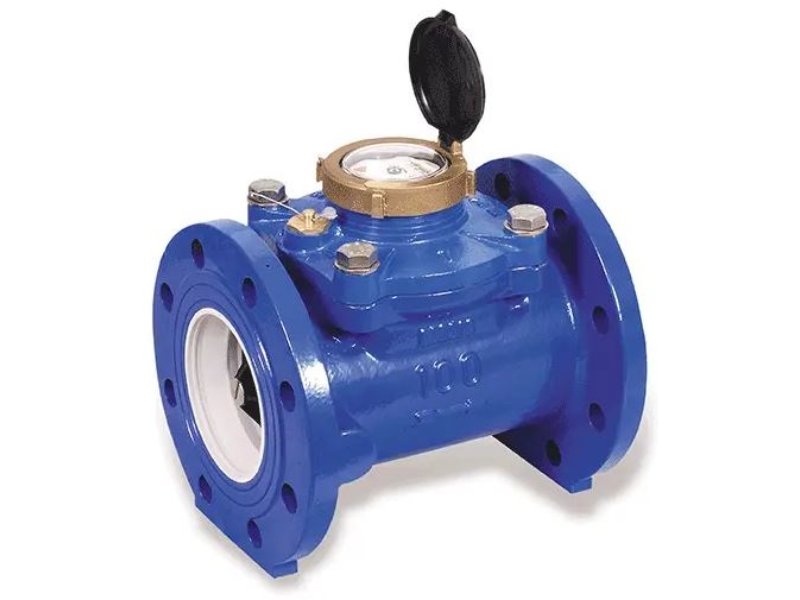
Arad WST Water Meter 250mm Flanged c/w Electronic Register
$7,522.79 Add to cart -
-
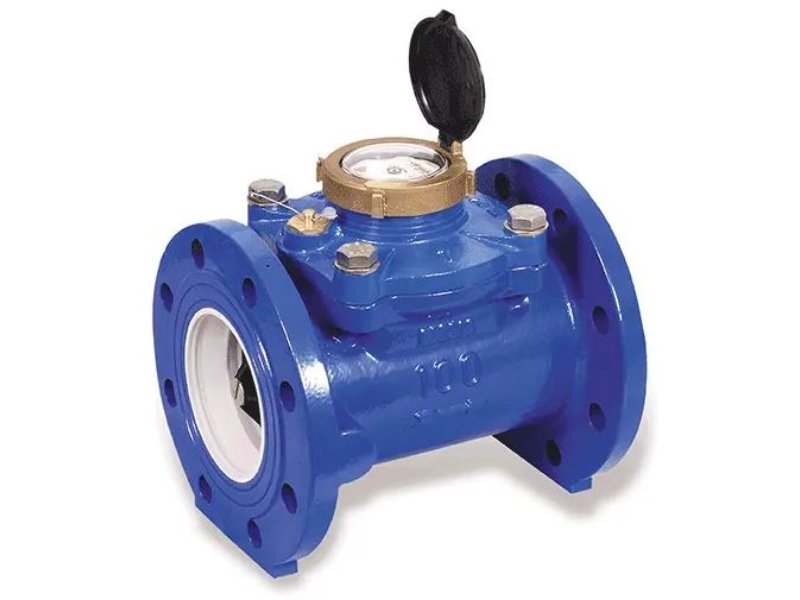
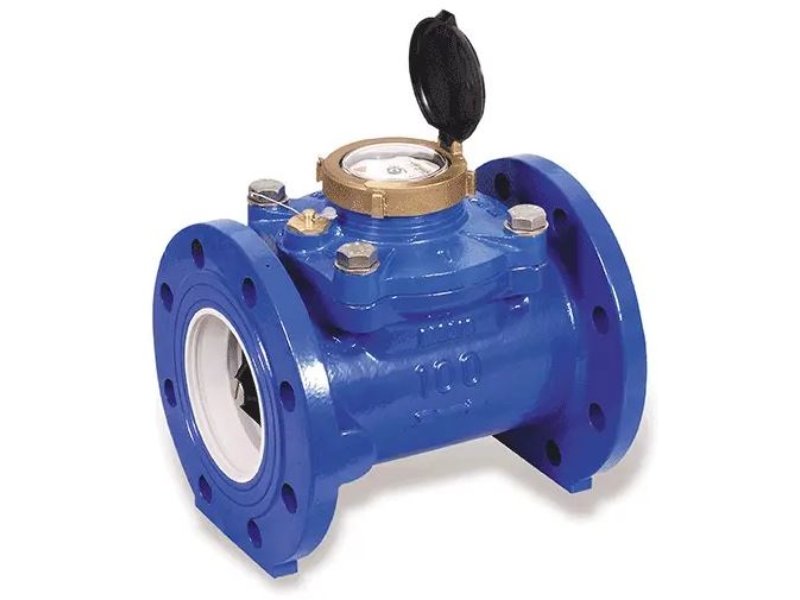 Arad Mechanical Meters
Arad WST Water Meter 300mm Flanged c/w Electronic Register
$8,538.87 Add to cart -
-
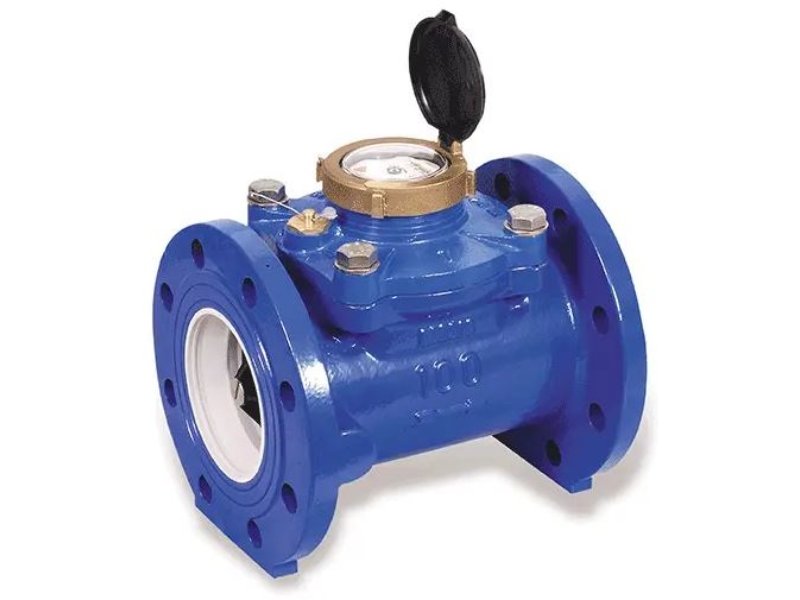
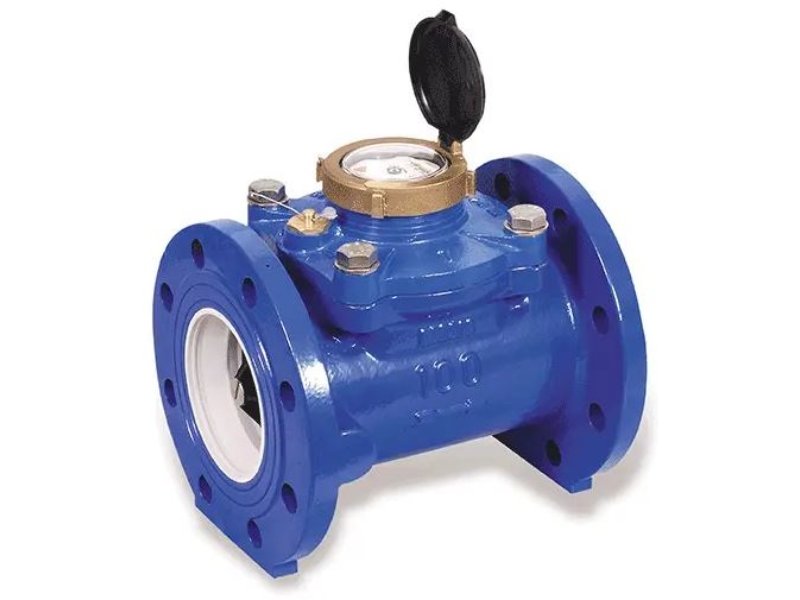 Arad Mechanical Meters
Arad WST Water Meter 50mm Flanged c/w Electronic Register
$1,913.67 Add to cart -
-
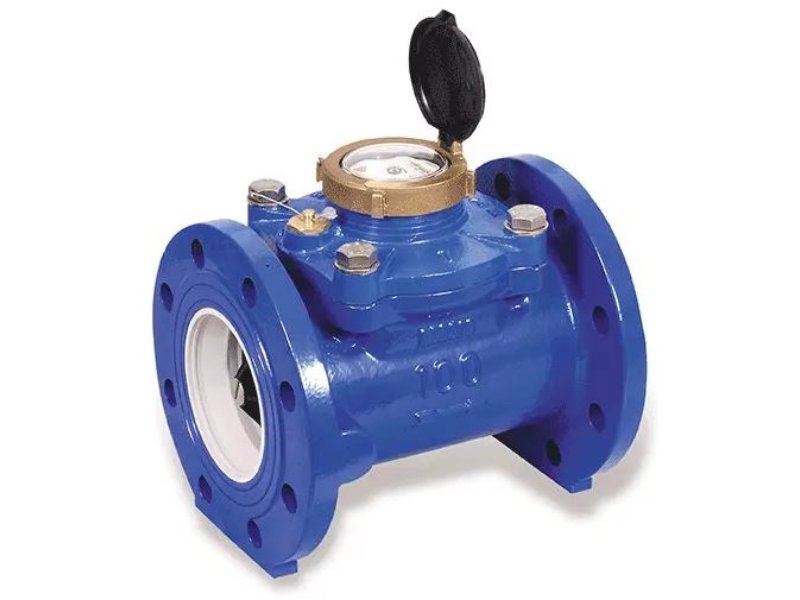 Arad Mechanical Meters
Arad WST Water Meter 65mm Flanged c/w Electronic Register
$2,015.39 Add to cart -
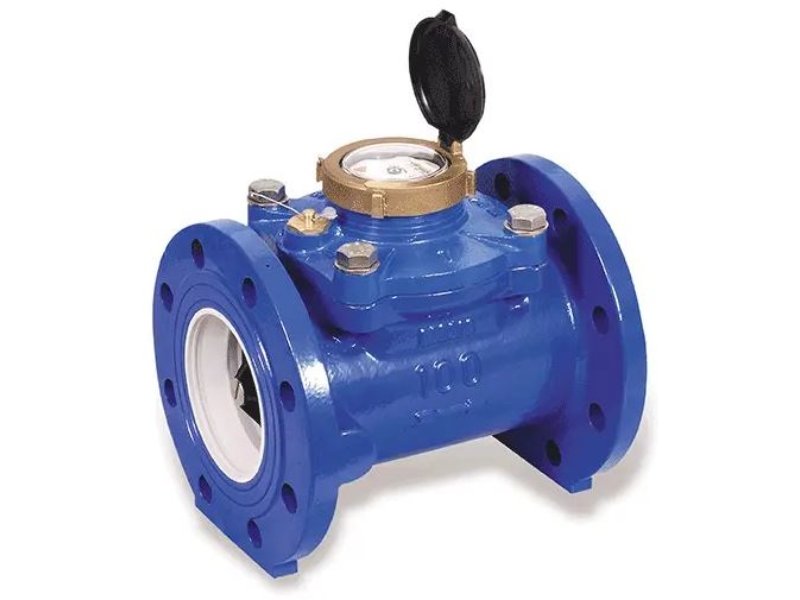 Arad Mechanical Meters
Arad WST Water Meter 80mm Flanged c/w Electronic Register
$2,132.76 Add to cart -
-
-
-
-
-
-
-
-
-
-
-
-
-
-
-
-
-
-
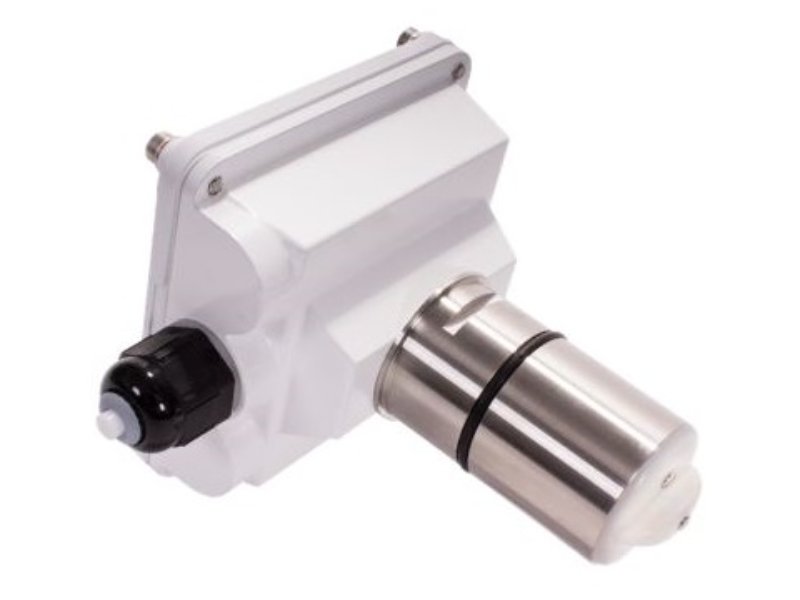 Seametrics Meters
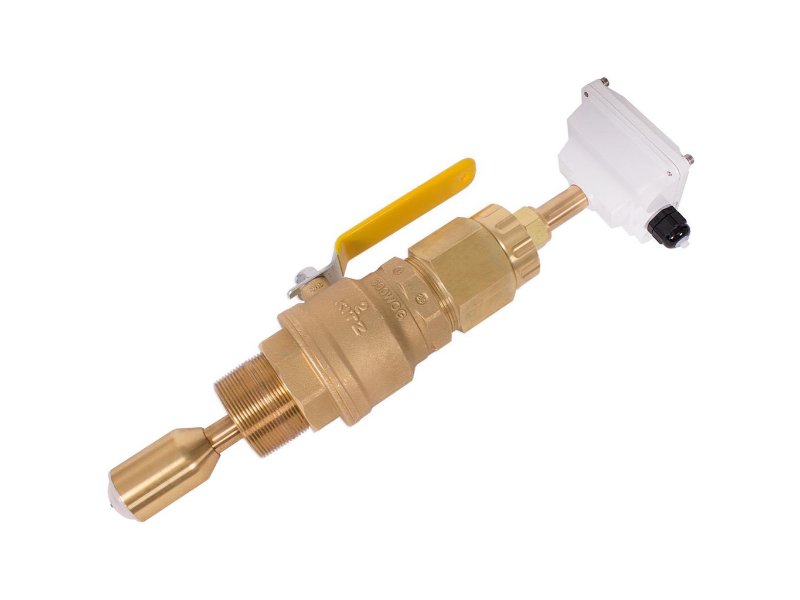
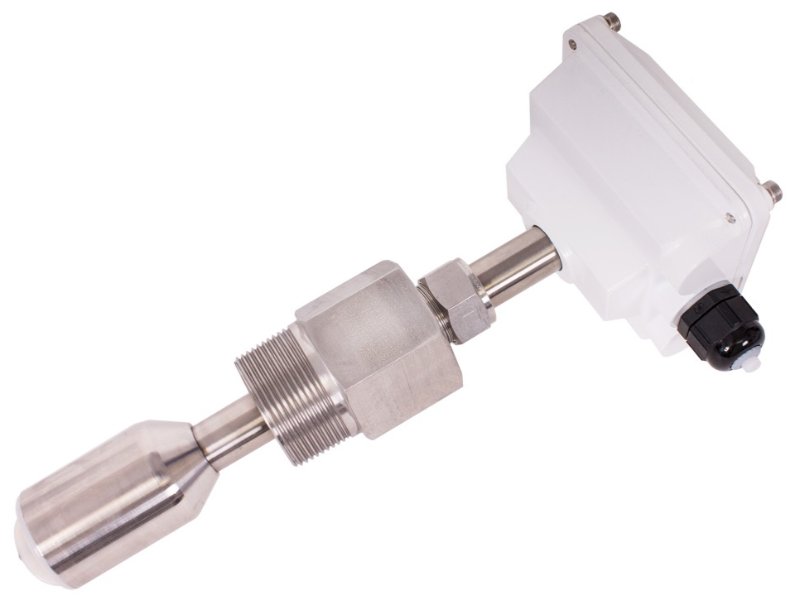
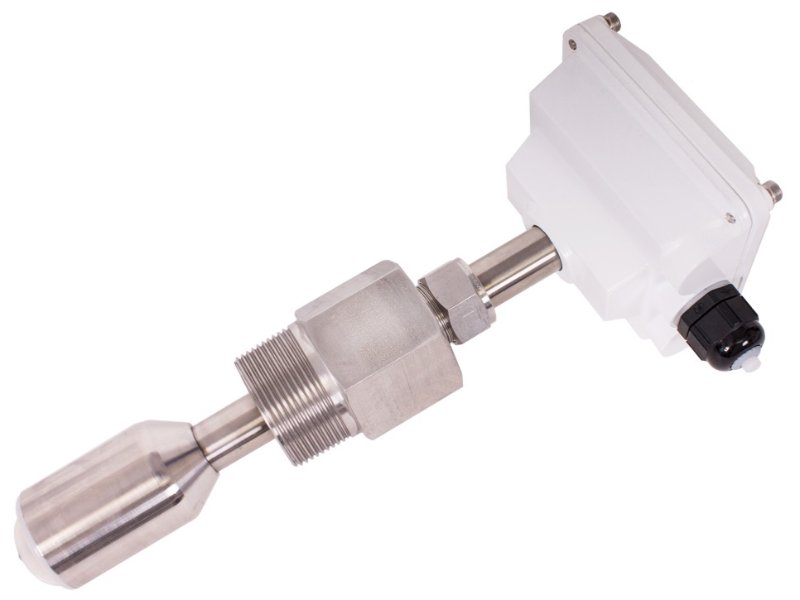
EX81 Fixed Depth 316 SS Insertion Mag Meter for 25-100mm pipes
$2,937.22 Add to cart -
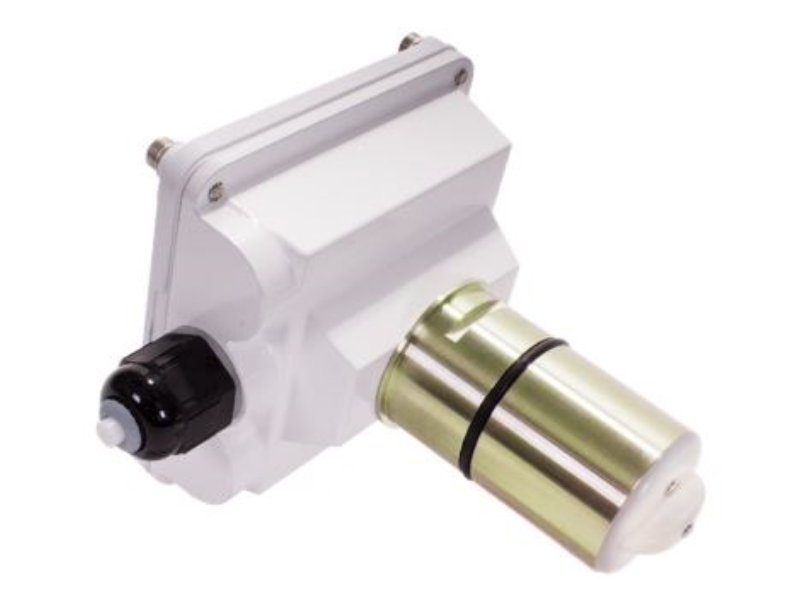 Seametrics Meters
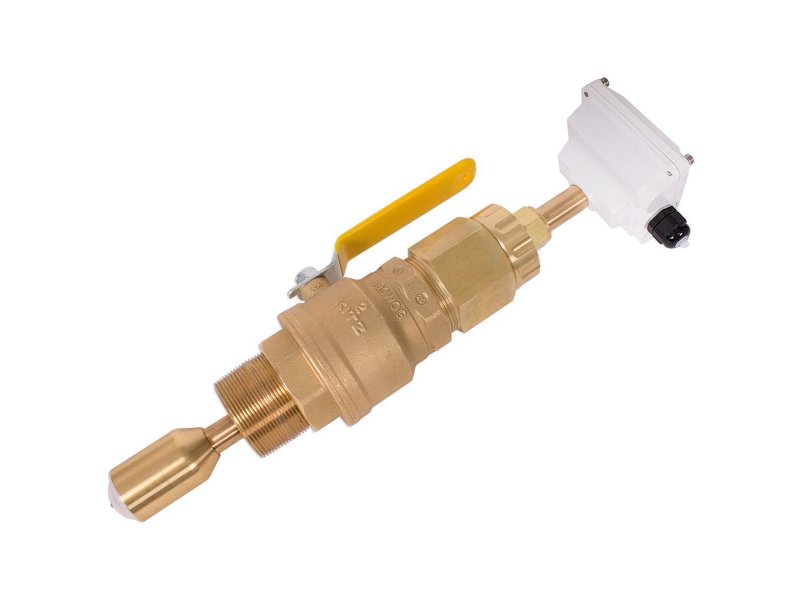
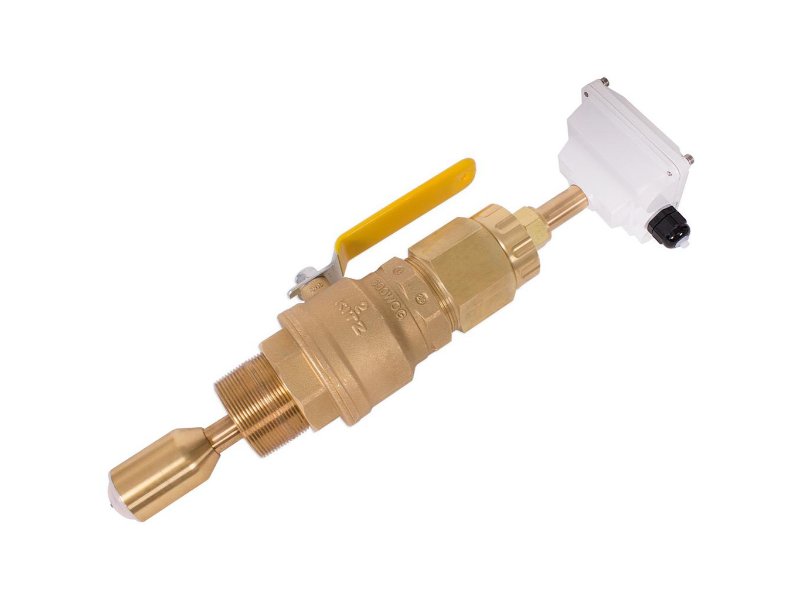
EX81 Fixed Depth Brass Insertion Mag Meter for 25-100mm pipes
$2,878.12 Add to cart -
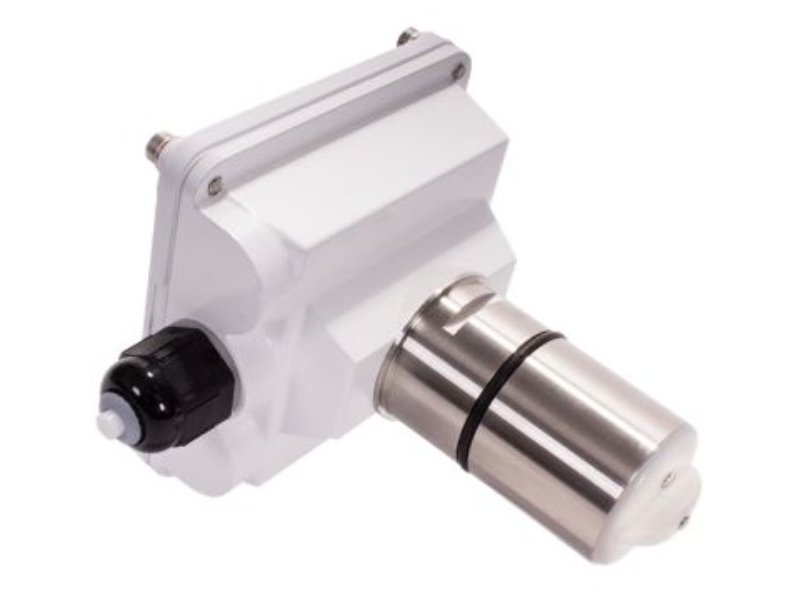 Seametrics Meters
EX82 Fixed Depth 316 SS Insertion Mag Meter for 100-200mm pipes
$3,173.73 Add to cart -
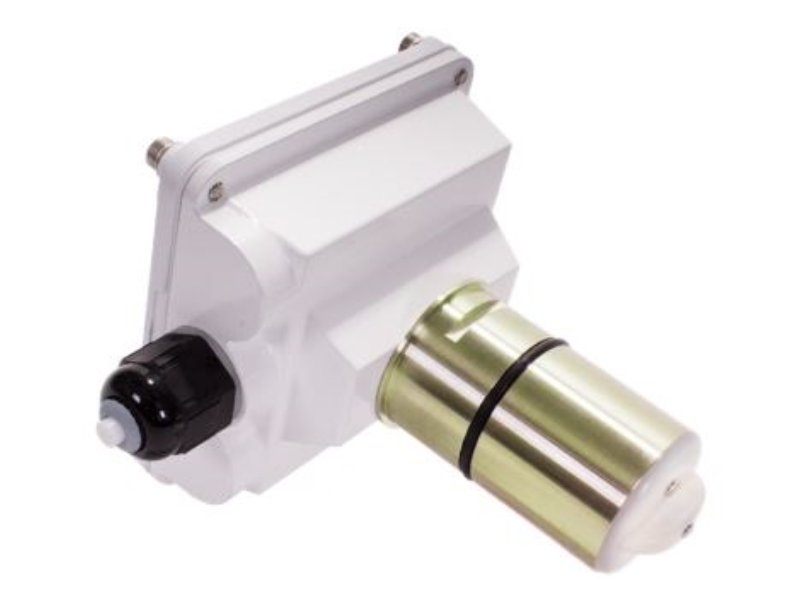 Seametrics Meters
EX82 Fixed Depth Brass Insertion Mag Meter for 100-200mm pipes
$3,029.42 Add to cart -
-

-

-

-

-

-

-

-

-
-
-
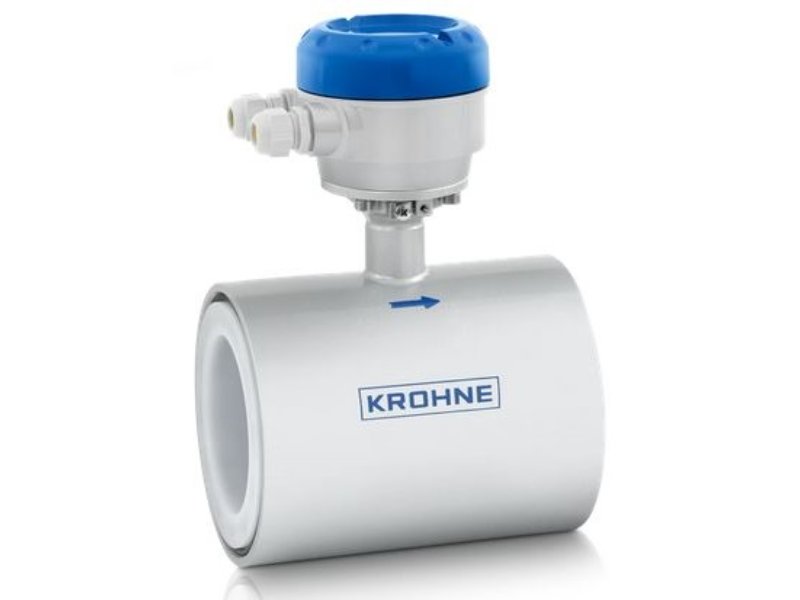
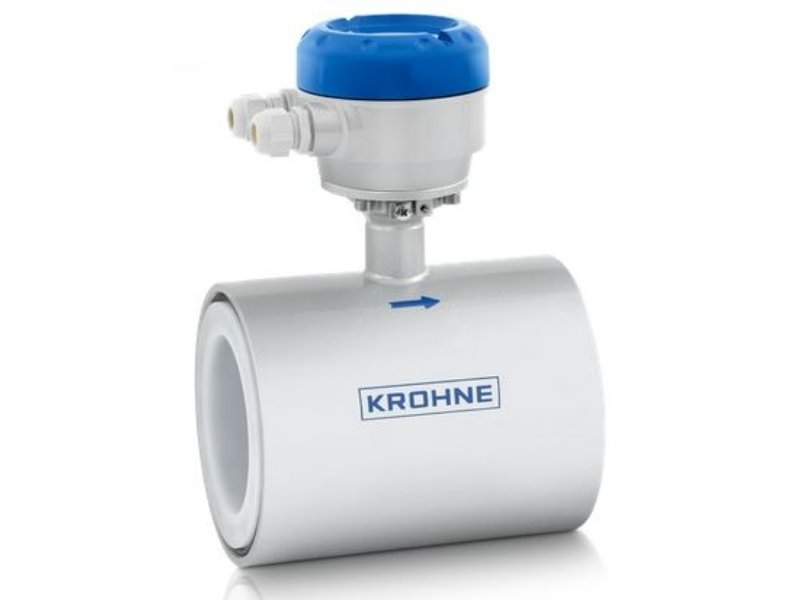
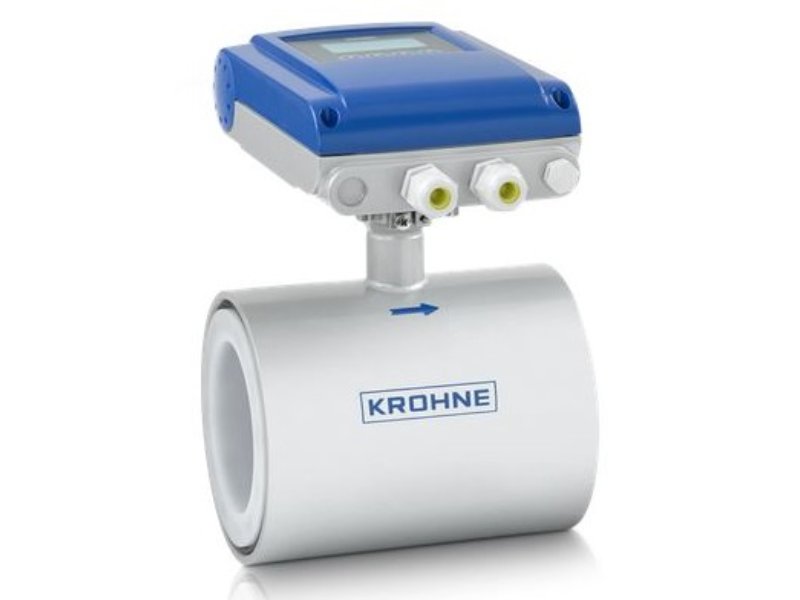
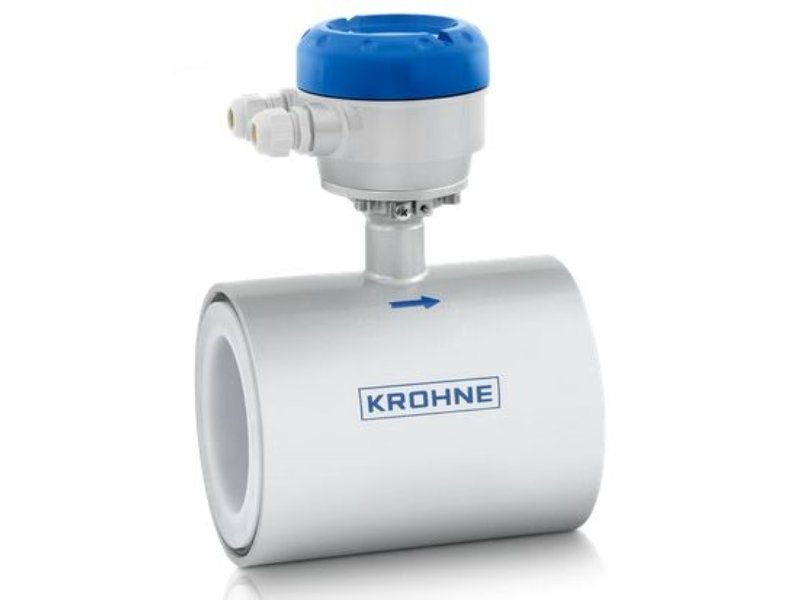
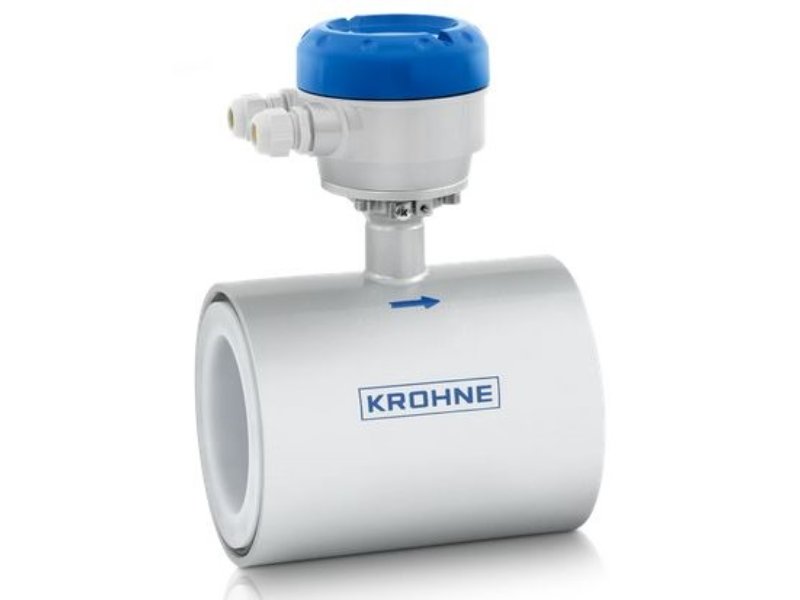
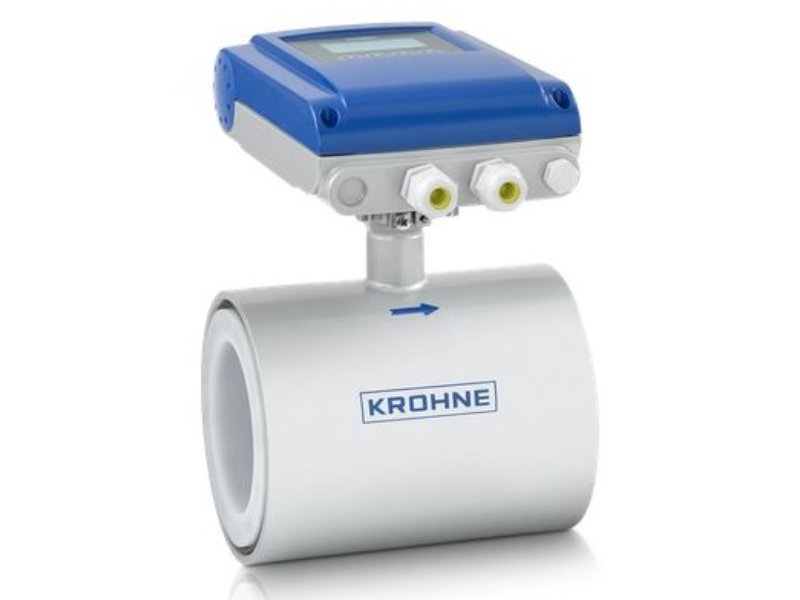
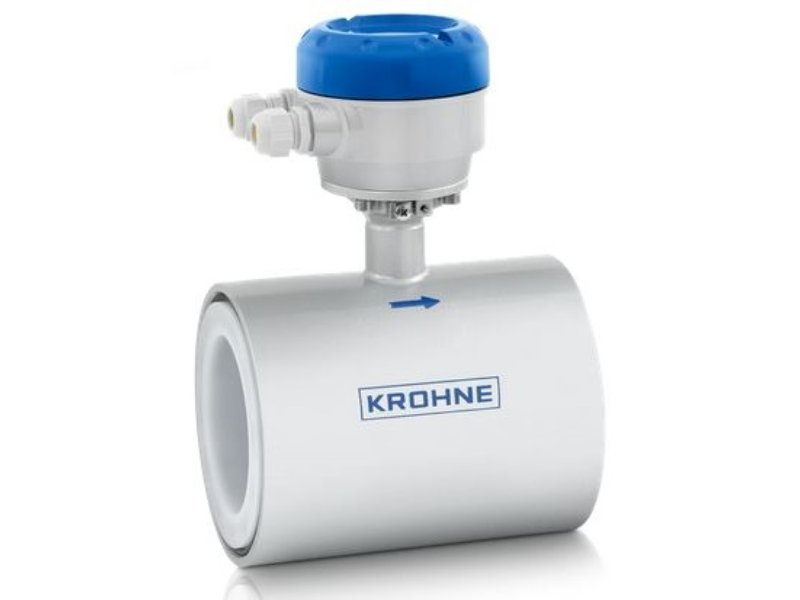
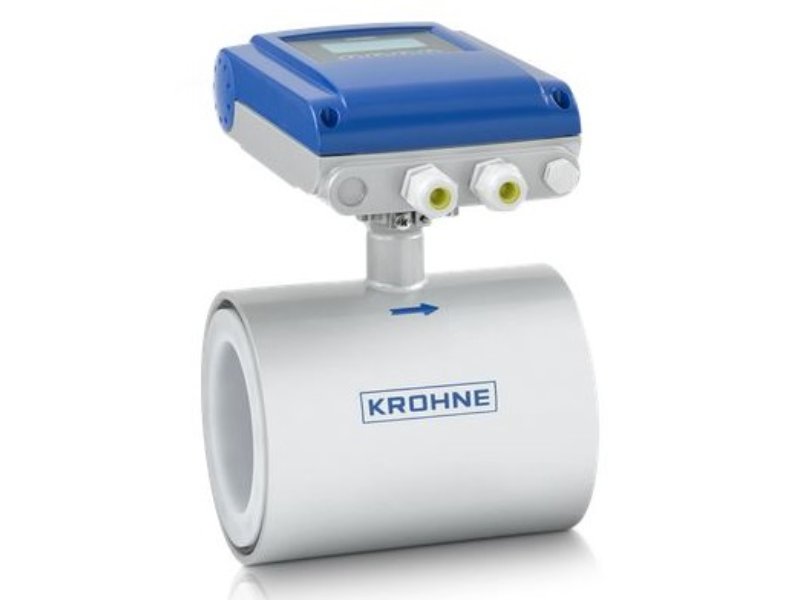
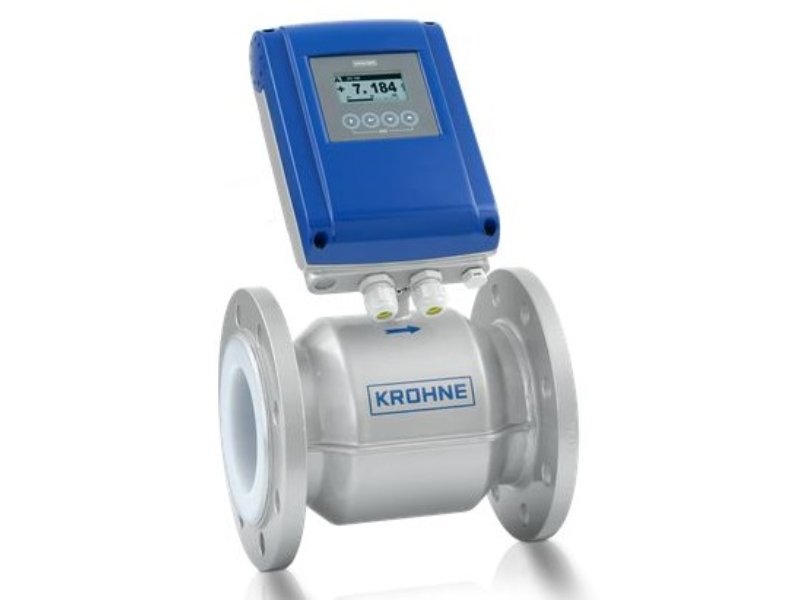
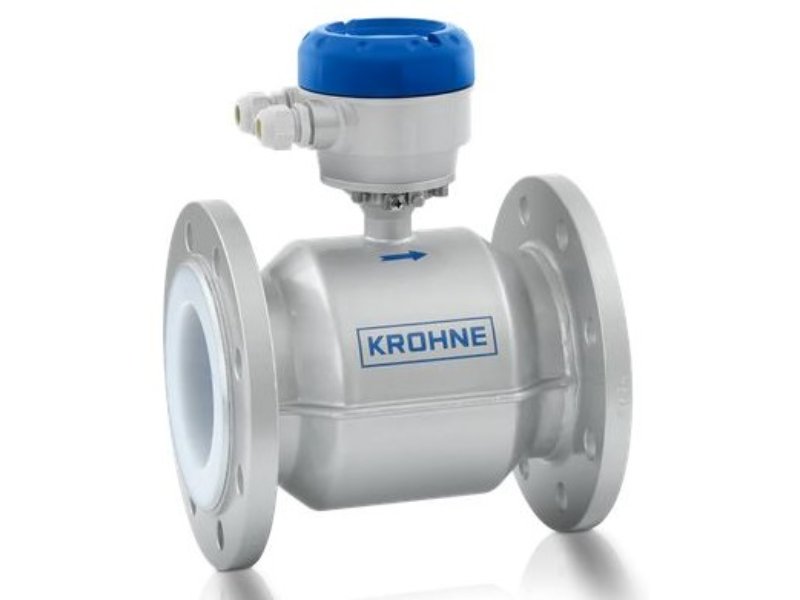
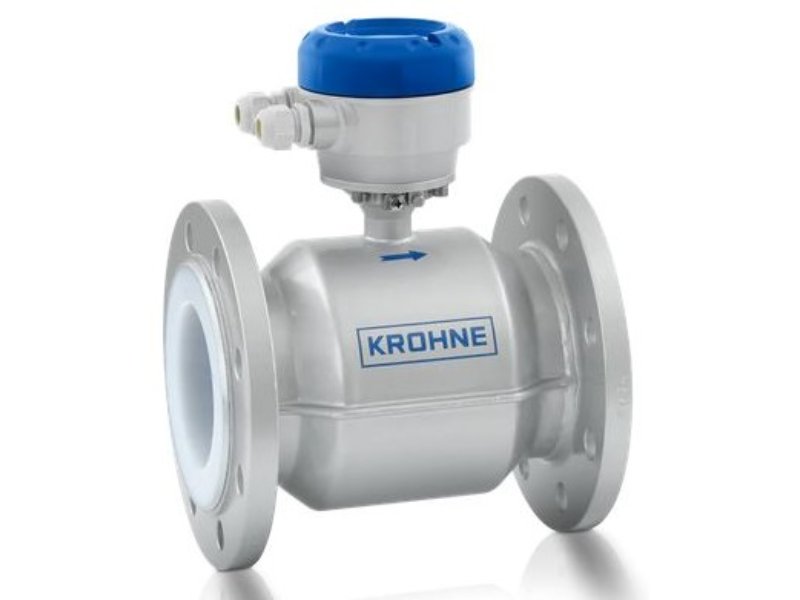
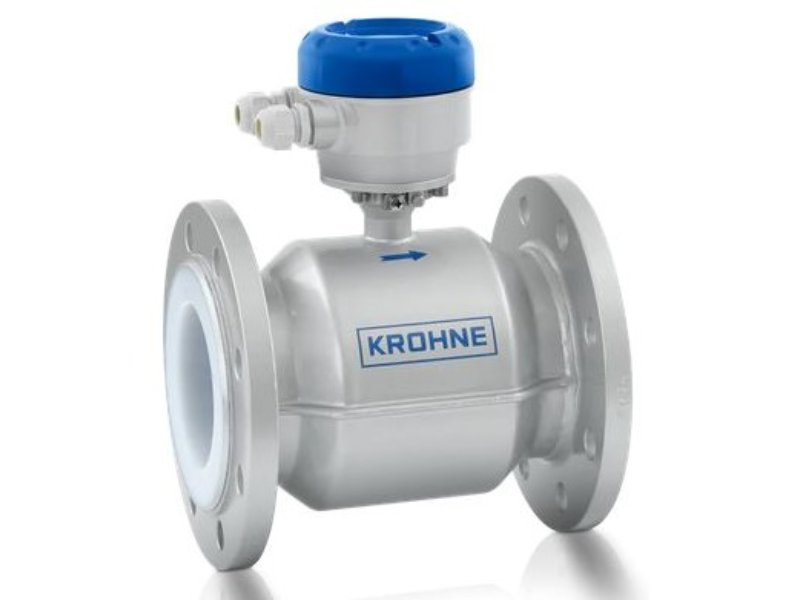
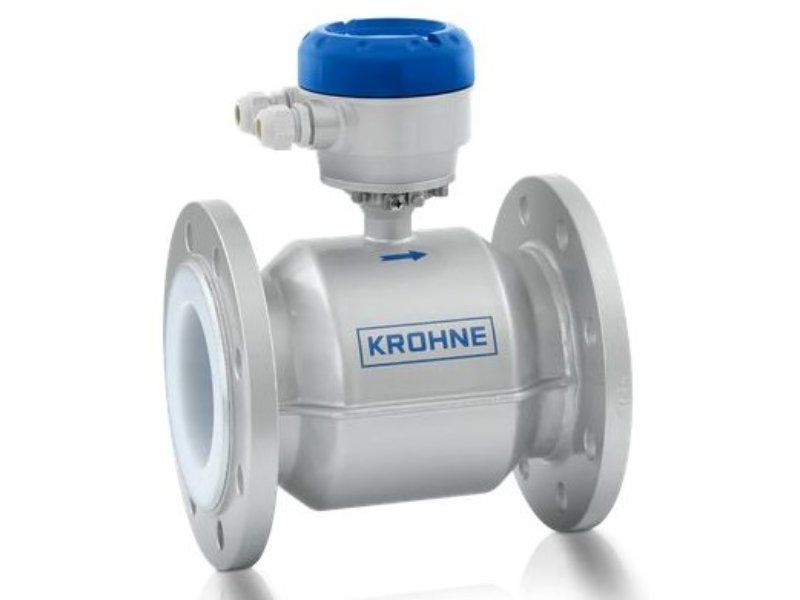
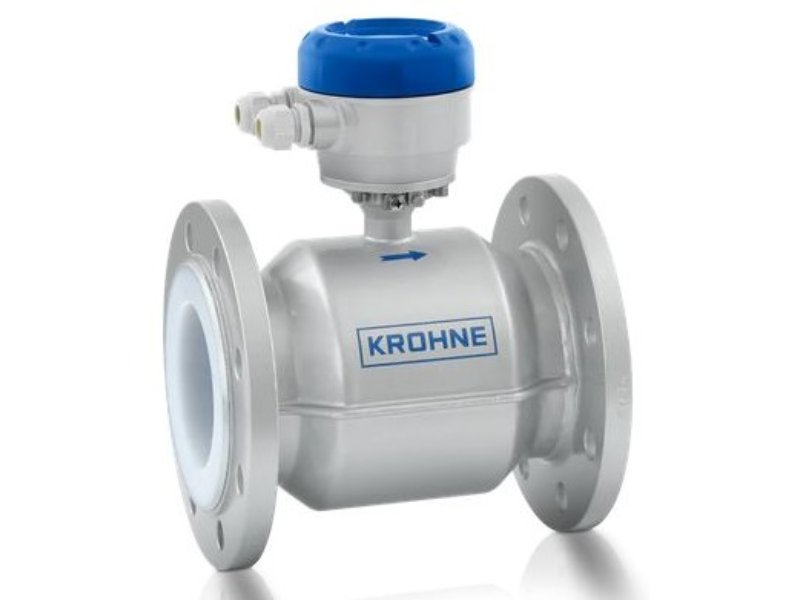
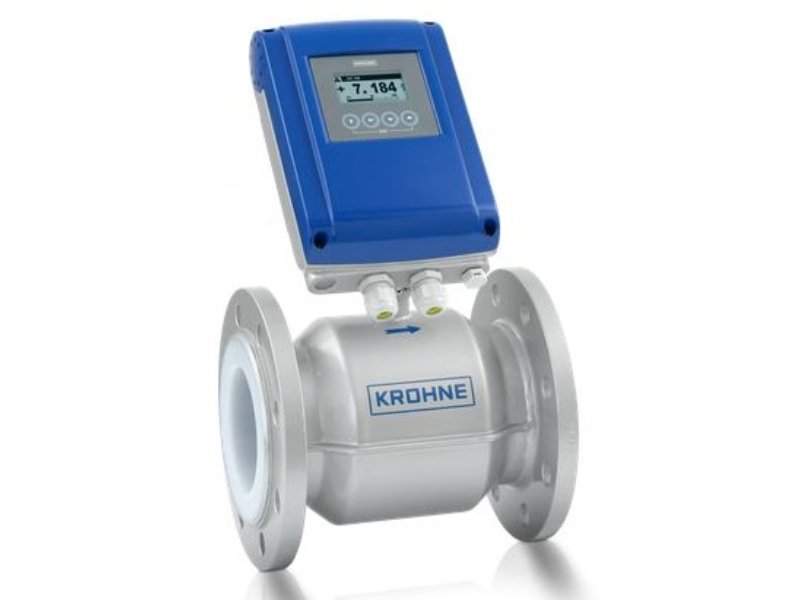
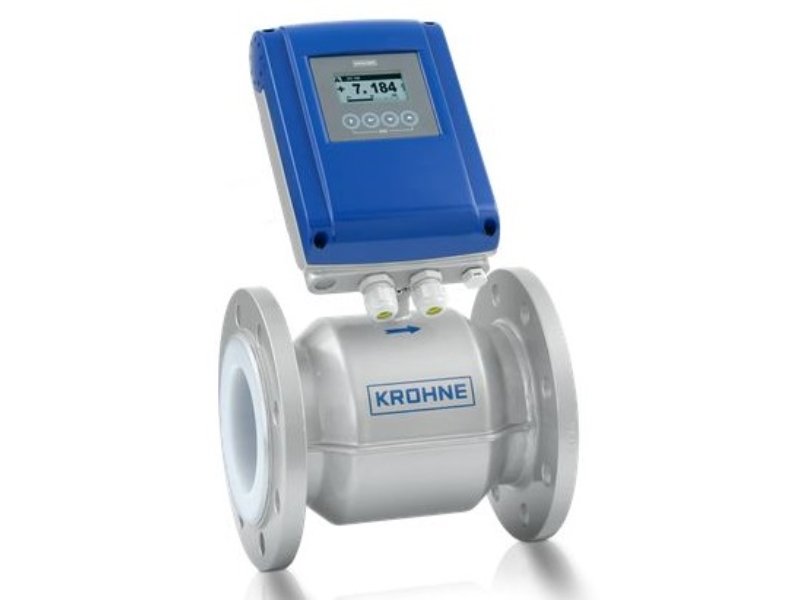
Krohne Meters
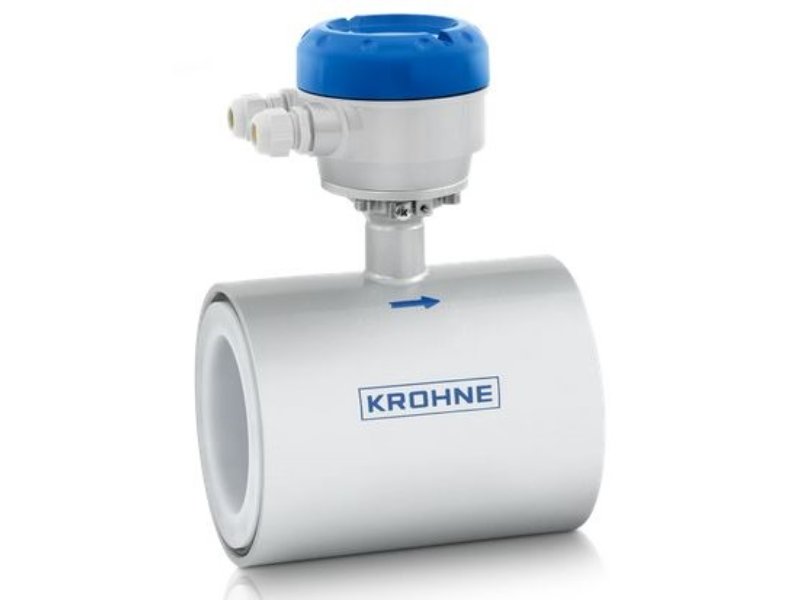
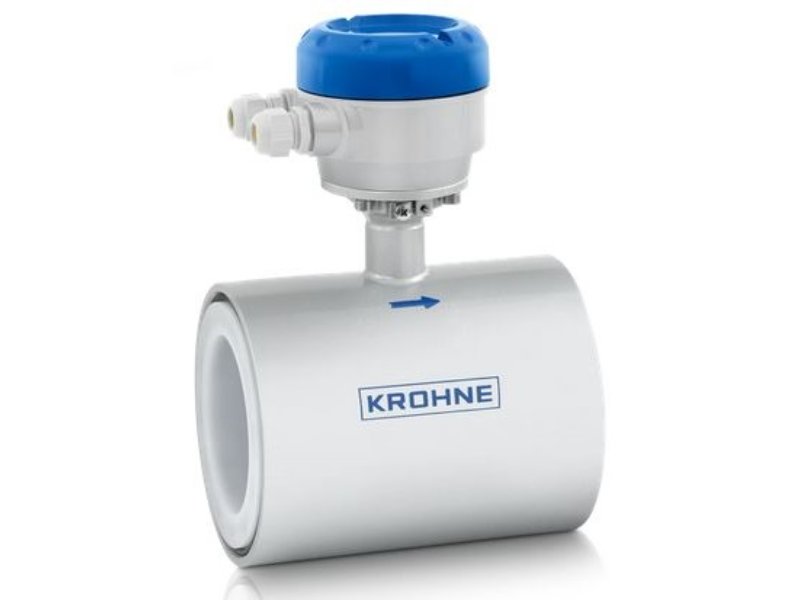
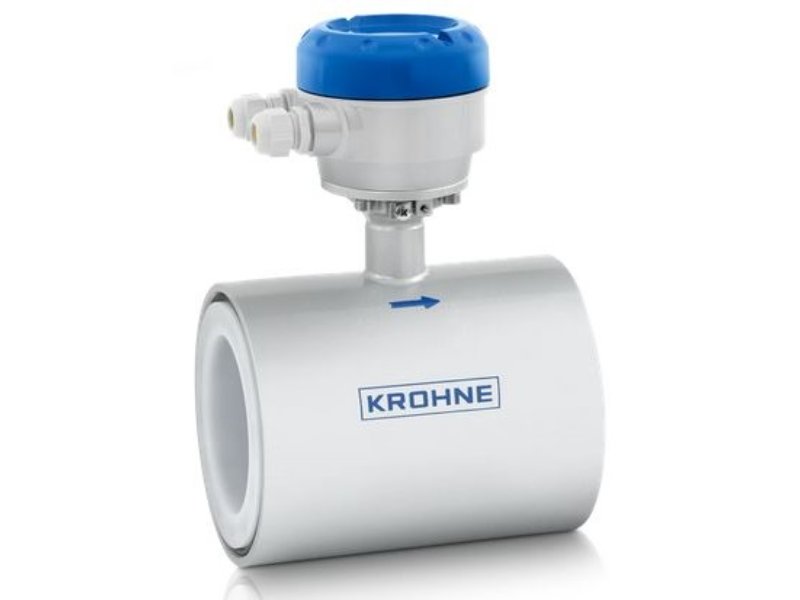
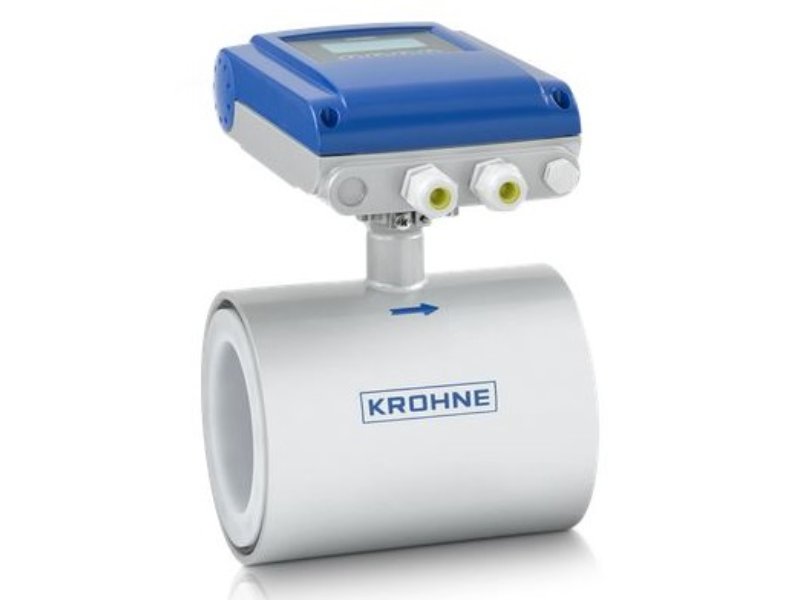
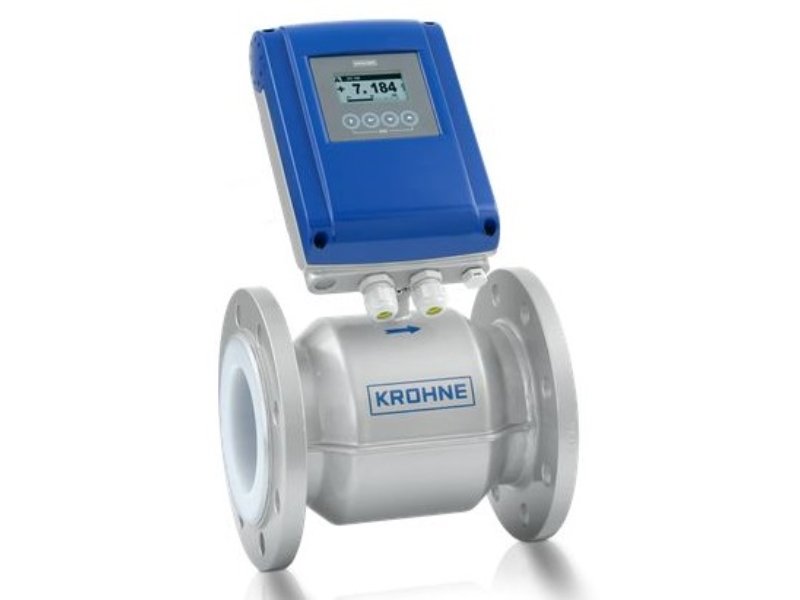
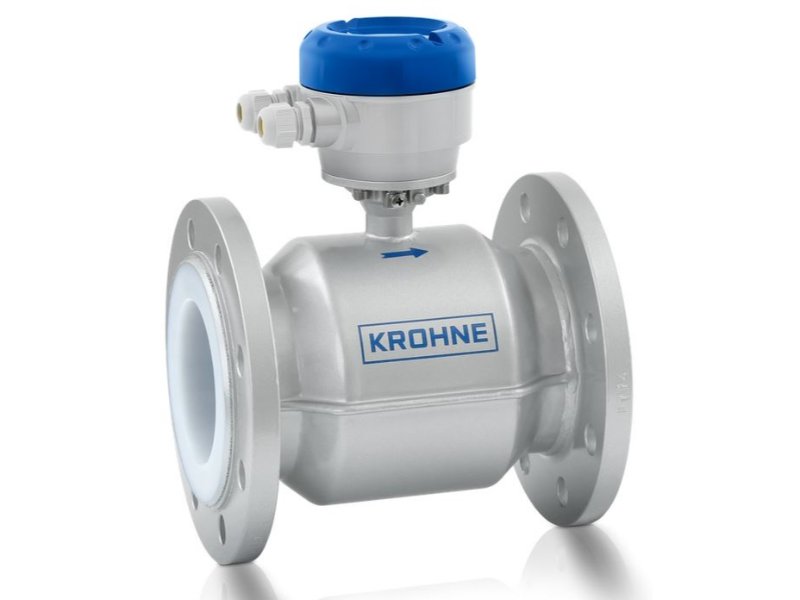
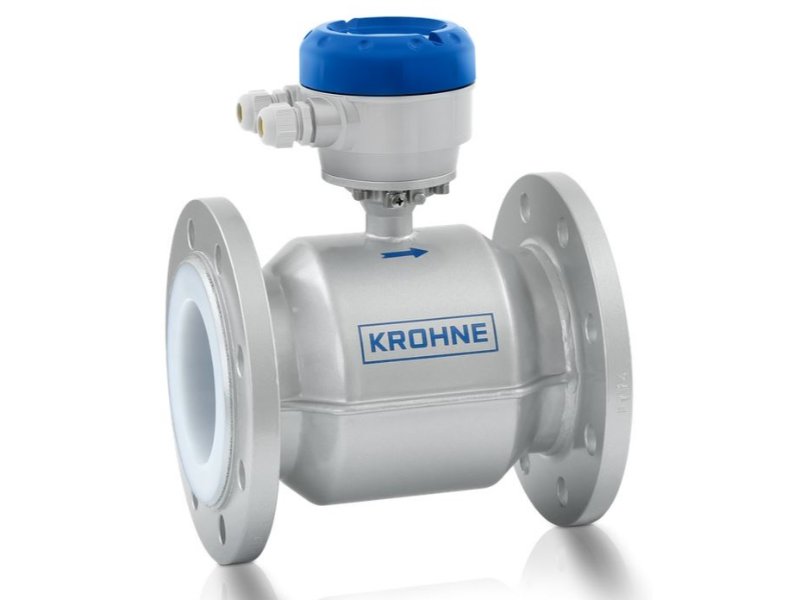
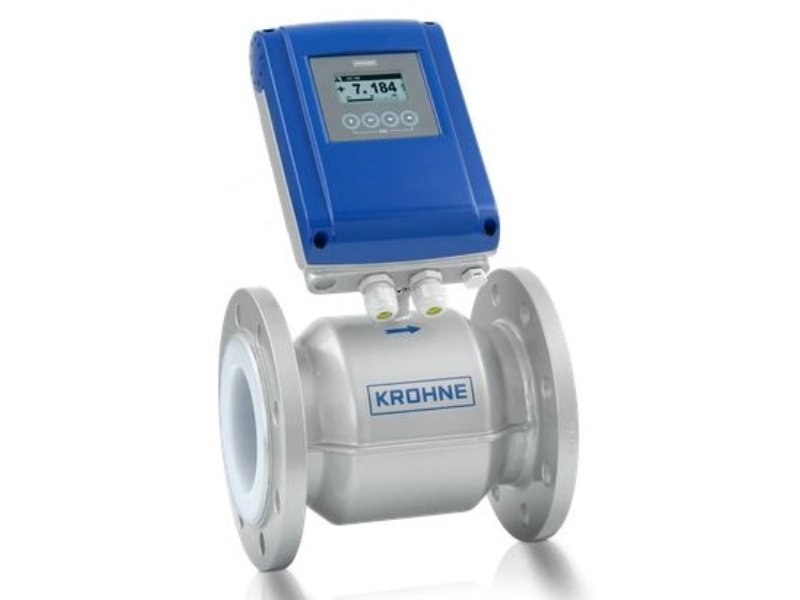
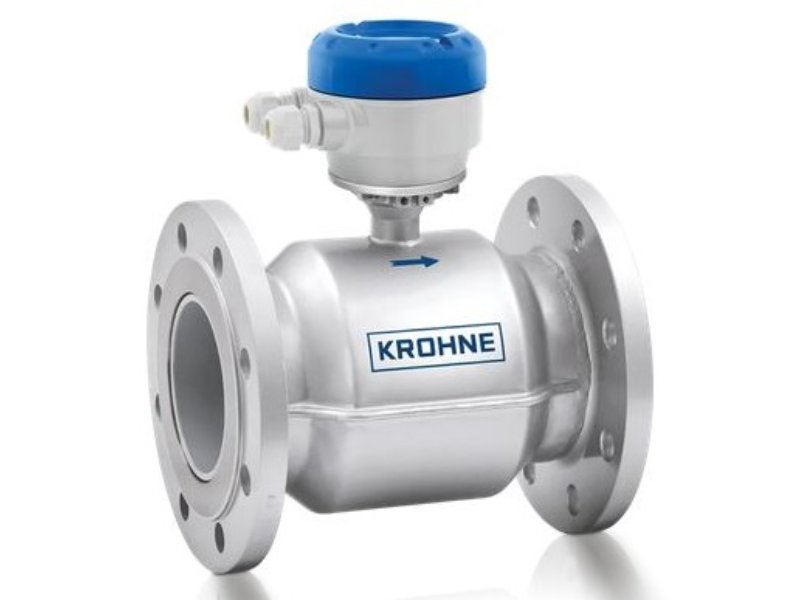
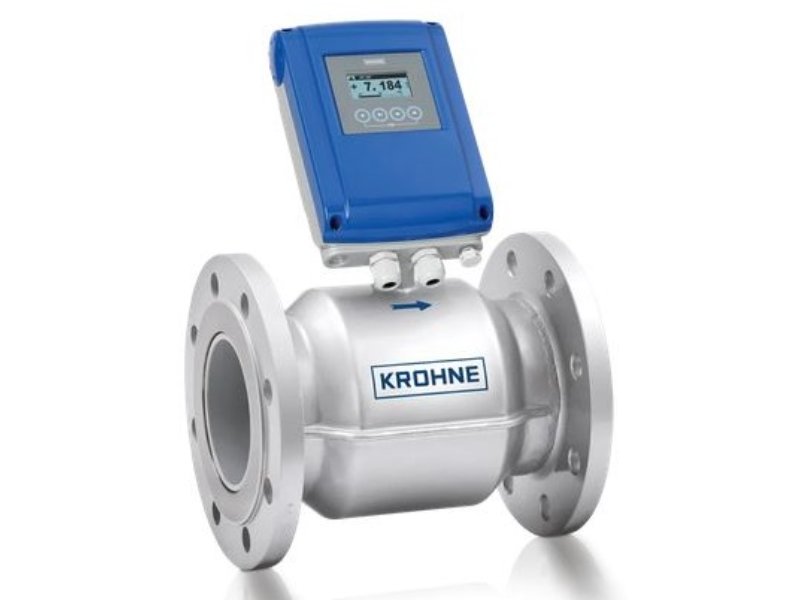
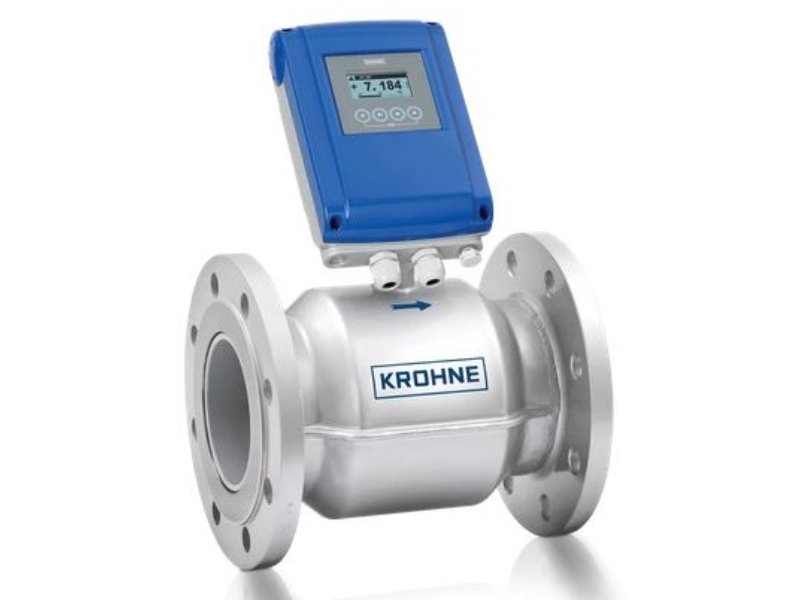
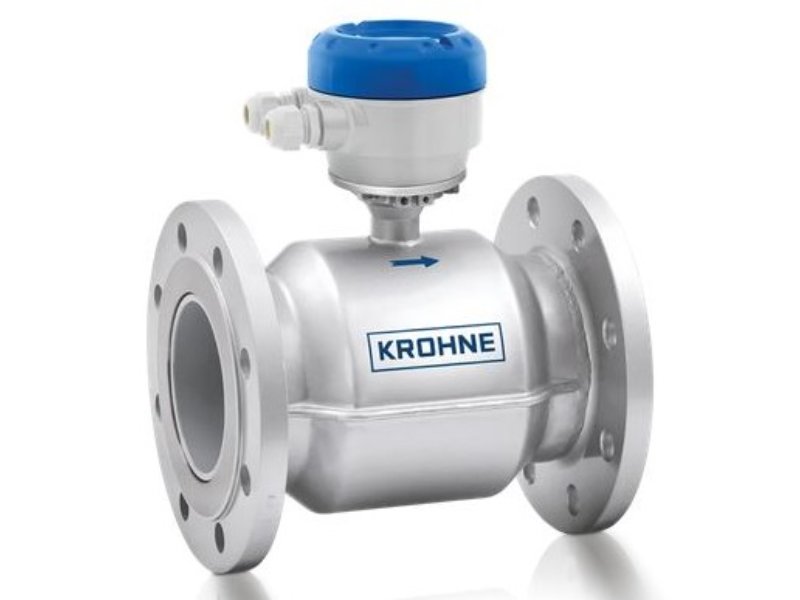
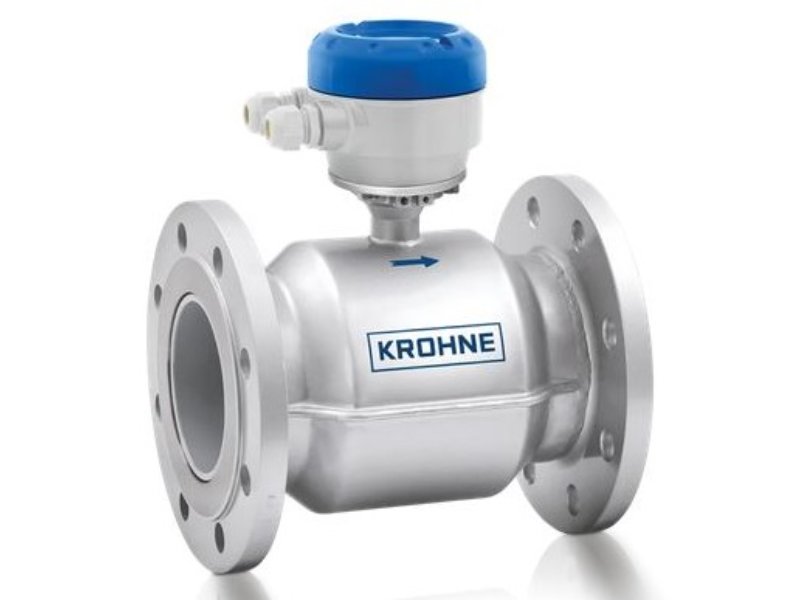
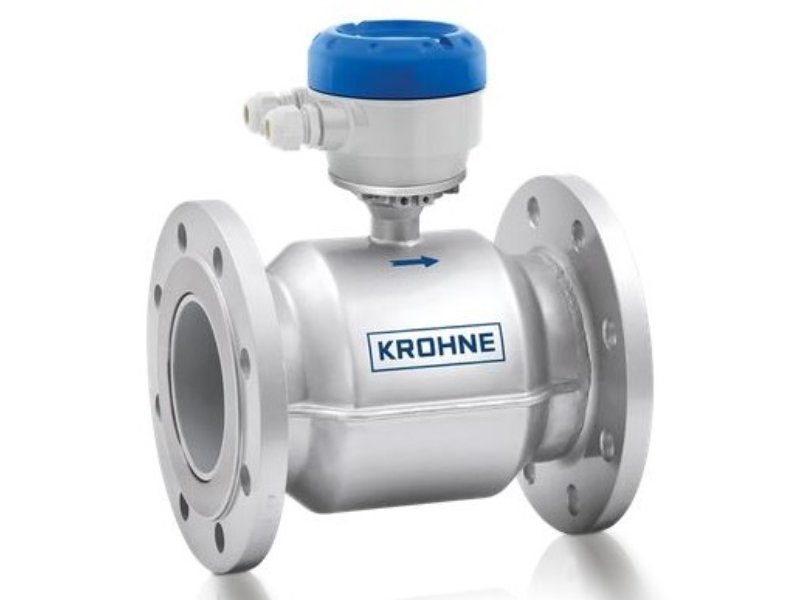
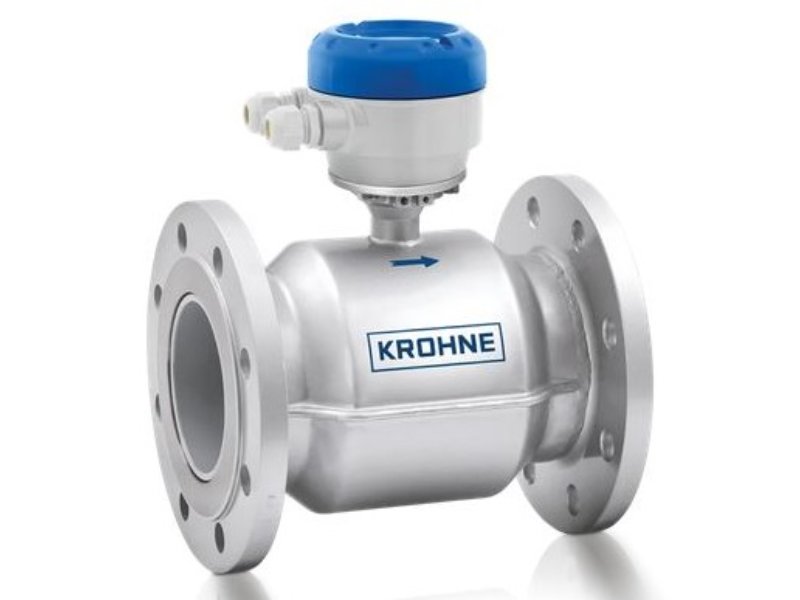
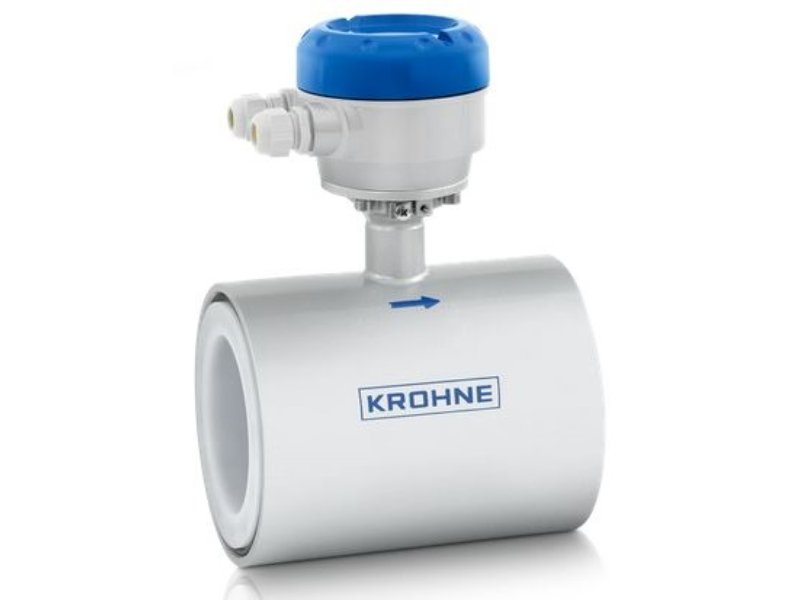
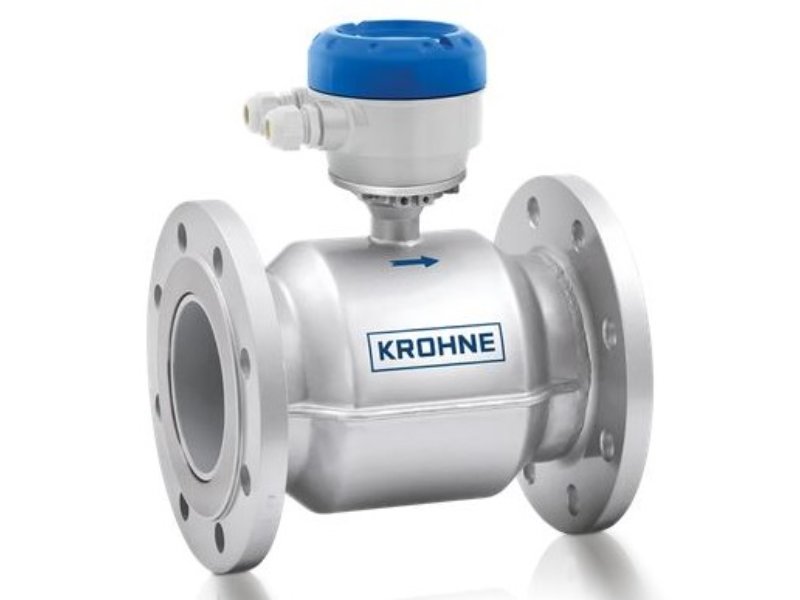
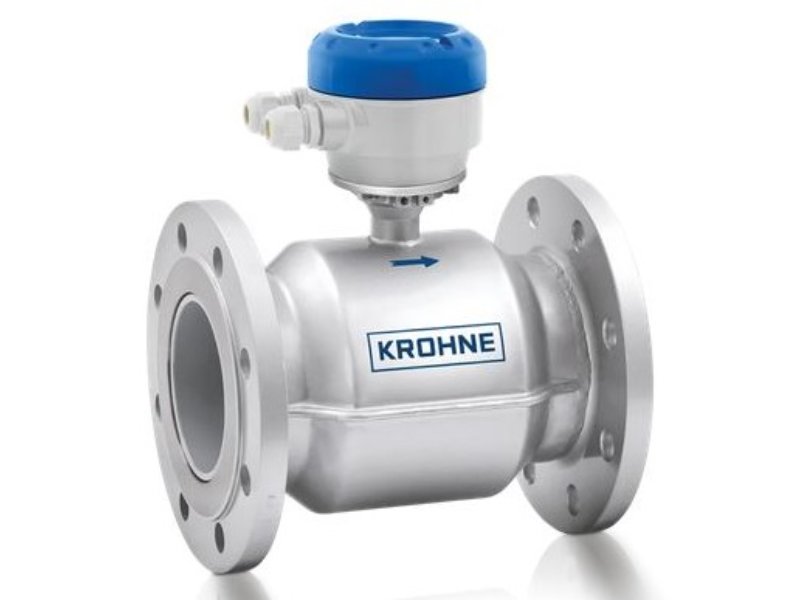
Krohne Optiflux 1000 Sensor 100mm c/w IFC050W 10-30VDC Modbus Version
$5,235.67 Read more -
Krohne Meters
Krohne Optiflux 1000 sensor 100mm c/w IFC100 Compact 10-30 VDC 45Deg Wafer
$5,384.53 Read more -
-
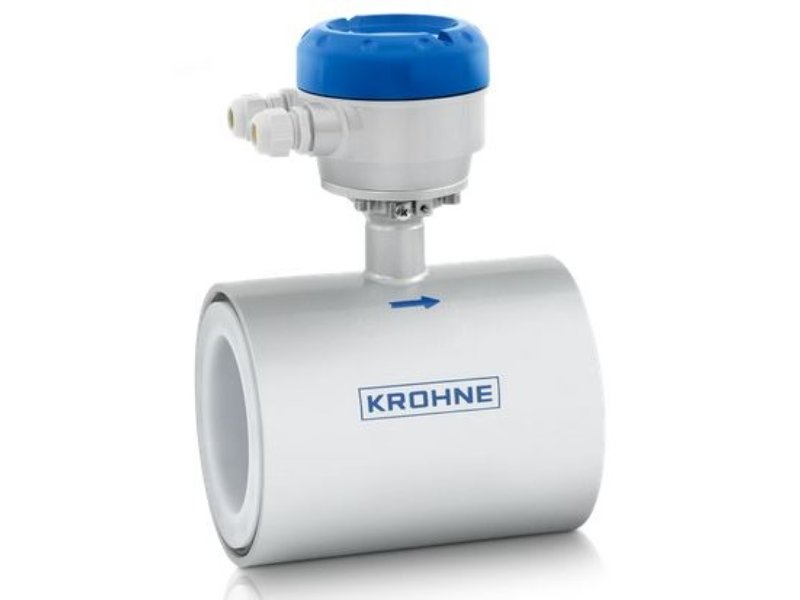
Krohne Meters
Krohne Optiflux 1000 Sensor 150mm c/w IFC050W 10-30VDC Modbus Version
$5,855.55 Read more -
-
Krohne Meters
Krohne Optiflux 1000 Sensor 25mm c/w IFC050W 10-30VDC Modbus Version
$4,580.24 Read more -
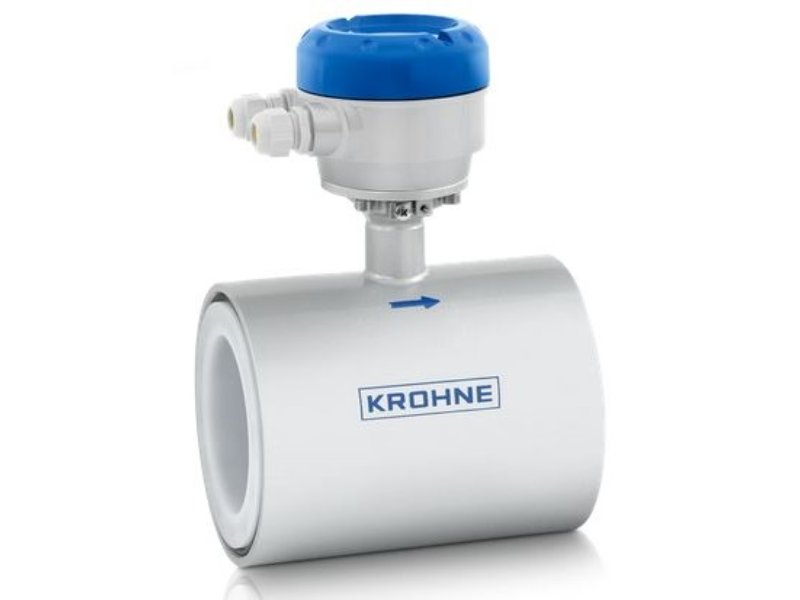
Krohne Meters
Krohne Optiflux 1000 Sensor 25mm c/w IFC100 Compact Version 10-30VDC 45Deg
$4,729.10 Read more -
-
Krohne Meters
Krohne Optiflux 1000 Sensor 40mm c/w IFC050W 10-30VDC Modbus Version
$4,580.24 Read more -
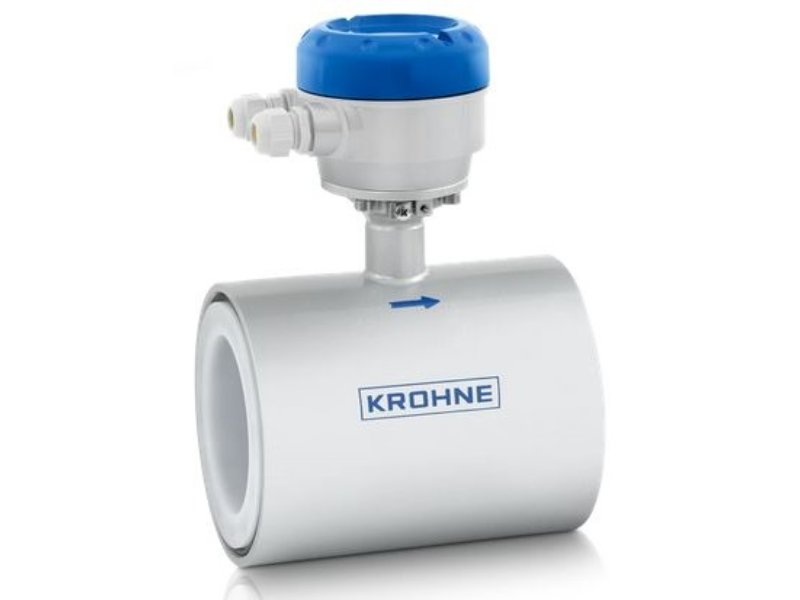
Krohne Meters
Krohne Optiflux 1000 Sensor 40mm c/w IFC100 Compact Version 10-30VDC 45Deg
$4,729.10 Read more -
-
-
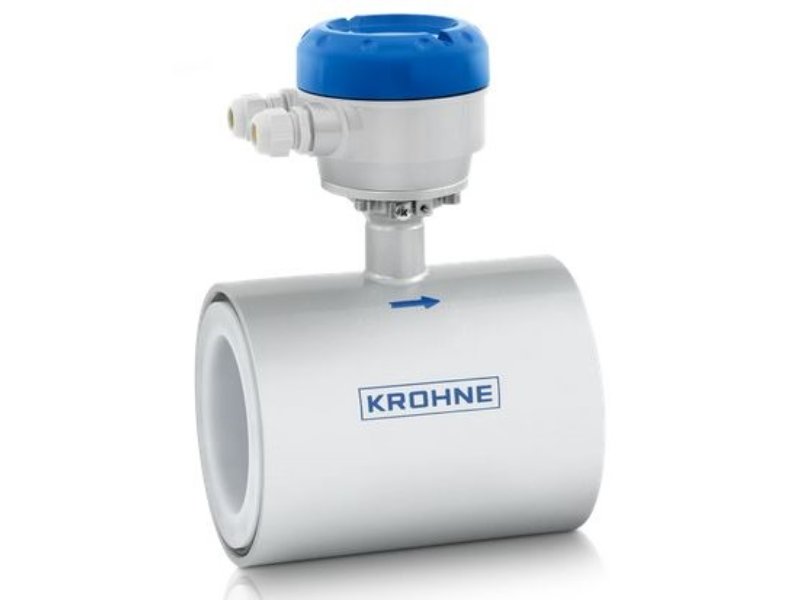
Krohne Meters
Krohne Optiflux 1000 Sensor 50mm c/w IFC050W 10-30VDC Modbus Version
$4,580.24 Read more -
Krohne Meters
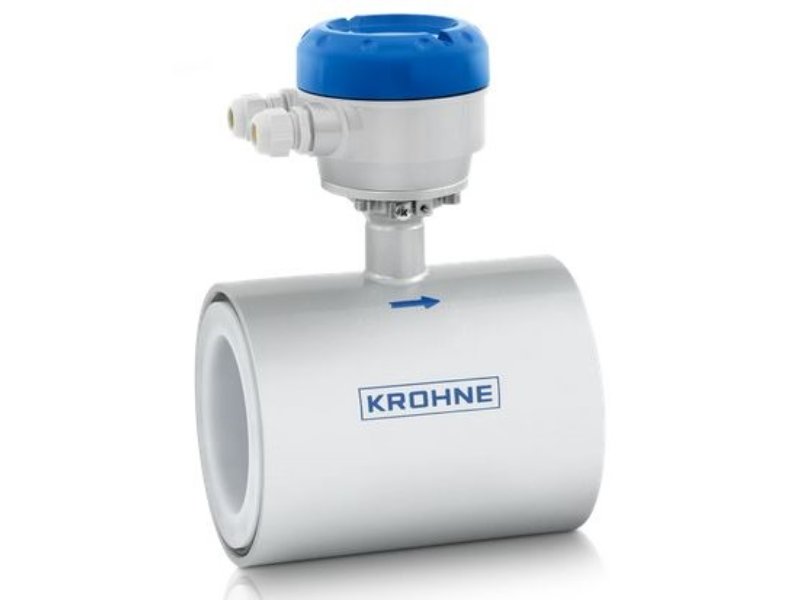
Krohne Optiflux 1000 Sensor 50mm c/w IFC100 Compact Version 10-30VDC 45Deg Wafer
$4,729.10 Read more -
-
-
Krohne Meters
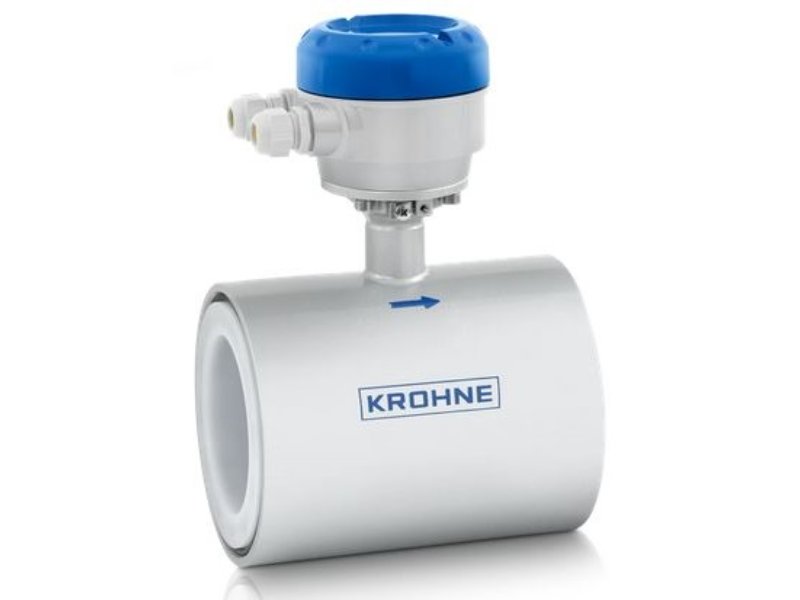
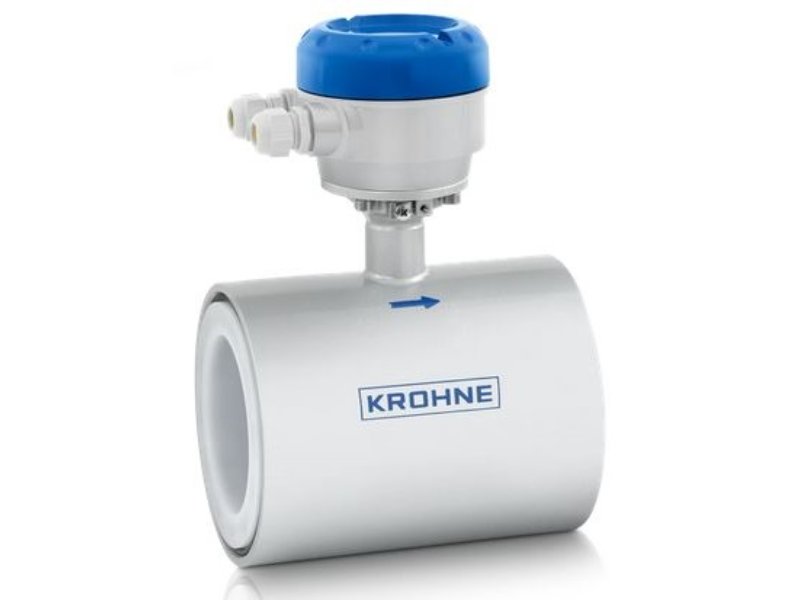
Krohne Optiflux 1000 Sensor 80mm c/w IFC050W 10-30VDC Modbus Version
$4,803.53 Read more -
Krohne Meters
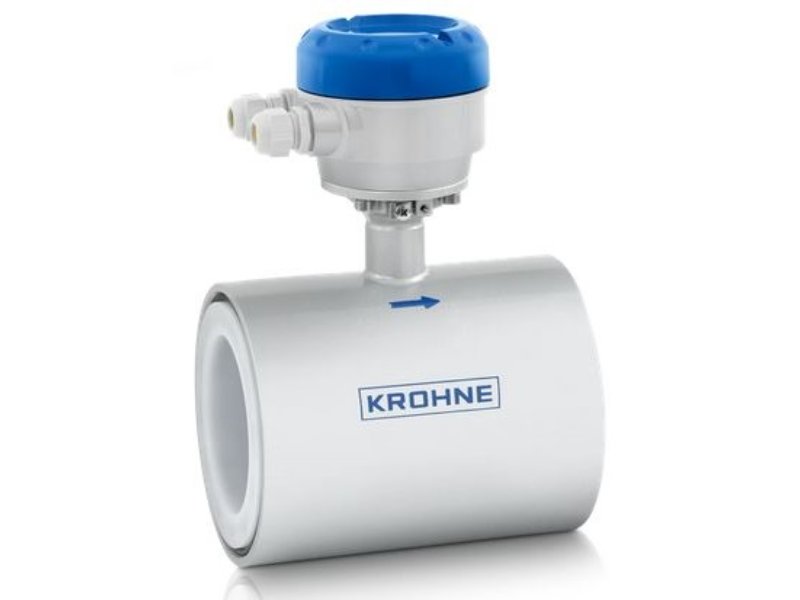
Krohne Optiflux 1000 Sensor 80mm c/w IFC100 Compact Version 10-30VDC 45Deg Wafer
$4,952.39 Read more -
-
-
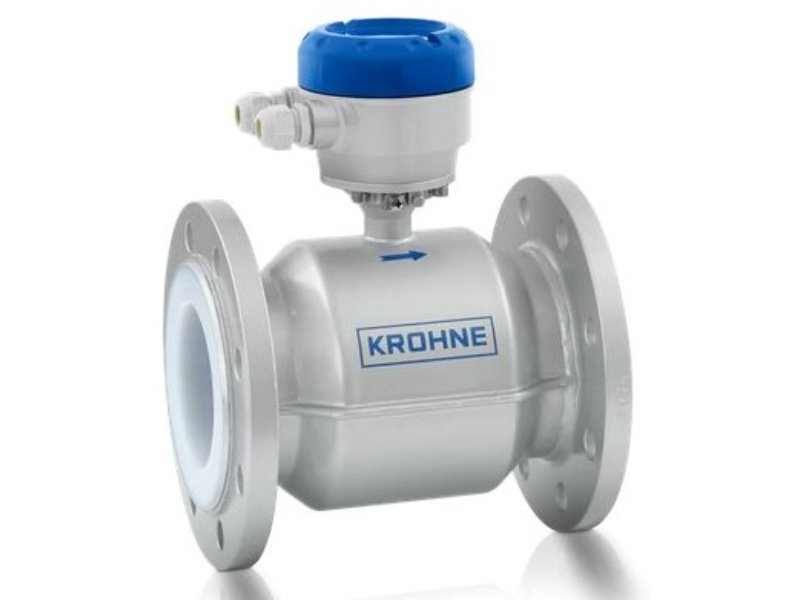
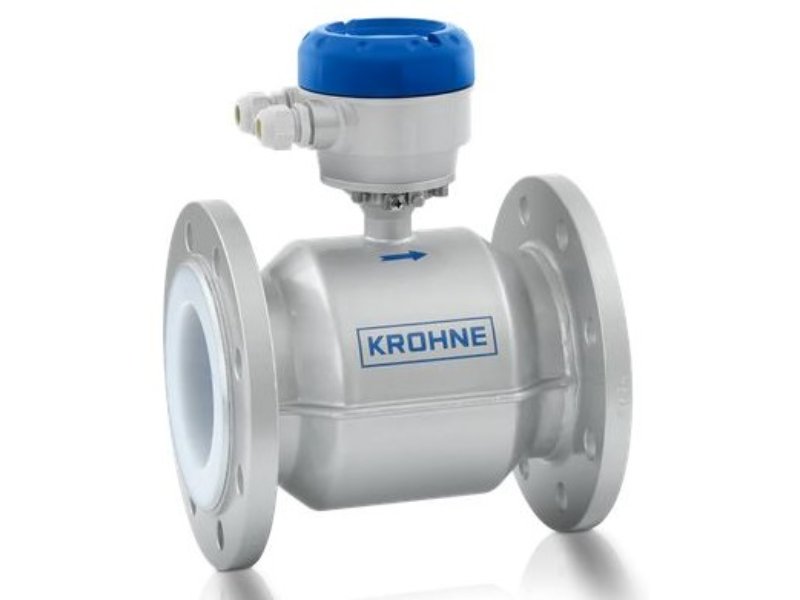
Krohne Meters
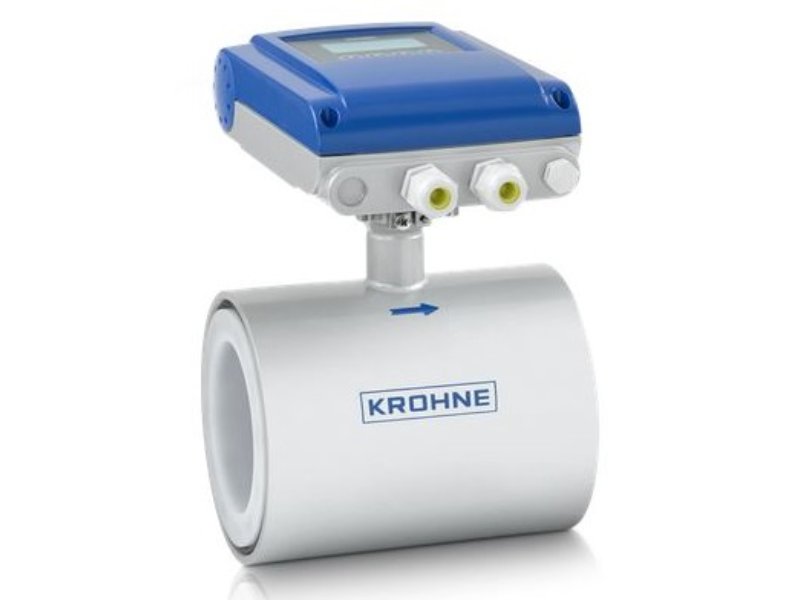
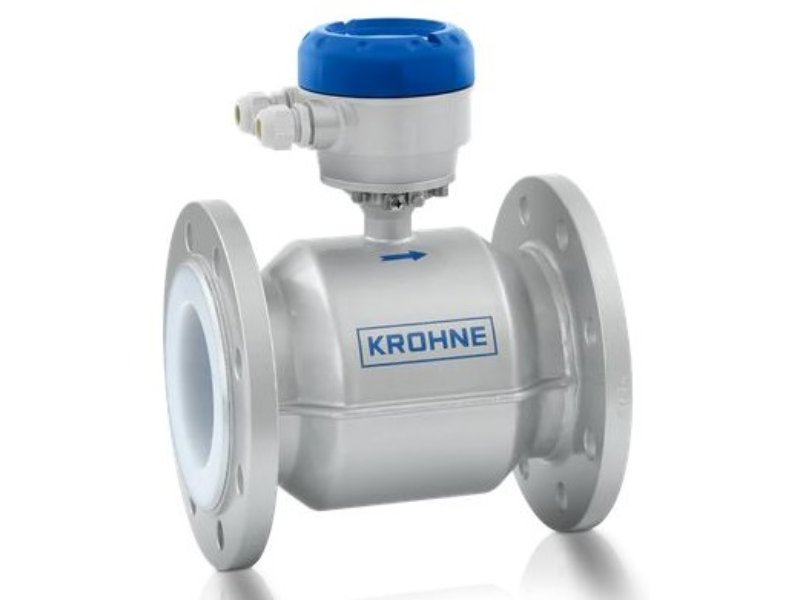
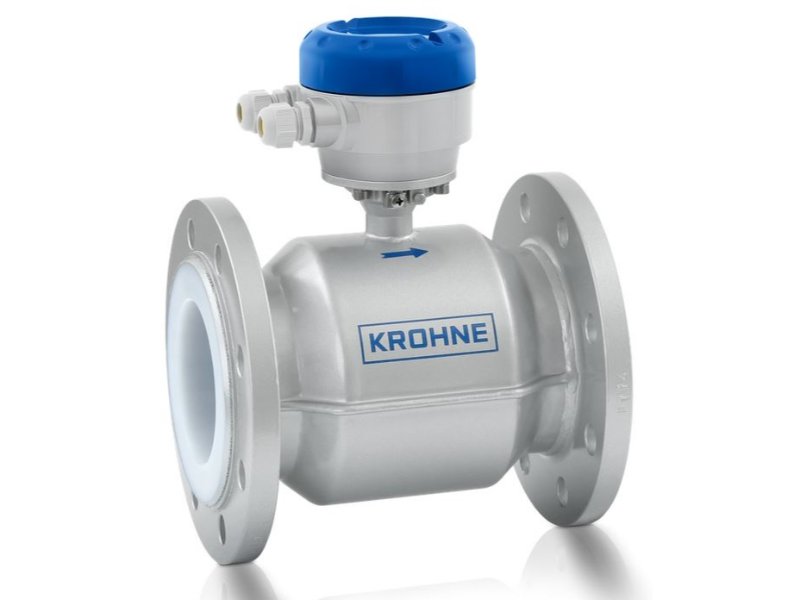
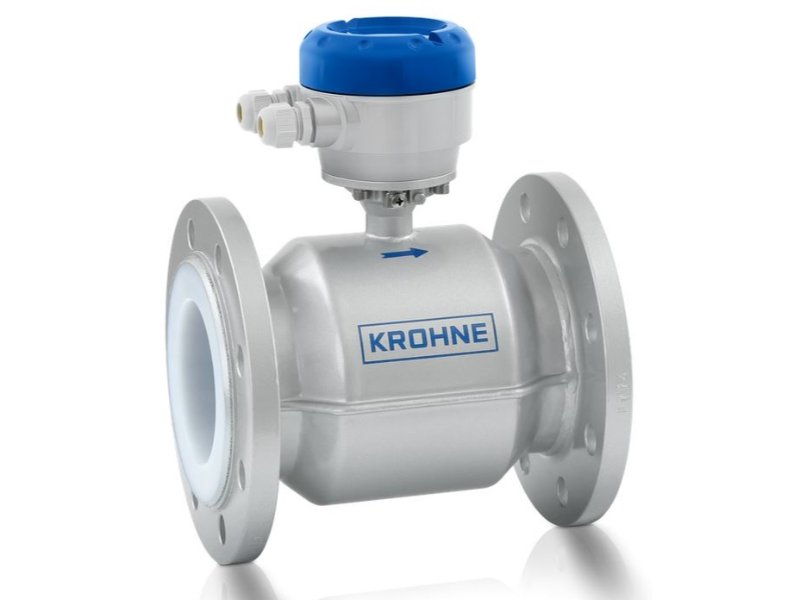
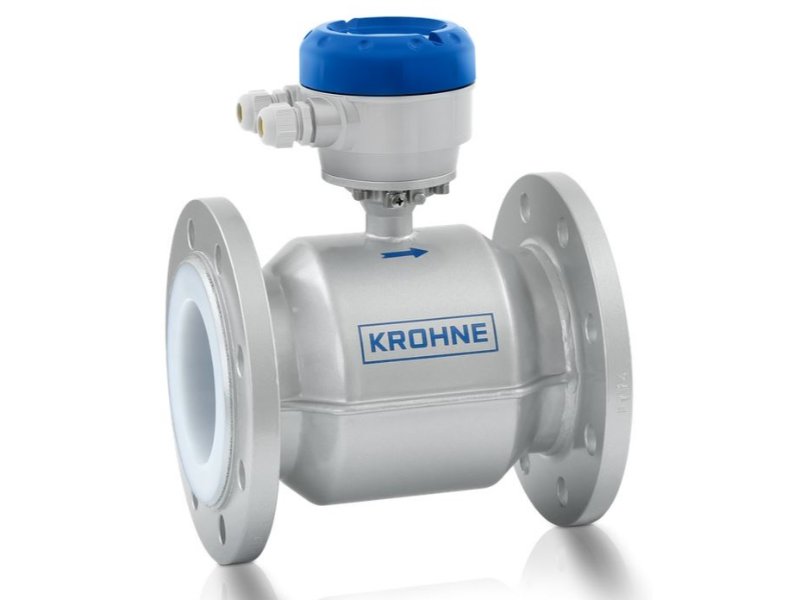
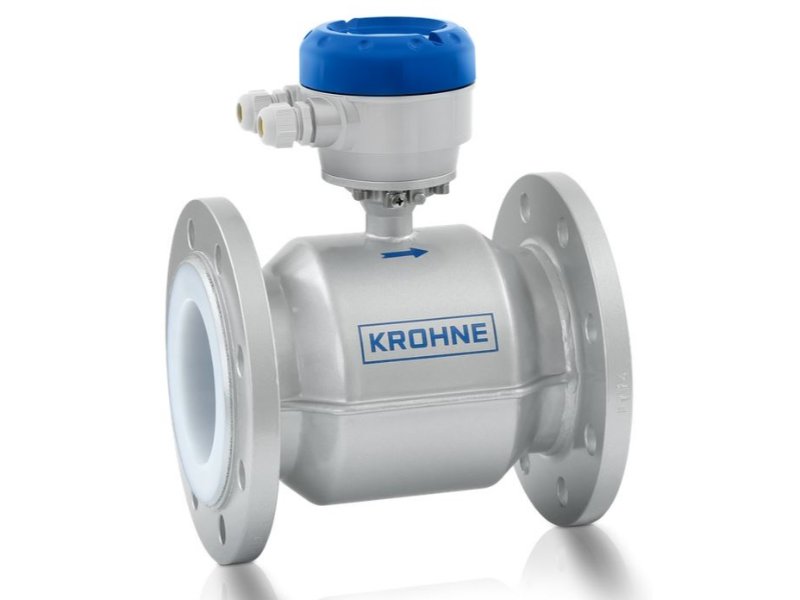
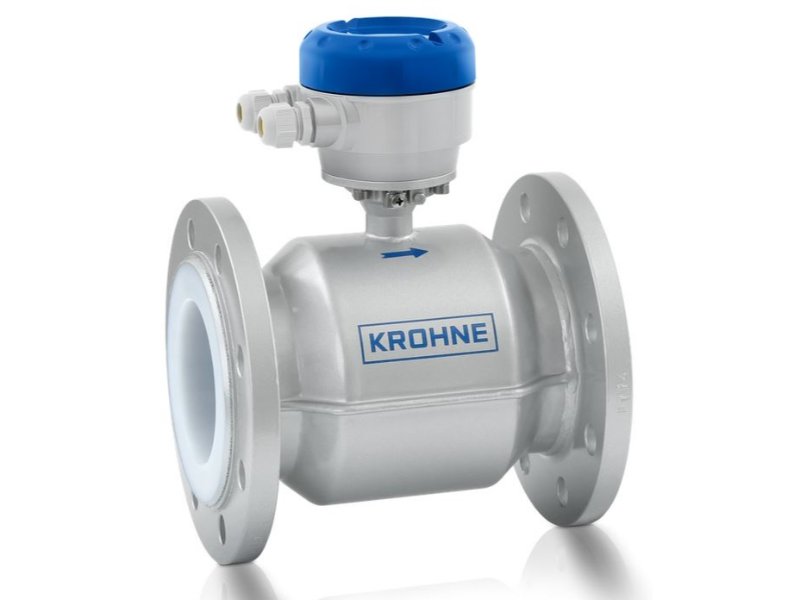
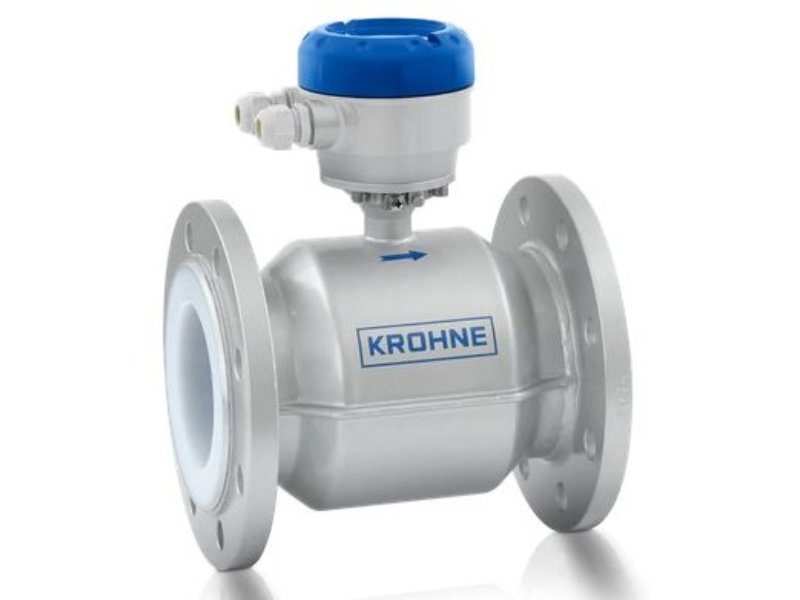
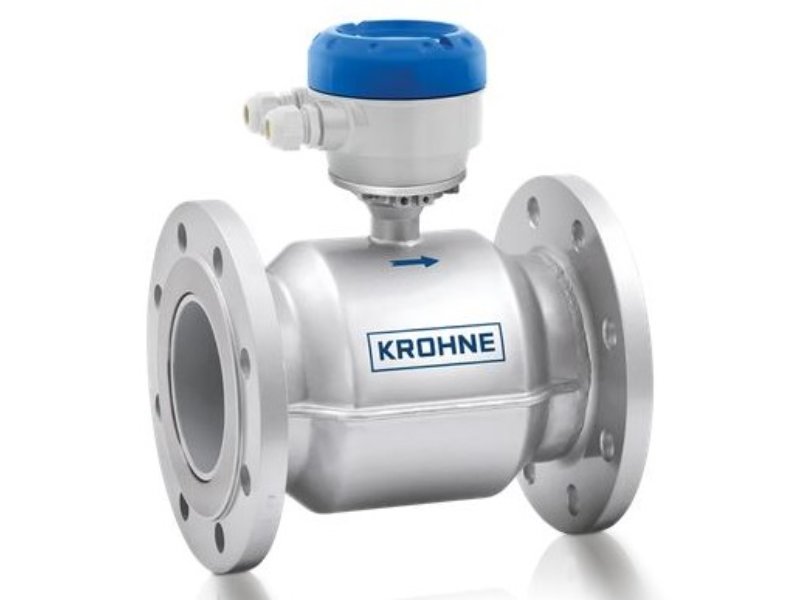
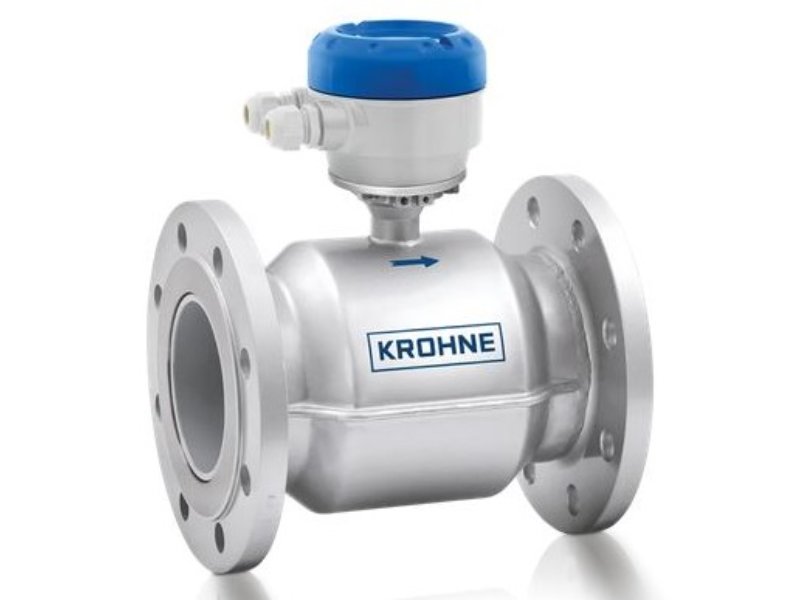
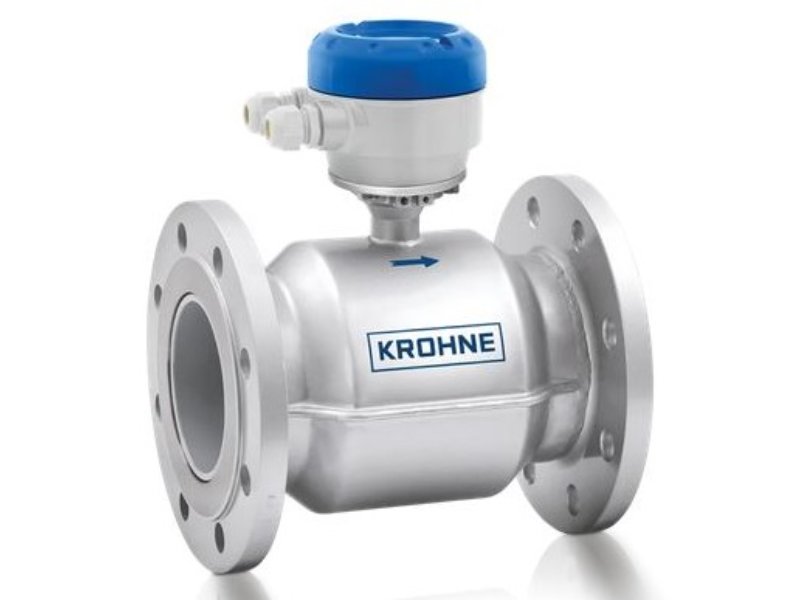
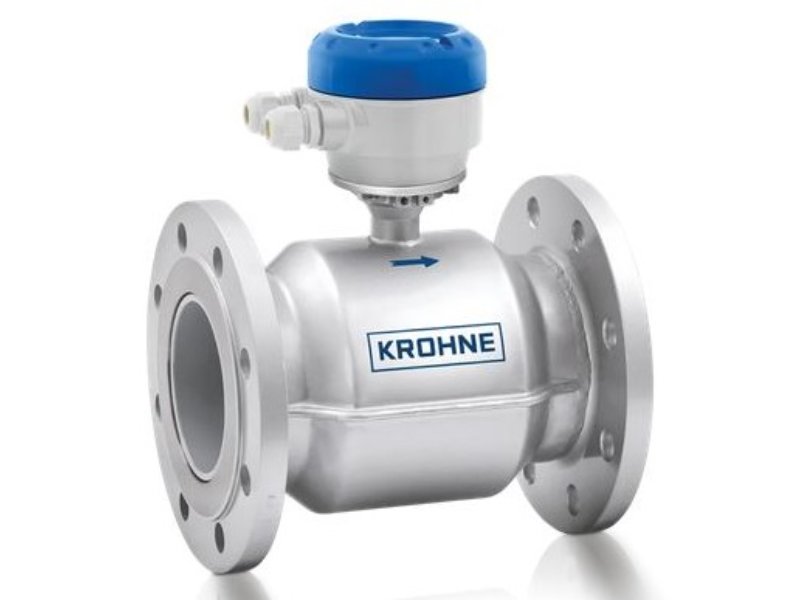
Krohne Optiflux 2000 100mm c/w IFC050W 240VAC Modbus Version Table E
$6,198.82 Read more -
Krohne Meters
Krohne Optiflux 2000 100mm c/w IFC100C 10-30VDC 0deg Civil Spec AS4087
$5,973.31 Read more -
-
-
-
-
-
Krohne Meters
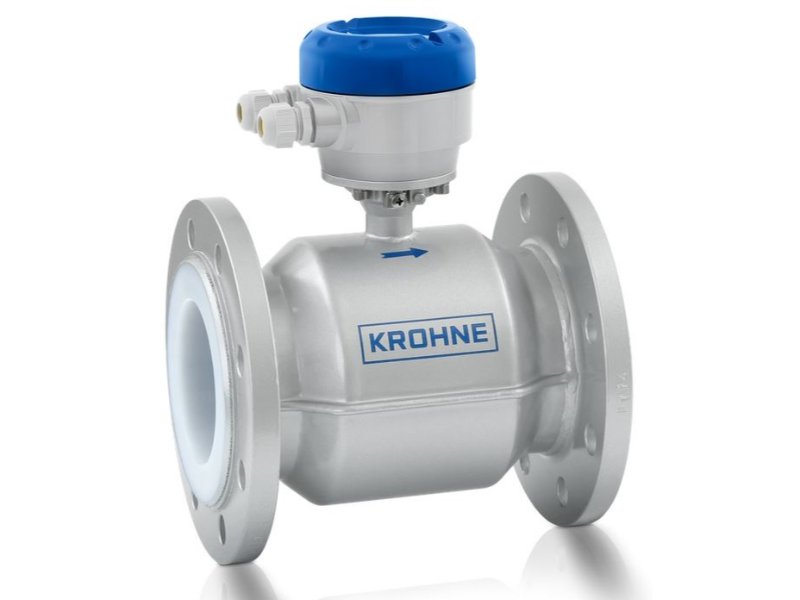
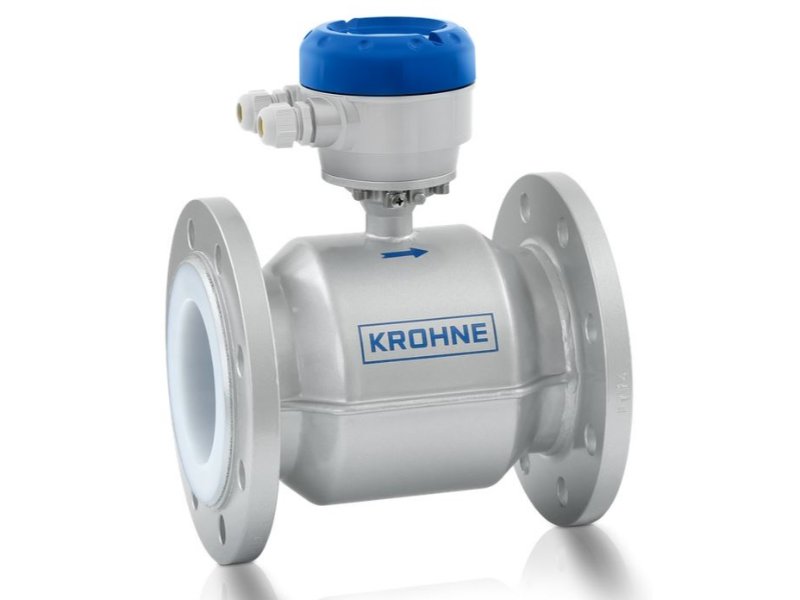
Krohne Optiflux 2000 125mm c/w IFC100C DC Compact Civil Spec AS4087/Table E *****
$6,147.72 Read more -
-
-
Krohne Meters
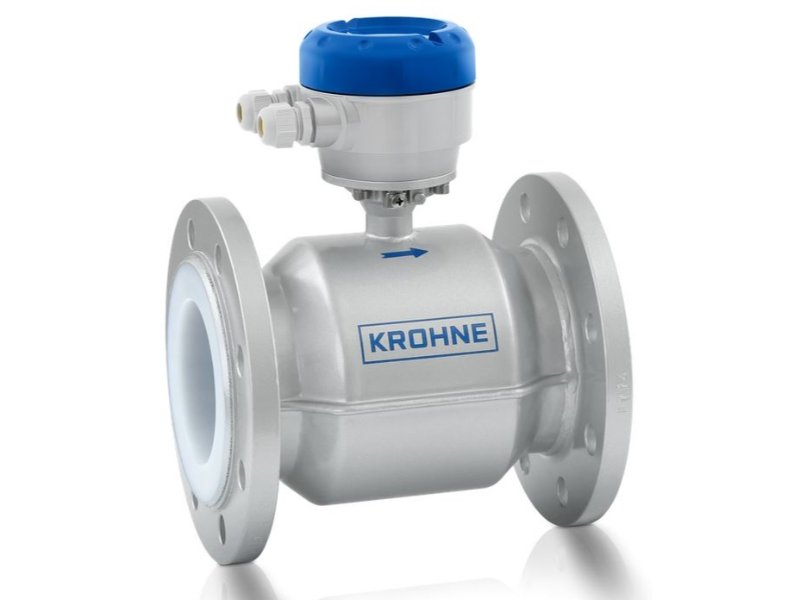
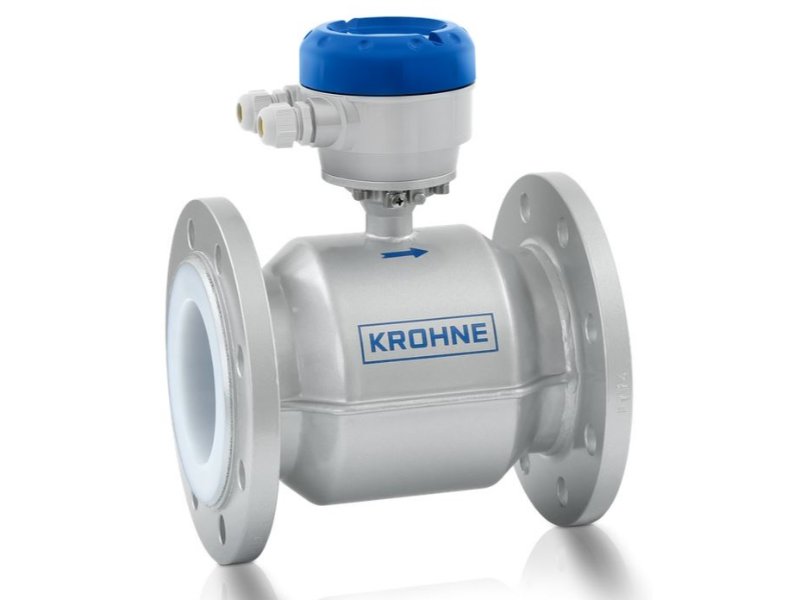
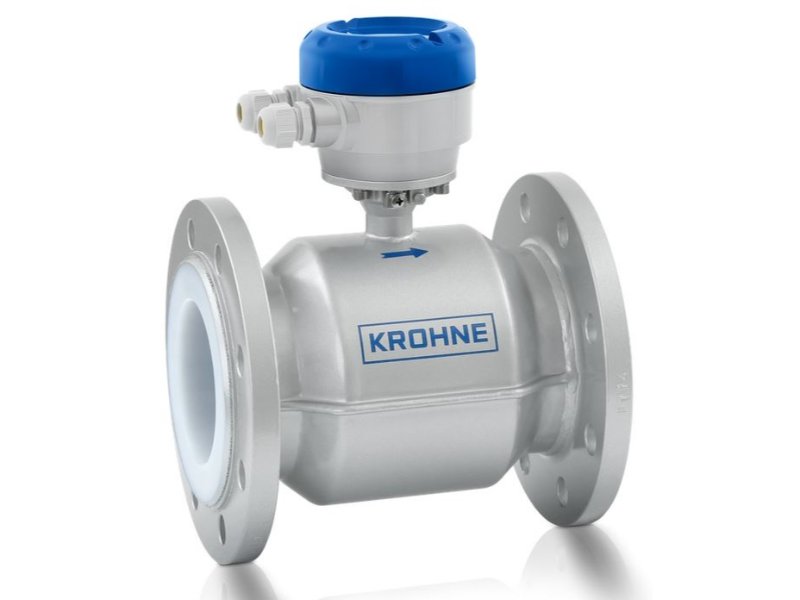
Krohne Optiflux 2000 150mm c/w IFC050W 240VAC Modbus Version Table E
$6,696.51 Read more -
-
-
-
-
Krohne Meters
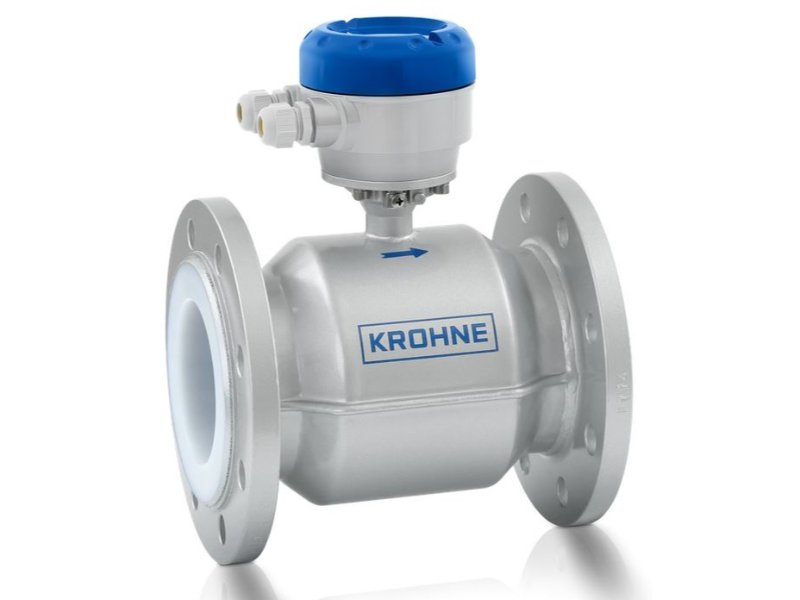
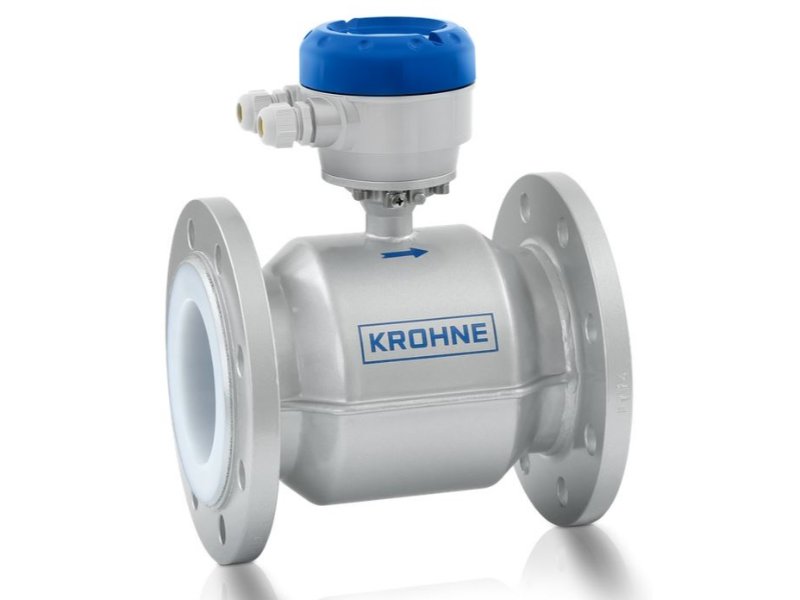
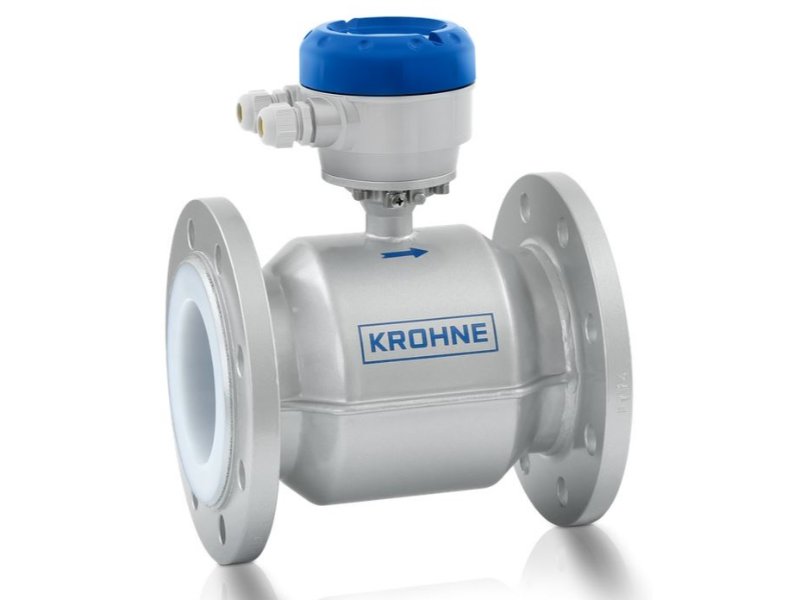
Krohne Optiflux 2000 200mm c/w IFC050W 240VAC Modbus Version Table E
$7,931.83 Read more -
-
-
-
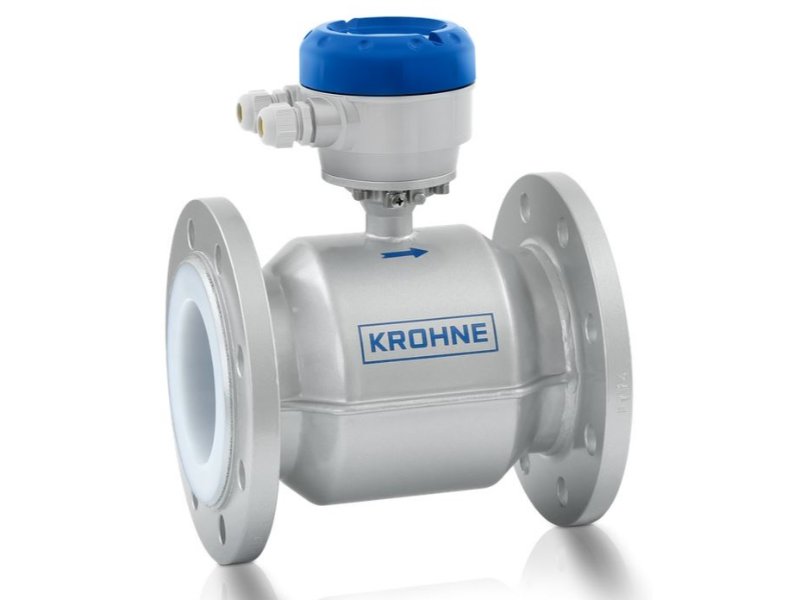
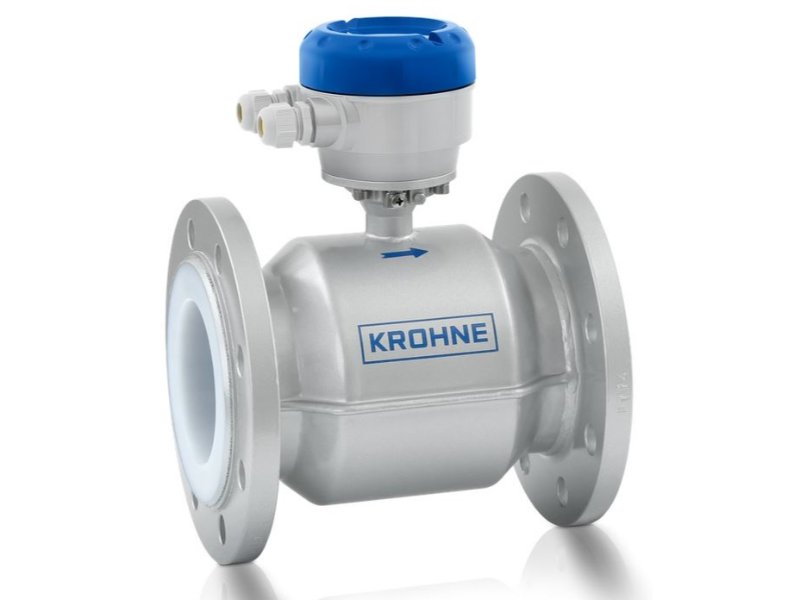
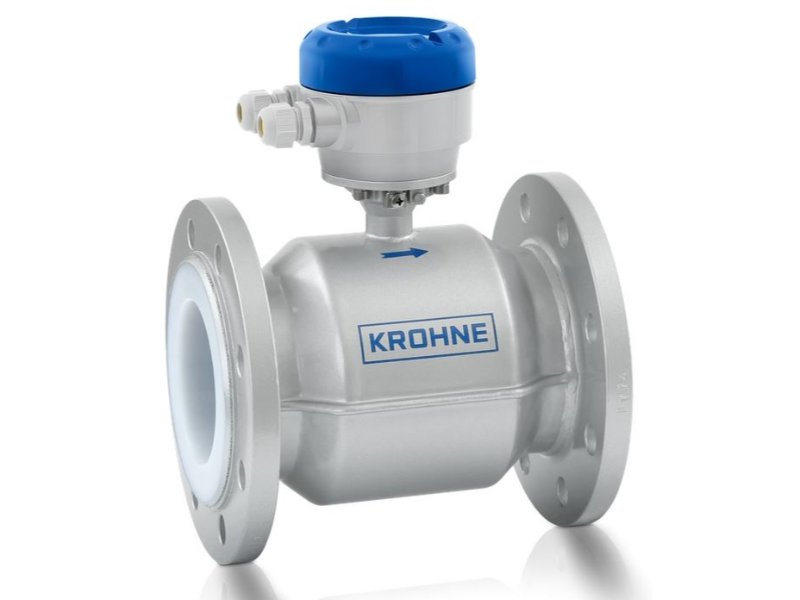
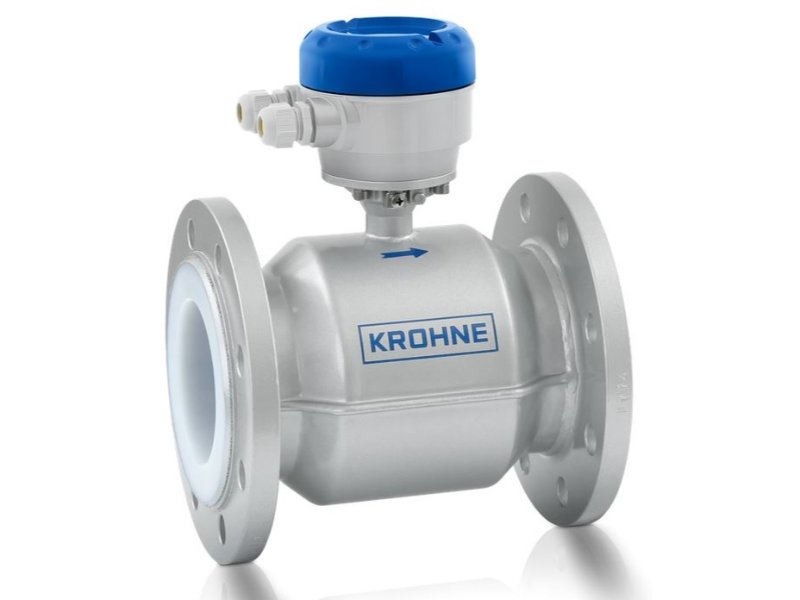
Krohne Meters
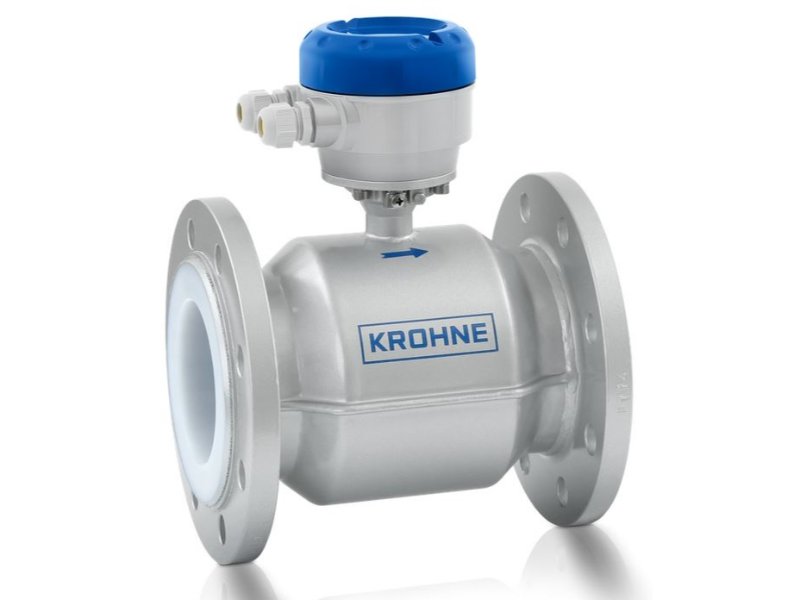
Krohne Optiflux 2000 250mm c/w IFC050W 240VAC Modbus Version Table E
$9,319.34 Read more -
-
-
-
Krohne Meters
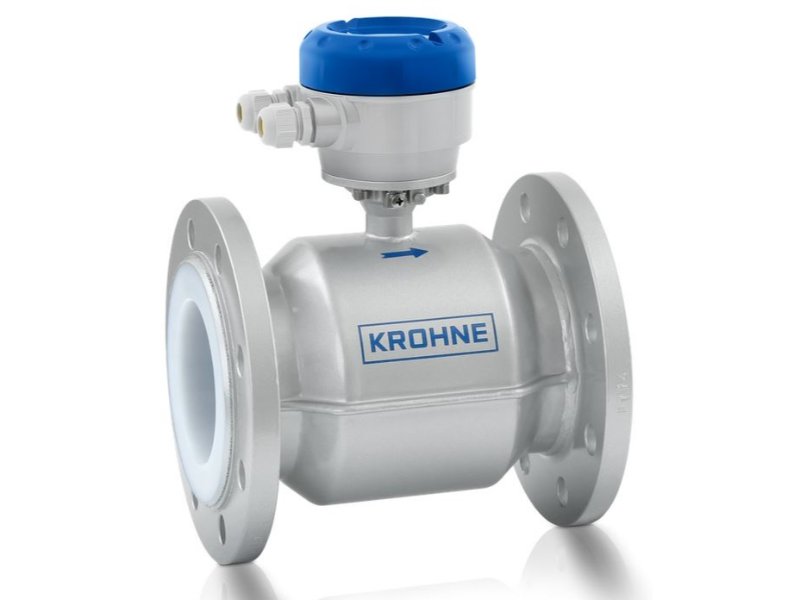
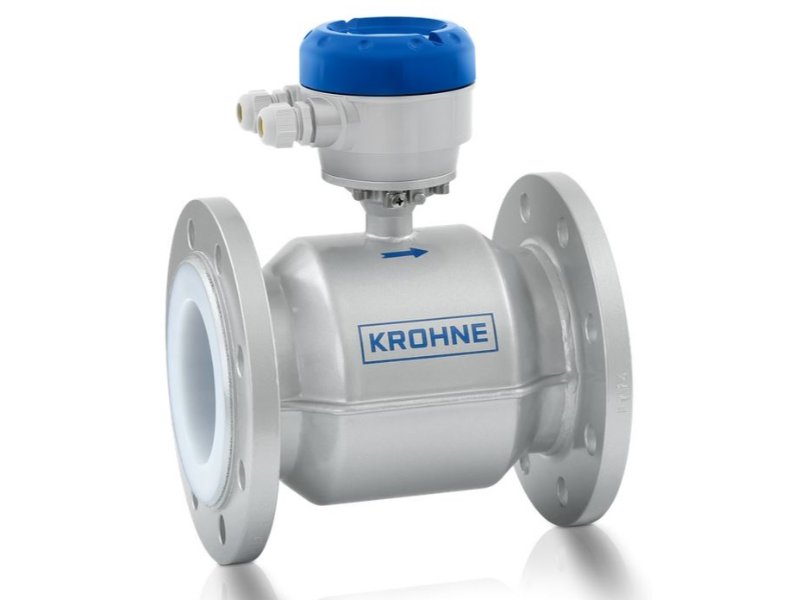
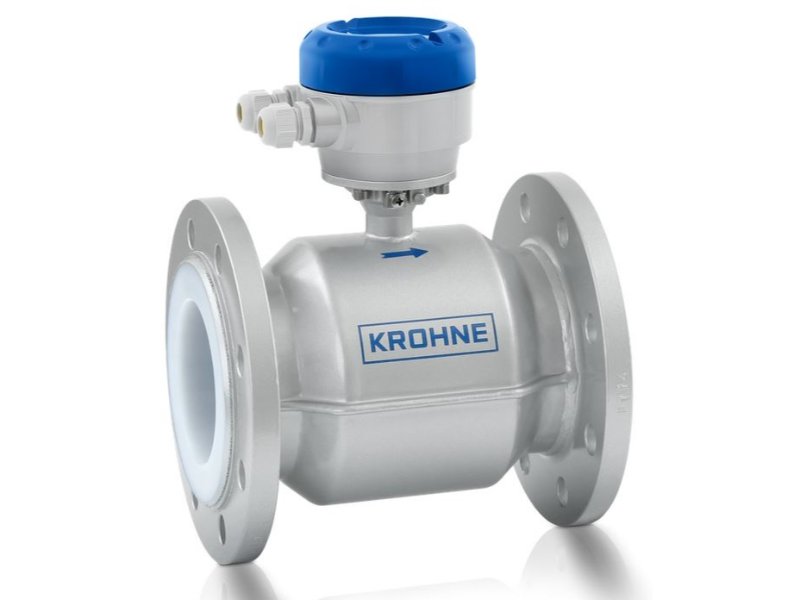
Krohne Optiflux 2000 300mm c/w IFC050W 240VAC Modbus Version Table E
$11,256.75 Read more -
-
-
-
-
-
-
-
-
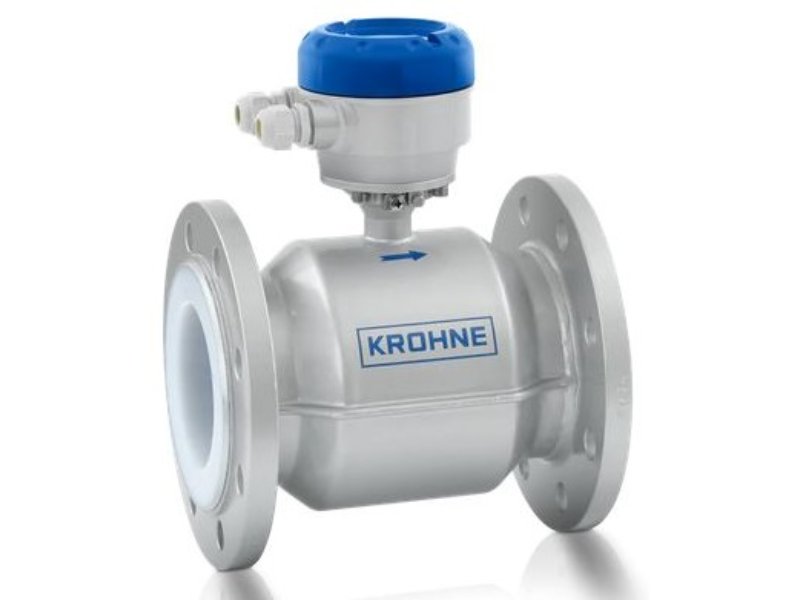
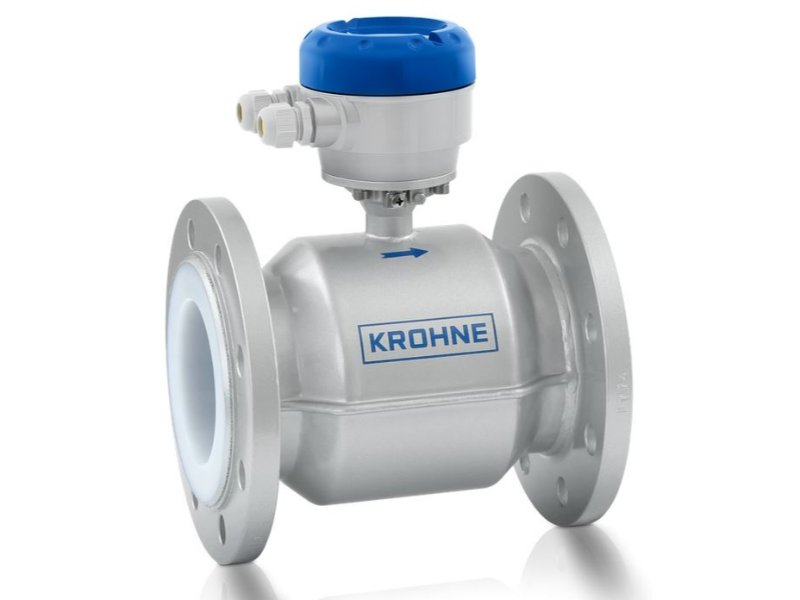
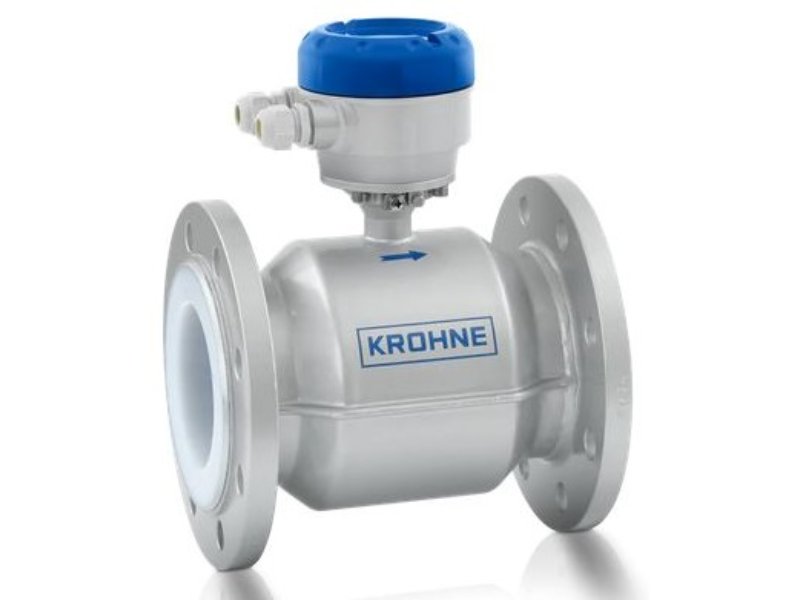
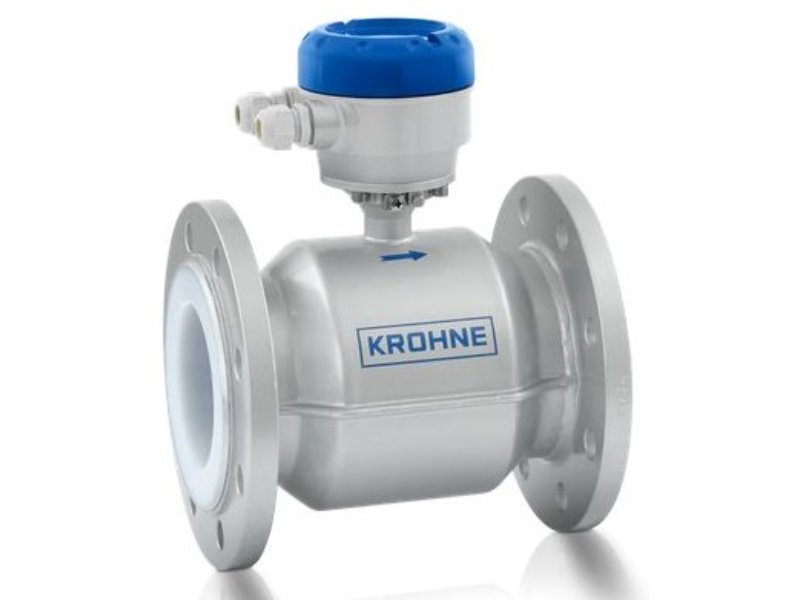
Krohne Meters
Krohne Optiflux 2000 50mm c/w IFC100C DC Compact Civil Spec AS4087/Table E *****
$5,495.62 Read more -
-
-
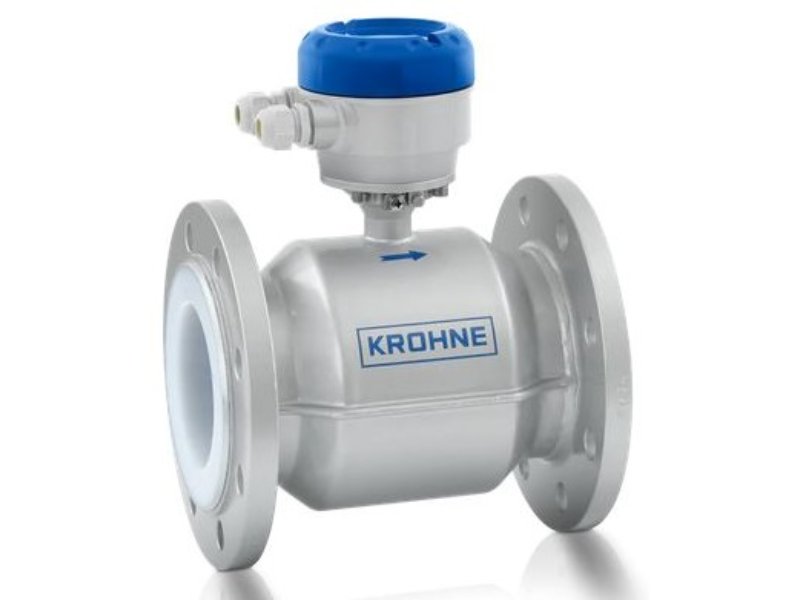
Krohne Meters
Krohne Optiflux 2000 65mm c/w IFC050W 230VAC Modbus Civil Spec AS4087/Table E
$6,261.03 Read more -
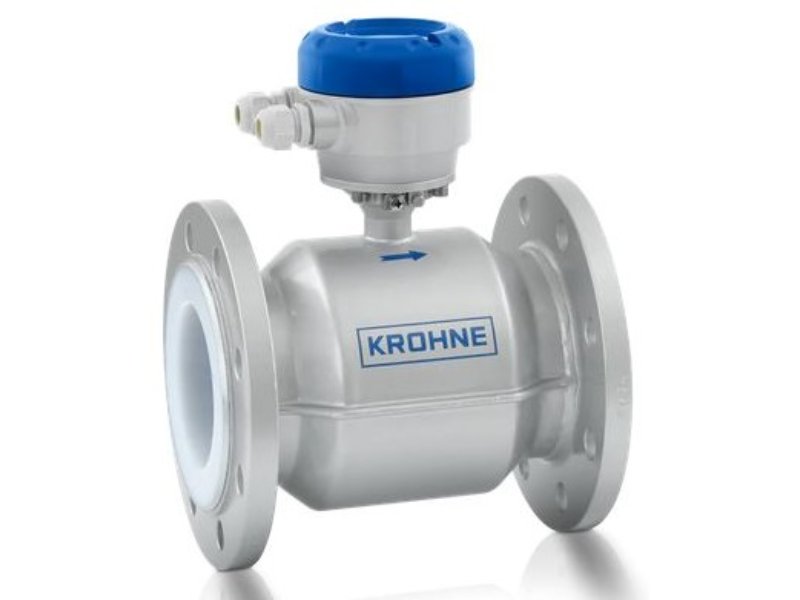
Krohne Meters
Krohne Optiflux 2000 80mm c/w IFC100C DC Compact Civil Spec AS4087/Table E *****
$5,562.28 Read more -
-
-
-
-
-
-
-
-
-
-
-
-
-
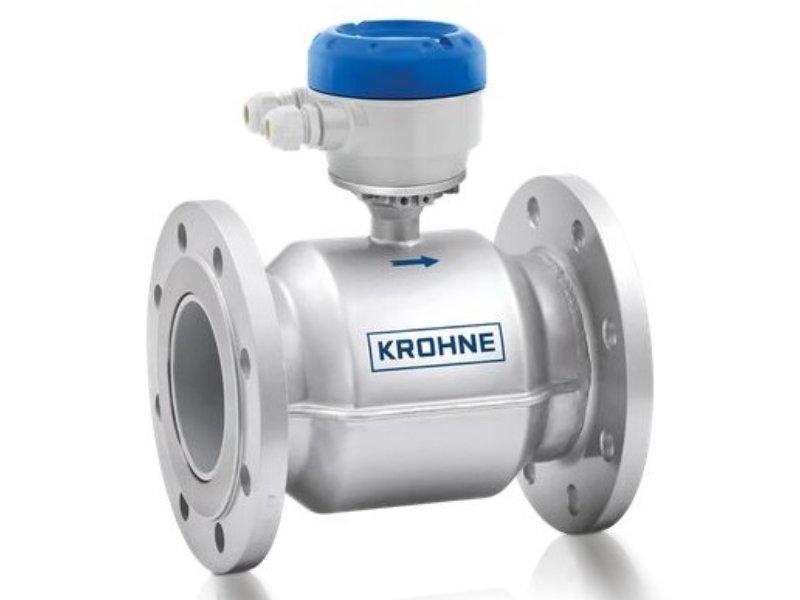
-
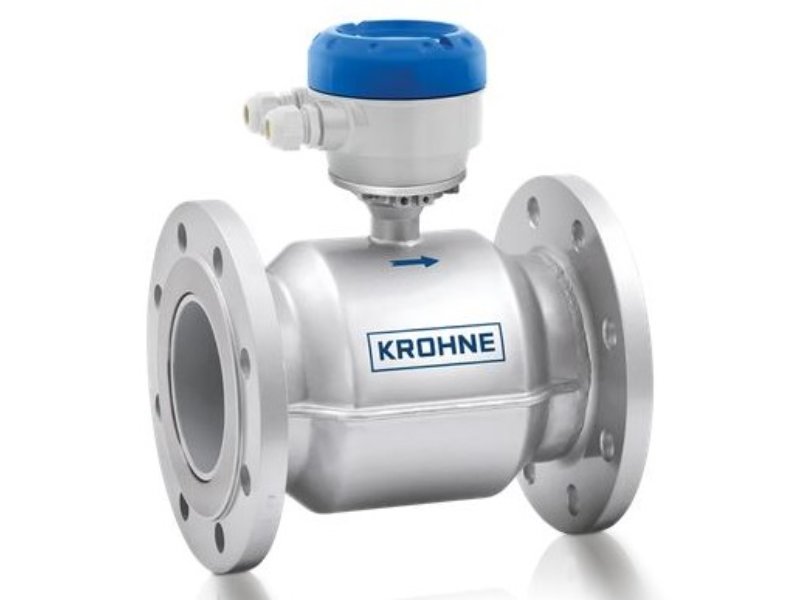
-
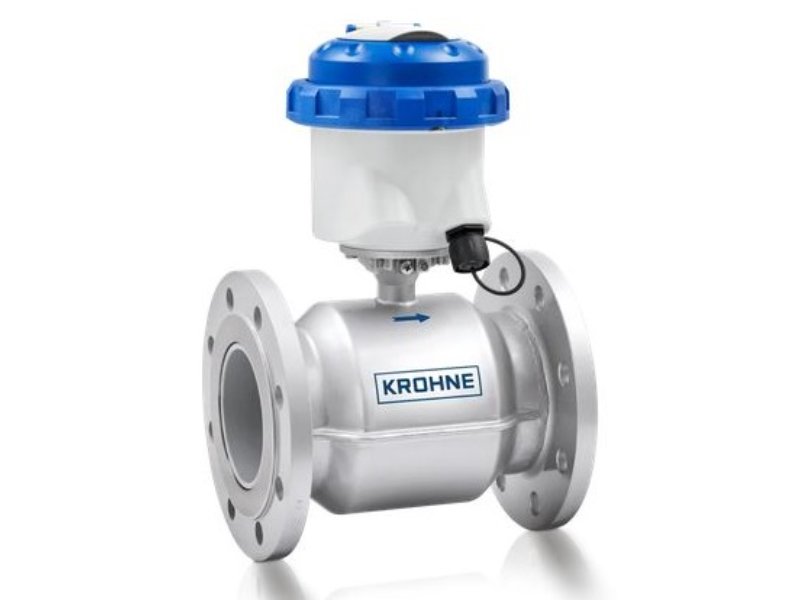
-
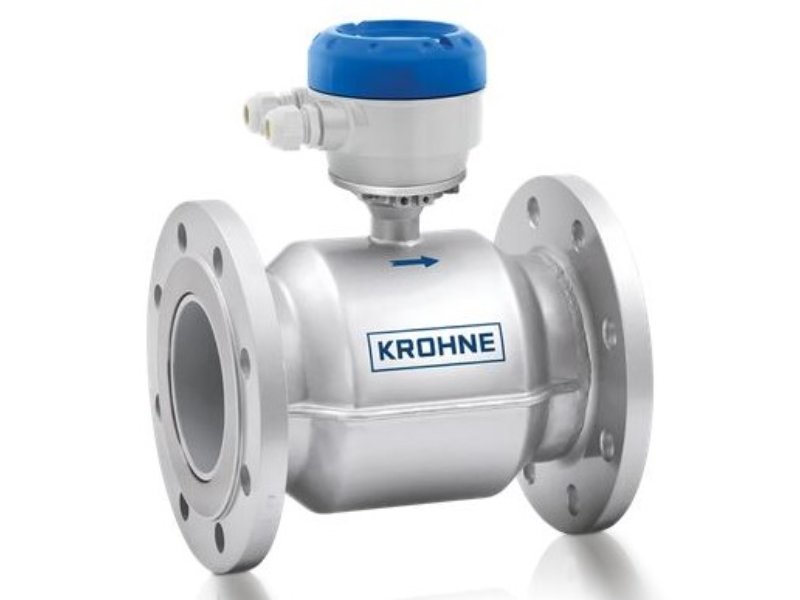
-
-
-
-
-
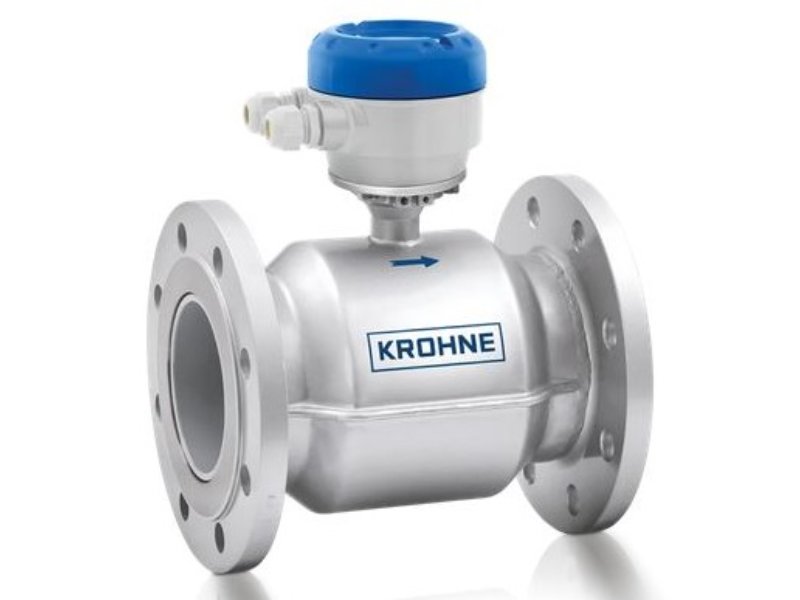
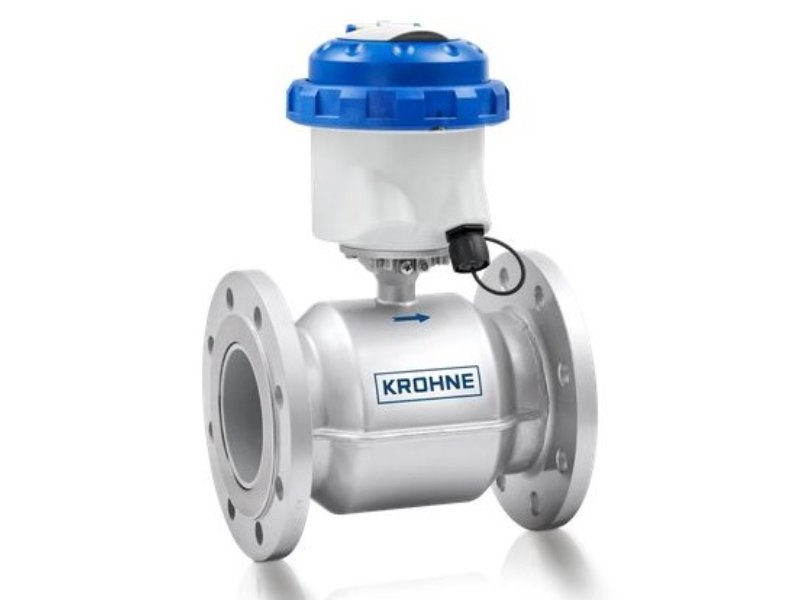
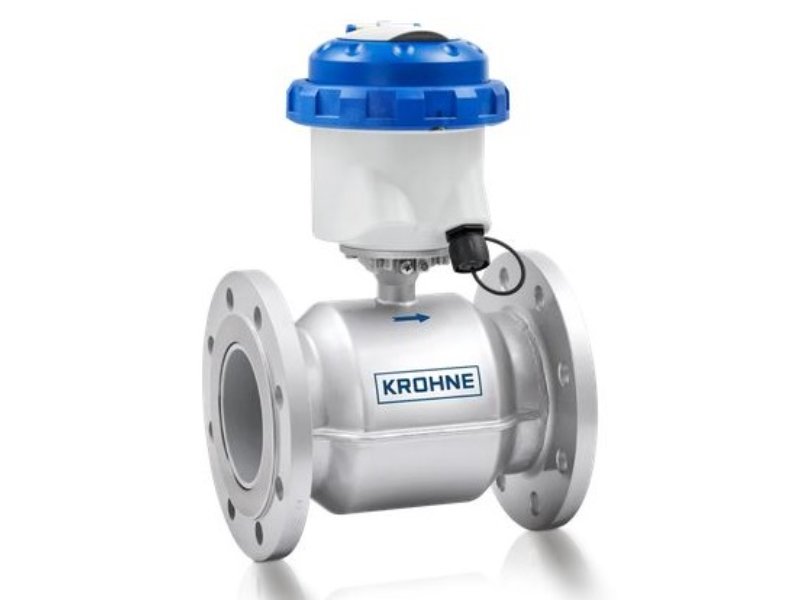
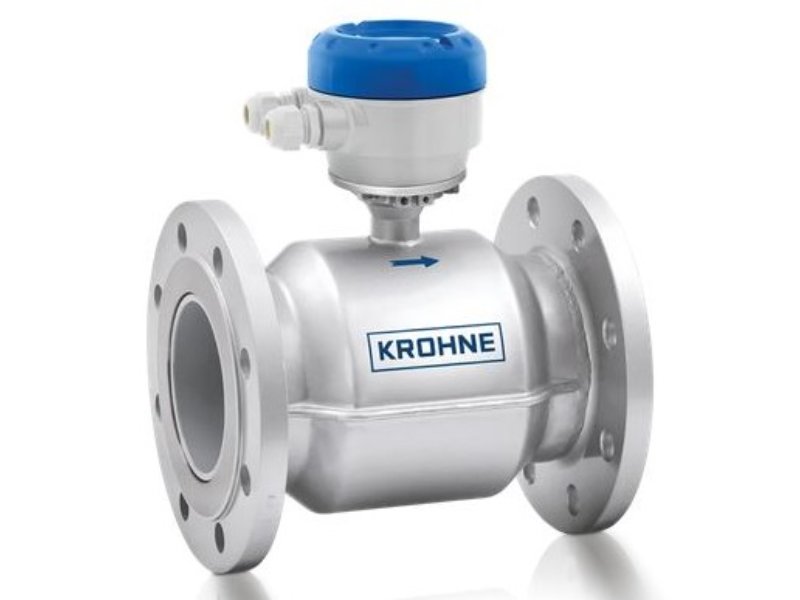
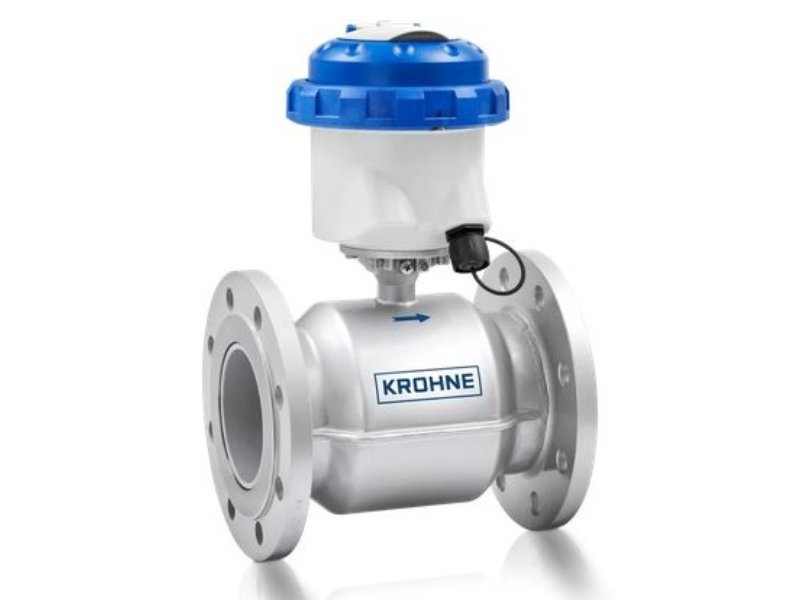
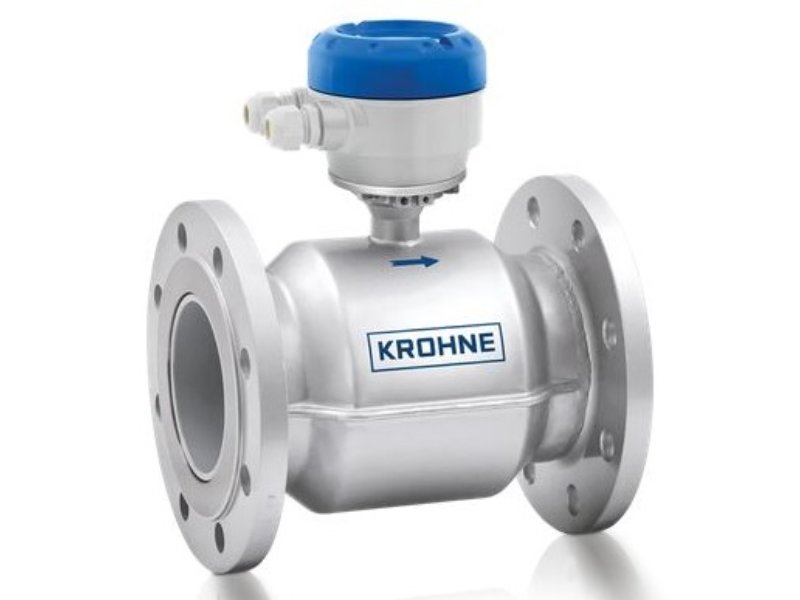
Krohne Meters
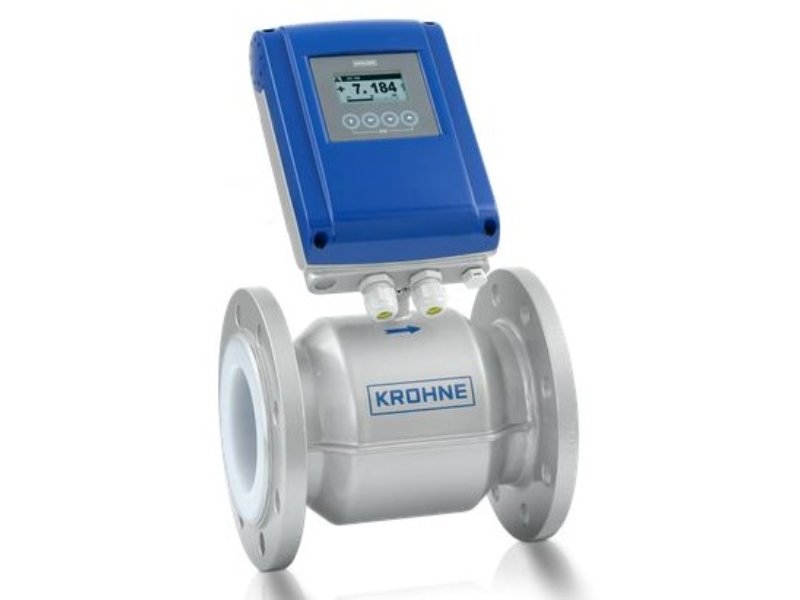
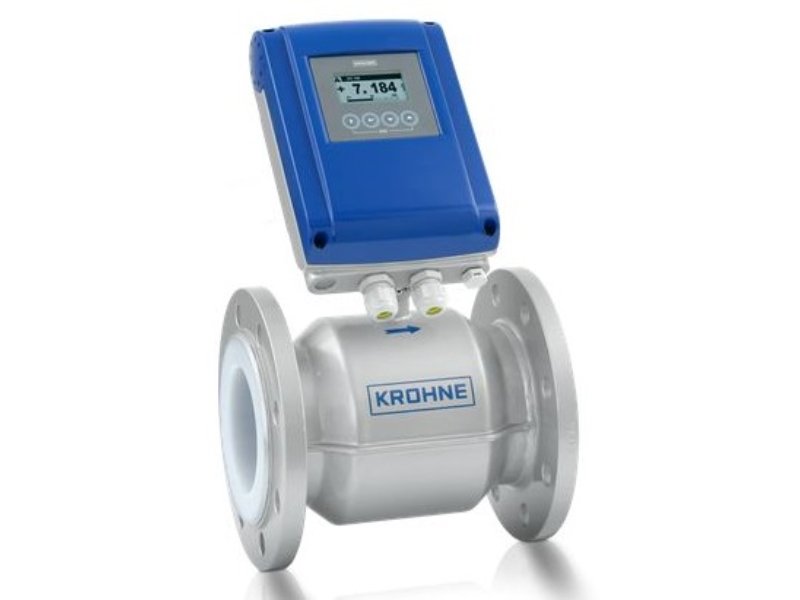
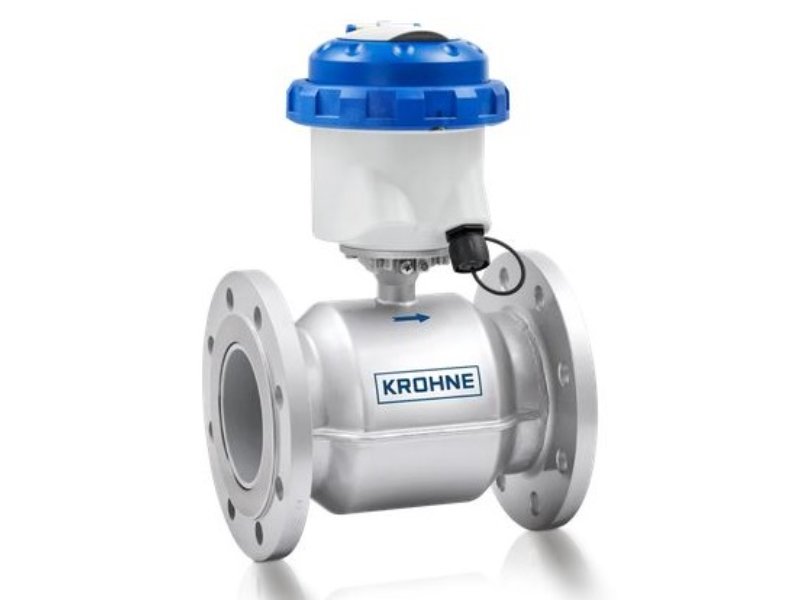
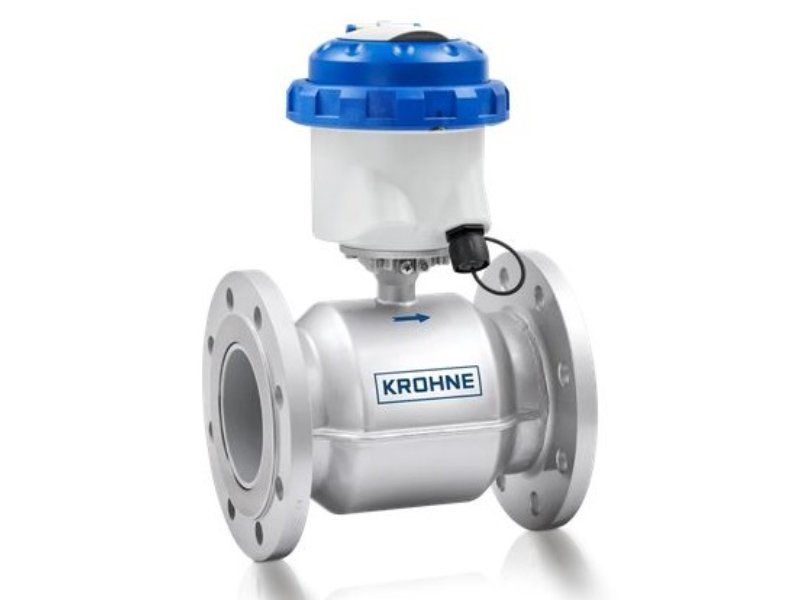
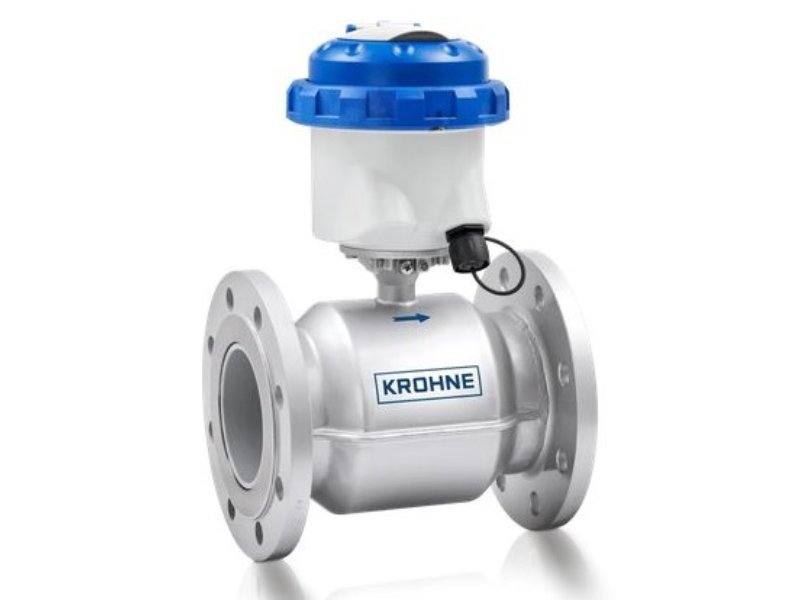
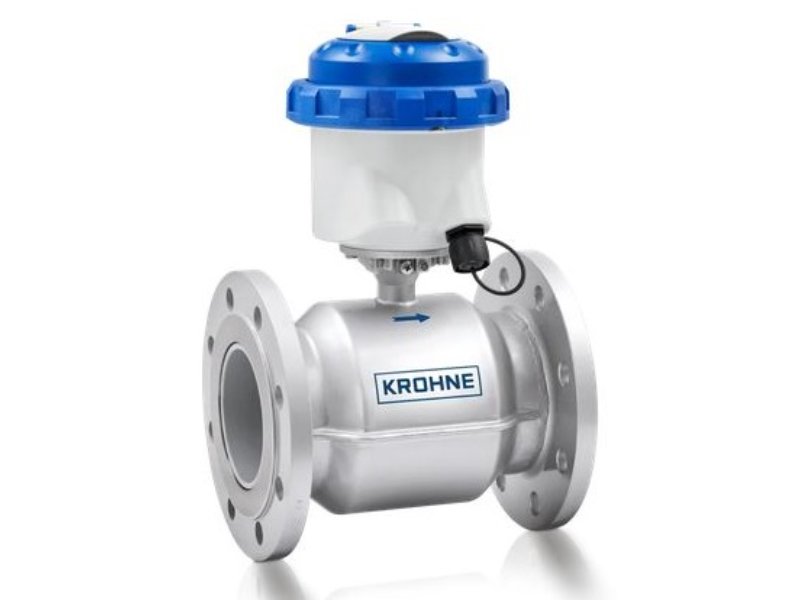
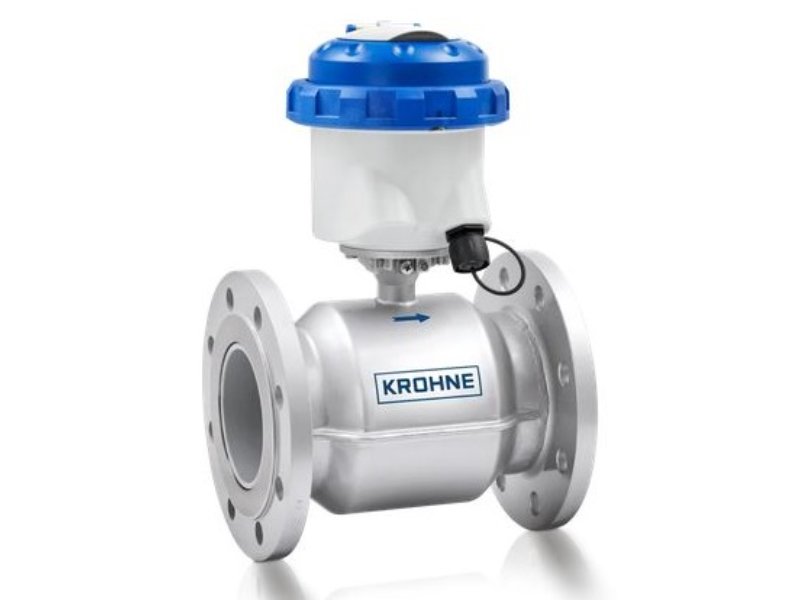
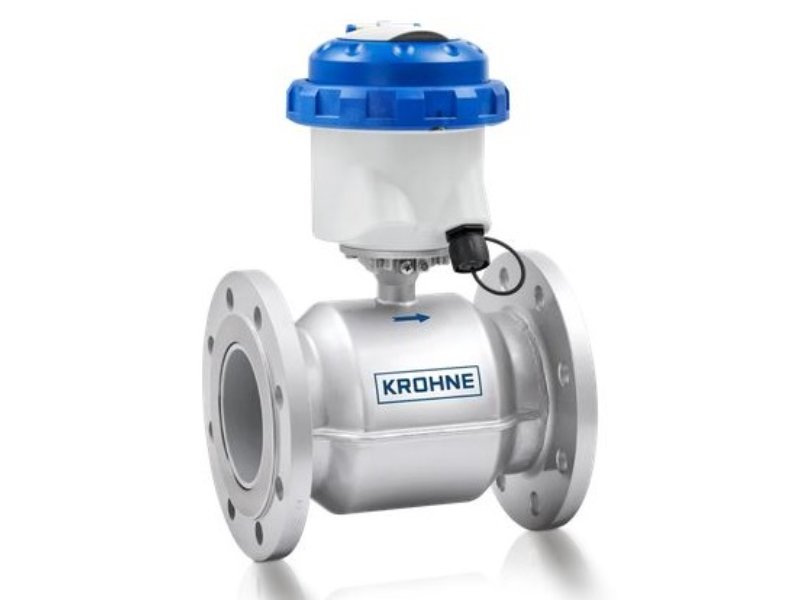
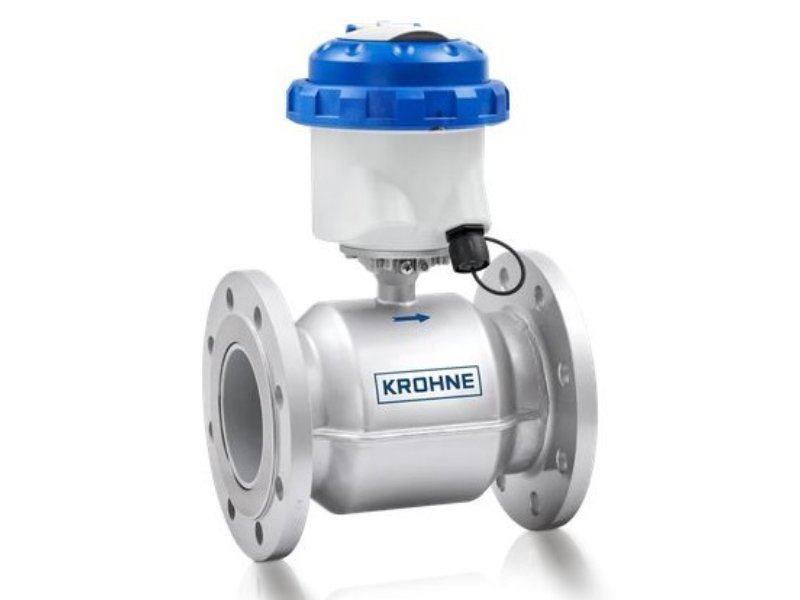
Krohne Waterflux 3000 400mm c/w IFC100W 230VAC PN10 Civil Spec – INCL. POTTING
$15,878.09 Read more -
-
-
-
-
Krohne Meters
Krohne Waterflux 3000 80mm c/w IFC050W 230VAC AS4087 Civil Spec – INCL. POTTING
$5,538.95 Read more -
-
-
-
-
-
-
-
-
-
-
-
-
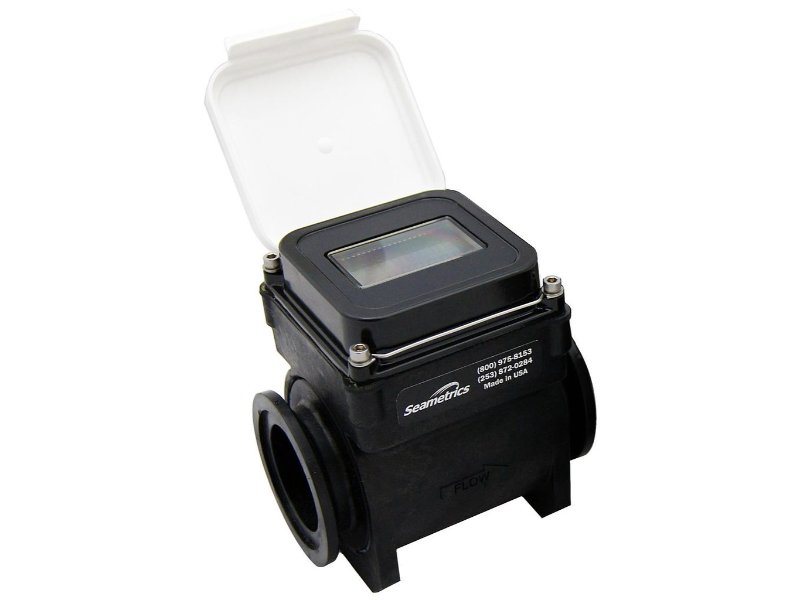 Seametrics Meters
Seametrics WMP101 Plastic Bodied Mag Meter 25mm NPT 10-30VDC
$3,779.06 Add to cart -
-
-
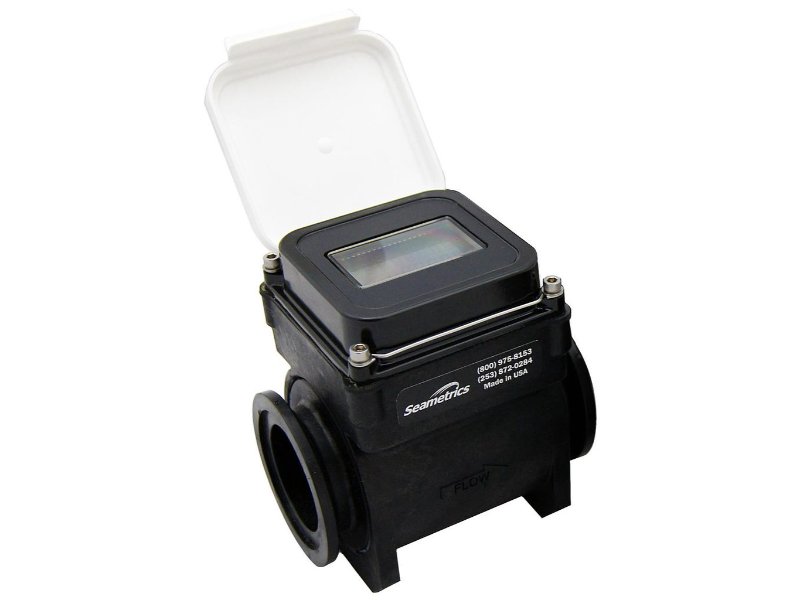 Seametrics Meters
Seametrics WMP104 Plastic Bodied Mag Meter 25mm NPT Battery Powered
$3,691.63 Add to cart -
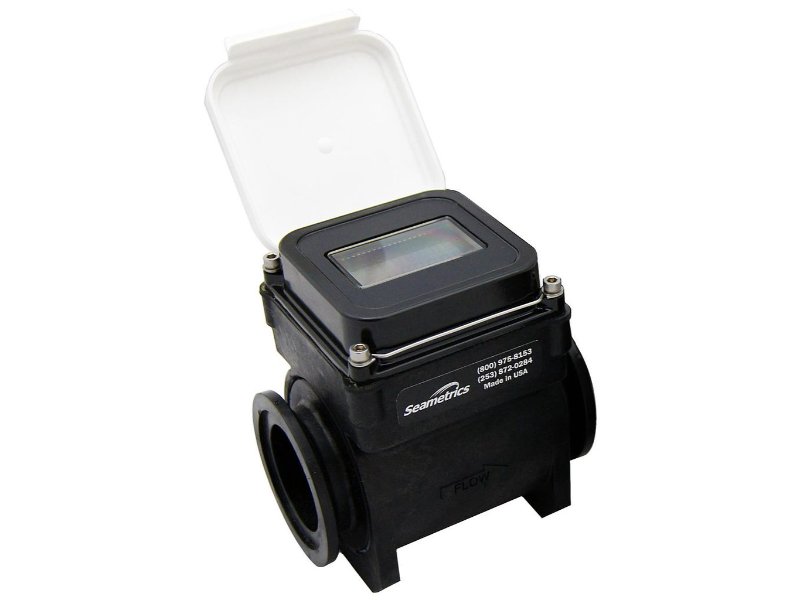 Seametrics Meters
Seametrics WMP104 Plastic Bodied Mag Meter 50mm Battery Powered
$4,169.32 Add to cart -
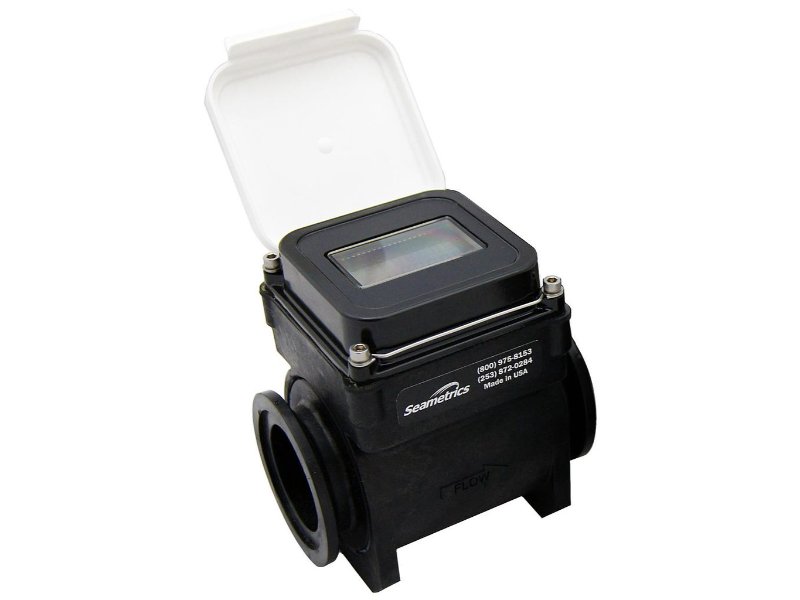 Seametrics Meters
Seametrics WMP104 Plastic Bodied Mag Meter 80mm Battery Powered
$5,101.03 Add to cart -
-
-
-
-
-
-
-
-
-
-
-
-