Choosing the right irrigation supplies is one of the most important decisions a New Zealand farmer can make. With diverse climates—from the wet west coast to the dry east, and from lowland pastures to steep horticultural terraces—matching irrigation gear to your land, crops, water source and budget will determine water use efficiency, crop yields and long-term costs. This article outlines key considerations and practical tips to help you choose smart irrigation solutions that suit New Zealand farms.
Choosing the Right Irrigation Gear for New Zealand Farms
Selecting irrigation gear begins with a clear assessment of your farm’s needs. Think about crop type (pasture, maize, orchards, vines, or vegetable beds), soil texture, topography and the scale of the area to be irrigated. For example, pasture and broadacre cropping often favour centre pivots or lateral-move systems for coverage and labour efficiency, while orchards and vineyards commonly use drip or micro-sprinkler systems for precise water delivery to the root zone.
Next, evaluate your water source and water quality. Groundwater, surface water, bores, and storage tanks all come with different flow rates, variability and sediment loads—so choose pumps, filters and pipe diameters to suit the available supply and peak demand. Water quality affects component choice too: poor-quality water will need robust filtration and materials resistant to scaling and corrosion, while high sediment or organic content generally requires sand or media filters before drippers or sprinklers.
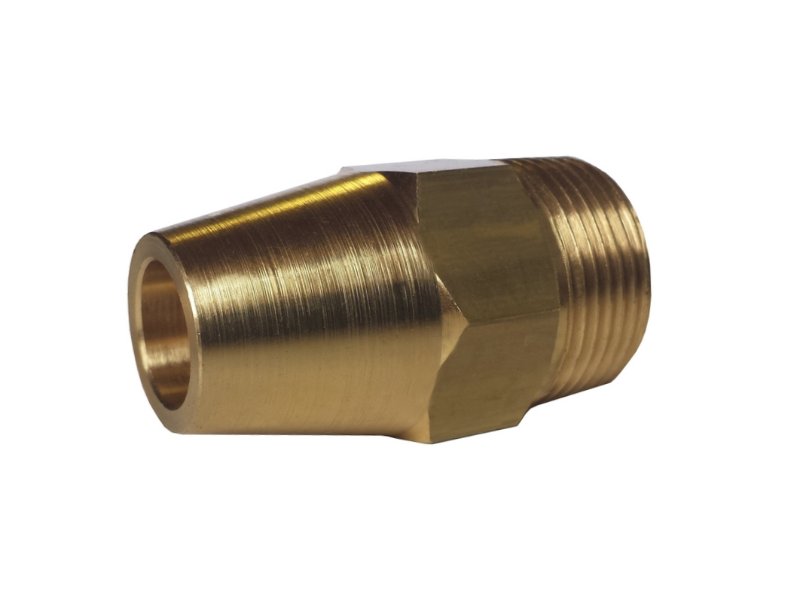
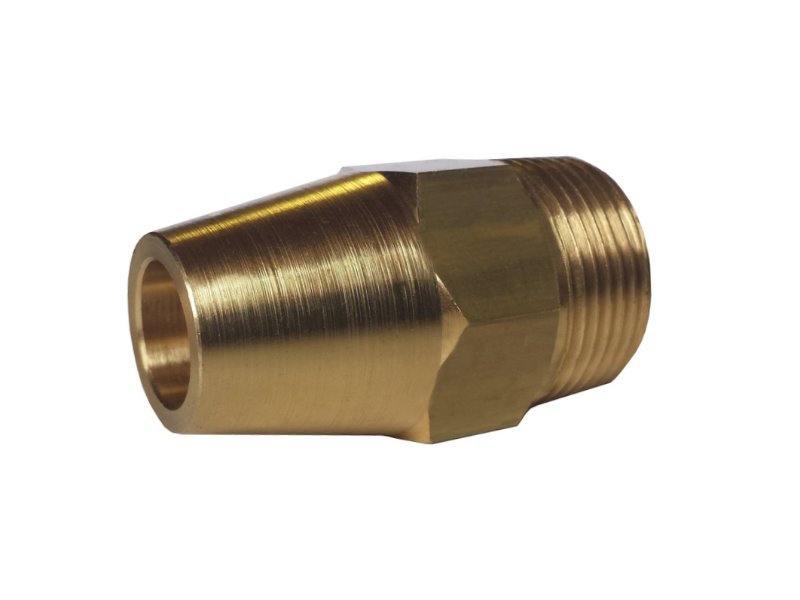
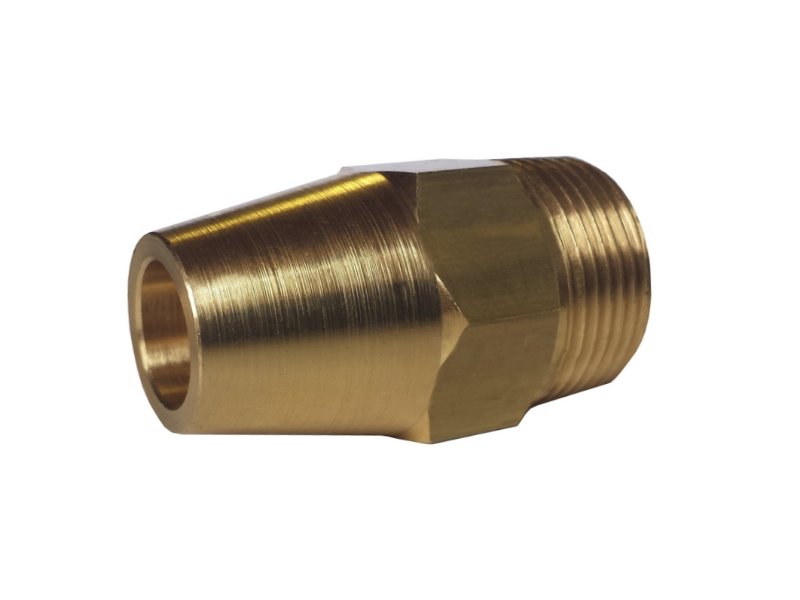
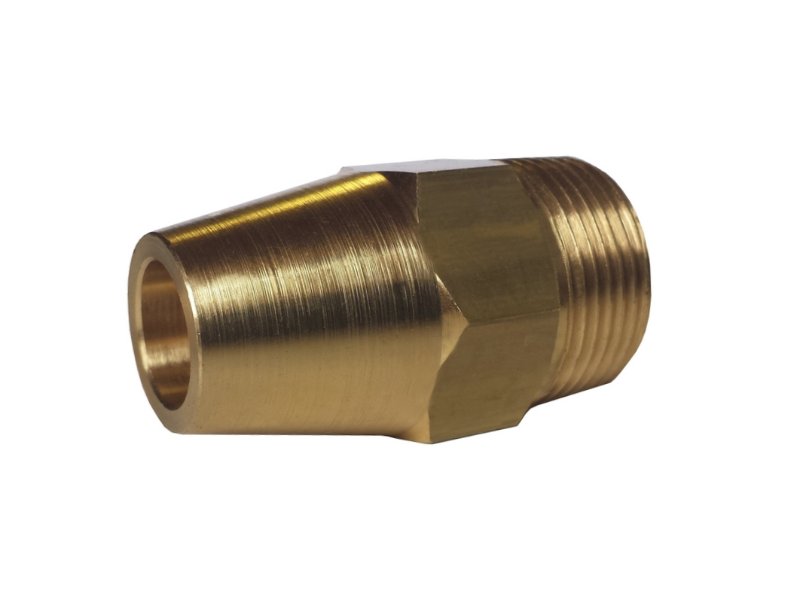
Think about durability, energy use and maintenance when comparing brands and materials. Pipes and fittings are commonly made of HDPE or PVC for toughness and UV resistance; stainless and brass fittings are sensible in coastal settings to avoid corrosion. Pumps can be electric, diesel or solar-driven—match the pump’s head and flow specification to your system—and budget for water meters, pressure regulators, controllers and soil moisture or weather sensors to optimise scheduling. Don’t forget regulatory requirements: regional councils in New Zealand often require resource consents for water takes, and smart irrigation planning reduces consent risk and environmental impact.
Tips from Greener Living Ltd for Auckland and Beyond
Greener Living Ltd, based in Auckland, works with farms across New Zealand and brings practical, local experience to irrigation selection. They advise starting with a on-farm audit: measure available water, map irrigation zones, and identify power access and soil types. This lets you right-size pumps and pipework, choose the right emitters or sprinklers, and avoid overspending on equipment that’s too large or undersized for the job.
When it comes to components, Greener Living recommends prioritising filtration and control. Proper filters extend the life of drippers and sprinkler nozzles and reduce service downtime, while modern controllers combined with soil moisture probes or weather stations improve water-use efficiency and crop performance. They also stress energy efficiency—variable-speed drives for pumps and solar options can reduce operating costs—and advise on corrosion-resistant components for coastal or chemically aggressive water.
Finally, Greener Living Ltd emphasises local support and after-sales service as critical factors. Good suppliers provide installation support, spare parts, commissioning and seasonal tune-ups so systems run reliably year after year. For many New Zealand farmers, the best value comes from a tailored package: accurate design, quality components, installation, and training for on-farm staff—services Greener Living Ltd offers from its Auckland base to customers throughout the regions.
Choosing the best irrigation supplies for a New Zealand farm takes more than picking the cheapest gear—it requires matching system design to crops, water, terrain and long-term farm goals. By considering system type, water quality, durable materials, energy use and local regulations—and by working with an experienced local supplier such as Greener Living Ltd—you can build an efficient, resilient irrigation system that supports productivity and environmental stewardship. If you’re planning upgrades or a new installation, start with a site assessment and get expert advice to ensure the best outcomes for your farm.
-
-
-
-
-
-
-
-
-
-
-
-
-
-
-
-
-
-
-
-
-
-
-
-
-
-
-
-
-
-
-
-
-
-
-
-
-
-
-
-
-
-
-
-
-
-
-
Rolland Sprinklers
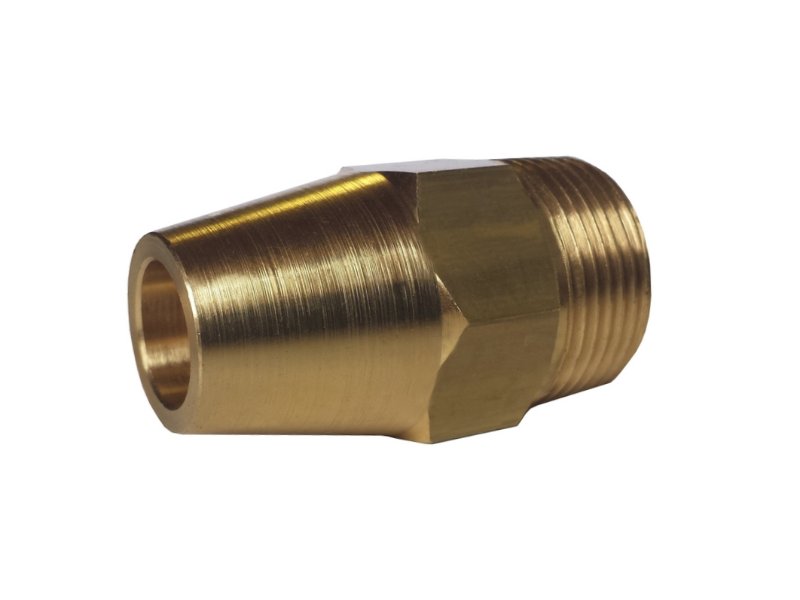
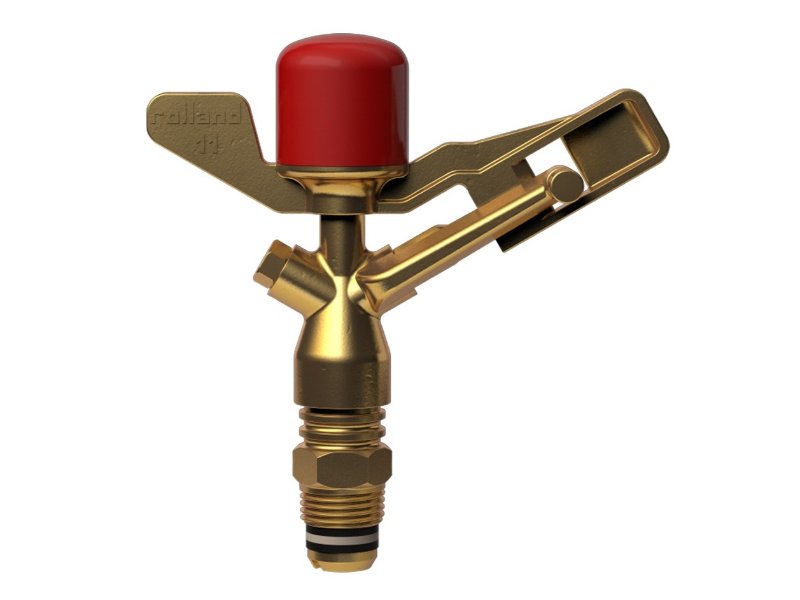
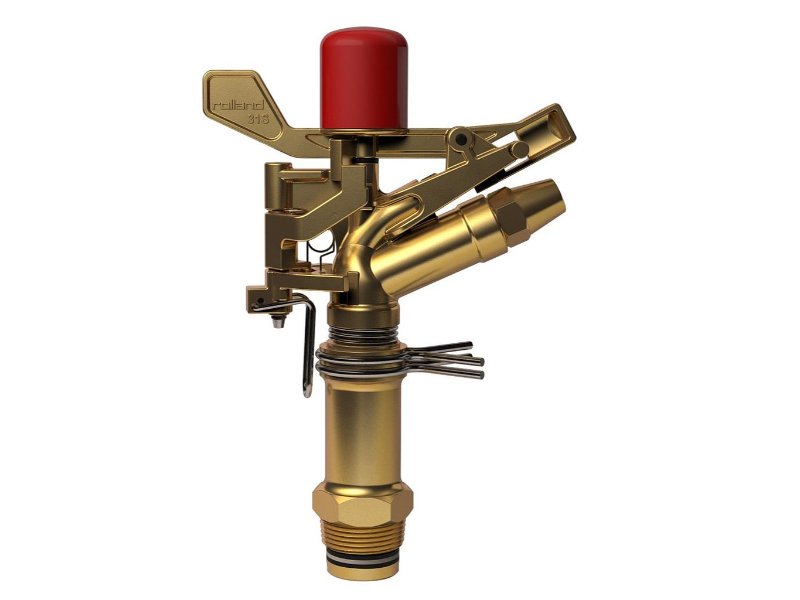
Rolland Brass Impact 15mm Male Full Circle c/w 3.0mm Nozzle x Plug
$65.84 Read more -
Rolland Sprinklers
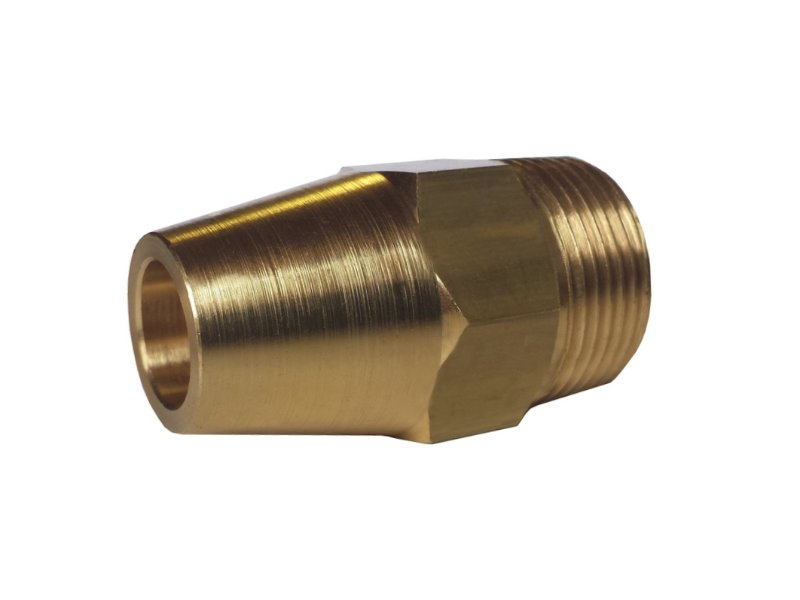
Rolland Brass Impact 15mm Male Full Circle c/w 3.5mm Nozzle x Plug
$65.84 Read more -
Rolland Sprinklers
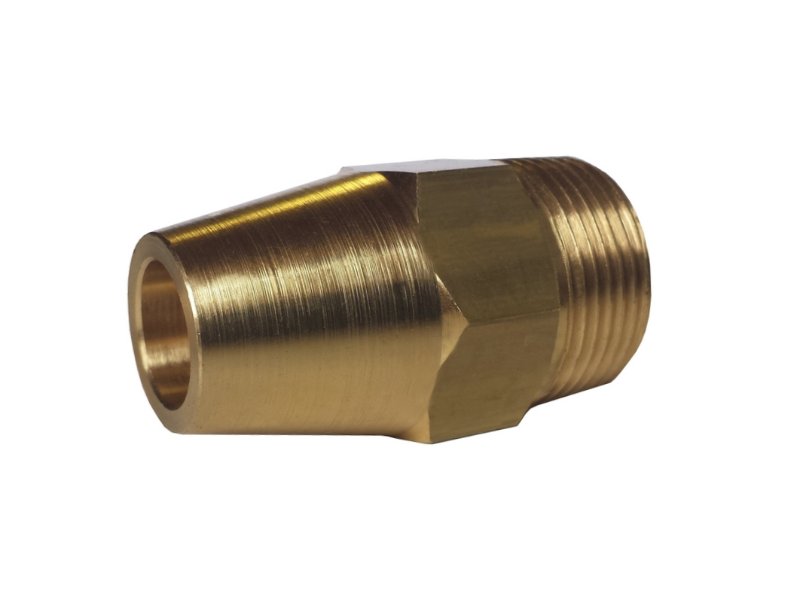
Rolland Brass Impact 15mm Male Full Circle c/w 3.5mm x 2.0mm Nozzles
$65.84 Read more -
Rolland Sprinklers
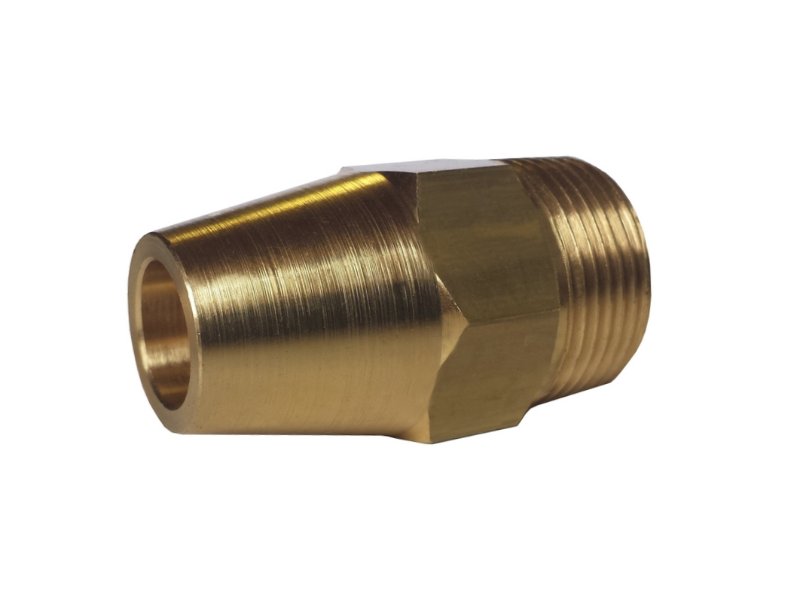
Rolland Brass Impact 15mm Male Full Circle c/w 4.0mm Nozzle x Plug
$65.84 Read more -
Rolland Sprinklers
Rolland Brass Impact 15mm Male Full Circle c/w 4.0mm x 2.0mm Nozzles
$65.84 Read more -
Rolland Sprinklers
Rolland Brass Impact 15mm Male Full Circle c/w 4.0mm x 2.5mm Nozzles
$65.84 Read more -
Rolland Sprinklers
Rolland Brass Impact 15mm Male Full Circle c/w 4.5mm Nozzle x Plug
$65.84 Read more -
Rolland Sprinklers
Rolland Brass Impact 15mm Male Full Circle c/w 4.5mm x 2.0mm Nozzles
$65.84 Read more -
Rolland Sprinklers
Rolland Brass Impact 15mm Male Full Circle c/w 4.5mm x 2.5mm Nozzles
$65.84 Read more -
-
-
-
Rolland Sprinklers
Rolland Brass Impact 20mm Male Full Circle – Anti Frost c/w 4.0mm Nozzle x Plug
$92.11 Read more -
Rolland Sprinklers
Rolland Brass Impact 20mm Male Full Circle – Anti Frost c/w 4.2mm Nozzle x Plug
$92.11 Read more -
Rolland Sprinklers
Rolland Brass Impact 20mm Male Full Circle – Anti Frost c/w 4.5mm Nozzle x Plug
$92.11 Read more -
Rolland Sprinklers
Rolland Brass Impact 20mm Male Full Circle – Anti Frost c/w 5.0mm Nozzle x Plug
$92.11 Read more -
Rolland Sprinklers
Rolland Brass Impact 20mm Male Full Circle c/w 4.0mm Nozzle x Plug
$89.31 Read more -
Rolland Sprinklers
Rolland Brass Impact 20mm Male Full Circle c/w 4.5mm Nozzle x Plug
$89.31 Read more -
Rolland Sprinklers
Rolland Brass Impact 20mm Male Full Circle c/w 4.5mm x 2.5mm Nozzle
$89.31 Read more -
Rolland Sprinklers
Rolland Brass Impact 20mm Male Full Circle c/w 5.0mm Nozzle x Plug
$89.31 Read more -
Rolland Sprinklers
Rolland Brass Impact 20mm Male Full Circle c/w 5.0mm x 2.5mm Nozzle
$89.31 Read more -
Rolland Sprinklers
Rolland Brass Impact 20mm Male Full Circle c/w 5.5mm Nozzle x Plug
$89.31 Read more -
Rolland Sprinklers
Rolland Brass Impact 20mm Male Full Circle c/w 5.5mm x 3.0mm Nozzle
$89.31 Read more -
Rolland Sprinklers
Rolland Brass Impact 20mm Male Full Circle c/w 6.0mm Nozzle x Plug
$89.31 Read more -
Rolland Sprinklers
Rolland Brass Impact 20mm Male Full Circle c/w 6.0mm x 3.0mm Nozzle
$89.31 Read more -
Rolland Sprinklers
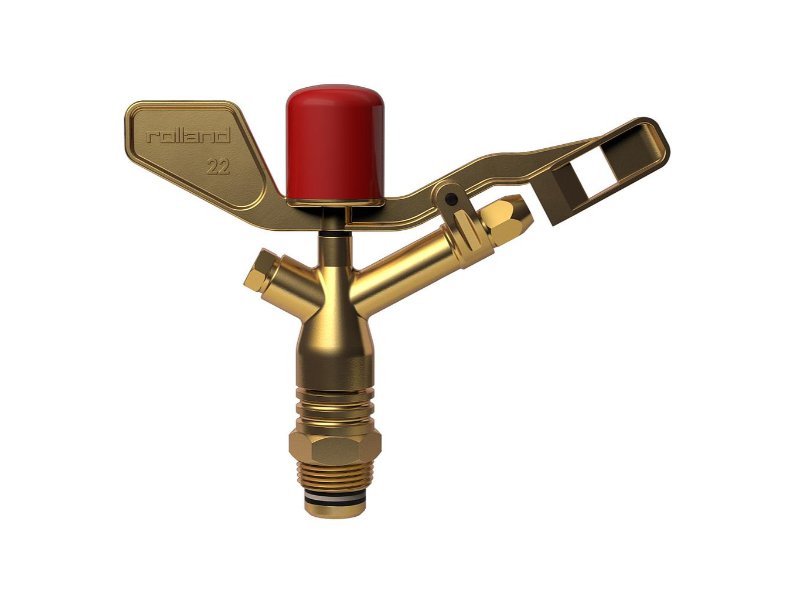
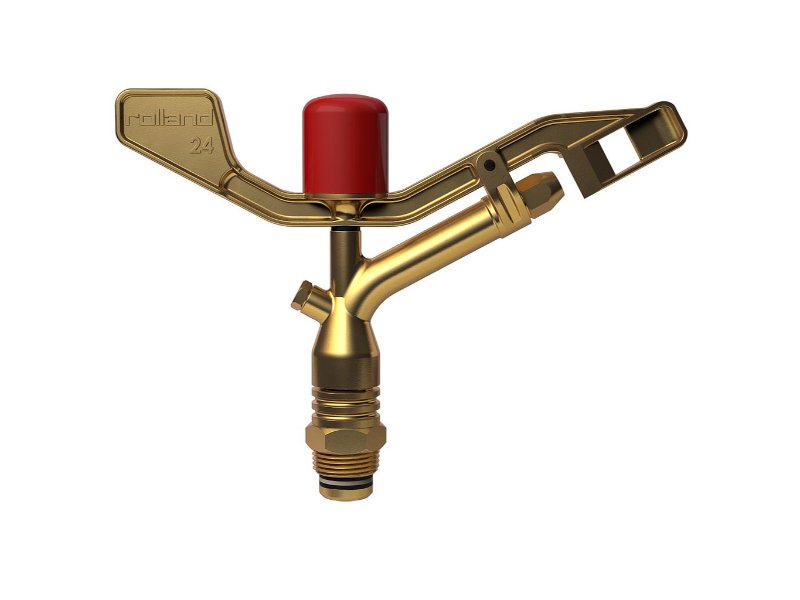
Rolland Brass Impact 20mm Male Full/Part Circle c/w 4.5mm Nozzle
$208.25 Read more -
Rolland Sprinklers
Rolland Brass Impact 20mm Male Full/Part Circle c/w 5.0mm Nozzle
$208.25 Read more -
Rolland Sprinklers
Rolland Brass Impact 20mm Male Full/Part Circle c/w 5.5 mm Nozzle
$208.25 Read more -
Rolland Sprinklers
Rolland Brass Impact 20mm Male Full/Part Circle c/w 6.0 mm Nozzle
$208.25 Read more -
-
-
Rolland Sprinklers
Rolland Brass Impact 25mm Male Full Circle – High Volume c/w 5.5mm Nozzle x Plug
$288.95 Read more -
Rolland Sprinklers
Rolland Brass Impact 25mm Male Full Circle – High Volume c/w 5.5mm x 3.0mm Nozzles
$288.95 Read more -
Rolland Sprinklers
Rolland Brass Impact 25mm Male Full Circle – High Volume c/w 6.0mm Nozzle x Plug
$288.95 Read more -
Rolland Sprinklers
Rolland Brass Impact 25mm Male Full Circle – High Volume c/w 6.0mm x 3.0mm Nozzles
$288.95 Read more -
Rolland Sprinklers
Rolland Brass Impact 25mm Male Full Circle – High Volume c/w 6.5mm Nozzle x Plug
$288.95 Read more -
Rolland Sprinklers
Rolland Brass Impact 25mm Male Full Circle – High Volume c/w 6.5mm x 3.0mm Nozzles
$288.95 Read more -
Rolland Sprinklers
Rolland Brass Impact 25mm Male Full Circle – High Volume c/w 7.0mm Nozzle x Plug
$288.95 Read more -
Rolland Sprinklers
Rolland Brass Impact 25mm Male Full Circle – High Volume c/w 7.0mm x 3.0mm Nozzles
$288.95 Read more -
Rolland Sprinklers
Rolland Brass Impact 25mm Male Full Circle – High Volume c/w 8.0mm Nozzle x Plug
$288.95 Read more -
Rolland Sprinklers
Rolland Brass Impact 25mm Male Full Circle – High Volume c/w 8.0mm x 3.0mm Nozzles
$288.95 Read more -
Rolland Sprinklers
Rolland Brass Impact 25mm Male Full Circle – High Volume c/w 9.0mm Nozzle x Plug
$288.95 Read more -
Rolland Sprinklers
Rolland Brass Impact 25mm Male Full Circle – High Volume c/w 9.0mm x 3.0mm Nozzles
$288.95 Read more -
Rolland Sprinklers
Rolland Brass Impact 25mm Male Full Circle c/w 4.5mm Nozzle x Plug
$217.64 Read more -
Rolland Sprinklers
Rolland Brass Impact 25mm Male Full Circle c/w 4.5mm x 3.0mm Nozzles
$217.64 Read more -
Rolland Sprinklers
Rolland Brass Impact 25mm Male Full Circle c/w 5.0mm Nozzle x Plug
$217.64 Read more -
Rolland Sprinklers
Rolland Brass Impact 25mm Male Full Circle c/w 5.0mm x 3.0mm Nozzles
$217.64 Read more -
Rolland Sprinklers
Rolland Brass Impact 25mm Male Full Circle c/w 5.5mm Nozzle x Plug
$217.64 Read more -
Rolland Sprinklers
Rolland Brass Impact 25mm Male Full Circle c/w 5.5mm x 3.0mm Nozzles
$217.64 Read more -
Rolland Sprinklers
Rolland Brass Impact 25mm Male Full Circle c/w 6.0mm Nozzle x Plug
$217.64 Read more -
Rolland Sprinklers
Rolland Brass Impact 25mm Male Full Circle c/w 6.0mm x 3.0mm Nozzles
$217.64 Read more -
Rolland Sprinklers
Rolland Brass Impact 25mm Male Full Circle c/w 6.5mm Nozzle x Plug
$217.64 Read more -
Rolland Sprinklers
Rolland Brass Impact 25mm Male Full Circle c/w 6.5mm x 3.0mm Nozzles
$217.64 Read more -
Rolland Sprinklers
Rolland Brass Impact 25mm Male Full Circle c/w 7.0mm Nozzle x Plug
$217.64 Read more -
Rolland Sprinklers
Rolland Brass Impact 25mm Male Full Circle c/w 7.0mm x 3.0mm Nozzles
$217.64 Read more -
-
Rolland Sprinklers
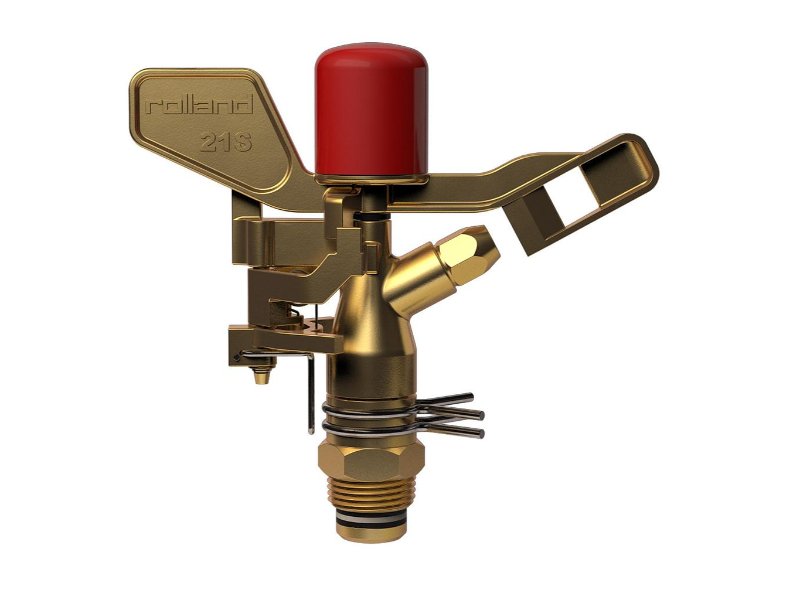
Rolland Brass Impact 25mm Male Full/Part Circle c/w 5.5mm Nozzle
$282.58 Read more -
Rolland Sprinklers
Rolland Brass Impact 25mm Male Full/Part Circle c/w 6.0mm Nozzle
$282.58 Read more -
Rolland Sprinklers
Rolland Brass Impact 25mm Male Full/Part Circle c/w 6.5mm Nozzle
$282.58 Read more -
Rolland Sprinklers
Rolland Brass Impact 25mm Male Full/Part Circle c/w 7.0mm Nozzle
$282.58 Read more -
-
-
-
-
-
Rolland Sprinklers
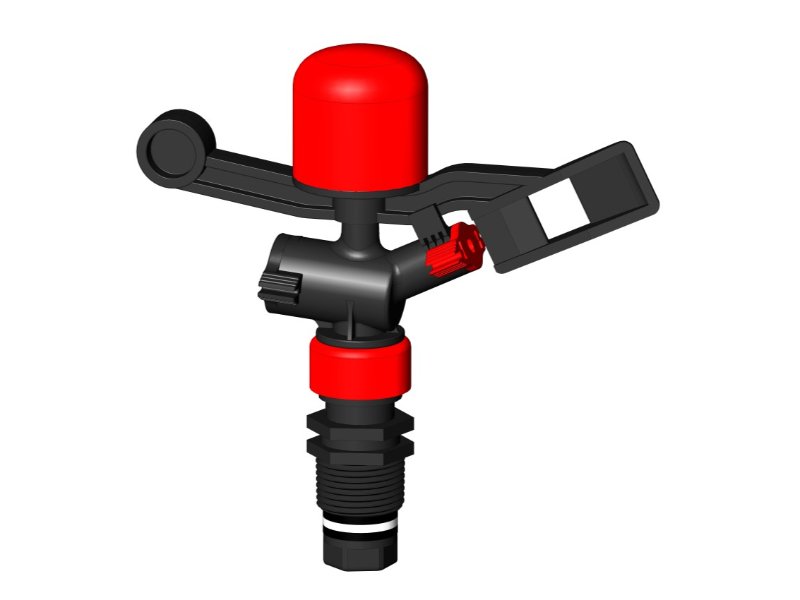
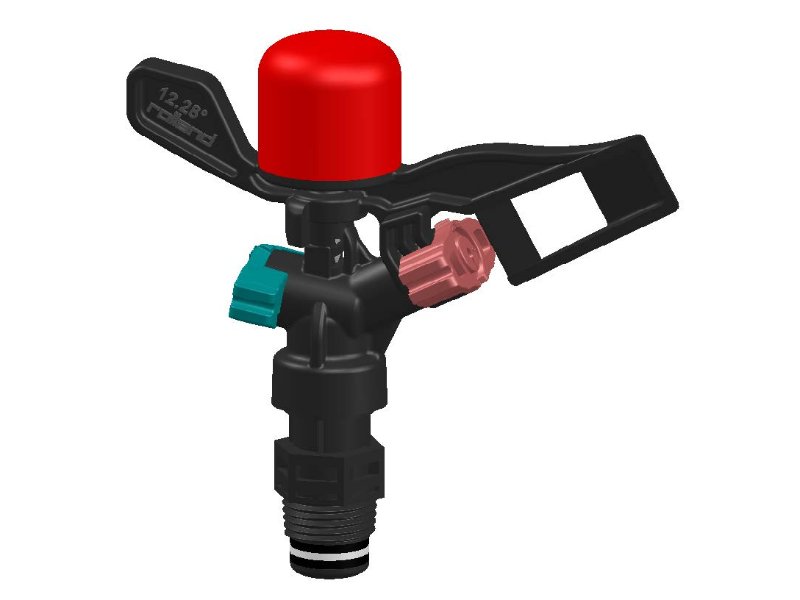
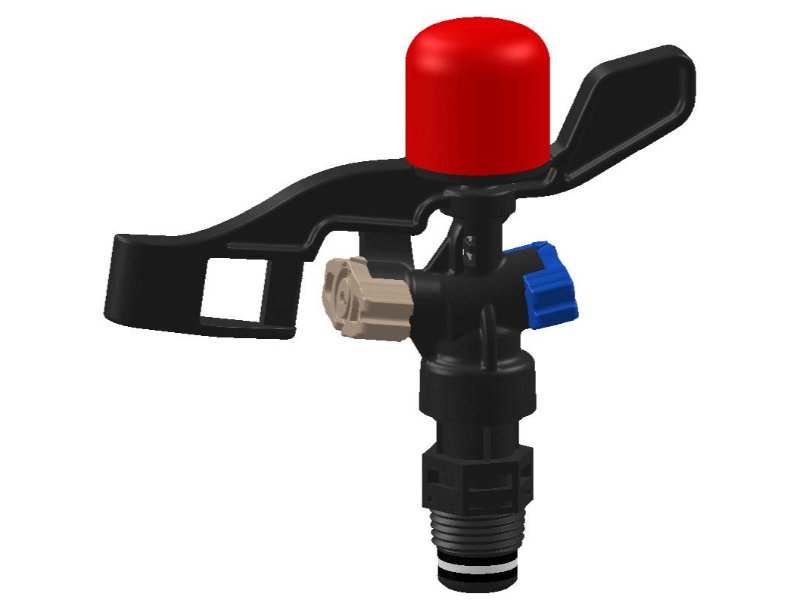
Rolland Plastic Impact 15mm Male Full Circle 28 Degrees c/w 2.2mm Nozzle x Plug
$24.59 Read more -
Rolland Sprinklers
Rolland Plastic Impact 15mm Male Full Circle 28 Degrees c/w 2.2mm x 2.0mm Nozzles
$24.59 Read more -
Rolland Sprinklers
Rolland Plastic Impact 15mm Male Full Circle 28 Degrees c/w 2.2mm x 2.5mm Nozzles
$24.59 Read more -
Rolland Sprinklers
Rolland Plastic Impact 15mm Male Full Circle 28 Degrees c/w 2.5mm Nozzle x Plug
$24.59 Read more -
Rolland Sprinklers
Rolland Plastic Impact 15mm Male Full Circle 28 Degrees c/w 2.5mm x 2.0mm Nozzles
$24.59 Read more -
Rolland Sprinklers
Rolland Plastic Impact 15mm Male Full Circle 28 Degrees c/w 2.5mm x 2.5mm Nozzles
$24.59 Read more -
Rolland Sprinklers
Rolland Plastic Impact 15mm Male Full Circle 28 Degrees c/w 3.0mm Nozzle x Plug
$24.59 Read more -
Rolland Sprinklers
Rolland Plastic Impact 15mm Male Full Circle 28 Degrees c/w 3.0mm x 2.0mm Nozzles
$24.59 Read more -
Rolland Sprinklers
Rolland Plastic Impact 15mm Male Full Circle 28 Degrees c/w 3.0mm x 2.5mm Nozzles
$24.59 Read more -
Rolland Sprinklers
Rolland Plastic Impact 15mm Male Full Circle 28 Degrees c/w 3.5mm Nozzle x Plug
$24.59 Read more -
Rolland Sprinklers
Rolland Plastic Impact 15mm Male Full Circle 28 Degrees c/w 3.5mm x 2.0mm Nozzles
$24.59 Read more -
Rolland Sprinklers
Rolland Plastic Impact 15mm Male Full Circle 28 Degrees c/w 3.5mm x 2.5mm Nozzles
$24.59 Read more -
Rolland Sprinklers
Rolland Plastic Impact 15mm Male Full Circle 28 Degrees c/w 4.0mm Nozzle x Plug
$24.59 Read more -
Rolland Sprinklers
Rolland Plastic Impact 15mm Male Full Circle 28 Degrees c/w 4.0mm x 2.0mm Nozzles
$24.59 Read more -
Rolland Sprinklers
Rolland Plastic Impact 15mm Male Full Circle 28 Degrees c/w 4.0mm x 2.5mm Nozzles
$24.59 Read more -
Rolland Sprinklers
Rolland Plastic Impact 15mm Male Full Circle 28 Degrees c/w 4.5mm Nozzle x Plug
$24.59 Read more -
Rolland Sprinklers
Rolland Plastic Impact 15mm Male Full Circle 28 Degrees c/w 4.5mm x 2.0mm Nozzles
$24.59 Read more -
Rolland Sprinklers
Rolland Plastic Impact 15mm Male Full Circle 28 Degrees c/w 4.5mm x 2.5mm Nozzles
$24.59 Read more -
-
Rolland Sprinklers
Rolland Plastic Impact 15mm Male Full Circle 8 Degrees c/w 2.2mm Nozzle x Plug
$24.59 Read more -
Rolland Sprinklers
Rolland Plastic Impact 15mm Male Full Circle 8 Degrees c/w 2.2mm x 2.0 Nozzle
$24.59 Read more -
Rolland Sprinklers
Rolland Plastic Impact 15mm Male Full Circle 8 Degrees c/w 2.5mm Nozzle x Plug
$24.59 Read more -
Rolland Sprinklers
Rolland Plastic Impact 15mm Male Full Circle 8 Degrees c/w 2.5mm x 2.0 Nozzle
$24.59 Read more -
Rolland Sprinklers
Rolland Plastic Impact 15mm Male Full Circle 8 Degrees c/w 3.0mm Nozzle x Plug
$24.59 Read more -
Rolland Sprinklers
Rolland Plastic Impact 15mm Male Full Circle 8 Degrees c/w 3.0mm x 2.0 Nozzle
$24.59 Read more -
Rolland Sprinklers
Rolland Plastic Impact 15mm Male Full Circle 8 Degrees c/w 3.5mm Nozzle x Plug
$24.59 Read more -
Rolland Sprinklers
Rolland Plastic Impact 15mm Male Full Circle 8 Degrees c/w 3.5mm x 2.0 Nozzle
$24.59 Read more -
Rolland Sprinklers
Rolland Plastic Impact 15mm Male Full Circle 8 Degrees c/w 4.0mm Nozzle x Plug
$24.59 Read more -
Rolland Sprinklers
Rolland Plastic Impact 15mm Male Full Circle 8 Degrees c/w 4.0mm x 2.0 Nozzle
$24.59 Read more -
Rolland Sprinklers
Rolland Plastic Impact 15mm Male Full Circle 8 Degrees c/w 4.5mm Nozzle x Plug
$24.59 Read more -
Rolland Sprinklers
Rolland Plastic Impact 15mm Male Full Circle 8 Degrees c/w 4.5mm x 2.0 Nozzle
$24.59 Read more -
Rolland Sprinklers
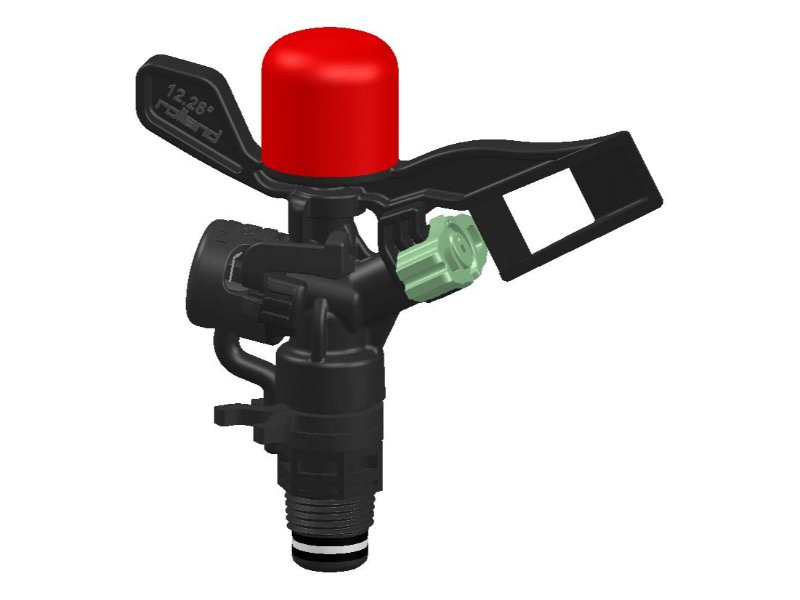
Rolland Plastic Impact 15mm Male Full Circle c/w 2.5mm Nozzle x Plug
$22.47 Read more -
Rolland Sprinklers
Rolland Plastic Impact 15mm Male Full Circle c/w 2.5mm x 2.0mm Nozzles
$22.47 Read more -
Rolland Sprinklers
Rolland Plastic Impact 15mm Male Full Circle c/w 3.0mm Nozzle x Plug
$22.47 Read more -
Rolland Sprinklers
Rolland Plastic Impact 15mm Male Full Circle c/w 3.0mm x 2.0mm Nozzles
$22.47 Read more -
Rolland Sprinklers
Rolland Plastic Impact 15mm Male Full Circle c/w 3.5mm Nozzle x Plug
$22.47 Read more -
Rolland Sprinklers
Rolland Plastic Impact 15mm Male Full Circle c/w 3.5mm x 2.0mm Nozzles
$22.47 Read more -
-
Rolland Sprinklers
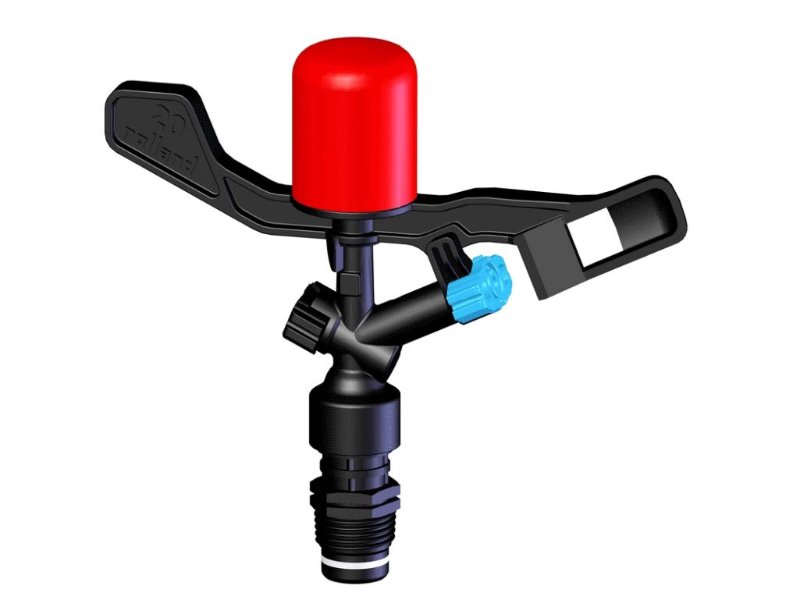
Rolland Plastic Impact 15mm Male PC/FC 28 Degrees c/w 2.2mm Nozzle
$50.64 Read more -
Rolland Sprinklers
Rolland Plastic Impact 15mm Male PC/FC 28 Degrees c/w 2.5mm Nozzle
$50.64 Read more -
Rolland Sprinklers
Rolland Plastic Impact 15mm Male PC/FC 28 Degrees c/w 3.0mm Nozzle
$50.64 Read more -
Rolland Sprinklers
Rolland Plastic Impact 15mm Male PC/FC 28 Degrees c/w 3.5mm Nozzle
$50.64 Read more -
Rolland Sprinklers
Rolland Plastic Impact 15mm Male PC/FC 28 Degrees c/w 4.0mm Nozzle
$50.64 Read more -
Rolland Sprinklers
Rolland Plastic Impact 15mm Male PC/FC 28 Degrees c/w 4.5mm Nozzle
$50.64 Read more -
-
Rolland Sprinklers
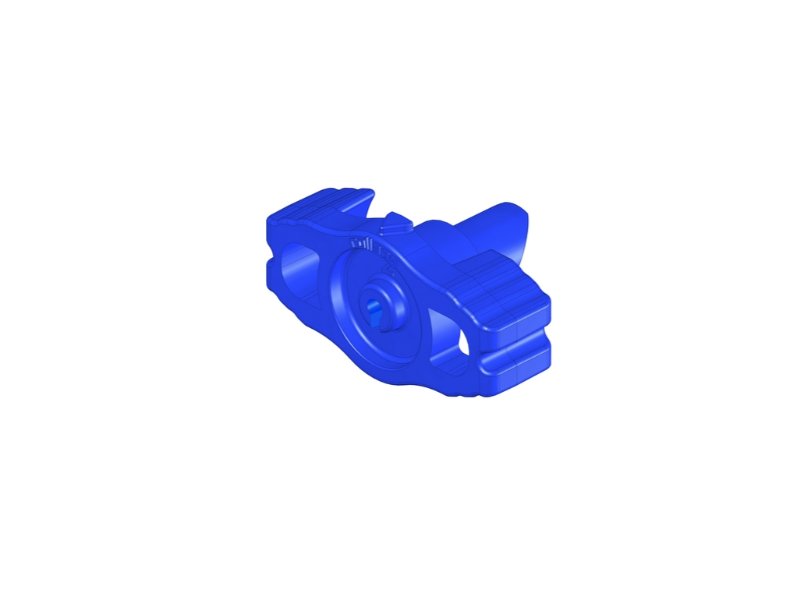
Rolland Plastic Impact 20mm Male Full Circle c/w 3.5mm Nozzle x Plug
$28.17 Read more -
Rolland Sprinklers
Rolland Plastic Impact 20mm Male Full Circle c/w 3.5mm x 2.5mm Nozzles
$28.17 Read more -
Rolland Sprinklers
Rolland Plastic Impact 20mm Male Full Circle c/w 4.0mm Nozzle x Plug
$28.17 Read more -
Rolland Sprinklers
Rolland Plastic Impact 20mm Male Full Circle c/w 4.0mm x 2.5mm Nozzles
$28.17 Read more -
Rolland Sprinklers
Rolland Plastic Impact 20mm Male Full Circle c/w 4.5mm Nozzle x Plug
$28.17 Read more -
Rolland Sprinklers
Rolland Plastic Impact 20mm Male Full Circle c/w 4.5mm x 2.5mm Nozzles
$28.17 Read more -
Rolland Sprinklers
Rolland Plastic Impact 20mm Male Full Circle c/w 5.0mm Nozzle x Plug
$28.17 Read more -
Rolland Sprinklers
Rolland Plastic Impact 20mm Male Full Circle c/w 5.0mm x 2.5mm Nozzles
$28.17 Read more -
-
-
-
-
-
-