-

Camlock Fittings168 Products
-
Controllers198 Products
-
Dripline128 Products
-
Electrical86 Products
-
Filtration466 Products
-
Fittings2,636 Products
-
Flow Meters279 Products
-
Injectors & Sensors5 Products
-
Irrigators52 Products
-
Pipe106 Products
-
Sprinklers1,509 Products
-
Uncategorized1 Product
-
Valves1,085 Products
-
-
-
-
-
-
-
Senninger Sprinklers
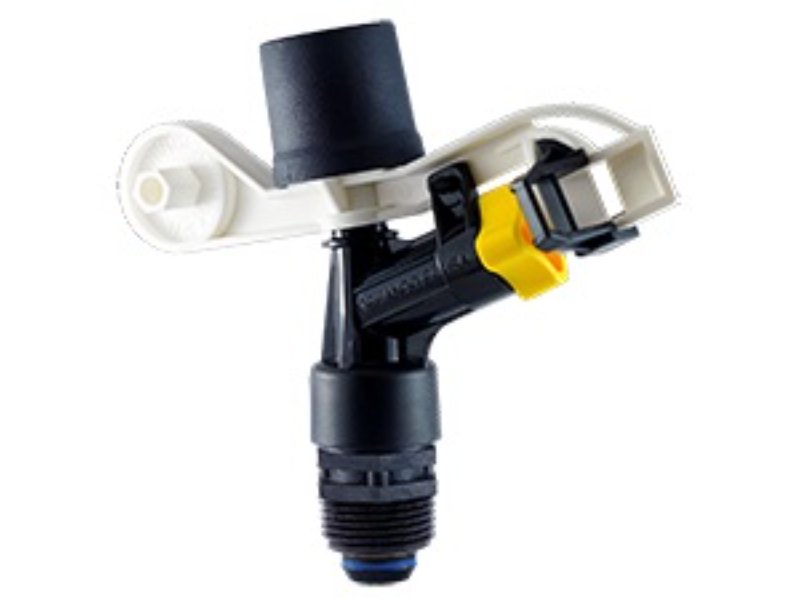
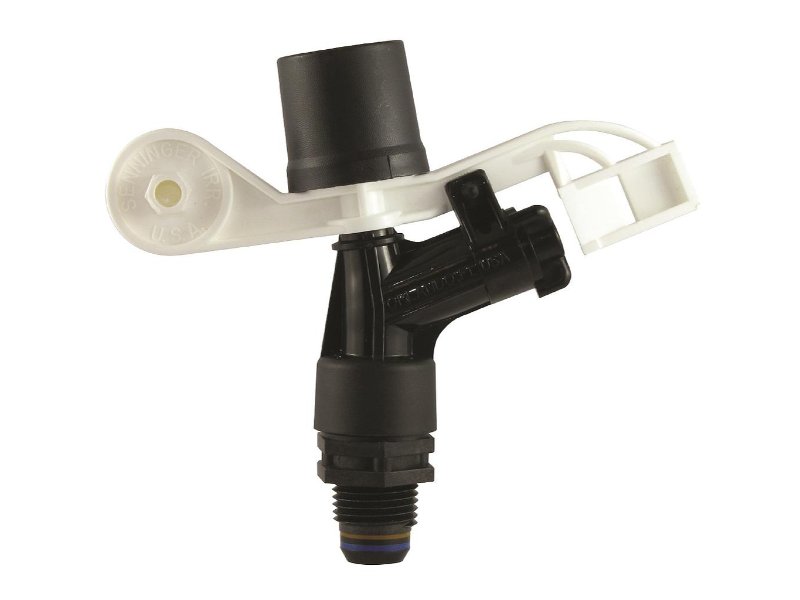
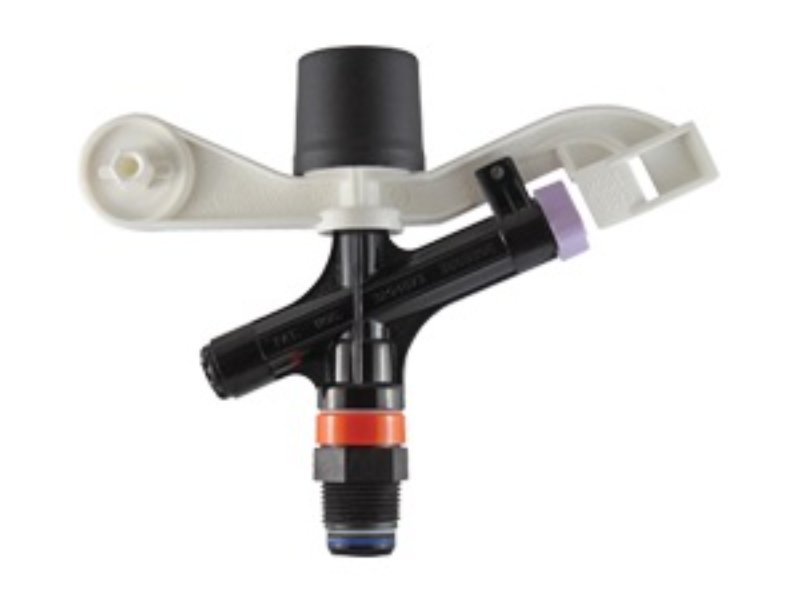
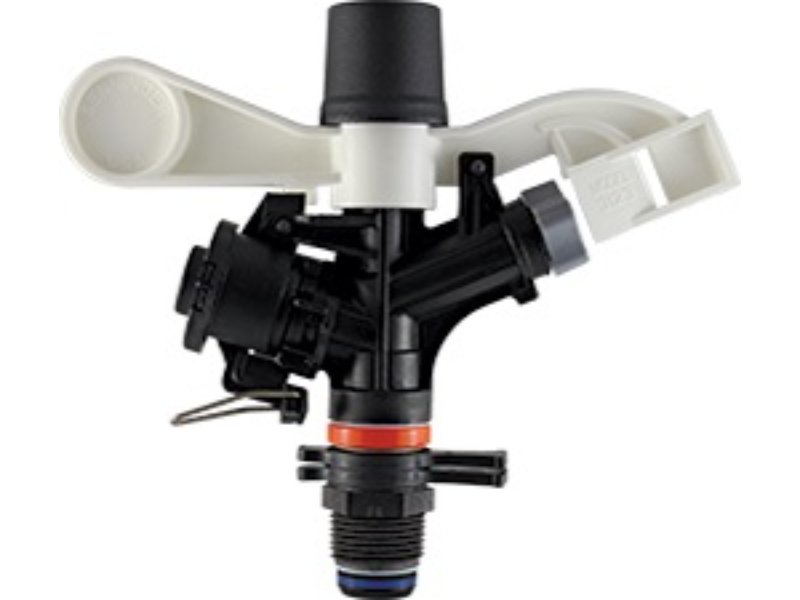
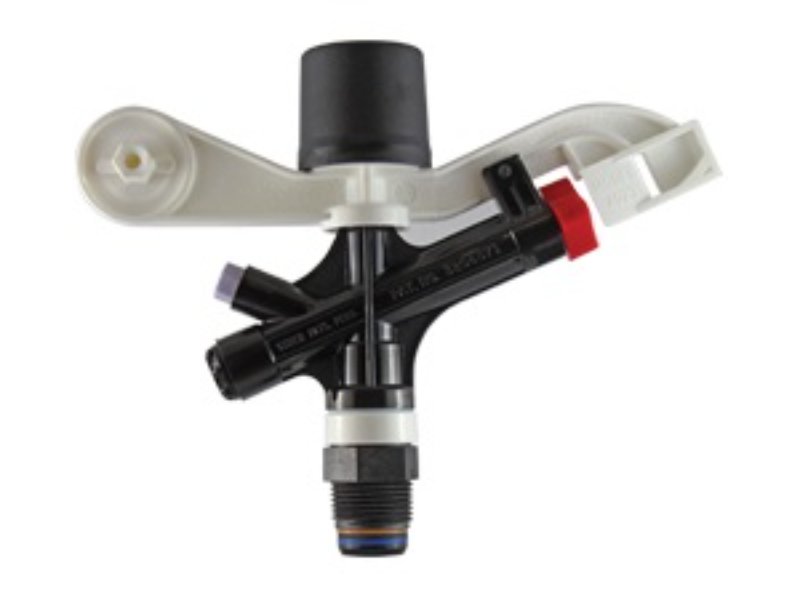
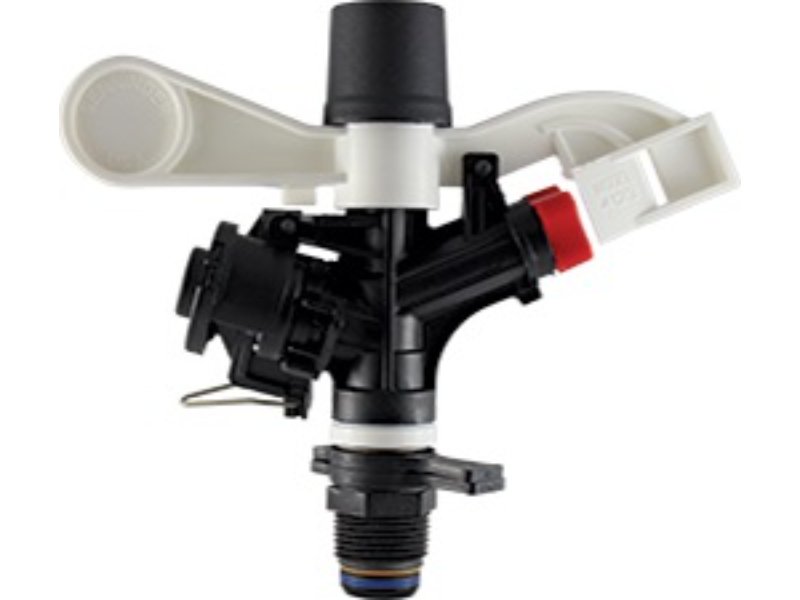
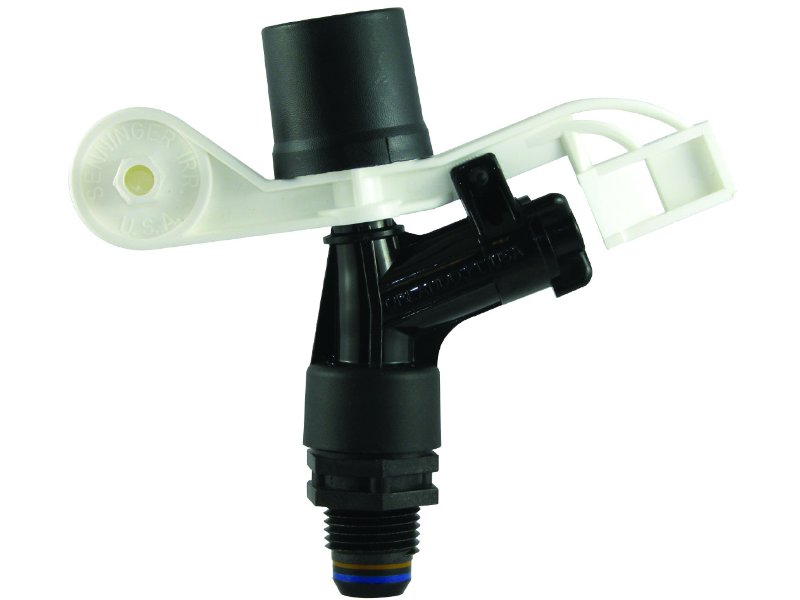
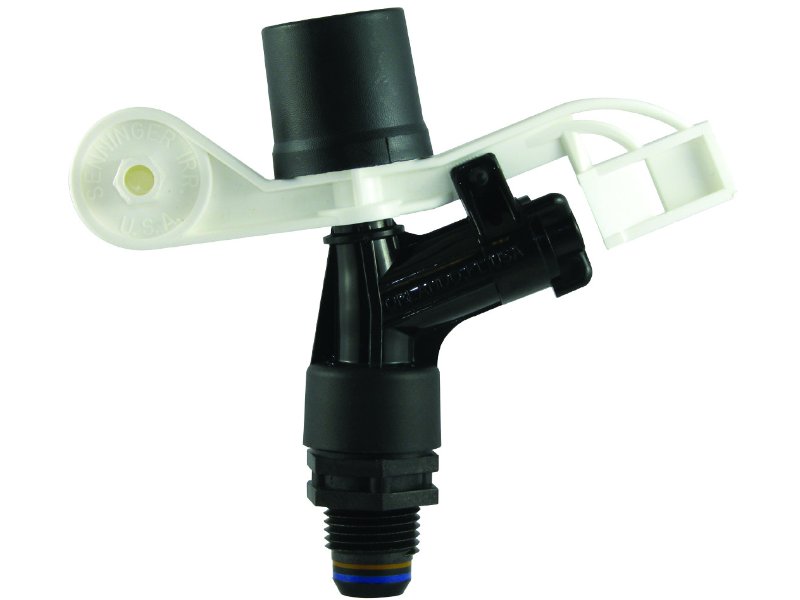
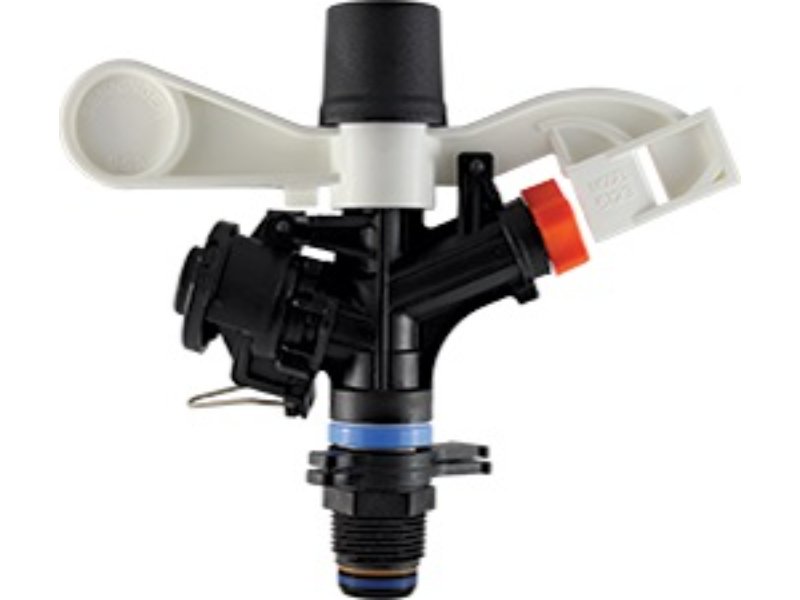
Senninger 20 Series Impact 15mm Sprinkler FC 9 Deg c/w #6 Hand Tight Nozzle
$28.17 Read more -
Senninger Sprinklers
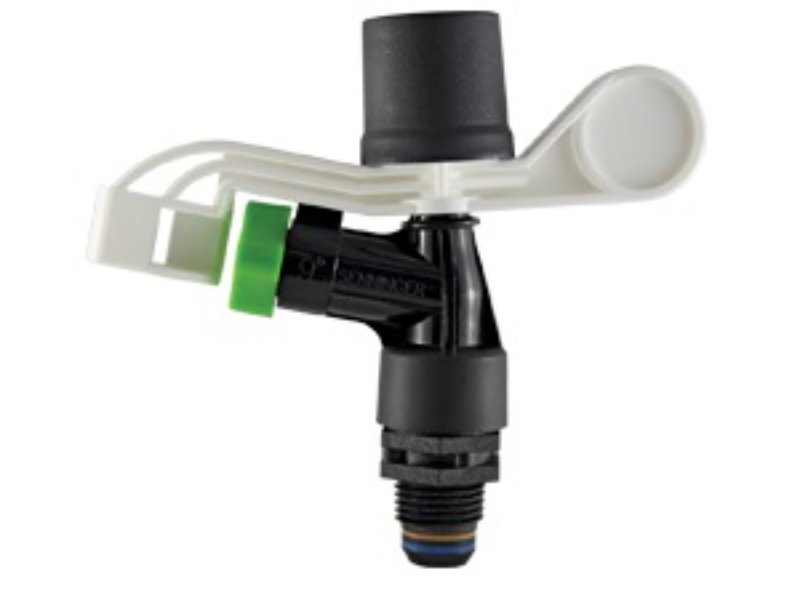
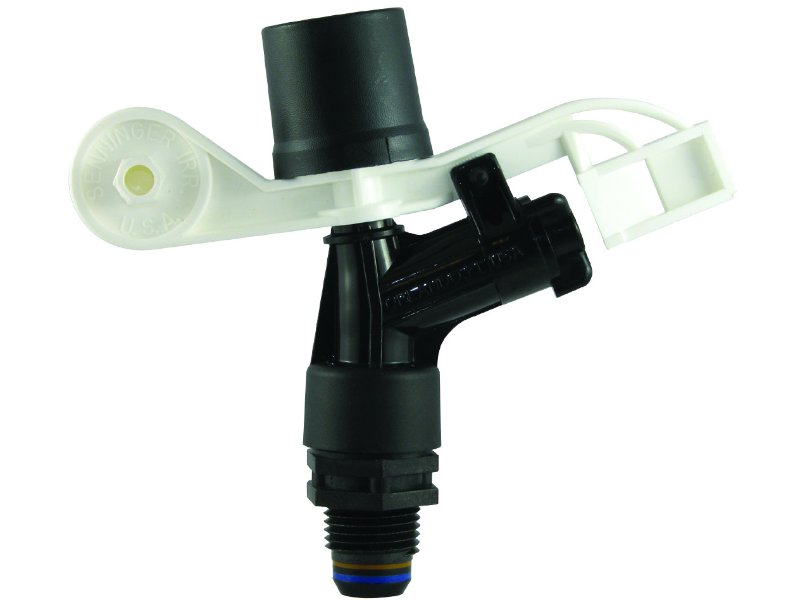
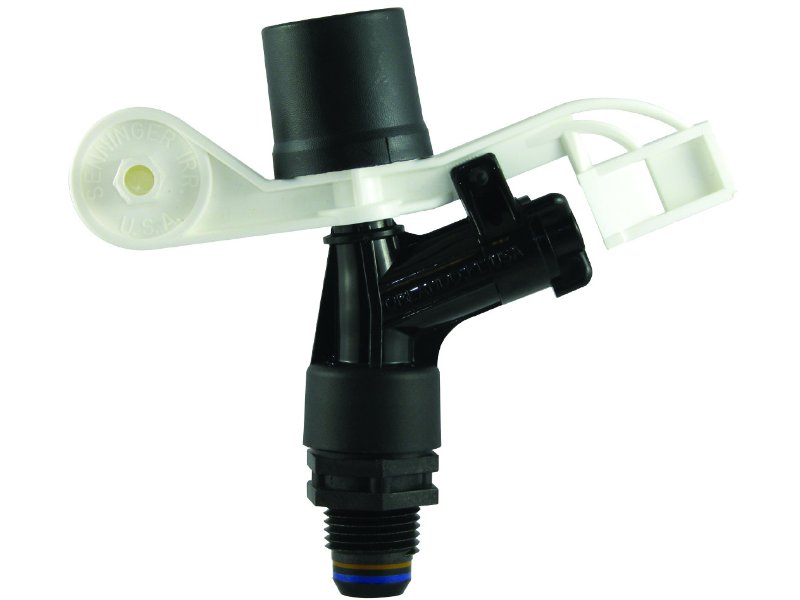
Senninger 20 Series Impact 15mm Sprinkler FC 9 Deg c/w #6 Square Nozzle Insert
$28.17 Read more -
Senninger Sprinklers
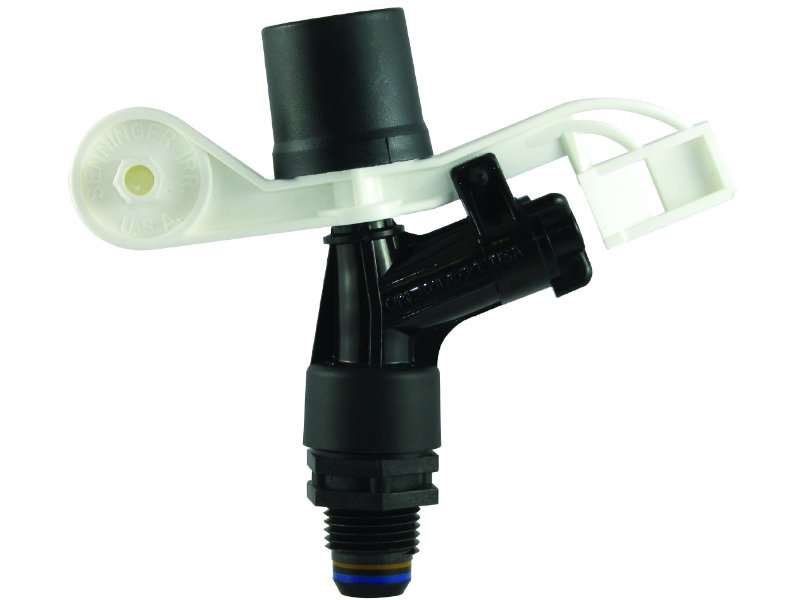
Senninger 20 Series Impact 15mm Sprinkler FC 9 Deg c/w #7 Hand Tight Nozzle
$28.17 Read more -
Senninger Sprinklers
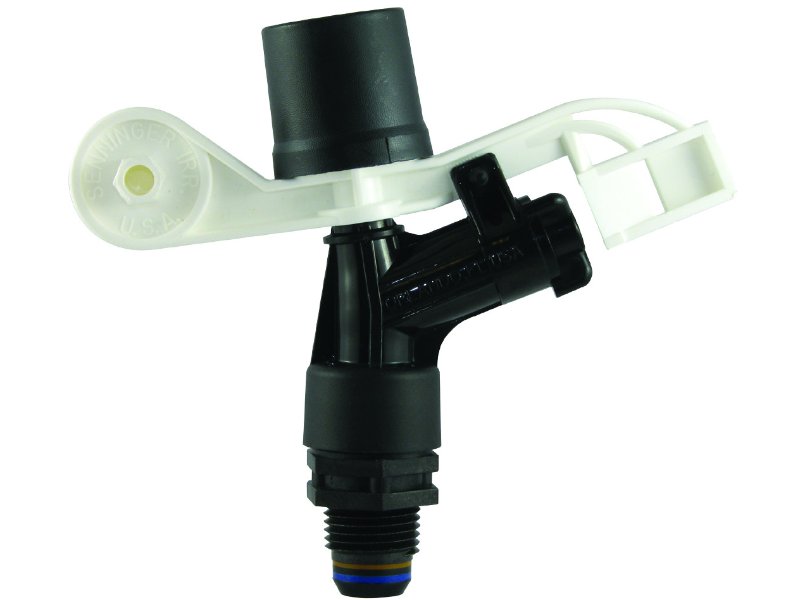
Senninger 20 Series Impact 15mm Sprinkler FC 9 Deg c/w #7 Hand Tight Square Nozzle
$28.17 Read more -
Senninger Sprinklers
Senninger 20 Series Impact 15mm Sprinkler FC 9 Deg c/w #8 Hand Tight Nozzle
$28.17 Read more -
Senninger Sprinklers
Senninger 20 Series Impact 15mm Sprinkler FC 9 Deg c/w #9 Hand Tight Nozzle
$28.17 Read more -
-
-
-
-
-
-
-
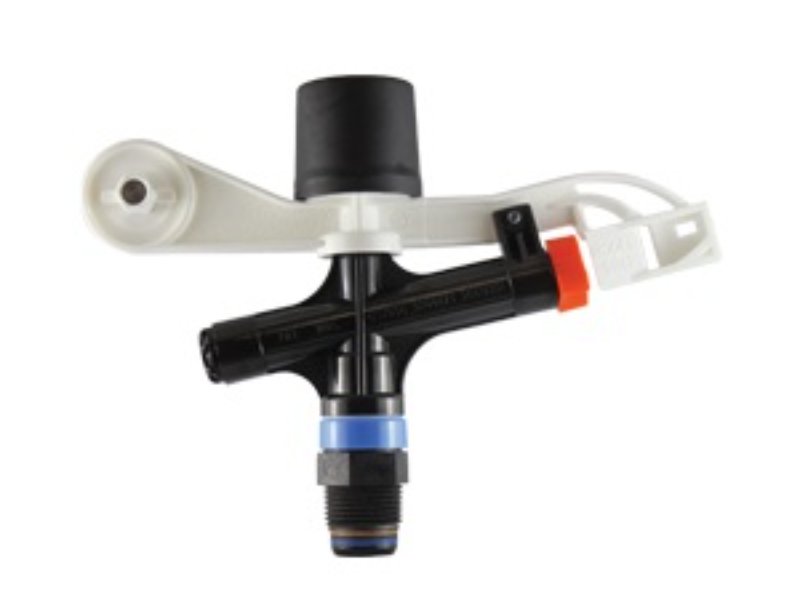 Senninger Sprinklers
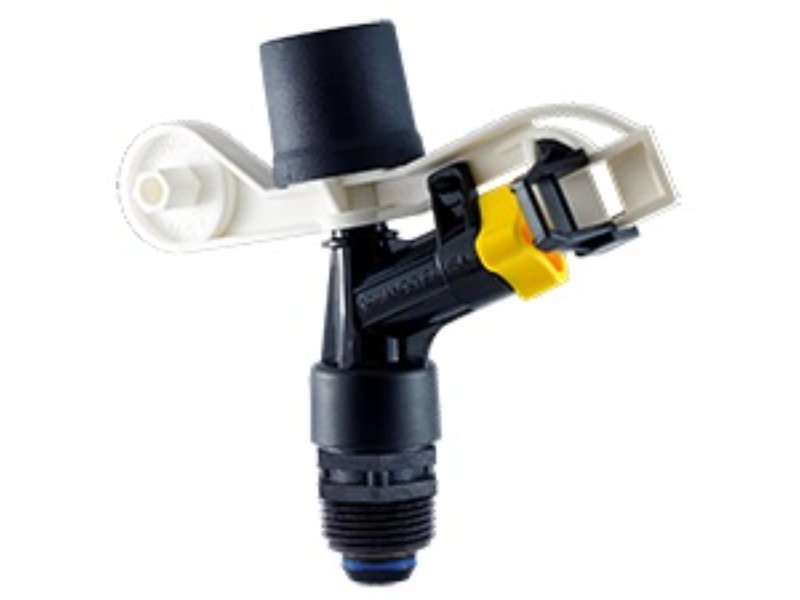
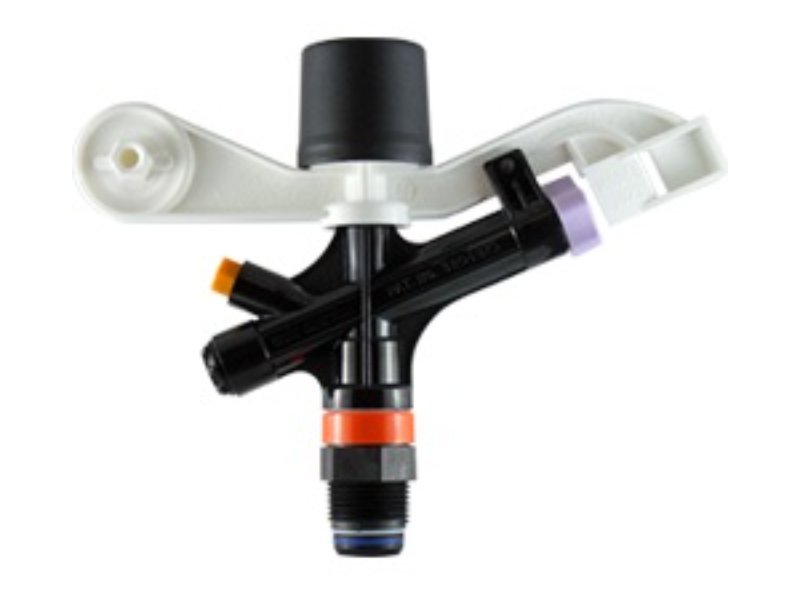
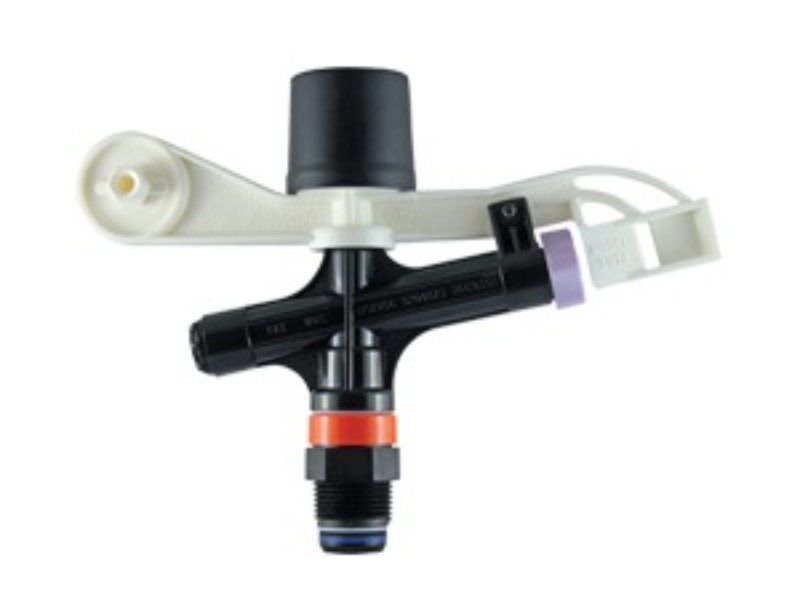
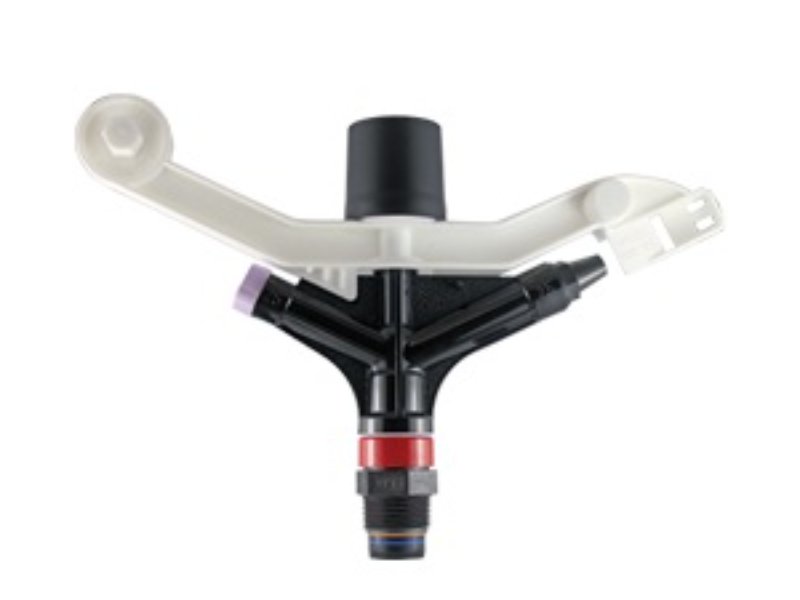
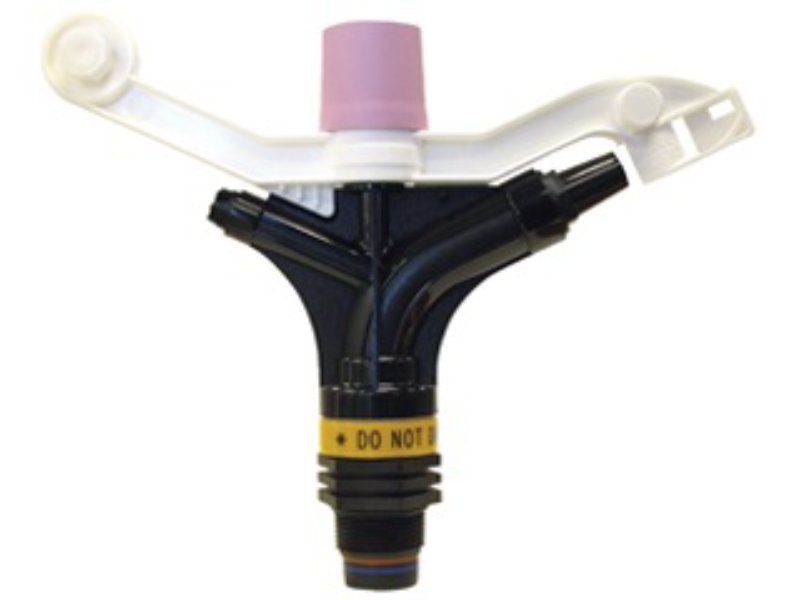
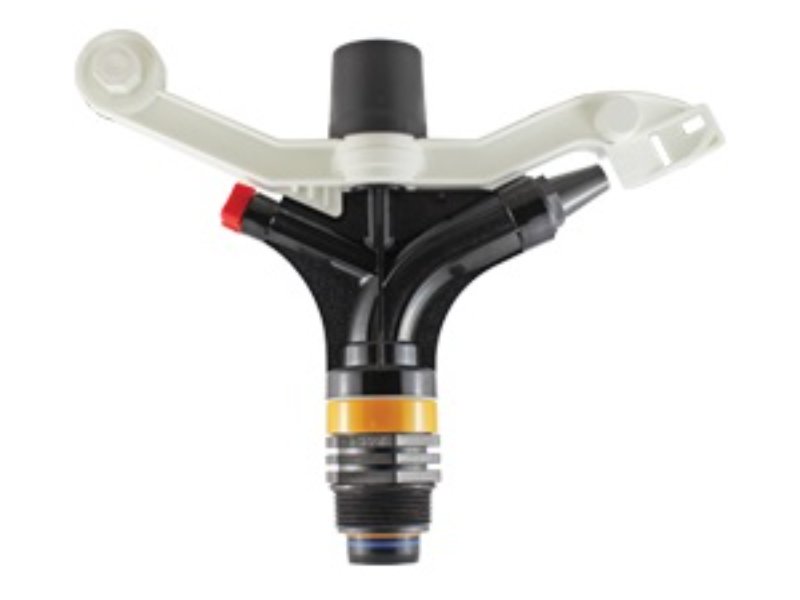
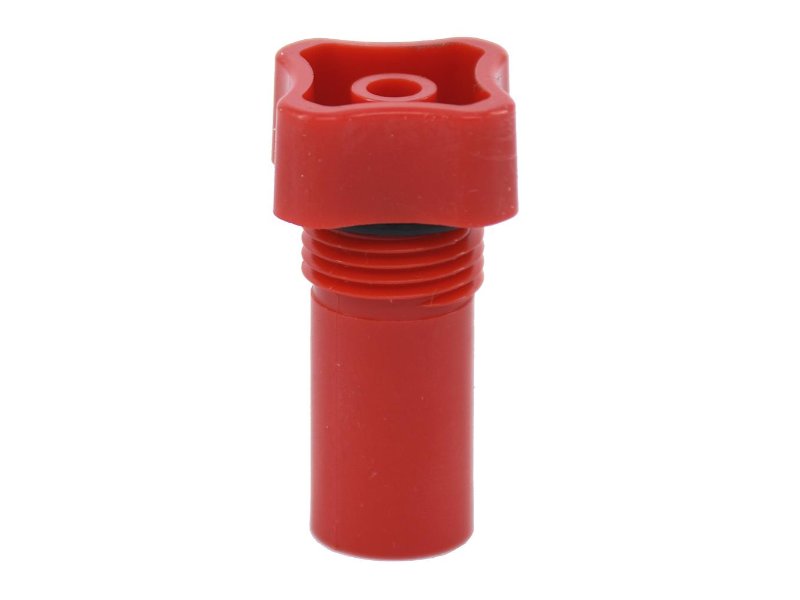
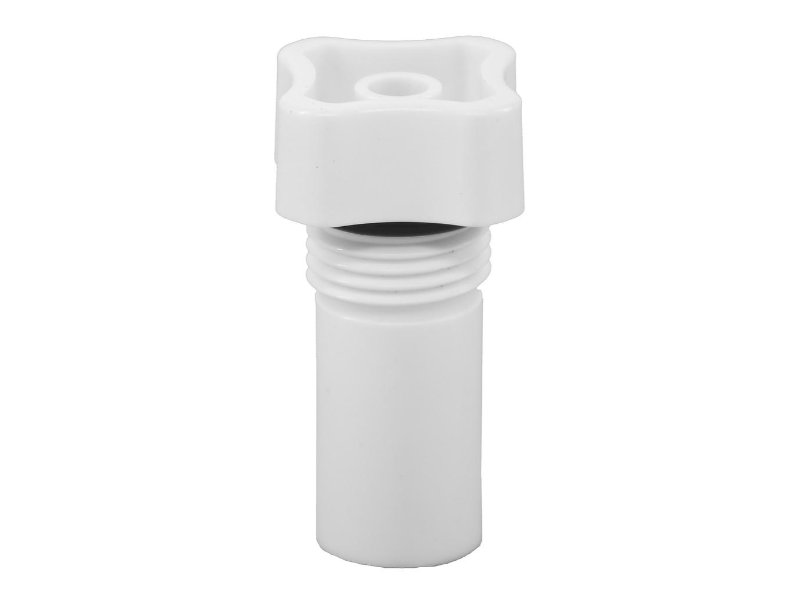
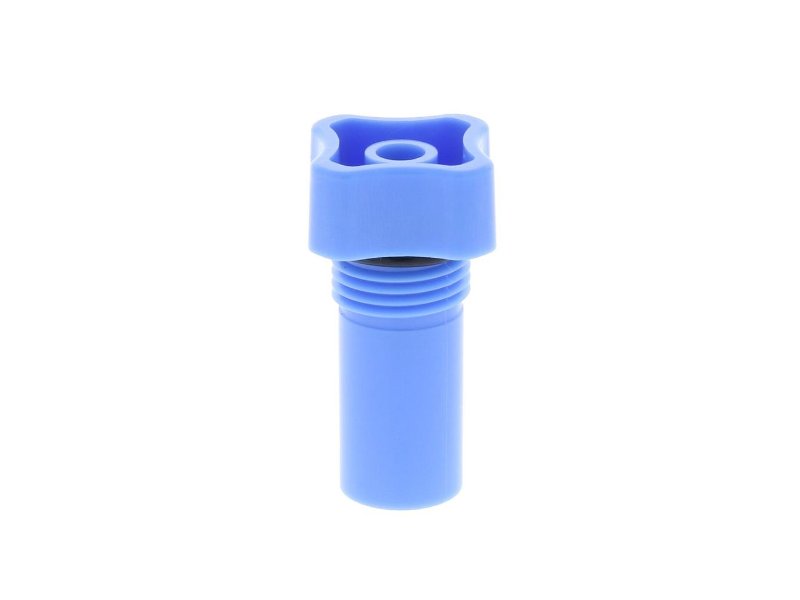
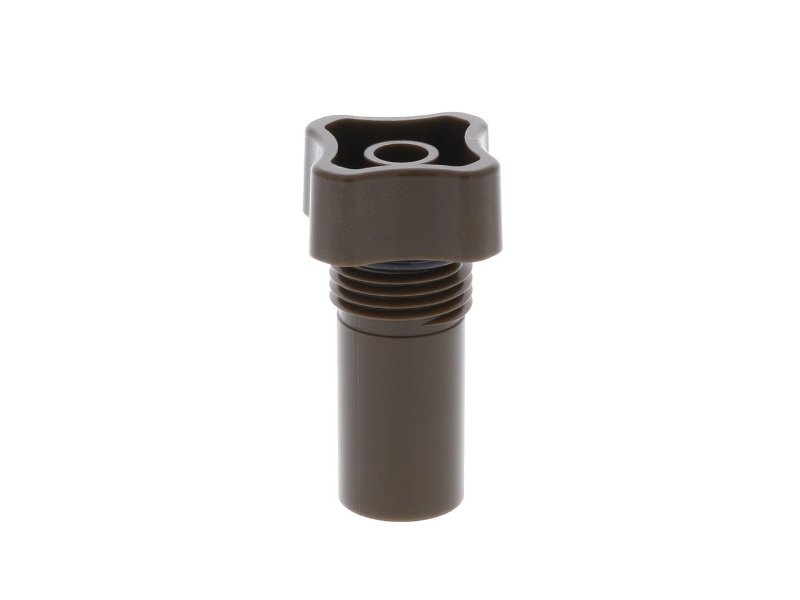
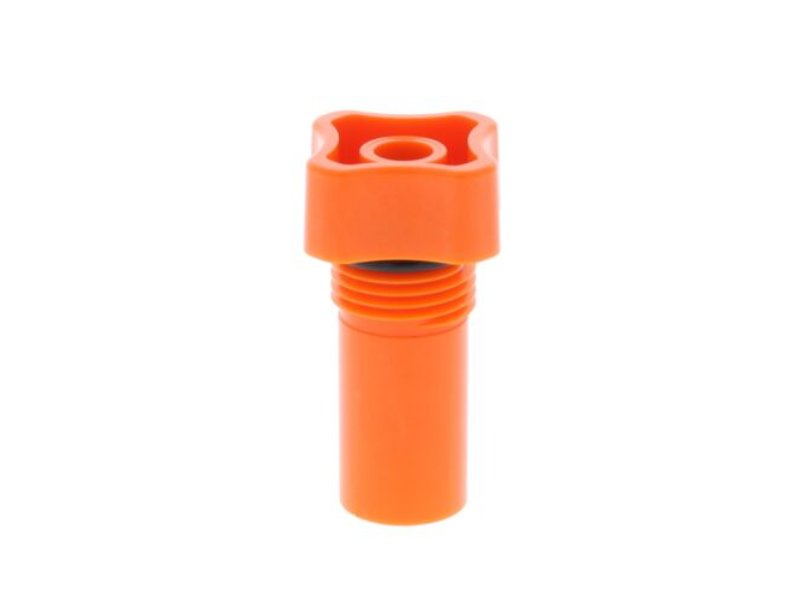
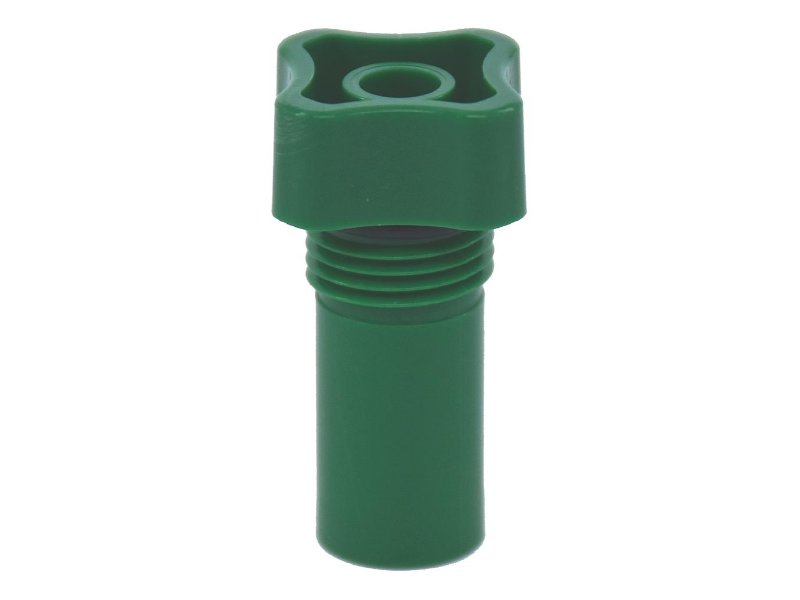
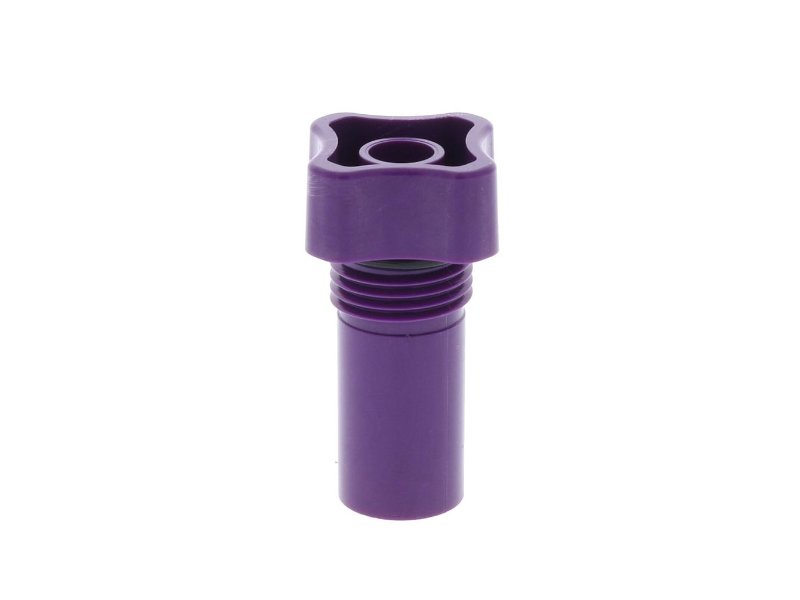
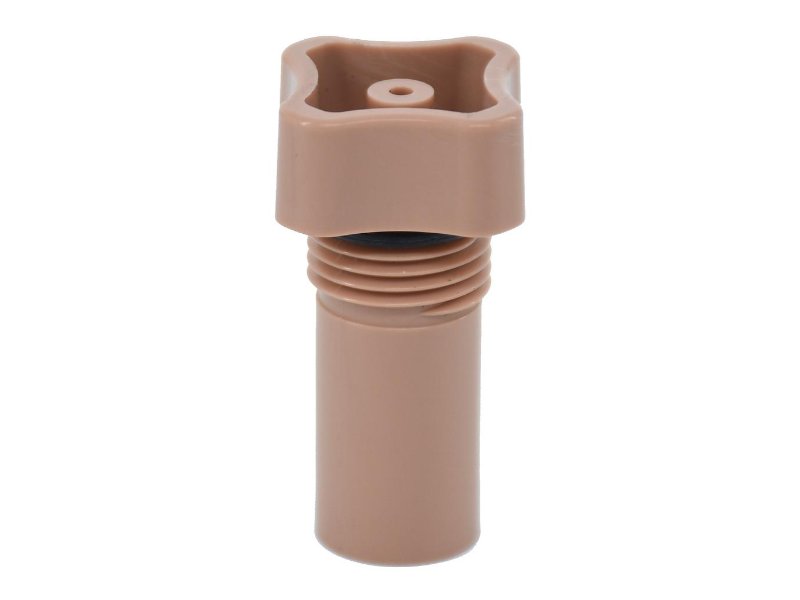
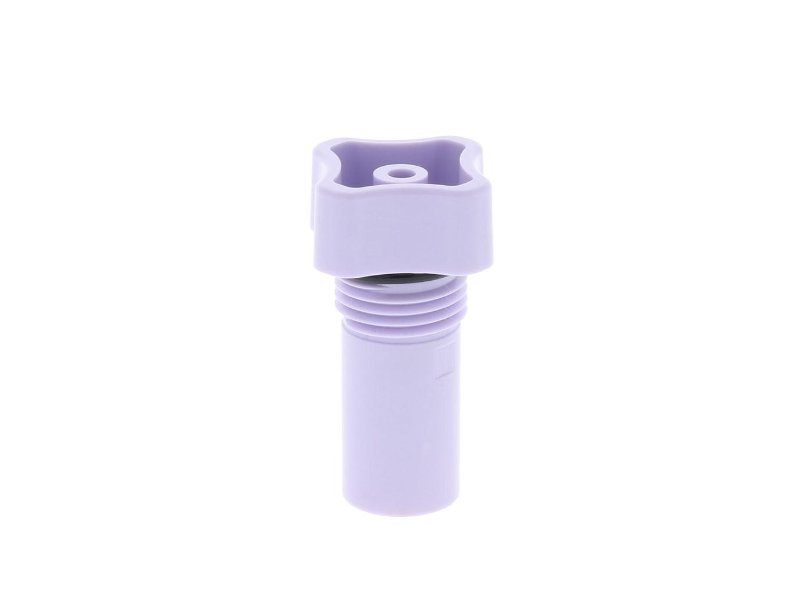
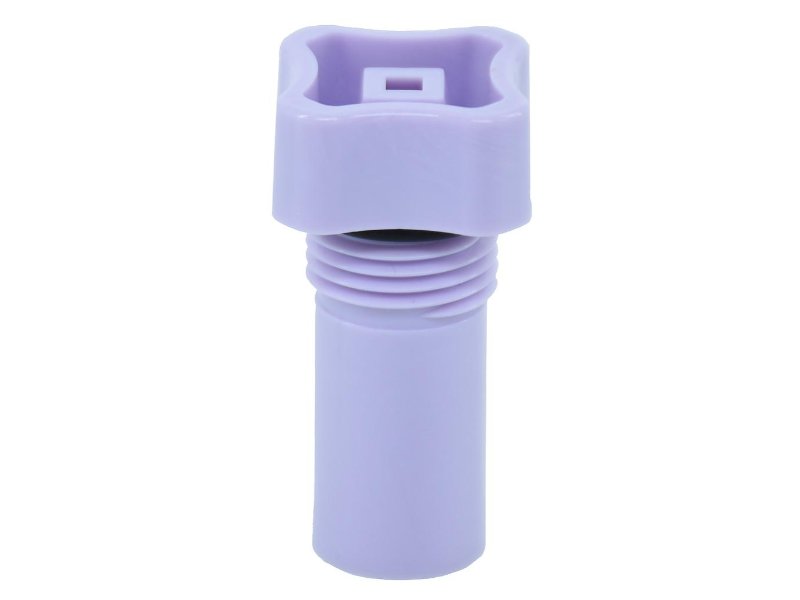
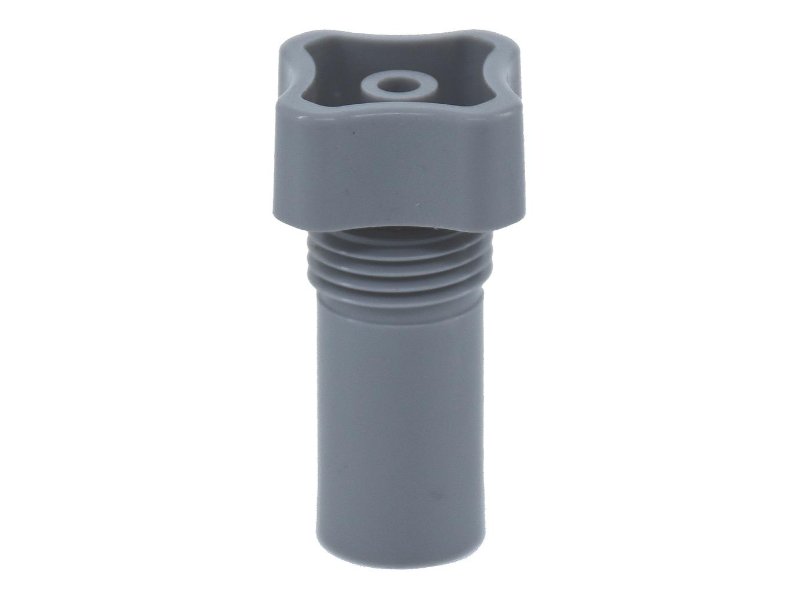
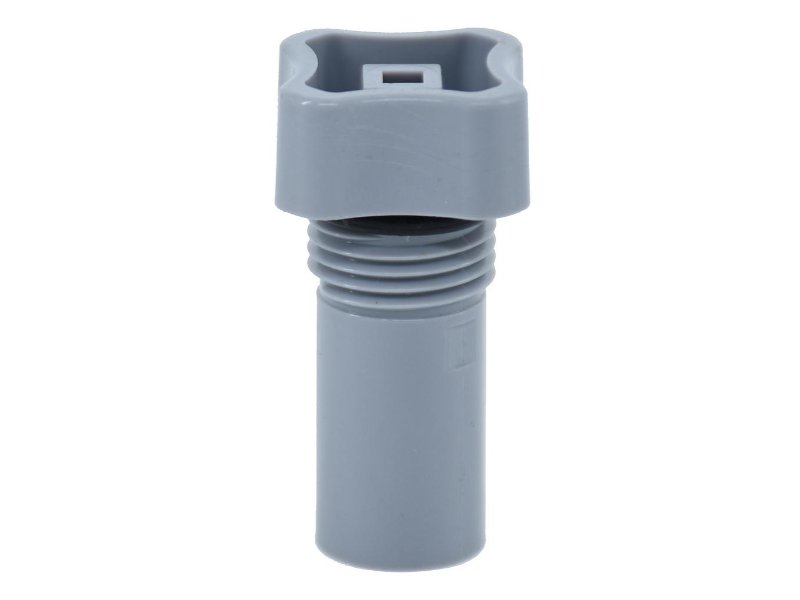
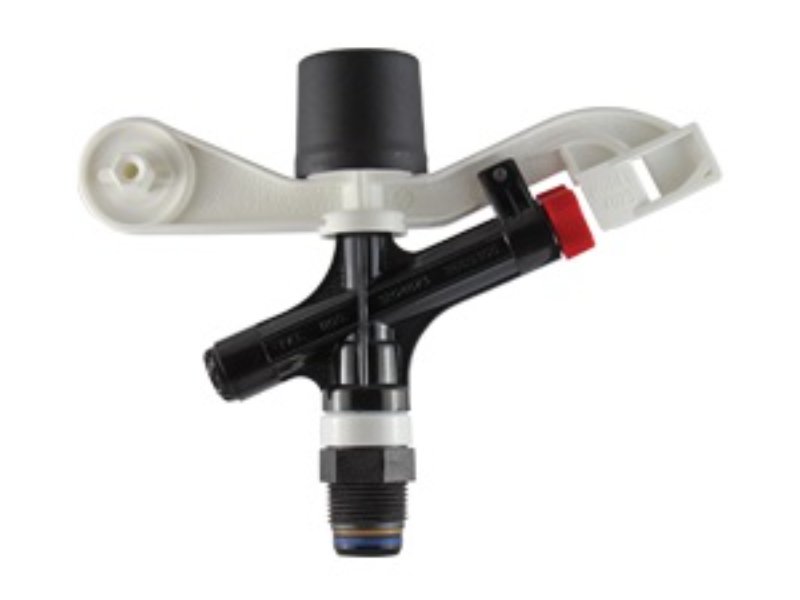
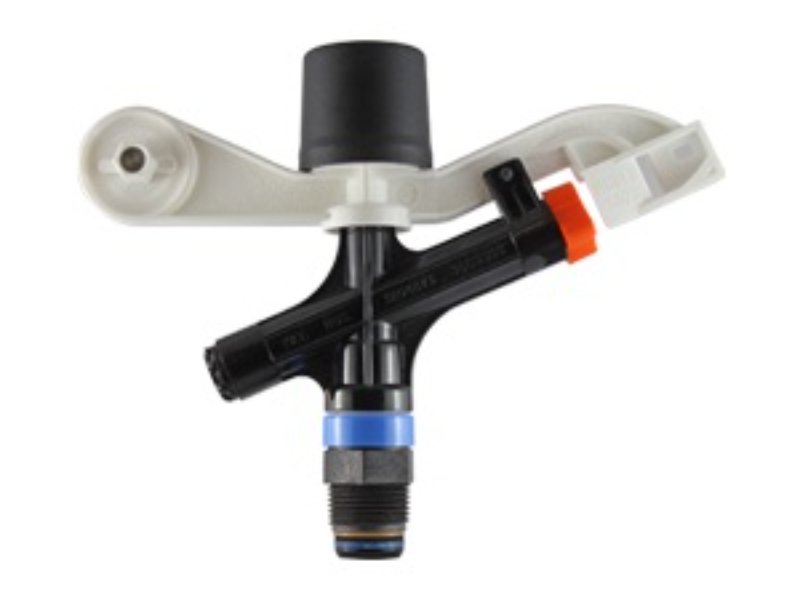
Senninger 50 Series Impact 20mm FC 12deg Plastic Swivel Swivel
$24.27 Add to cart -
-
-
-
-
-
-
-
-
-
-
-
-
-
-
-
-
-
-
-
-
-
-
-
-
-
-
-
-
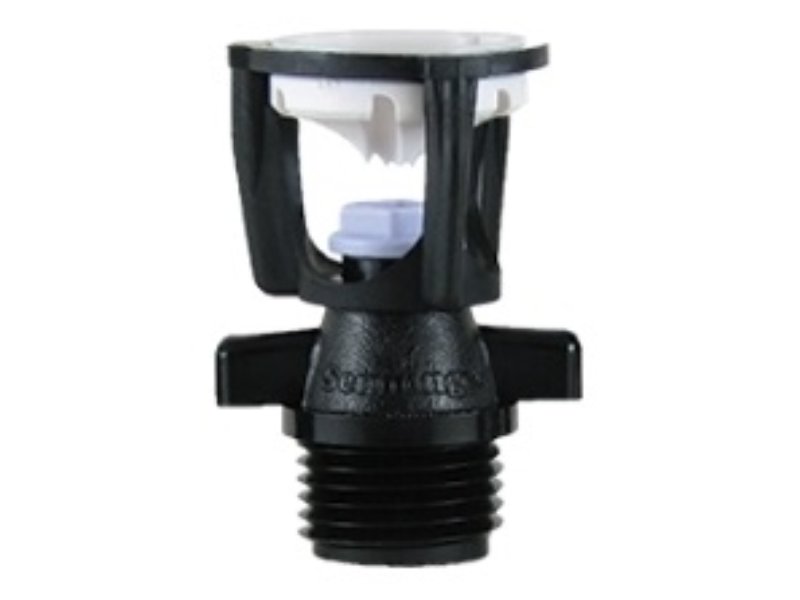
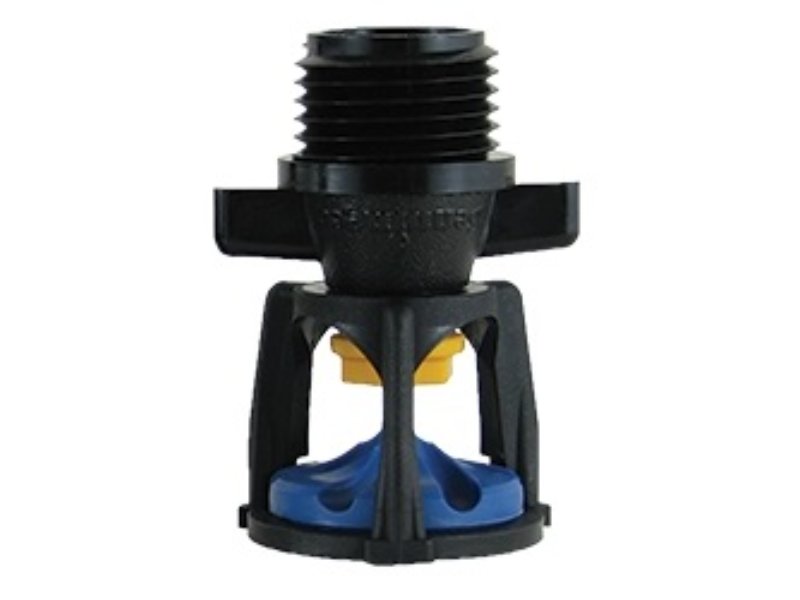
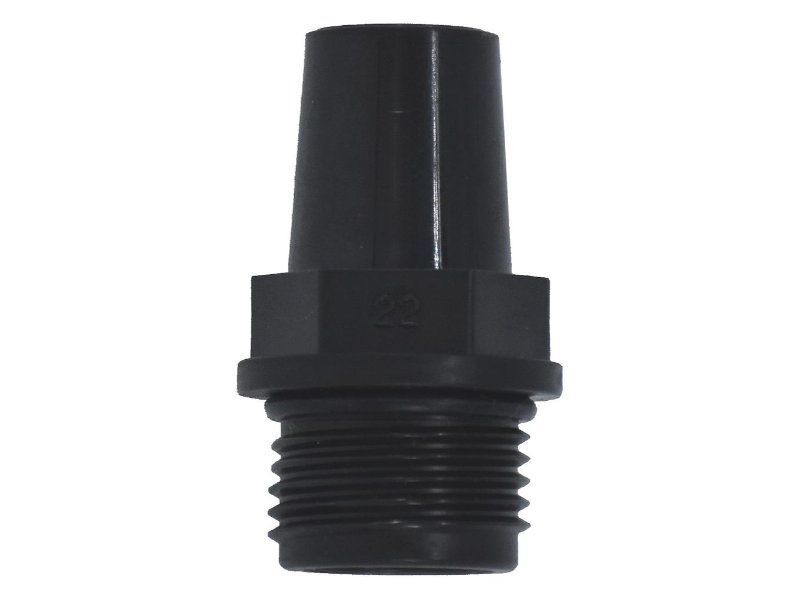
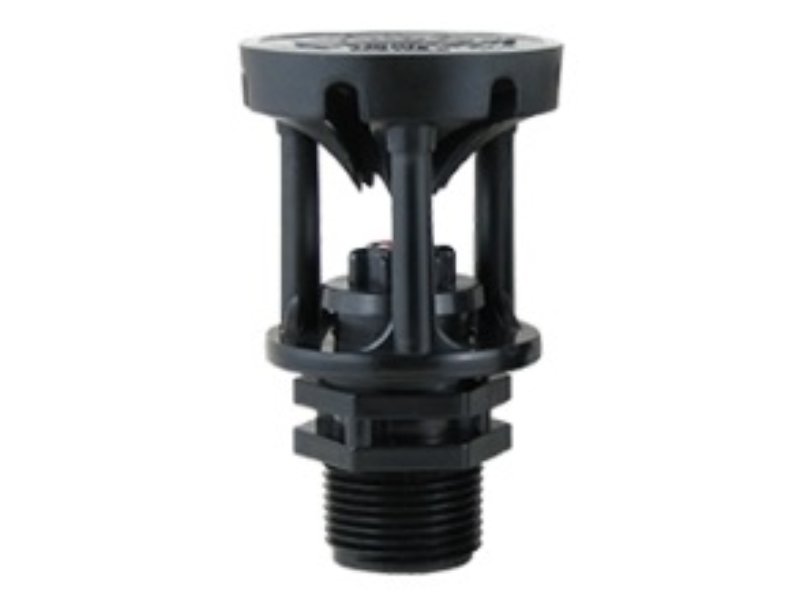
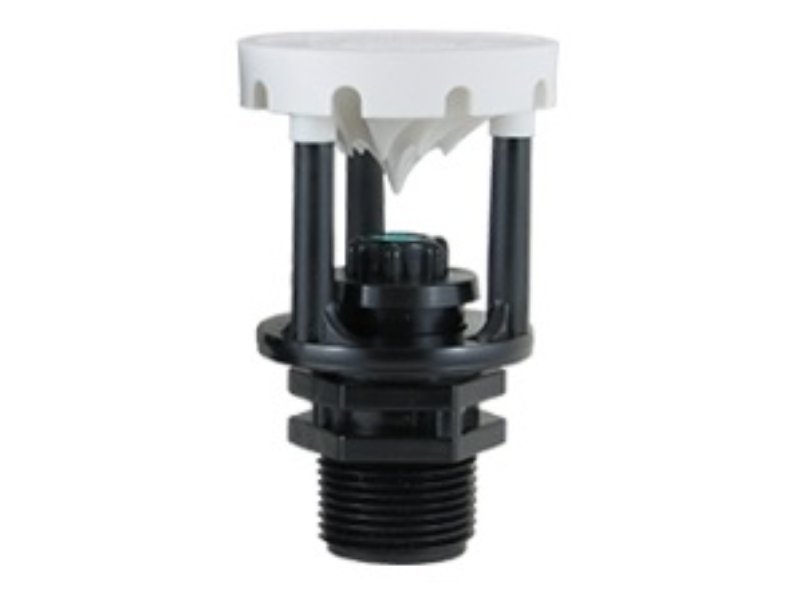
Senninger Sprinklers
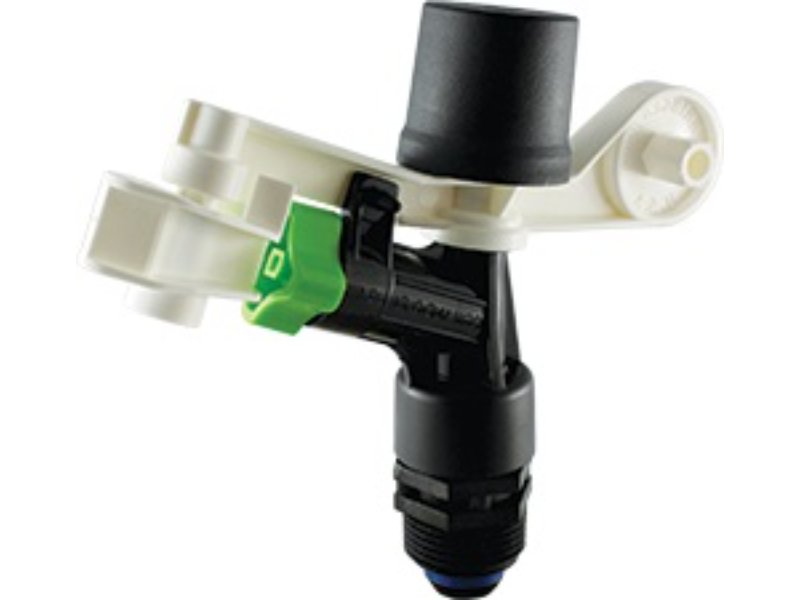
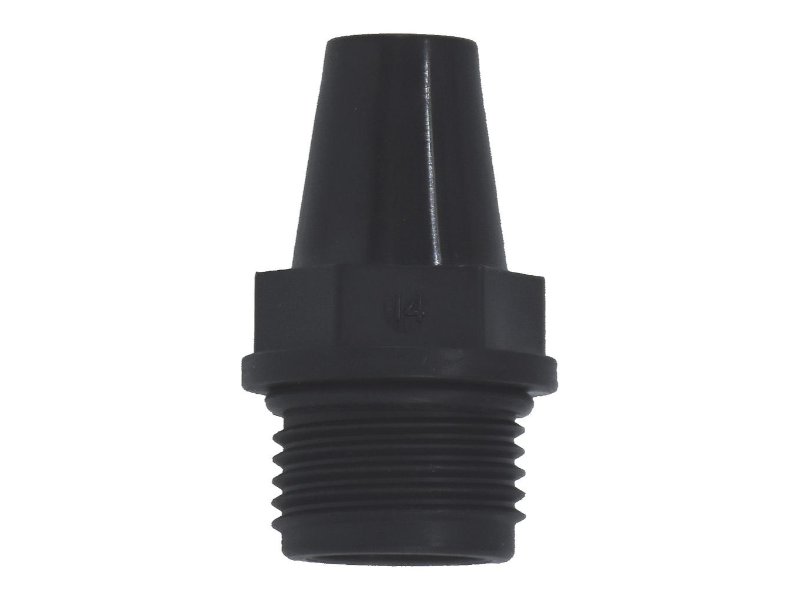
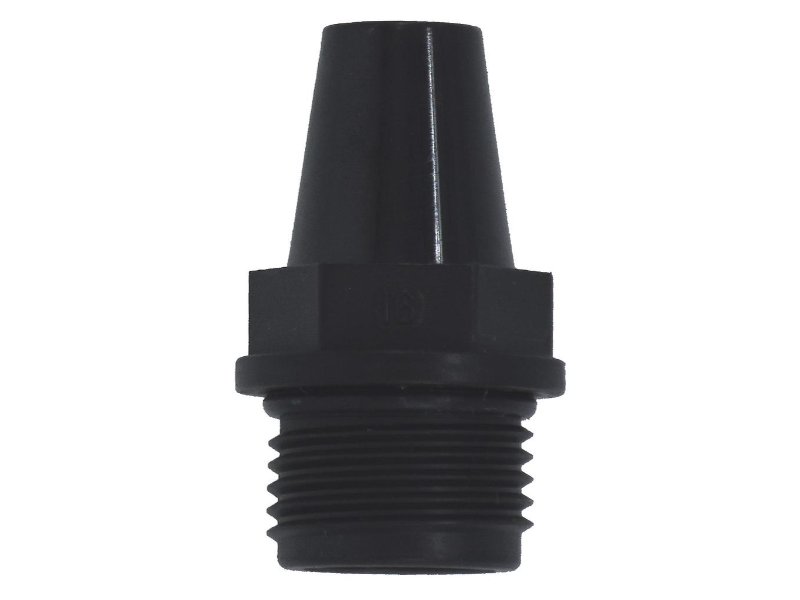
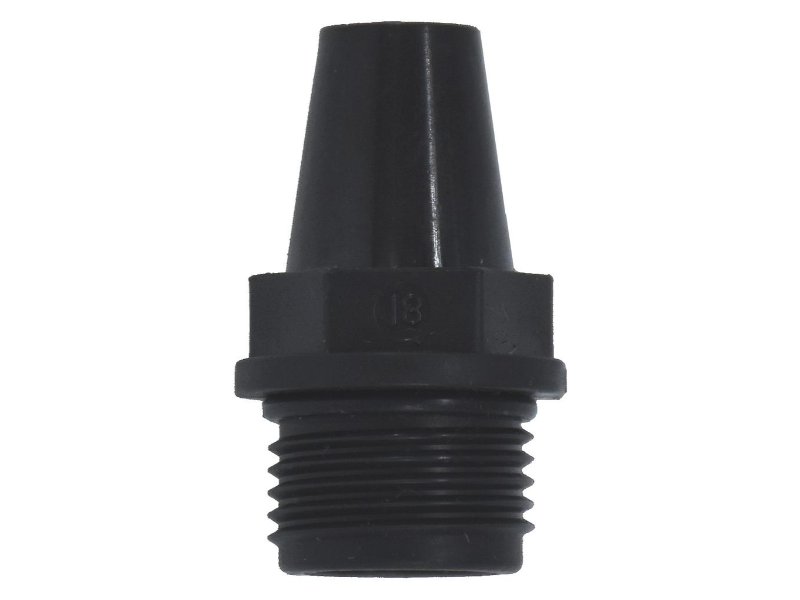
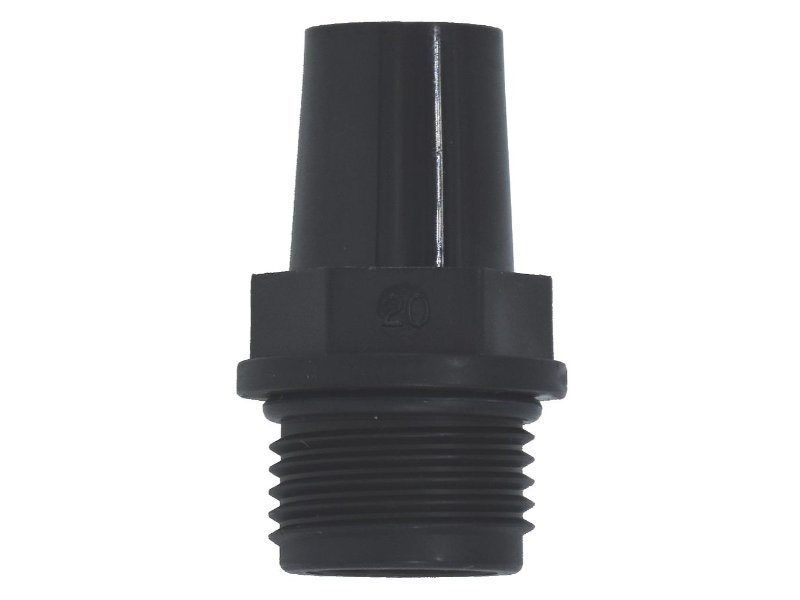
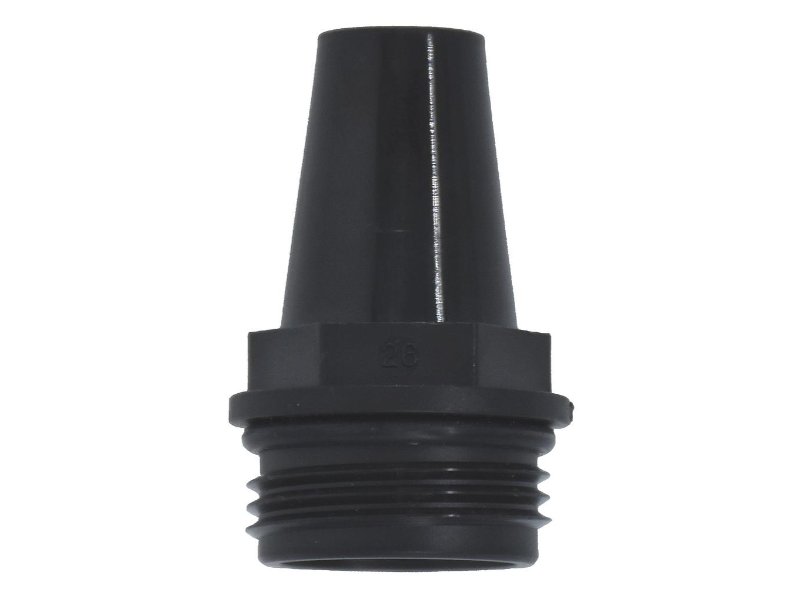
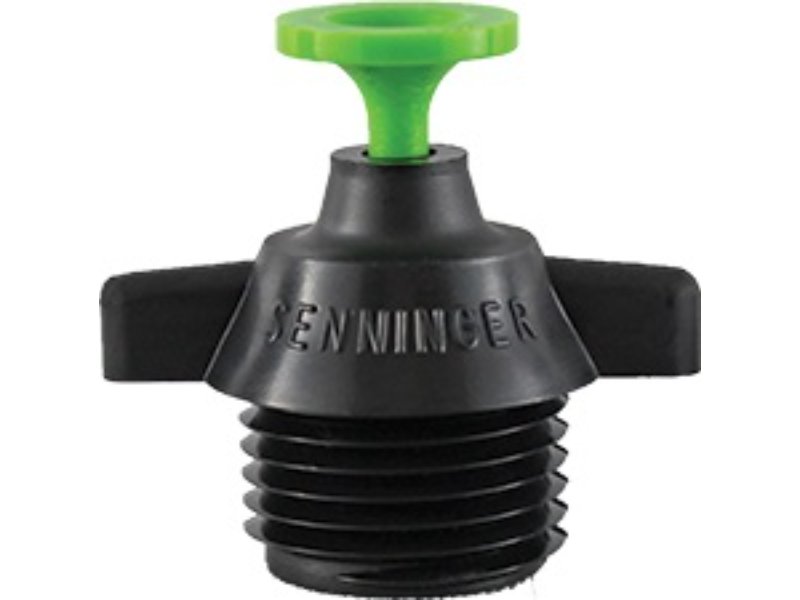
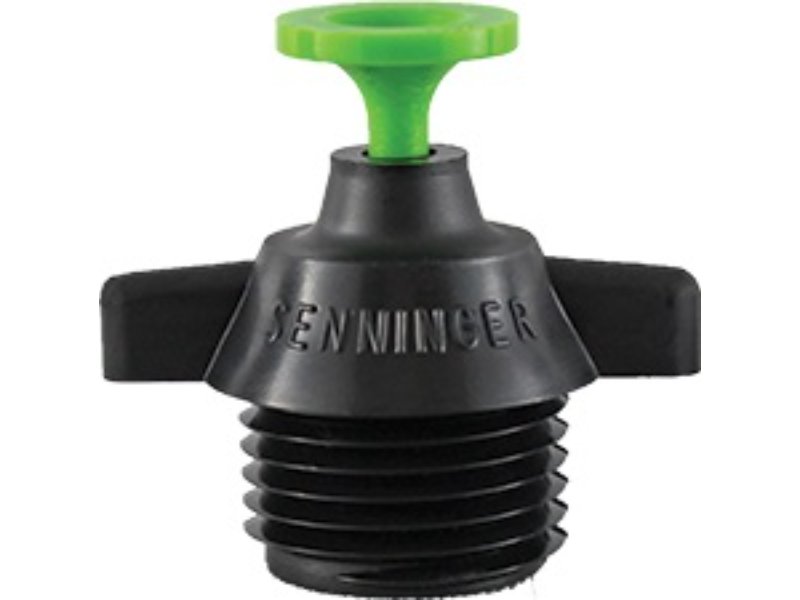
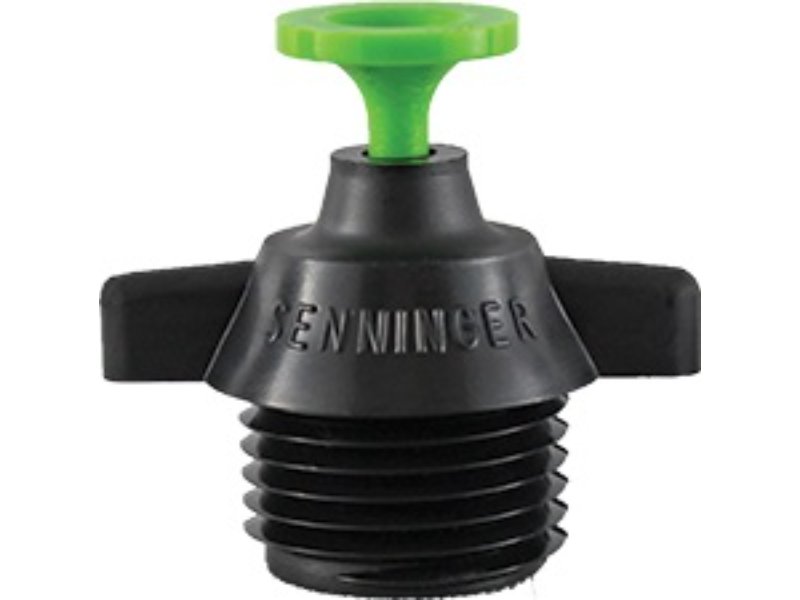
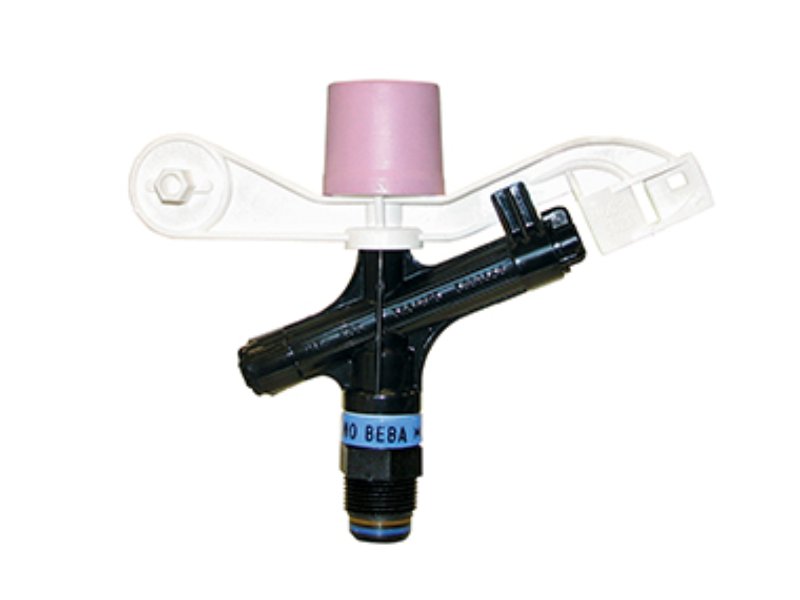
Senninger Mini Wobbler Sprinkler With 15mm Base-Inverted c/w #5 Nozzle
$9.95 Read more -
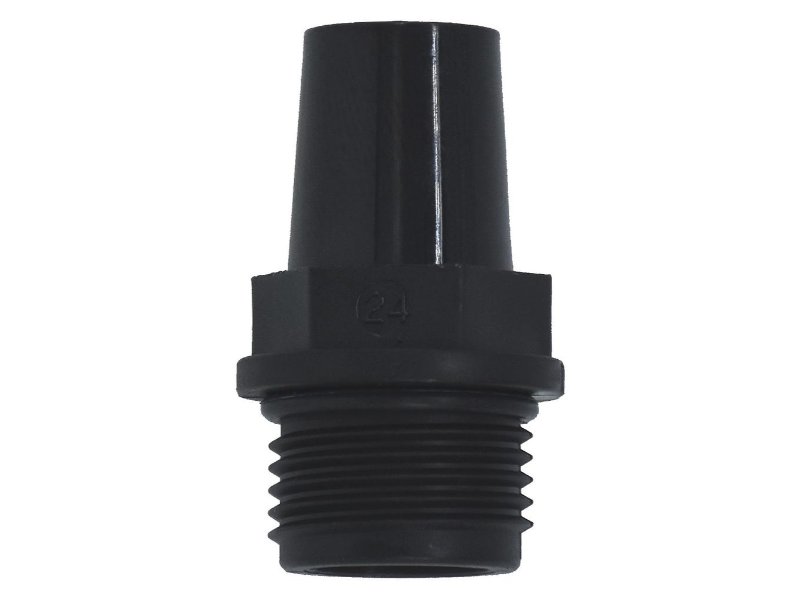
Senninger Sprinklers
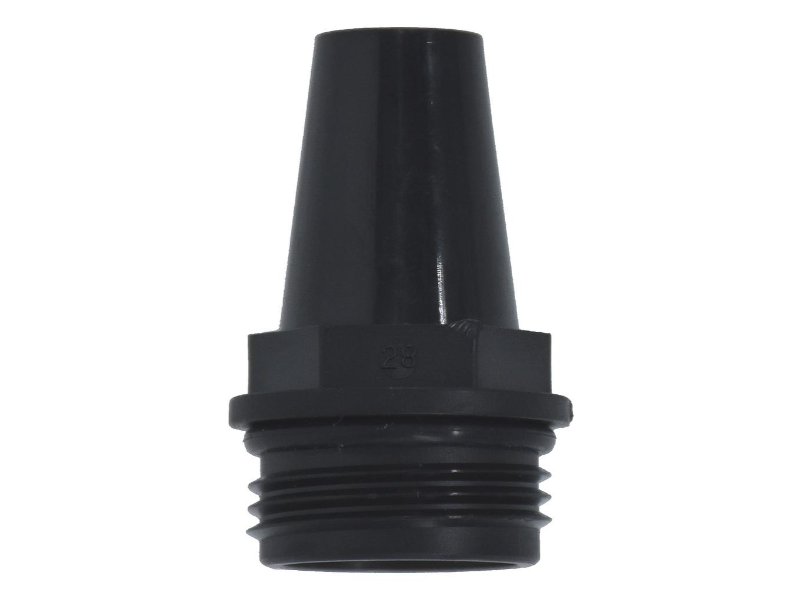
Senninger Mini Wobbler Sprinkler With 15mm Base-Inverted c/w #6 Nozzle
$9.95 Read more -
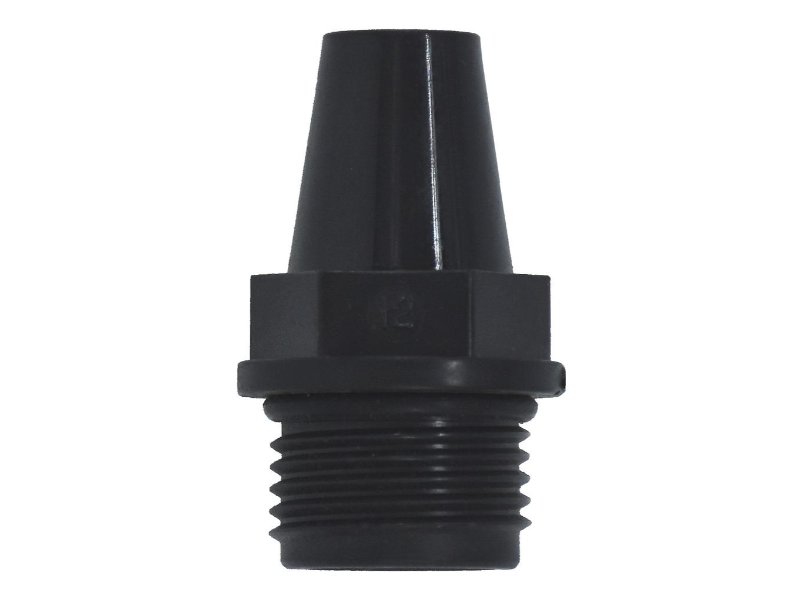
Senninger Sprinklers
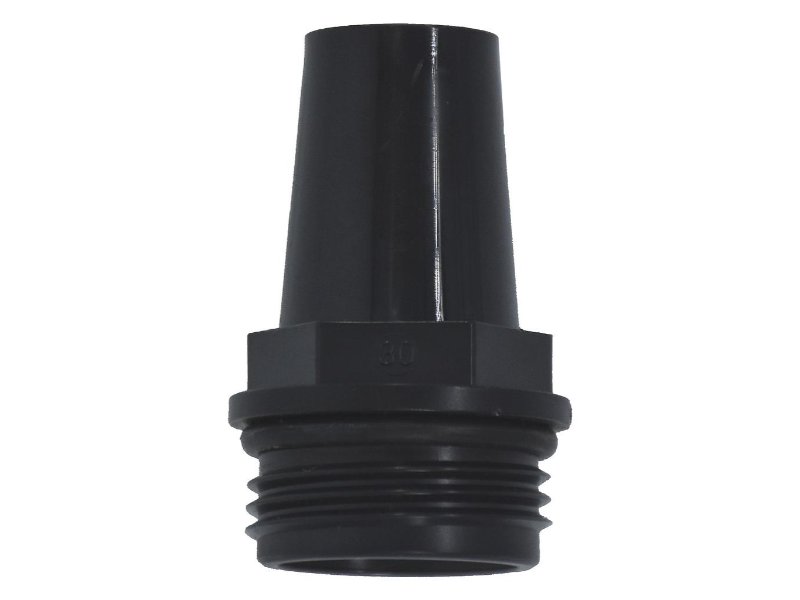
Senninger Mini Wobbler Sprinkler With 15mm Base-Inverted c/w #7 Nozzle
$9.95 Read more -
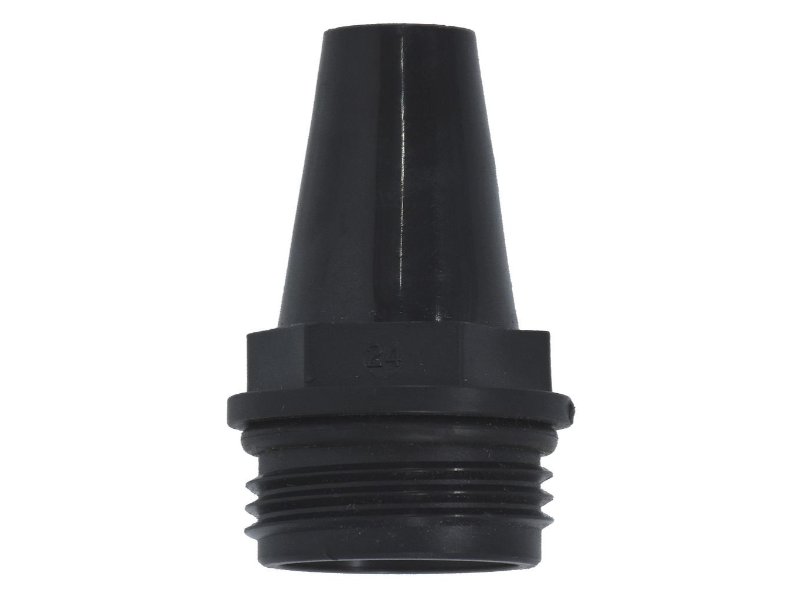
Senninger Sprinklers
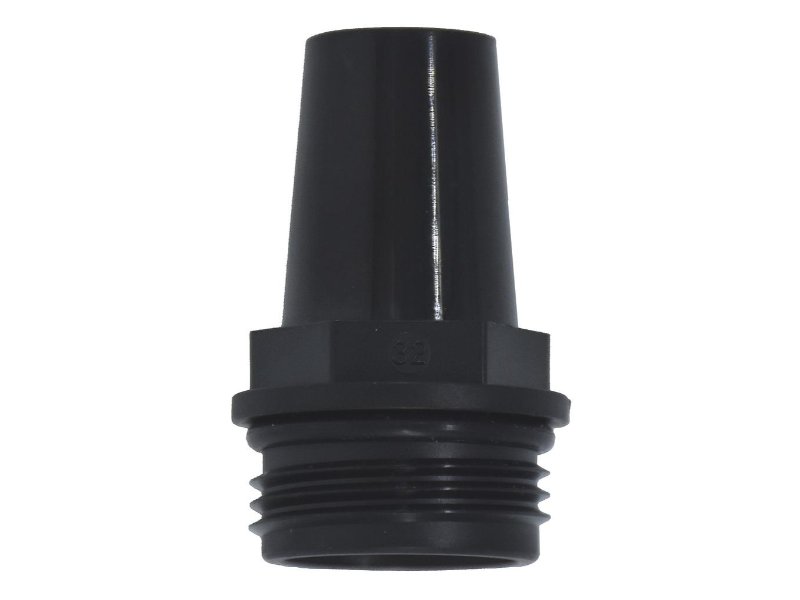
Senninger Mini Wobbler Sprinkler With 15mm Base-Inverted c/w #8 Nozzle
$9.95 Read more -
-
-
-
-
-
-
-
-
-
-
-
-
-
-
-
-
-
-
-
-
-
-
-
-
-
-
-
-
-
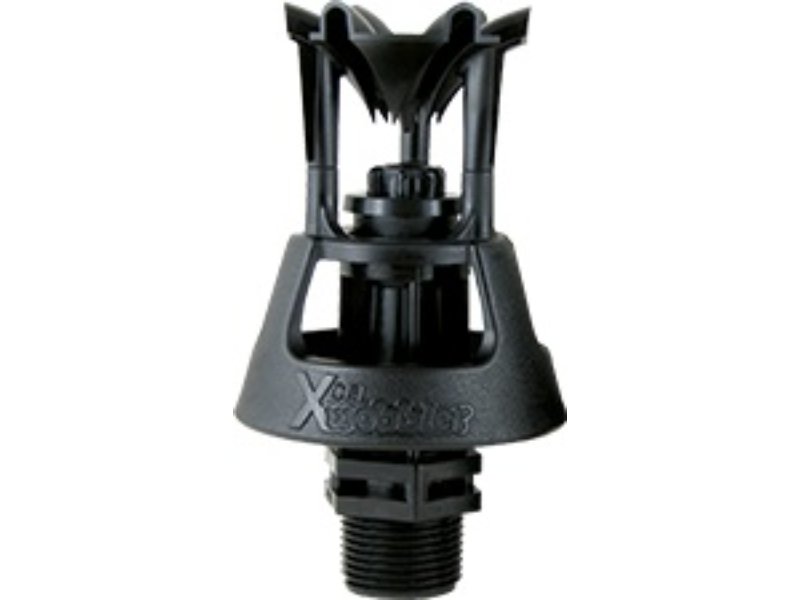
Senninger Sprinklers
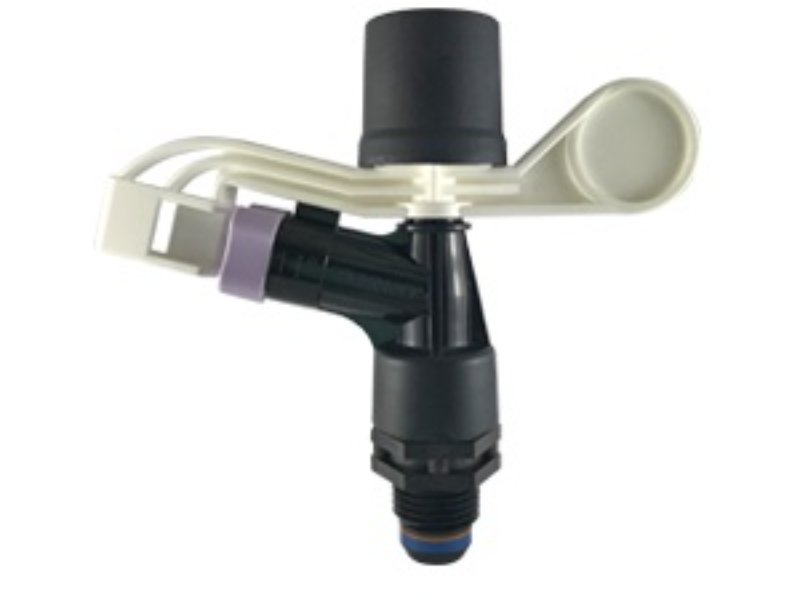
Senninger Xcel Wobbler Sprinkler 20mm High Angle c/w #10 Nozzle
$27.61 Read more -
Senninger Sprinklers
Senninger Xcel Wobbler Sprinkler 20mm High Angle c/w #11 Nozzle
$27.61 Read more -
Senninger Sprinklers
Senninger Xcel Wobbler Sprinkler 20mm High Angle c/w #12 Nozzle
$27.61 Read more -
Senninger Sprinklers
Senninger Xcel Wobbler Sprinkler 20mm High Angle c/w #13 Nozzle
$27.61 Read more -
Senninger Sprinklers
Senninger Xcel Wobbler Sprinkler 20mm High Angle c/w #14 Nozzle
$27.61 Read more -
Senninger Sprinklers
Senninger Xcel Wobbler Sprinkler 20mm High Angle c/w #6 Nozzle
$27.61 Read more -
Senninger Sprinklers
Senninger Xcel Wobbler Sprinkler 20mm High Angle c/w #7 Nozzle
$27.61 Read more -
Senninger Sprinklers
Senninger Xcel Wobbler Sprinkler 20mm High Angle c/w #8 Nozzle
$27.61 Read more -
Senninger Sprinklers
Senninger Xcel Wobbler Sprinkler 20mm High Angle c/w #9 Nozzle
$27.61 Read more -
-
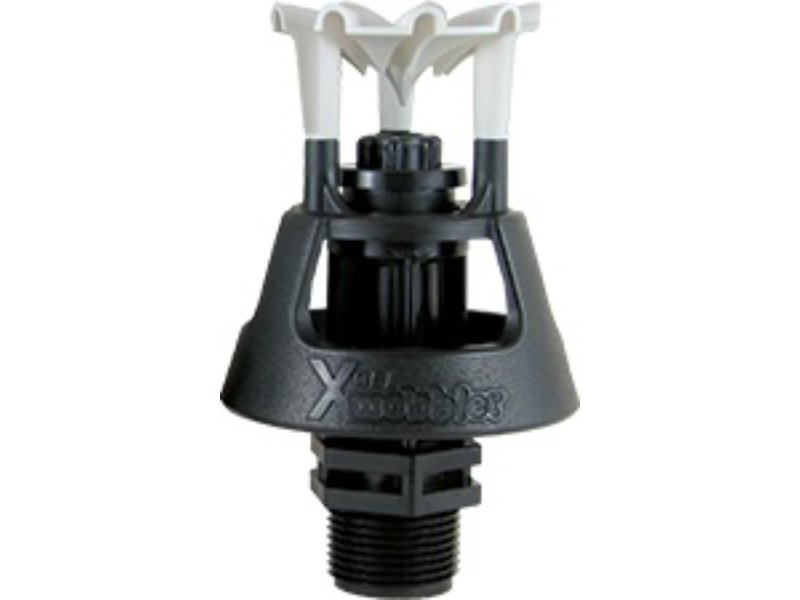
Senninger Sprinklers
Senninger Xcel Wobbler Sprinkler 20mm Medium Angle c/w #10 Nozzle
$27.61 Read more -
Senninger Sprinklers
Senninger Xcel Wobbler Sprinkler 20mm Medium Angle c/w #11 Nozzle
$27.61 Read more -
Senninger Sprinklers
Senninger Xcel Wobbler Sprinkler 20mm Medium Angle c/w #12 Nozzle
$27.61 Read more -
Senninger Sprinklers
Senninger Xcel Wobbler Sprinkler 20mm Medium Angle c/w #13 Nozzle
$27.61 Read more -
Senninger Sprinklers
Senninger Xcel Wobbler Sprinkler 20mm Medium Angle c/w #14 Nozzle
$27.61 Read more -
Senninger Sprinklers
Senninger Xcel Wobbler Sprinkler 20mm Medium Angle c/w #6 Nozzle
$27.61 Read more -
Senninger Sprinklers
Senninger Xcel Wobbler Sprinkler 20mm Medium Angle c/w #7 Nozzle
$27.61 Read more -
Senninger Sprinklers
Senninger Xcel Wobbler Sprinkler 20mm Medium Angle c/w #8 Nozzle
$27.61 Read more -
Senninger Sprinklers
Senninger Xcel Wobbler Sprinkler 20mm Medium Angle c/w #9 Nozzle
$27.61 Read more
Water irrigation stands as a fundamental aspect of sustainable gardening helping to nurture plants efficiently. Proper techniques ensure that moisture reaches the intended areas without excess loss through evaporation or drainage. Drip irrigation for instance targets the base of plants delivering precise amounts that support root development and overall vitality. This method proves especially beneficial in areas prone to dry spells where every drop counts. Incorporating rainwater harvesting complements these efforts by capturing precipitation for later use. Such systems reduce dependence on treated water sources and align with conservation goals. Mulching around plant bases further aids by retaining soil moisture cutting down on the frequency of watering sessions. Observing weather forecasts allows adjustments to irrigation routines avoiding unnecessary applications during rainy periods. Soil composition affects how water is absorbed and held. Amending with organic matter improves retention capabilities leading to healthier ecosystems. Various tools including soaker hoses and timers simplify the process for gardeners of all experience levels. Exploring these options reveals ways to optimize usage based on specific needs and plant varieties. By focusing on these principles irrigation becomes an integrated part of greener practices that benefit both the garden and the surrounding environment. Consistent application of water wise strategies fosters resilience against changing conditions while promoting biodiversity in home settings.